


 English
 中文简体
中文简体
 Español
 عربى
عربى
 Français
 Português
Sports Tape
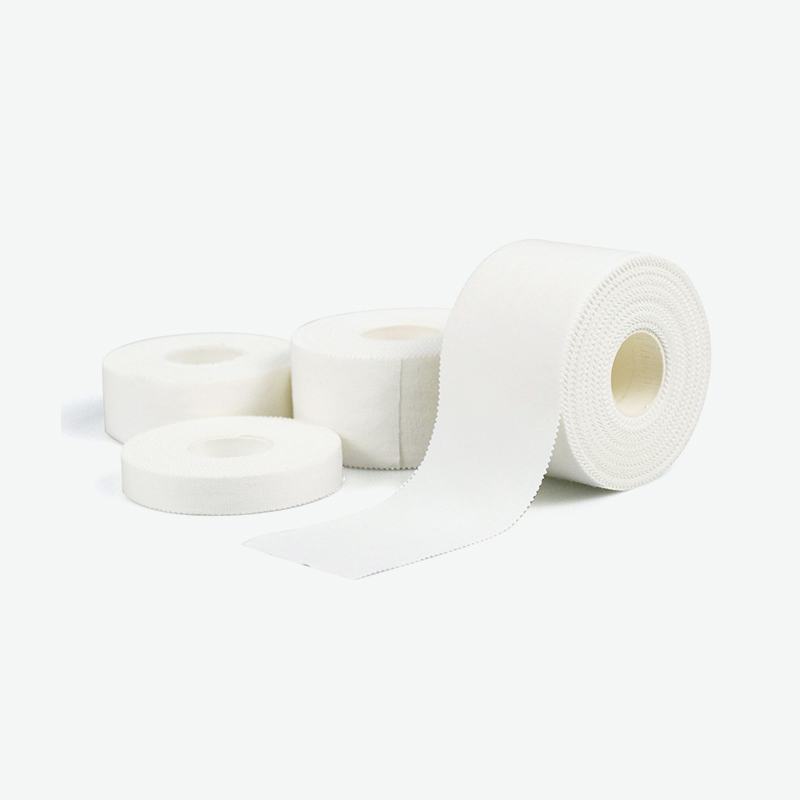
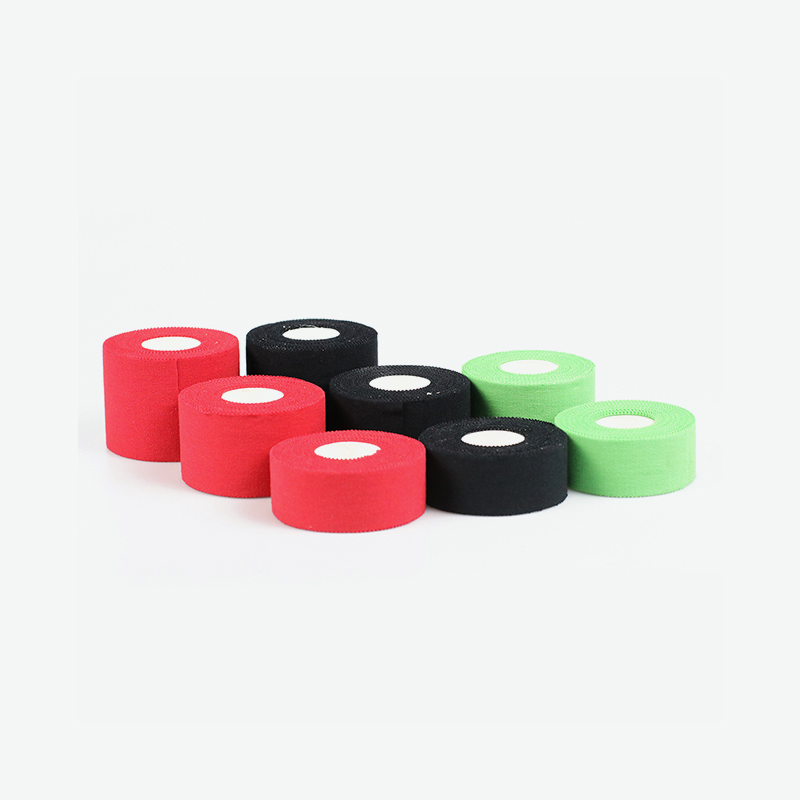
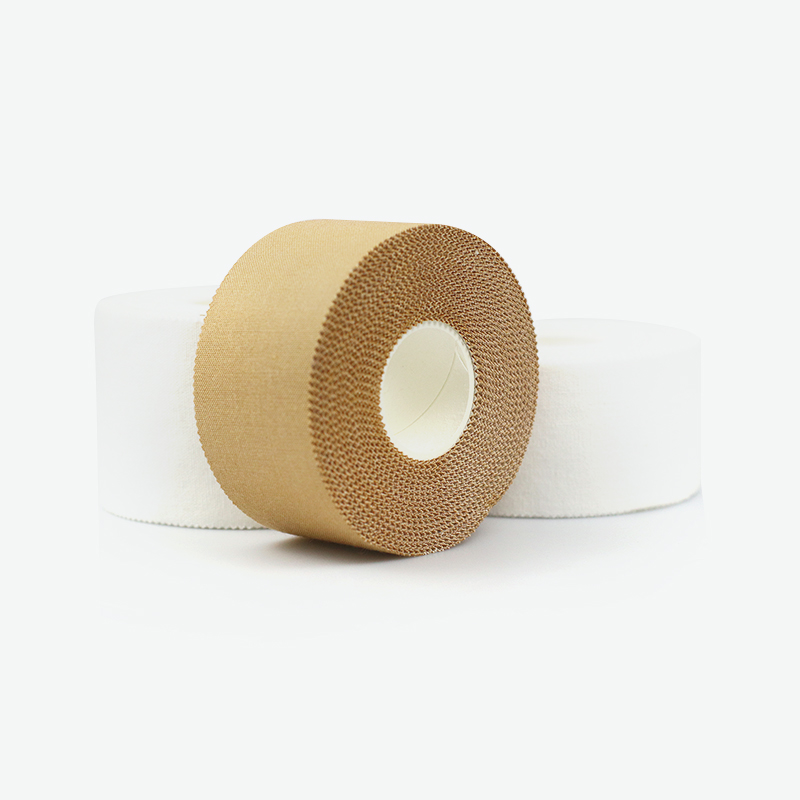
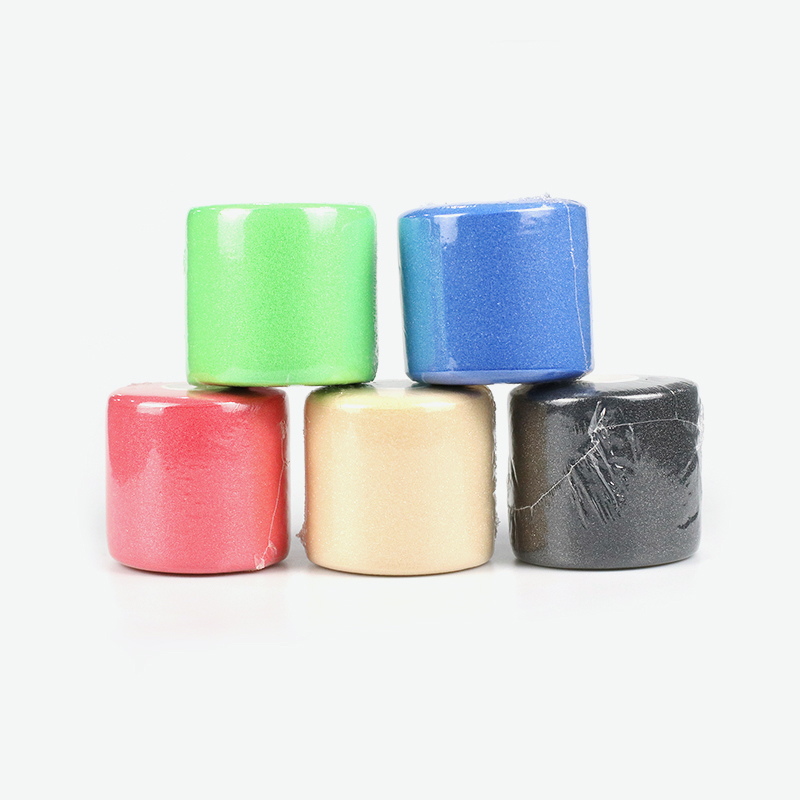
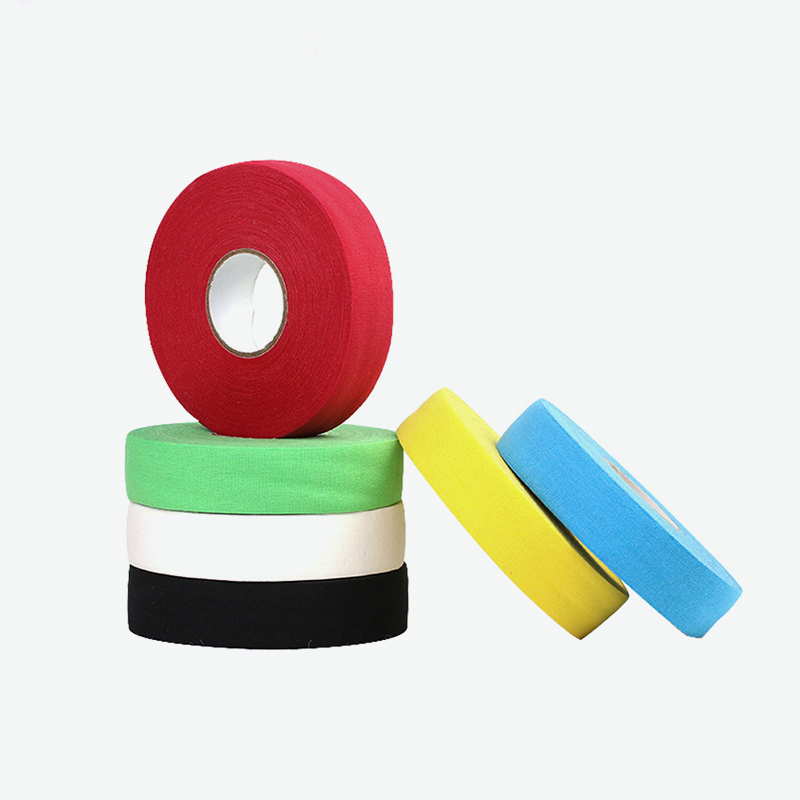
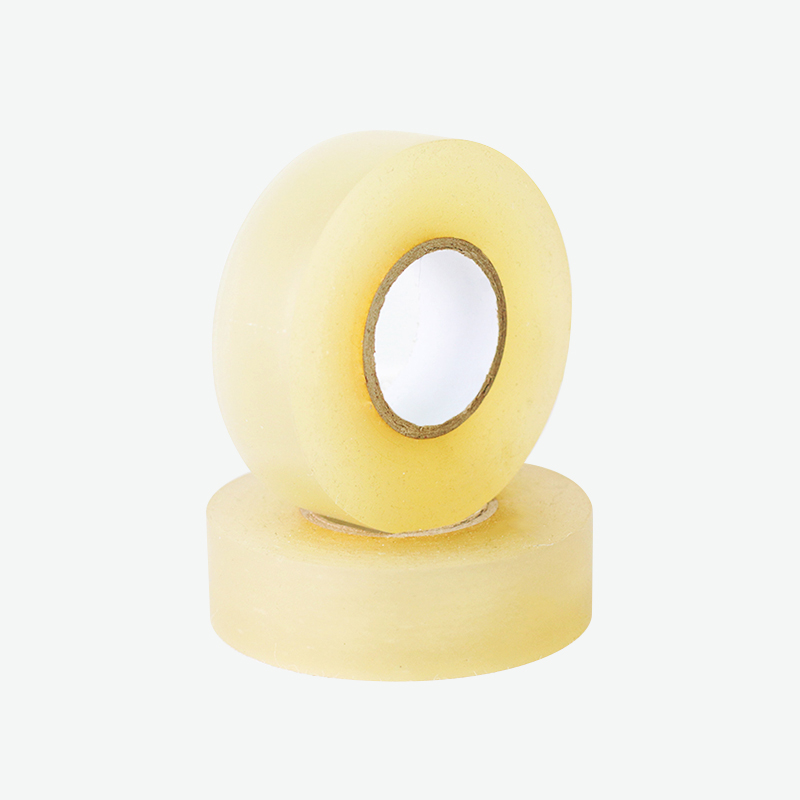
Sports tape. Applications:
1. Used to prevent and relieve muscle pain and joint sprains during exercise.
2. Aids muscle recovery, reduces pain, and provides support during rehabilitation training.
3. Can be used to relieve minor muscle soreness and joint discomfort.
Services:
1. Provides personalized product design and packaging services.
2. Ensures timely delivery of orders.
3. Provides a variety of shipping methods for customer convenience.
Advantages:
1. Made of high-quality materials to reduce skin irritation.
2. Soft and elastic, suitable for long-term use.
3. Provides good support and shock absorption.
4. Good product quality and reasonable price.
About Us
Wenzhou Zhusi Medical Supplies Co., Ltd.
Wenzhou Zhusi Medical is a sports tape manufacturer for athletic support and protection. We specialize in custom sports tape, providing professional care solutions for clients in the fields of sports, medical care, personal care, animal health, tattoos, and beauty. Through technology and innovation, we strive to enable everyone in the world to enjoy a healthy and fulfilling life.
Our Mission:
We strive to achieve both material and spiritual well-being for all employees, spread love and health, and promote the accessibility of healthcare products to everyday families.
Our Vision:
To become a renowned company recognized by customers, respected by society, and ensuring employee well-being.
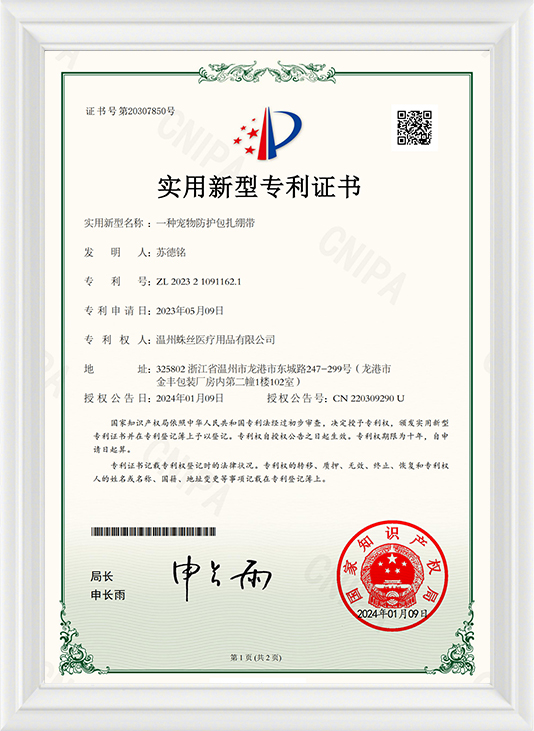
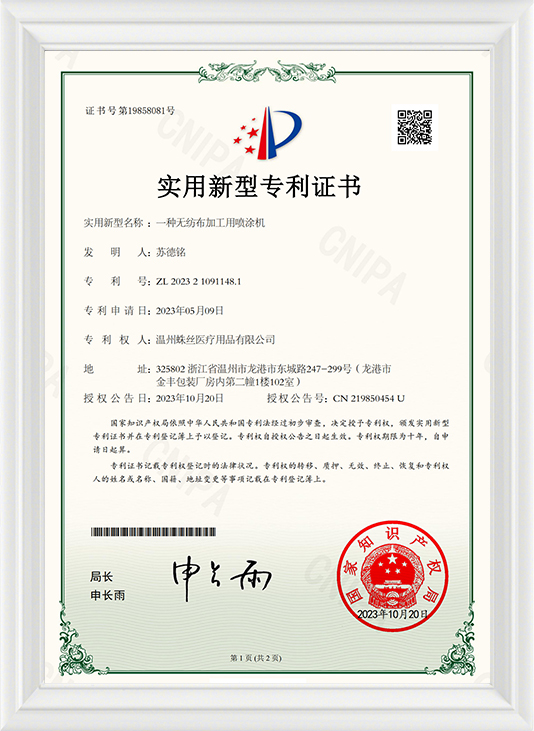
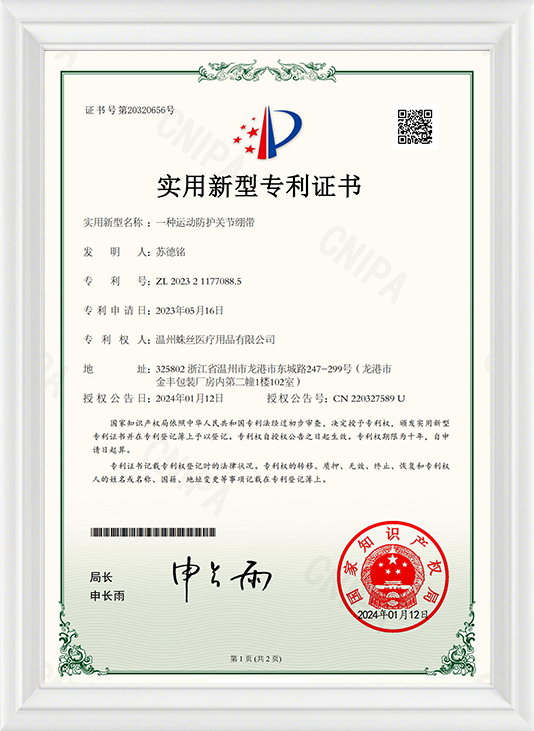
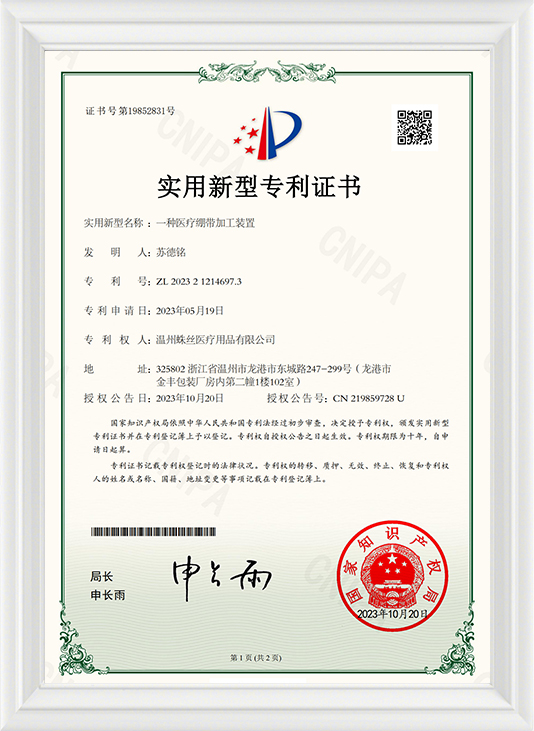
Certificate Of Honor
News
-
Sports taping is often treated as a simple wrapping task, but the material placed closest to the skin can influence how the outer tape feels...
READ MORE -
A bandage placed around a joint has to deal with constant changes in the shape of the skin. When an ankle bends, a wrist turns, or a knee fl...
READ MORE -
A cohesive bandage can look simple to use. It stretches, wraps around an area, and holds against itself without needing ordinary adhesive on...
READ MORE -
A bandage may look simple, but its performance depends on how it behaves after it has been wrapped around the body. It needs to remain in po...
READ MORE
Message Feedback
Sport Tape: Types, Materials, Applications and Selection Guide
Sport tape is a broad category of adhesive and self-adhering products used in training, competition, rehabilitation and general sports care. Depending on its construction, it may be used to secure dressings, wrap sports equipment, provide external support or help limit unwanted movement.
Not every sport tape performs the same job. A rigid cotton athletic tape behaves differently from an elastic kinesiology tape, while a cohesive bandage does not use the same adhesive structure as either product. Choosing the correct tape therefore starts with the intended application—not its color or appearance.
This guide explains the main types of sport tape, how their materials differ and which specifications should be reviewed before selecting or developing a product.
What Is Sport Tape?
Sport tape is a general term for tape and bandage products designed for use in athletic and active environments. These products may be applied to the body, used over protective padding or wrapped around equipment.
Depending on the tape type, common applications may include:
- Securing dressings or protective pads
- Providing external support during sports activities
- Helping manage movement around a selected area
- Wrapping fingers, wrists, ankles or other body areas
- Protecting the hands during weightlifting and strength training
- Holding guards, socks or sports accessories in position
- Improving grip on selected sports equipment
The term sport tape does not describe one standardized medical product. It can refer to rigid athletic tape, elastic adhesive tape, kinesiology tape, cohesive bandages or lifting tape.
For this reason, product descriptions should clearly identify the backing material, adhesive system, elasticity, size and intended use.
Main Types of Sport Tape
Sport tapes can be grouped according to their backing construction, stretch characteristics and adhesion method.
| Tape Type | Typical Construction | Main Characteristic | Common Application |
| Rigid athletic tape | Cotton or rayon fabric with pressure-sensitive adhesive | Low stretch and firm support | Ankle, wrist, finger and equipment taping |
| Kinesiology tape | Elastic cotton or synthetic fabric with adhesive | Stretches with body movement | Flexible athletic and rehabilitation applications |
| Elastic adhesive bandage | Woven elastic fabric with adhesive coating | Strong stretch and compression potential | Sports support and dressing retention |
| Cohesive bandage | Elastic nonwoven or fabric that adheres to itself | No direct skin adhesive in the conventional sense | Overwrapping, compression and securing padding |
| Weightlifting tape | Strong cotton, rayon or synthetic backing | Grip-focused and resistant to training stress | Fingers, thumbs, palms and selected equipment |
| Zinc oxide sports tape | Rigid or semi-rigid fabric with zinc oxide adhesive | Firm adhesion and low stretch | Traditional sports strapping |
| Foam underwrap | Thin polyurethane foam without conventional adhesive | Soft interface beneath rigid tape | Skin separation and pre-taping preparation |
These names are sometimes used differently between markets. Buyers should confirm the complete specification instead of relying only on the product category.
How Sport Tape Materials Affect Performance
The backing material determines how a tape stretches, tears, conforms and responds to sweat or movement. The adhesive affects initial tack, holding strength, removal and compatibility with the intended surface.
Cotton and Rayon Fabric
Cotton and rayon are commonly used in rigid athletic tape, elastic adhesive bandages and some lifting tapes.
Typical characteristics include:
- Natural or textile-like hand feel
- Good tensile strength
- Compatibility with different adhesive systems
- Options for hand tearing
- Woven structure with visible grain
- Different levels of breathability and stretch
Rigid cotton tape is generally designed with minimal stretch. Elastic cotton tape contains an elastic component or uses a woven structure that allows controlled extension.
Fabric density is important. A loose weave may allow excessive adhesive penetration, while a very dense backing may feel stiff or difficult to conform.
Nonwoven Fabric
Nonwoven materials are used in fixation tapes, cohesive bandages and lightweight sports-care products. Their properties can be adjusted through fiber selection and manufacturing method.
Potential characteristics include:
- Soft surface
- Lightweight construction
- Breathability
- Flexibility
- Easy cutting or tearing
- Compatibility with perforation
- Economical large-scale production
Nonwoven tape may be suitable where softness and flexibility are more important than the firm structure of woven athletic tape.
Synthetic Fabric
Polyester, nylon and blended synthetic fabrics can provide controlled strength, stretch and moisture response.
They may be selected for:
- Kinesiology tape
- Water-resistant athletic tape
- High-strength lifting tape
- Products requiring consistent elasticity
- Applications exposed to frequent perspiration
Synthetic fibers generally absorb less moisture than natural cotton, although finished performance also depends on fabric construction, adhesive and surface treatment.
Plastic Film
Polyethylene, polyurethane and other polymer films may be used in transparent fixation products or specialized sports tapes.
Film-based products can provide:
- A smooth surface
- Low material thickness
- Moisture resistance
- Transparency or translucency
- Controlled elasticity
- Easy cleaning of the exposed surface
However, moisture resistance and breathability are different properties. A film may resist external water while still requiring perforation or engineered vapor transmission for longer wear.
Foam
Foam is more commonly used as an underwrap or protective interface than as a primary rigid sports tape.
Its main properties include:
- Softness
- Cushioning
- Low weight
- Conformability
- Separation between skin and adhesive tape
- Protection around sensitive or high-friction areas
Foam thickness, density and compression behavior should be matched to the intended wrapping method.
Understanding Weightlifting Bandage and Weightlifting Tape
The terms Weightlifting Bandage and weightlifting tape are sometimes used interchangeably, but they can describe different products.
A weightlifting bandage is usually an elastic or semi-elastic wrap applied around the wrist, knee or another selected area. It may use hook-and-loop fastening, a self-adhering structure or another closure method.
Weightlifting tape is usually a narrower adhesive tape used on the fingers, thumbs, palms or equipment. Its construction is often designed to tolerate friction, chalk, sweat and repeated gripping.
Common Weightlifting Tape Requirements
Weightlifting tape may need to provide:
- Strong backing material
- Controlled adhesion
- Resistance to tearing during lifting
- Comfortable conformity around fingers and thumbs
- Clean removal under intended conditions
- Compatibility with chalk and perspiration
- Convenient hand tearing or cutting
- Stable roll unwinding
For Olympic weightlifting, functional fitness and climbing-related applications, users often prefer tape that conforms closely without creating excessive bulk around the grip area.
The terms support, protection and injury prevention should be used carefully. Performance depends on application technique, activity, user condition and the complete product specification. Tape should not be presented as a substitute for professional diagnosis or treatment.
Rigid Athletic Tape vs Kinesiology Tape
Rigid athletic tape and kinesiology tape differ mainly in elasticity, application method and intended movement response.
| Feature | Rigid Athletic Tape | Kinesiology Tape |
| Backing | Usually woven cotton or rayon | Elastic cotton or synthetic fabric |
| Stretch | Low or minimal | Commonly stretches along its length |
| Typical Width | Often 2.5–5 cm | Often 5 cm, with other widths available |
| Application Style | Structured wrapping or strapping | Applied in strips with controlled stretch |
| Movement Response | Designed to provide firmer external restriction | Designed to move more closely with the body |
| Wear Duration | Depends on product and activity | May be designed for longer wear, subject to instructions |
| Removal | Usually removed after activity or as specified | Requires careful removal according to instructions |
Neither type is automatically better. The correct choice depends on the application, desired elasticity and user requirements.
For body application, users should follow the product instructions and seek qualified advice when taping an injury, managing persistent pain or restricting joint movement.
Common Sport Tape Sizes
Sport tape dimensions vary according to body area, activity and application method.
Common widths may include:
- 1.25 cm: Fingers, toes and detailed wrapping
- 2.5 cm: Fingers, thumbs, wrists and smaller areas
- 3.8 cm: General athletic taping
- 5 cm: Ankles, wrists, shoulders and kinesiology applications
- 7.5 cm or wider: Large-area wrapping and selected bandage applications
Common roll lengths depend on the product category. Rigid athletic tapes may be supplied in shorter practical rolls, while kinesiology tape can be offered as rolls or pre-cut strips. Elastic adhesive bandages and cohesive wraps may use different length conventions because they stretch during application.
The correct size should be selected according to the application method rather than the athlete’s sport alone.
Applications Across Different Sports
Sport tape is used in many athletic settings, but product selection varies with movement, equipment and environmental exposure.
Weightlifting and Strength Training
Tape may be applied to fingers, thumbs or palms where repeated contact with the bar creates friction. Wrist wraps and elastic bandages may also be used as separate support products.
Important selection factors include:
- Grip interference
- Resistance to chalk
- Adhesion during perspiration
- Backing strength
- Ease of removal
Running and Field Sports
Elastic or rigid tape may be used according to the selected taping method. Lightweight construction, conformity and resistance to movement-related edge lifting are often important.
Football, Rugby and Team Sports
Athletic tape may be used for structured wrapping, securing equipment or keeping socks and guards in position. Products used over clothing require different adhesion characteristics from tapes applied directly to skin.
Gymnastics and Climbing
Finger and hand tapes must tolerate repeated friction while avoiding unnecessary bulk. Tear strength, conformity and grip feel are central selection points.
Court and Studio Sports
Basketball, volleyball, tennis and indoor training may involve rigid, elastic or cohesive products. Tape choice depends on the body area and intended application rather than the playing surface alone.
Adhesive Systems Used in Sport Tape
Sport tape may use different pressure-sensitive adhesive technologies.
Zinc Oxide Adhesive
Zinc oxide adhesive is commonly associated with traditional rigid athletic tape. It can provide firm adhesion and is often combined with woven cotton or rayon backing.
Product performance still depends on the complete formulation. The presence of zinc oxide alone does not establish skin compatibility or clinical performance.
Acrylic Adhesive
Acrylic adhesives are frequently used in kinesiology tapes, fixation tapes and film-based products. They can be formulated for different tack, wear and moisture-response requirements.
Rubber-Based Adhesive
Natural or synthetic rubber-based adhesives may provide strong initial tack. Formulation, aging stability, skin-contact suitability and destination-market requirements should be evaluated for the intended product.
Cohesive Coating
Cohesive bandages are designed to adhere primarily to themselves rather than using a conventional skin-facing adhesive. They are commonly wrapped in overlapping layers.
Cohesive wraps should not be applied too tightly. Excessive tension may create unwanted pressure, particularly around limbs or joints.
Frequently Asked Questions About Sport Tape
What is sport tape used for?
Sport tape may be used to secure dressings or padding, wrap equipment, provide external support or help manage movement during athletic activity. Its exact purpose depends on whether the product is rigid, elastic, cohesive or designed for lifting.
Is sport tape the same as kinesiology tape?
No. Kinesiology tape is an elastic type of sport tape. Traditional athletic tape is usually more rigid and is applied using different techniques.
What is the difference between sport tape and a weightlifting bandage?
Sport tape is usually supplied as an adhesive roll. A weightlifting bandage or wrap is commonly a wider elastic product used around areas such as the wrist or knee and may use a reusable fastening system.
Can sport tape be applied directly to the skin?
Some sport tapes are designed for direct skin application, while others are intended for equipment, overwrap or use with an underlayer. The manufacturer’s instructions and stated intended use should always be checked.
Is sport tape waterproof?
Some products offer resistance to sweat or short-term moisture, but not all sport tapes are waterproof. Water-resistance claims should be based on the complete tape construction and relevant testing.
How do I choose the right sport tape?
Identify the required elasticity, backing material, adhesive, width, wear conditions and application area. Rigid tape, kinesiology tape, cohesive bandage and lifting tape perform different roles and should not be treated as interchangeable.
Can sport tape prevent sports injuries?
Tape may be used as part of a sports-support or risk-management routine, but it cannot guarantee injury prevention. Training technique, conditioning, equipment, recovery and professional assessment remain important.
Can sport tape be customized?
Yes. Depending on manufacturing requirements, sport tape can be customized by material, elasticity, adhesive, width, length, color, printing and packaging.
Sport Tape Manufacturing by Zhusi
Zhusi develops and manufactures tape and bandage products using fabric, nonwoven and other backing structures. Product options may include rigid athletic tape, elastic sports tape, weightlifting tape, cohesive bandages and related sports-care products.
Development focuses on specifications that influence production and practical use:
- Backing strength and consistency
- Adhesive compatibility
- Controlled elasticity
- Roll dimensions
- Unwind performance
- Cutting and edge quality
- Surface appearance
- Printing and private-label packaging
- Batch consistency
- Required technical documentation
The most suitable sport tape is determined by its intended application and complete material structure. For custom projects, providing the target product type, dimensions, reference sample, packaging requirements and destination market helps make material selection and sampling more efficient.
Sport tape may appear simple, but small differences in fabric construction, adhesive behavior and stretch can significantly change the finished product. Clear specifications and application-based testing are therefore essential when developing a reliable athletic tape or bandage product.

“This website is for users outside of China.”
Copyright © 2025 Wenzhou Zhusi Medical Supplies Co., Ltd. All Reserved. Approval No:浙温械备20250002 & 浙温械备 20190061 号 & 浙温药监械生产备20190011号
Sports Tape Factory for Cotton, Rigid, and Hockey Tape
