


 English
 中文简体
中文简体
 Español
 عربى
عربى
 Français
 Português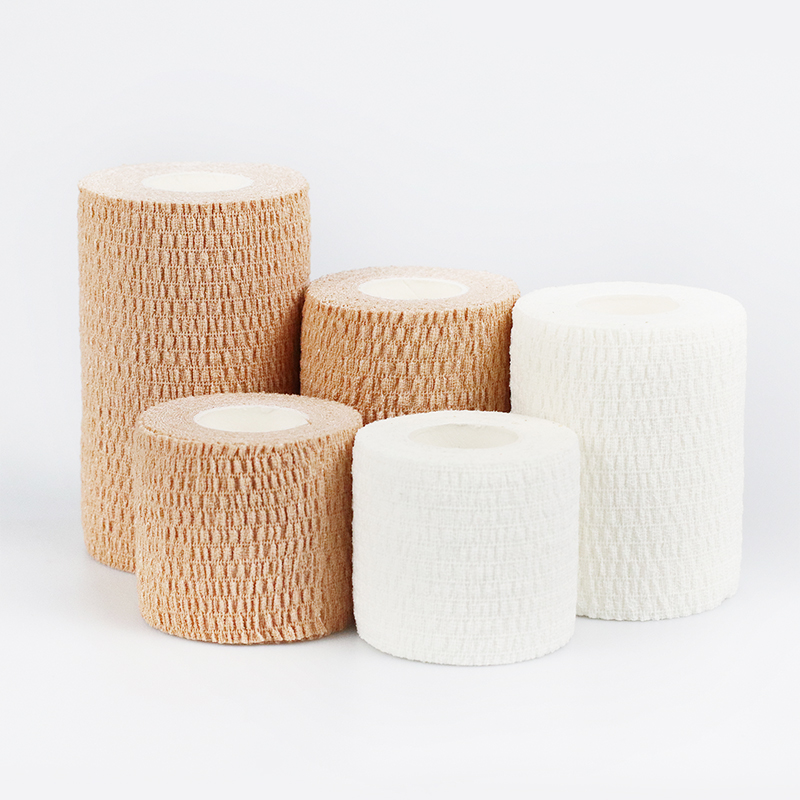
About Us
Wenzhou Zhusi Medical Supplies Co., Ltd.
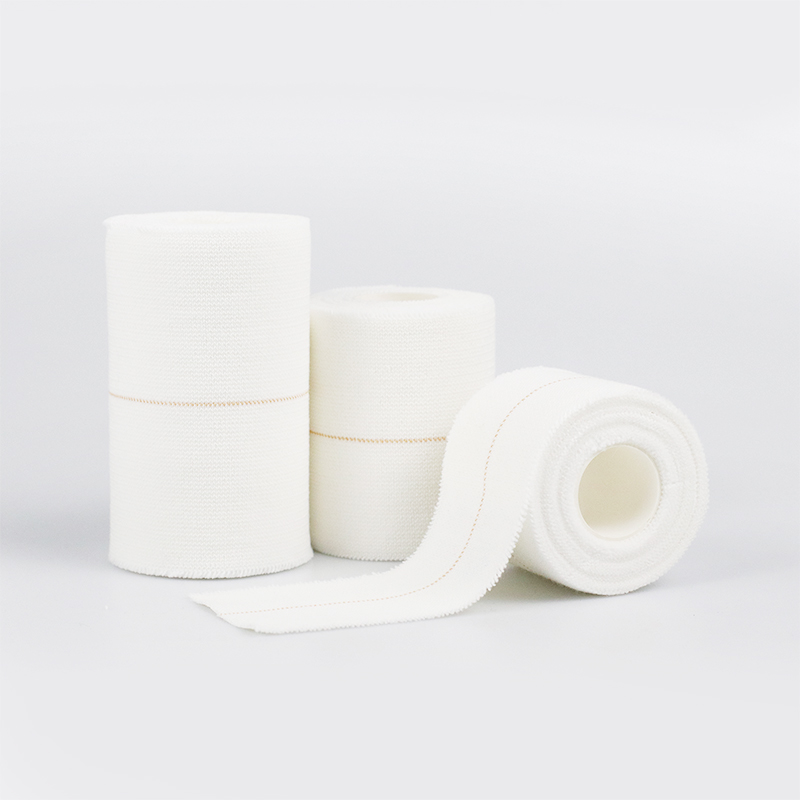
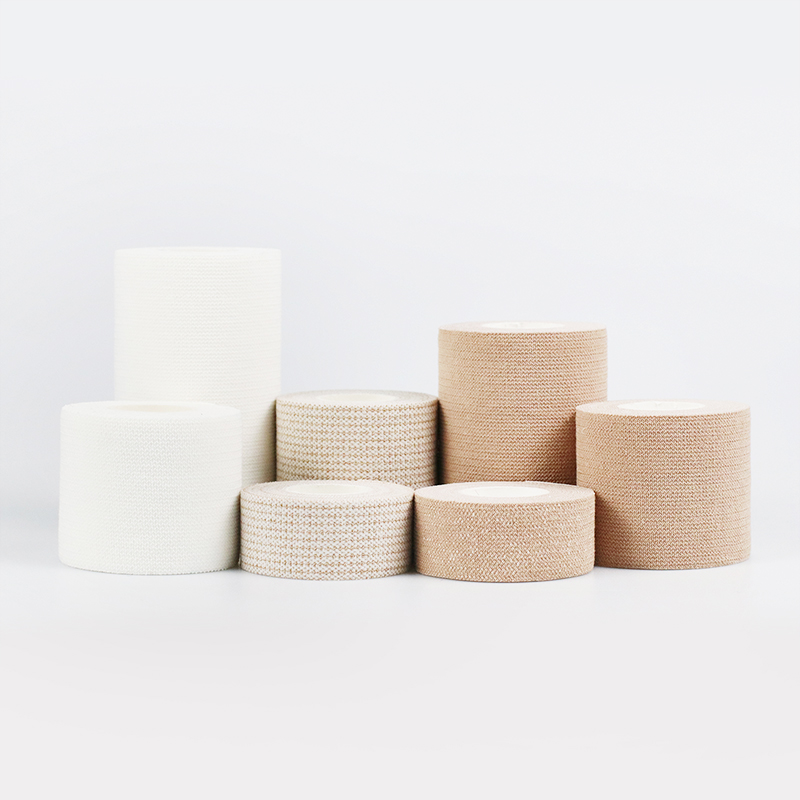
Wenzhou Zhusi Medical is a OEM elastic adhesive bandage supplier for healthcare and first aid products. We specialize in wholesale self adhesive bandage, providing professional care solutions for clients in the fields of sports, medical care, personal care, animal health, tattoos, and beauty. Through technology and innovation, we strive to enable everyone in the world to enjoy a healthy and fulfilling life.
Our Mission:
We strive to achieve both material and spiritual well-being for all employees, spread love and health, and promote the accessibility of healthcare products to everyday families.
Our Vision:
To become a renowned company recognized by customers, respected by society, and ensuring employee well-being.
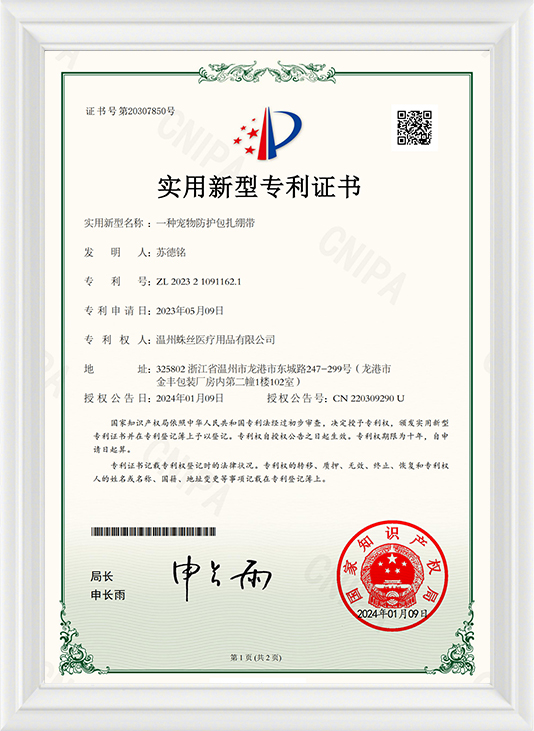
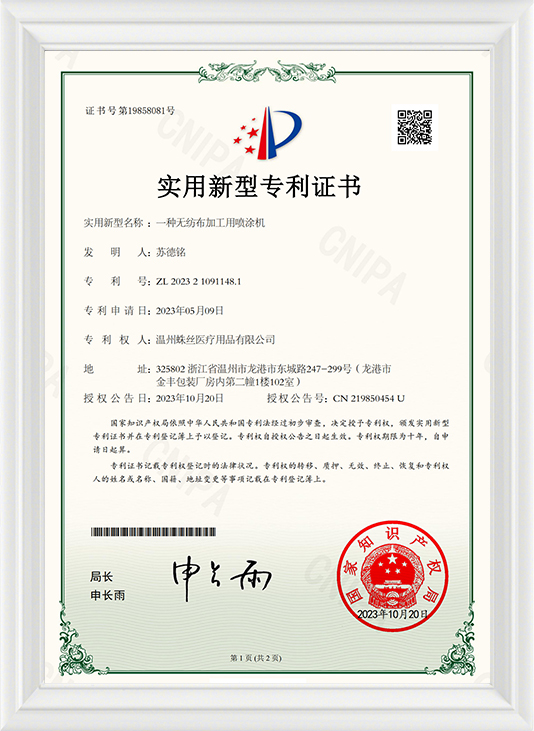
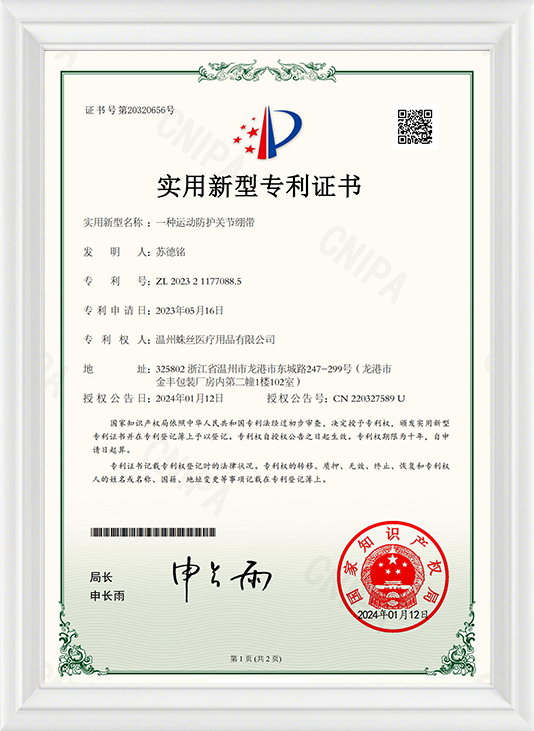
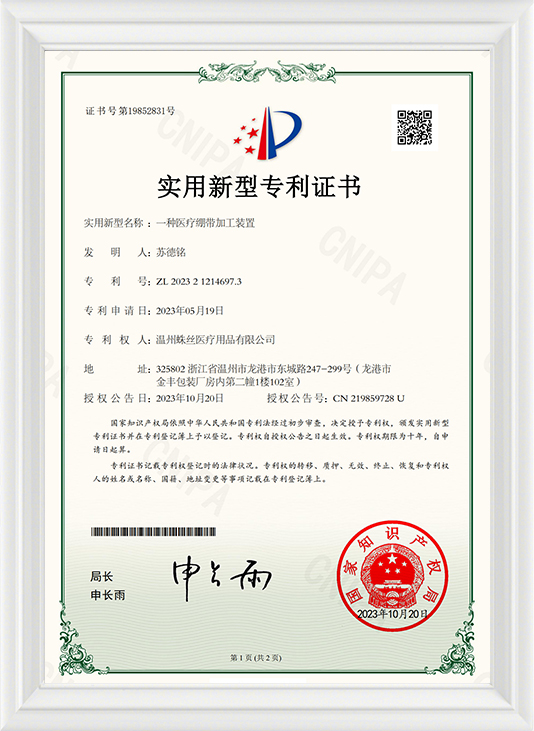
Certificate Of Honor
News
-
Sports taping is often treated as a simple wrapping task, but the material placed closest to the skin can influence how the outer tape feels...
READ MORE -
A bandage placed around a joint has to deal with constant changes in the shape of the skin. When an ankle bends, a wrist turns, or a knee fl...
READ MORE -
A cohesive bandage can look simple to use. It stretches, wraps around an area, and holds against itself without needing ordinary adhesive on...
READ MORE -
A bandage may look simple, but its performance depends on how it behaves after it has been wrapped around the body. It needs to remain in po...
READ MORE
Message Feedback
Elastic Adhesive Bandage Guide: Materials, Applications, Customization and Manufacturing Insights
An elastic adhesive bandage is a stretchable fabric wrap coated with an adhesive compound. It combines the flexibility of an elastic textile with the holding ability of adhesive tape. Depending on its material and construction, it may be used to secure dressings, provide controlled wrapping, support sports taping procedures or remain in position on moving and contoured areas.
Unlike plain gauze rolls, an elastic adhesive bandage does not normally require separate clips or pins. It also differs from a cohesive bandage: an adhesive bandage attaches to the application surface, while a cohesive bandage is primarily designed to grip its own overlapping layers.
Elastic adhesive bandages are supplied through medical, sports, rehabilitation, pharmacy, first-aid and veterinary channels. They can also be developed for private-label product lines in different widths, roll lengths, colors, adhesive strengths and packaging formats.
Common applications include:
- Securing compatible dressings and medical pads
- Wrapping ankles, wrists, knees and elbows
- Supporting professional sports-taping procedures
- Providing controlled fixation around moving areas
- Completing workplace, vehicle or outdoor first-aid kits
- Supporting suitable veterinary-care procedures
- Developing branded healthcare and sports product ranges
Performance depends on more than elasticity alone. The base fabric, elastic yarn, adhesive coating, edge quality, roll tension and storage conditions all influence the way the finished bandage unwinds, stretches, holds and removes.
Before confirming a product specification, important details include:
- Fabric composition and weight
- Stretch percentage and direction
- Elastic recovery
- Adhesive chemistry
- Latex status
- Peel and holding performance
- Breathability
- Finished roll dimensions
- Dimensional tolerances
- Individual packaging
- Labeling and documentation requirements
Medical, therapeutic and compression claims should be based on the product’s documented intended purpose, test evidence and applicable market authorization.
Common Types of Elastic Adhesive Bandages
Elastic adhesive bandages are available in several constructions. Although the products may look similar in roll form, differences in fabric weight, elasticity and adhesive coating can produce very different application experiences.
A lightweight non-woven wrap may be suitable for short-term dressing fixation, while a heavy cotton version may be developed for firmer sports taping. Product selection should therefore begin with the intended application, required performance and destination-market requirements.
Elastic Adhesive Bandage Rolls
Elastic adhesive bandage rolls are continuous lengths of coated fabric wound around an inner core. The roll can be unwound and cut according to the required application length.
This format is widely used because it is compact, easy to pack and available in numerous widths. Narrow rolls are generally easier to guide around fingers, hands and wrists. Wider rolls provide faster coverage for ankles, knees and broader areas.
Typical applications include:
- Dressing and pad fixation
- Professional sports taping
- Joint-area wrapping
- Rehabilitation product ranges
- First-aid kit assembly
- Pharmacy and healthcare retail
- Online healthcare product sets
Rolls may be packed individually or combined into multi-roll sets. Common packaging choices include flow packs, printed wrappers, paper cards, folding cartons and counter-display boxes.
Roll length should be defined carefully. Elastic material may be measured in a relaxed state or under a specified amount of tension. The approved specification should state the measurement method to prevent misunderstandings between samples and mass production.
Heavy Elastic Adhesive Bandage
A Heavy Elastic Adhesive Bandage uses a thicker or heavier fabric structure than a lightweight version. It is generally designed to deliver a firmer wrapping feel, greater tensile strength and more controlled support.
The backing may contain cotton, elastic yarn or blended fibers. Its adhesive coating is often selected to resist edge lifting and movement during the stated wear period. The exact holding performance depends on the adhesive formula, coating weight and application conditions.
Typical channels include:
- Sports medicine
- Physiotherapy and rehabilitation
- Athletic training facilities
- Orthopedic support product ranges
- Professional taping supplies
- Veterinary care, subject to specification
Important evaluation points include:
- Fabric thickness
- Tensile strength
- Stretch and recovery
- Adhesive holding power
- Resistance to edge curling
- Roll-to-roll consistency
- Ease of unwinding
- Removal experience
A heavy bandage should not be applied at maximum stretch unless its instructions specifically require it. Excessive tension can create unnecessary pressure and discomfort.
Lightweight Elastic Adhesive Bandage
A Lightweight Elastic Adhesive Bandage uses a thinner backing to improve flexibility, breathability and handling. It creates less bulk when layers overlap and can be easier to shape around small or uneven areas.
Lightweight products are often supplied for dressing fixation, general healthcare kits, pharmacy products and other applications where a thick support layer is unnecessary.
Common characteristics include:
- Soft, flexible backing
- Lower finished roll weight
- Reduced bulk during wrapping
- Easier contouring
- Comfortable hand feel
- Convenient retail and kit packaging
- Efficient carton utilization
Lower weight does not automatically mean lower quality. A well-designed lightweight bandage can provide consistent stretch and adhesion while using less material. However, the fabric still needs sufficient tensile strength to prevent tearing, distortion or uneven narrowing during application.
Cotton Elastic Adhesive Bandage
A Cotton Elastic Adhesive Bandage uses cotton or cotton-blend fabric as its principal backing. Cotton is valued for its familiar texture, breathability and comfortable contact surface.
The cotton percentage can vary. Some constructions combine cotton with spandex, polyamide, polyester or other elastic components to create the required stretch and recovery. A product described as cotton-based should not automatically be assumed to contain 100% cotton.
Suitable product categories include:
- Clinical dressing fixation
- Sports-taping supplies
- Rehabilitation products
- Pharmacy retail ranges
- Premium first-aid kits
- Professional healthcare products
Cotton elastic adhesive bandages may use zinc oxide, rubber-based, hot-melt or other adhesive systems. When a latex-free claim is required, it should be supported by the material declaration and relevant documentation for the finished product.
Fiber composition, fabric weight and shrinkage performance should be confirmed during development. These factors affect softness, strength, roll dimensions and production consistency.
Non-Woven Elastic Adhesive Bandage
A Non-Woven Elastic Adhesive Bandage uses a flexible non-woven backing instead of a traditional woven textile. It is generally lightweight, soft and suitable for scalable manufacturing.
Non-woven materials can be engineered with different levels of elasticity, air permeability and tear strength. Some are designed for lengthwise stretch, while others can adapt in more than one direction.
Common applications include:
- First-aid kits
- Dressing fixation products
- Disposable healthcare packs
- Entry-level retail ranges
- Online multi-piece sets
- Promotional care kits
Non-woven backing can offer an efficient balance between cost and performance, but the exact result depends on fiber composition and manufacturing method. A soft appearance alone does not confirm tensile strength, breathability or skin-contact suitability.
Samples should be checked for:
- Surface texture
- Elongation
- Recovery
- Edge integrity
- Adhesive distribution
- Unwinding behavior
- Resistance to tearing
- Residue after removal
Self-Adhesive or Cohesive Elastic Bandage
A Self-Adhesive or Cohesive Elastic Bandage is designed to grip its own overlapping layers rather than adhere directly to skin or hair. It normally stays in place without clips, pins or additional tape.
Although it is frequently discussed alongside elastic adhesive bandages, the fastening principle is different:
- Adhesive bandage: bonds to skin, dressing material or another compatible surface.
- Cohesive bandage: bonds mainly to itself when the layers overlap.
Common advantages of a cohesive product include:
- Little or no direct adhesion to skin or hair
- Quick application
- Convenient removal
- Layer-to-layer fastening
- Multiple color options
- Suitability for contoured areas
- Popularity in sports and veterinary ranges
Some cohesive compounds contain natural rubber latex. Others use latex-free formulations. Latex status should be confirmed from the technical file rather than inferred from the product’s color, texture or name.
Cohesive bandages should also be applied with controlled tension. Because the material secures itself, excessive stretching is unnecessary and may cause discomfort.
Veterinary Elastic Adhesive Bandage
A Veterinary Elastic Adhesive Bandage is developed for use within animal-care settings. Depending on the intended procedure, veterinary products may use adhesive, cohesive or combined wrapping structures.
Products used around animal limbs must remain manageable during application and stable under movement. Fur, moisture, animal behavior and anatomical differences can all affect product selection.
Typical channels include:
- Pet clinics
- Veterinary hospitals
- Equine care
- Farm-animal care
- Animal rehabilitation
- Pet first-aid products
Relevant product characteristics include:
- Controlled elasticity
- Consistent recovery
- Secure wrapping performance
- Easy tearing or cutting
- Smooth edges
- Suitable material composition
- Clear application instructions
- Multiple colors and widths
Bright colors are common in veterinary ranges, but color is not only decorative. It may also help identify sizes, treatment areas, product types or clinic inventory.
Veterinary use should follow the directions for the specific product and the instructions of a qualified veterinary professional.
Materials Used in Elastic Adhesive Bandage Manufacturing
The finished performance of an elastic adhesive bandage begins with its raw materials. The base fabric determines strength and breathability, elastic fibers control elongation and recovery, and the adhesive system influences initial tack, holding time and removal.
There is no single material combination suitable for every channel. A sports product may require a heavy cotton backing and firm adhesion. A dressing-fixation product may place greater emphasis on softness, air permeability and gentle removal.
| Material | Main Features | Cost Level | Suitable Applications | Notes for Sourcing |
| Cotton Fabric | Soft, breathable and durable | Medium to High | Medical care, sports support, rehabilitation and premium retail | Confirm cotton percentage, fabric weight and shrinkage |
| Non-Woven Fabric | Lightweight, flexible and cost-efficient | Low to Medium | First-aid kits, disposable care and online sets | Check elasticity, tear strength and skin-contact suitability |
| Spandex / Elastic Yarn | Creates stretch and elastic recovery | Varies | Sports wrapping, fixation and support products | Yarn ratio influences elongation, recovery and cost |
| Latex Adhesive | Strong initial tack and holding performance | Medium | Sports taping and firm fixation | May require latex labeling or sensitivity warnings |
| Latex-Free Adhesive | Avoids natural rubber latex in the stated formulation | Medium to High | Sensitive-contact and compliance-focused ranges | Request supporting material and product documentation |
| Hot Melt Adhesive | Efficient coating and stable production performance | Medium | General healthcare and retail products | Confirm tack, temperature stability and residue behavior |
| Zinc Oxide Adhesive | Firm adhesion commonly associated with professional taping | Medium to High | Sports and rehabilitation ranges | Review wear time, removal and skin compatibility |
The table provides a general comparison. Actual performance still depends on formulation, coating amount, fabric treatment and production controls.
Material evaluation should include more than unit cost. A less expensive combination can become costly if it causes inconsistent adhesion, fabric distortion, excessive residue, poor shelf stability or complaints after application.
A complete material specification may identify:
- Fiber type and percentage
- Fabric construction
- Fabric weight
- Elastic-yarn content
- Adhesive chemistry
- Adhesive coating weight
- Latex status
- Colorant requirements
- Restricted-substance requirements
- Storage temperature
- Expected shelf life
Material substitutions should be approved before mass production. Even apparently similar fabrics or adhesives can behave differently during coating, slitting, winding and storage.
Functional Design Features That Affect Product Performance
An elastic adhesive bandage is a combined system. Fabric and adhesive must perform together throughout coating, winding, storage, application and removal.
Small manufacturing differences can be noticeable in use. Uneven coating may create alternating areas of strong and weak adhesion. Incorrect winding tension can make the roll difficult to unwind. Rough cutting can lead to fraying or curled edges.
Stretch and Recovery
Stretch describes how far the backing extends under tension. Recovery describes how closely it returns toward its original dimensions after the tension is released.
Both properties affect application. A bandage with smooth elongation is easier to control around a curved area. Consistent recovery helps the product maintain its intended wrapping characteristics.
Relevant variables include:
- Maximum elongation
- Working stretch range
- Recovery percentage
- Stretch direction
- Elastic-yarn ratio
- Fabric construction
- Roll-winding tension
- Production-batch consistency
Maximum stretch should not be confused with recommended application tension. Pulling an elastic bandage to its full extension can reduce width, increase pressure and affect comfort.
Manufacturing inspections may compare elongation and recovery from different positions within the same roll and across separate production lots.
Adhesion Performance
Adhesion determines how well the product remains attached to the intended surface. It is influenced by the adhesive chemistry, coating weight, backing material, storage conditions and application technique.
Important adhesive properties include:
- Initial tack
- Peel strength
- Holding power
- Edge-lifting resistance
- Residue after removal
- Performance during movement
- Stability during storage
- Compatibility with the application surface
Stronger adhesion is not always better. A sports-taping product may need firm holding performance, while a product designed for shorter wear may require easier removal.
The application area also matters. Moisture, oils, lotions, loose hair and dust can reduce adhesion. Product testing should reflect realistic use conditions rather than only laboratory conditions.
Breathability
Breathability affects how air and moisture move through the bandage. It is influenced by the fabric structure and the way adhesive is applied.
A continuous, heavy adhesive coating may reduce air permeability. Pattern coating or a more open textile construction can support airflow, although the final performance must be verified through testing.
Breathability may be particularly relevant for:
- Dressing fixation
- Longer wear periods
- Rehabilitation products
- Sports taping
- Pharmacy healthcare ranges
- Products intended for direct skin contact
Cotton is commonly associated with breathability, but fiber type alone does not determine the result. Fabric density, coating coverage and the number of overlapping layers also affect ventilation.
Tearability
Hand-tear performance can make application faster when scissors are unavailable. It is often requested for sports, emergency, outdoor and veterinary product lines.
A useful hand-tear bandage should tear predictably across the width without splitting lengthwise or leaving excessively frayed edges.
Tearability is affected by:
- Fabric weave or non-woven structure
- Fiber direction
- Elastic-yarn placement
- Edge treatment
- Finished thickness
- Adhesive coating
- Cutting method
Hand tearing and tensile strength must remain balanced. A product that tears too easily may break during wrapping. A product that resists tearing may be safer to cut with scissors.
Skin Comfort
Skin comfort depends on the entire bandage construction. Surface texture, adhesive formula, breathability and removal technique can all influence the experience.
Relevant factors include:
- Fabric softness
- Edge smoothness
- Adhesive composition
- Coating uniformity
- Air permeability
- Applied tension
- Wear duration
- Removal method
- Residue control
Products intended for children, older adults or sensitive-contact applications may require a softer backing and verified latex-free formulation. However, “latex-free” does not automatically mean that irritation is impossible. Skin-contact claims should be supported by appropriate evaluation.
Application should stop if redness, itching, swelling, numbness, tingling, discoloration or persistent discomfort develops.
Thickness and Weight
Thickness affects the feel, coverage and bulk of an elastic adhesive bandage. Fabric weight also influences tensile strength, carton capacity and shipping efficiency.
Heavy constructions are often selected for firm sports wrapping. Lightweight products are useful when flexibility, breathability and compact packaging are priorities.
Specifications may include:
- Fabric weight per unit area
- Finished backing thickness
- Adhesive coating weight
- Net roll weight
- Inner-core weight
- Gross packed weight
Net material weight and total roll weight should not be confused. The inner core, release liner and wrapper may noticeably affect the gross weight of small rolls.
Edge Design
Clean edges help the material unwind smoothly and improve the appearance of the finished wrap. Poor slitting can produce loose fibers, uneven width, curling or rough contact points.
Manufacturing controls should cover:
- Slitting accuracy
- Width tolerance
- Edge smoothness
- Fray resistance
- Roll alignment
- Telescoping
- Core positioning
- Visual consistency
Edge quality should be checked throughout the roll, not only on the outer layer. A roll that looks neat when packaged may still contain internal slitting or winding defects.
Color Options
White and skin-tone shades are widely used for medical and pharmacy products. Black and bright colors are common in sports, veterinary and outdoor ranges.
Color customization may include:
- Standard factory shades
- Brand-specific colors
- Pantone-referenced colors
- Printed logos
- Repeating patterns
- Size-identification marks
Custom colors should be approved through a physical sample. Screen settings and digital artwork cannot reliably represent the final shade on fabric.
Colorfastness, batch variation and possible transfer should also be considered, especially for products exposed to perspiration, moisture or friction.
Applications of Elastic Adhesive Bandages
Elastic adhesive bandages are used in several professional product categories. The material and labeling should be selected according to the intended application rather than applying one specification to every channel.
Medical and Clinical Use
In clinical settings, elastic adhesive bandages may be used for compatible dressing fixation, controlled wrapping or other documented healthcare procedures.
Clinical channels generally focus on:
- Consistent dimensions
- Reliable adhesion
- Predictable stretch
- Breathable construction
- Comfortable edges
- Latex-free options where required
- Traceable lot information
- Clear storage and usage instructions
The finished product should be supported by documentation appropriate to its classification and destination market. Packaging descriptions must remain consistent with the verified intended purpose.
Sports Medicine and Athletic Support
Sports-taping procedures often require a bandage that conforms to moving areas and maintains adhesion during activity. Depending on the technique, the product may be applied around ankles, wrists, knees, elbows or fingers.
Sports-oriented specifications may include:
- Firm adhesive performance
- Stable tensile strength
- Controlled elongation
- Resistance to edge lifting
- Hand-tear construction
- Sweat-related performance testing
- Bold or team-inspired colors
- Compact retail packaging
Sports applications require correct technique. Excessive stretch or inappropriate positioning may create discomfort or restrict circulation. Instructions should explain the recommended application and removal method.
First Aid Kits
Elastic adhesive bandage rolls can be included in workplace, vehicle, household, travel and outdoor first-aid kits.
Kit applications normally require:
- Compact roll dimensions
- Protective individual wrapping
- Clear product identification
- Stable storage performance
- Readable instructions
- Traceable lot information
- Packaging compatible with the kit layout
Suitable formats include:
- Individually wrapped rolls
- Mini rolls
- Mixed-width sets
- Paper-card packs
- Kit inserts
- Custom instruction leaflets
The product name and intended purpose shown on the kit list should match the labeling on the individual bandage.
Veterinary Care
Veterinary bandages may be used in pet clinics, equine facilities, farm-animal care and animal rehabilitation. The preferred construction depends on the animal, application area and professional procedure.
Common considerations include:
- Stretch recovery
- Secure application
- Ease of tearing or cutting
- Surface softness
- Width selection
- Color identification
- Roll consistency
- Resistance to premature unwinding
Cohesive wraps are popular around fur because they primarily grip themselves. Traditional adhesive versions may be chosen for other procedures. Selection and application should follow professional veterinary guidance.
Pharmacy and Retail Healthcare
Pharmacy products need clear shelf communication as well as dependable product performance. Packaging should quickly show the product type, dimensions, material details and intended purpose.
Common packaging formats include:
- Folding color boxes
- Blister cards
- Header cards
- Paper cards
- Counter displays
- Multi-roll packs
Retail labels may need:
- Product name
- Roll width and length
- Material composition
- Latex statement
- Directions for use
- Warnings
- Storage conditions
- Lot and date information
- Barcode
- Distributor or importer details
- Destination-market language
Claims should be concise and evidence-based. Packaging should not imply functions beyond those supported by the technical and regulatory documentation.
E-Commerce and Private Label Healthcare
Online product ranges rely heavily on accurate specifications, clear images and packaging that survives parcel shipping. Differences between the online description and physical product can quickly lead to returns and poor reviews.
Common e-commerce configurations include:
- Multi-roll value sets
- Mixed-width packs
- Sports color collections
- Compact first-aid sets
- Individually wrapped rolls
- Branded instruction cards
- Durable shipping cartons
Online descriptions should state whether roll length is measured stretched or unstretched. Product images should also represent the actual fabric texture, roll size, color and packaging as closely as possible.
Private-label development may include custom color, branded cores, printed packaging, barcode placement and carton marks. These elements should be approved together so the physical product and online listing remain consistent.
OEM and ODM Customization Options
Elastic adhesive bandages can be customized at material, functional and packaging levels. Development should begin with the intended use and sales channel, followed by the required performance and visual identity.
| Customization Item | Options | Notes for Sourcing |
| Size | Custom width and roll length | Define relaxed or stretched measurement |
| Shape | Roll, pre-cut strip or kit component | Roll format suits most medical, sports and retail ranges |
| Material | Cotton, non-woven or blended fabric | Match softness, strength and cost requirements |
| Elasticity | Light, medium or high stretch | Confirm elongation and recovery values |
| Adhesive Strength | Gentle, standard or firm | Select according to application and wear period |
| Adhesive Formula | Latex, latex-free, hot melt or zinc oxide | Claims require supporting documentation |
| Color | White, skin tone, black or custom shades | Physical color approval is recommended |
| Logo Method | Printed packaging, core print, label or heat transfer | Available methods depend on material and pack style |
| Bandage Printing | Repeating logo, pattern or size mark | Confirm ink compatibility and colorfastness |
| Paper Core | Plain, printed or branded core | Core diameter affects roll size and display |
| Packaging | OPP bag, flow pack, card, blister or box | Choose according to protection and display needs |
| Eco Packaging | Kraft box, paper card or reduced-plastic design | Verify protection before reducing barrier materials |
| Multi-Roll Sets | Same-size, mixed-size or color sets | Useful for retail, sports and online ranges |
| First Aid Kit Combination Bandage | with compatible kit components | Each item should have matching documentation |
| Veterinary Sets | Color rolls, clinic packs or mixed widths | Select sizes according to intended animal-care channel |
| Carton Mark | Item codes, barcodes and shipping marks | Supports warehouse identification and traceability |
| Retail Support | Hang hole, barcode, display tray and insert | Layout should match the destination channel |
The table shows common options rather than a fixed customization menu. Production feasibility depends on materials, order quantity, printing method and compliance requirements.
A complete development file should specify:
- Approved product drawing
- Material and adhesive specification
- Finished dimensions and tolerances
- Color standard
- Artwork version
- Packaging structure
- Rolls per inner box
- Inner boxes per carton
- Label language
- Barcode position
- Lot-coding method
- Required test documents
- Approved reference sample
Changes made after sample approval should be recorded. Uncontrolled adjustments to fabric, adhesive or packaging can affect performance and regulatory consistency.
How to Choose the Right Elastic Adhesive Bandage Manufacturer
A suitable elastic adhesive bandage manufacturer should be able to control the complete process, from material selection and adhesive coating to slitting, winding, packaging and final inspection.
Price is only one part of the evaluation. Production consistency, documentation, communication and change control are equally important for long-term supply.
Product Range
A broad product range can support different medical, sports, first-aid, retail and veterinary programs from one manufacturing source.
Useful capabilities include:
- Cotton and non-woven backings
- Multiple fabric weights
- Different stretch levels
- Several adhesive systems
- Standard and custom dimensions
- Medical and sports colors
- Individual and retail packaging
- Multi-roll and kit assembly
- A wide catalog is helpful, but technical understanding is more important than the number of listed products.
The factory should be able to explain how each material and adhesive combination affects performance.
OEM and ODM Experience
OEM and ODM projects require coordinated development across the bandage, wrapper, retail box, label and shipping carton.
Relevant experience includes:
- Specification development
- Material matching
- Custom-size production
- Adhesive selection
- Color sampling
- Artwork review
- Barcode placement
- Instruction design
- Packaging trials
- Pre-production approval
A structured development process reduces repeated revisions and helps maintain consistency when a product moves from sample preparation to mass production.
Quality Consistency
Bandage quality should remain stable within each roll and across different production lots. A factory should use documented inspection standards rather than relying only on visual judgment.
Typical checks include:
- Fabric weight
- Roll width
- Roll length
- Elongation
- Elastic recovery
- Adhesive performance
- Roll tension
- Edge condition
- Core alignment
- Packaging seal
- Label accuracy
- Carton strength
Inspection methods, sampling levels and acceptance criteria should be agreed upon before production where specific requirements apply.
Material and Adhesive Options
Different applications require different fabric and adhesive combinations. A capable manufacturer should provide clear information about available materials rather than treating all elastic adhesive bandages as one standard product.
Relevant options may include:
- Cotton and cotton-blend fabric
- Non-woven backing
- Different elastic-yarn contents
- Rubber-based adhesive
- Latex-free adhesive
- Hot-melt adhesive
- Zinc oxide adhesive
- Gentle and firm adhesion levels
Any change in raw-material source or formulation should be evaluated because it may affect color, stretch, adhesion, odor, shelf life or removal.
Sampling Support
Samples allow the proposed specification to be assessed before mass production. They are especially important for custom adhesives, colors, dimensions and packaging.
Sample evaluation may cover:
- Surface feel
- Fabric odor
- Width and roll length
- Stretch and recovery
- Initial tack
- Holding performance
- Residue
- Edge finish
- Ease of unwinding
- Printing accuracy
- Wrapper sealing
- Box dimensions
The approved sample should be supported by a written specification. A physical sample alone may not clearly define allowable tolerances or test methods.
Packaging Capability
Packaging protects the adhesive material from dust, moisture, heat and deformation. It also communicates product information at retail and online.
Manufacturing capabilities may include:
- OPP bags
- Flow packs
- Printed pouches
- Paper cards
- Header cards
- Blister cards
- Folding cartons
- Display boxes
- Multi-roll packs
- Reduced-plastic packaging
A packaging trial can help confirm sealing, roll fit, barcode readability and resistance to transport damage. Eco-oriented packaging should still provide enough protection to preserve adhesive performance.
Communication Efficiency
Clear communication is essential when a project includes technical specifications, label requirements and several packaging components.
A well-managed process should confirm:
- Product code
- Revision number
- Material specification
- Approved sample
- Artwork version
- Packaging quantity
- Carton dimensions
- Lot-coding format
- Delivery schedule
- Required documents
Written confirmation reduces the risk of outdated files or verbal changes entering production.
Export Experience
International supply involves more than manufacturing. The factory should understand export packing, carton markings, documentation and destination-market labeling.
Relevant capabilities include:
- Commercial packing documents
- Traceable batch records
- Shipping-mark preparation
- Pallet or carton planning
- Inspection coordination
- Label-language control
- Export-carton testing
- Documentation support
Regulatory responsibilities depend on the product classification and destination market. Required certificates and reports should be identified before production rather than after the goods are completed.
FAQ: Elastic Adhesive Bandage Sourcing and Customization
1. What sizes are commonly available for elastic adhesive bandages?
Elastic adhesive bandages are commonly available in multiple widths and lengths to suit different applications. Narrow widths are often used for fingers, wrists, and small joints, while wider formats are suitable for ankles, knees, shoulders, and larger support areas. Length can also be customized according to medical, sports, retail, or first aid kit requirements. Standard roll sizes are often selected for pharmacy shelves and healthcare distribution, while customized sizes are preferred for private label programs.
2. Can elastic adhesive bandages be customized with private label packaging?
Yes. Elastic adhesive bandages can be customized with private label packaging, including color boxes, blister cards, paper cards, flow packs, display boxes, OPP bags, and eco-friendly packaging. Branding can be applied through printed packaging, paper core printing, sticker labels, instruction inserts, carton marks, and retail barcodes. Packaging should be selected according to the sales channel, such as pharmacy retail, e-commerce, sports medicine, first aid kits, or veterinary care.
3. What is the difference between an elastic adhesive bandage and a cohesive bandage?
An elastic adhesive bandage usually has an adhesive layer that helps it attach securely to the skin or surface area. A cohesive bandage sticks mainly to itself and does not rely on direct skin adhesion. Elastic adhesive bandages are often used for stable fixation, sports support, and dressing security. Cohesive bandages are widely used in sports, first aid, and veterinary care because they are easy to remove and usually leave less residue.
4. Are latex-free elastic adhesive bandages available?
Yes. Latex-free elastic adhesive bandages are available for markets where skin sensitivity, allergy concerns, or specific compliance requirements are important. Latex-free formulas are commonly used in healthcare, children’s care, sensitive-skin products, pharmacy retail, and premium private label programs. Since requirements differ by market, latex-free declarations and related documentation should be confirmed before production.
5. What materials are commonly used for elastic adhesive bandages?
Common materials include cotton fabric, non-woven fabric, spandex or elastic yarn, latex adhesive, latex-free adhesive, hot melt adhesive, and zinc oxide adhesive. Cotton offers comfort and breathability, while non-woven material provides lightweight and cost-controlled advantages. Elastic yarn determines stretch and recovery. Adhesive type affects fixation strength, skin comfort, residue level, and suitability for medical, sports, first aid, or veterinary applications.
6. Can adhesive strength be customized for different applications?
Yes. Adhesive strength can be adjusted according to the intended application. Sports medicine products may require stronger adhesion for movement and sweat resistance, while daily care or sensitive-skin products may require gentler adhesion. Veterinary applications may need stable wrapping performance and easy removal. The adhesive formula should be confirmed through sample testing before production to ensure it matches the target use scenario.
7. What packaging options are suitable for retail and e-commerce channels?
Retail and e-commerce channels commonly use color boxes, blister cards, paper cards, display boxes, flow packs, OPP bags, and multi-roll sets. E-commerce packaging should protect the product during shipping and present clear product information. Retail packaging should support shelf display, barcode labeling, brand recognition, and easy product identification. Eco-friendly packaging is also increasingly used for healthcare and wellness product lines.
8. Are elastic adhesive bandages suitable for sports medicine products?
Yes. Elastic adhesive bandages are widely used in sports medicine for joint support, muscle stabilization, compression, and injury care. Sports-focused products usually require strong elasticity, reliable adhesive performance, easy tearability, and good comfort during movement. Custom colors, branded packaging, and sports-specific product sets can help create a more professional product line for athletic and rehabilitation channels.
9. Can elastic adhesive bandages be used in veterinary care?
Yes. Elastic adhesive bandages and related cohesive bandages are commonly used in veterinary care for pets, horses, farm animals, and animal rehabilitation. Veterinary products often require stable stretch, reliable wrapping, easy application, and color variety. Bright colors are popular in animal care because they improve visibility and product differentiation. The product structure should be selected according to the animal type and treatment scenario.
10. How can samples be developed before production?
Sample development usually begins with confirming size, material, elasticity, adhesive strength, color, logo method, and packaging format. The factory can prepare samples for evaluation before production. During sample review, companies should test stretch, adhesion, comfort, roll tension, packaging appearance, and labeling accuracy. Clear sample approval helps reduce production revisions and improves final product consistency.
11. What quality checks are important for elastic adhesive bandages?
Important quality checks include adhesive strength, stretch rate, recovery performance, width tolerance, length tolerance, material weight, breathability, edge finish, roll tension, packaging sealing, shelf life, and carton strength. Batch consistency is also critical because professional healthcare and retail channels require stable performance across repeated supply cycles. Quality control should cover both product function and packaging condition.
12. How do I choose the right elastic adhesive bandage manufacturer?
The right manufacturer should offer stable production capacity, multiple material choices, adhesive formula options, OEM and ODM support, private label packaging, sample development, and quality inspection procedures. It should also understand medical, sports, first aid, veterinary, and retail channel requirements. A professional manufacturer helps reduce communication cost, improve product development efficiency, and support long-term product supply.
Elastic adhesive bandages play an important role in healthcare, sports support, first aid, rehabilitation, pharmacy retail, online health products, and veterinary care. For professional product programs, reliable performance depends on the right combination of material, adhesive formula, elasticity, comfort, packaging design, documentation support, and stable production control.
As a medical supplies manufacturer, Zhusi supports the development of elastic adhesive bandages for different market applications, including private label packaging, latex-free options, custom colors, multi-roll packs, and adhesive solutions tailored to specific usage requirements.
For companies planning new bandage products or improving an existing product line, the factory team can assist with sample development, specification confirmation, packaging selection, and quotation support based on the target market and product positioning.

“This website is for users outside of China.”
Copyright © 2025 Wenzhou Zhusi Medical Supplies Co., Ltd. All Reserved. Approval No:浙温械备20250002 & 浙温械备 20190061 号 & 浙温药监械生产备20190011号
Stretch Adhesive Bandage Factory
