

 English
 中文简体
 Español
 عربى
 Français
 Português
Industry News
In wound care, a dressing that keeps slipping can become a daily nuisance. Movement loosens the edges, clothing rubs against the covered area, and caregivers may find themselves adjusting the same dressing more often than expected. The problem is not always the dressing itself. Sometimes, the way it is secured deserves a closer look.
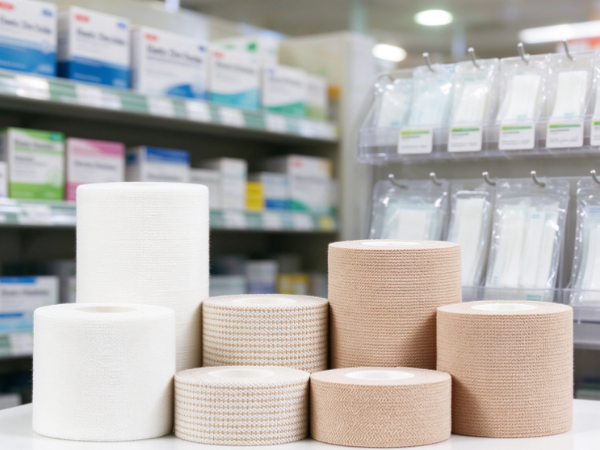
An elastic zinc oxide adhesive bandage can help hold wound dressings in position while accommodating movement around certain body areas. Its role is different from that of an absorbent dressing, which manages wound fluid or covers the injured tissue. The two products may work together, but they are not interchangeable.
This distinction matters in both clinical settings and medical supply purchasing. A product may look suitable on the shelf yet have limitations related to skin contact, flexibility, adhesion, or removal. Understanding these details helps healthcare providers and buyers choose a bandage that fits the intended use rather than relying on the product name alone.
What Role Does an Elastic Zinc Oxide Adhesive Bandage Play in Wound Care?
An elastic zinc oxide adhesive bandage typically combines a flexible fabric backing with an adhesive layer containing zinc oxide. The backing helps the material adapt to body contours, while the adhesive keeps it attached when used according to the manufacturer's instructions.
Its practical role often begins after the primary dressing has been selected. A wound may need a suitable covering, but that covering also needs to stay in place during ordinary movement. An adhesive bandage can help secure the arrangement without replacing the material that directly covers the wound.
This is particularly relevant around joints and other areas where skin moves frequently. A rigid tape may wrinkle or pull as the body bends, while an elastic backing may accommodate some movement. The actual degree of flexibility varies by product, so the word elastic alone does not establish how well a bandage will perform in a particular location.
There is another point worth checking: zinc oxide in the adhesive does not automatically make a product a wound-healing treatment. Its intended function depends on the complete formulation, construction, and authorized use. Buyers should look at the product labeling rather than infer medical benefits from one ingredient.
Some products are intended for use on intact skin only. If direct contact with an open wound is not specifically permitted, the bandage should be used to secure an appropriate dressing instead.
How Can It Help Keep a Dressing in Place During Daily Activities?
A dressing may fit well when first applied but become less secure as the wearer moves. Sweat, friction from clothing, skin oils, and repeated bending can all affect how an adhesive product behaves.
An elastic zinc oxide adhesive bandage can help maintain dressing placement in suitable applications. This may reduce the need for repeated adjustments, particularly when the covered area is exposed to regular movement.
The benefit is practical rather than dramatic. Caregivers may find it easier to manage a dressing when its securing material stays in place, and patients may experience fewer interruptions caused by loose edges. However, the bandage cannot correct every problem. If a primary dressing is too small, unsuitable for the wound, or saturated with fluid, changing the securing tape will not address the underlying issue.
Application technique also makes a difference. Uneven tension can cause the material to pull on the skin, while folds may create pressure or allow the edges to lift. Applying more adhesive material is not necessarily the answer.
A better approach is to consider the complete dressing arrangement: the wound covering, the securing method, the body area, and the amount of movement expected before the next dressing check.
Why Do Flexibility and Adhesion Need to Work Together?
Flexibility and adhesion are often discussed separately when medical adhesive products are compared. In use, however, they affect one another.
A bandage that adheres well but cannot accommodate the movement of the surrounding skin may create pulling or discomfort. On the other hand, a highly flexible material may not provide the stability needed for every dressing arrangement. The suitable balance depends on the application.
Skin condition is another important factor. Stronger adhesion is not automatically better, especially for people with fragile skin or a history of reactions to adhesive products. Removing a firmly attached bandage may cause discomfort or skin injury if the product is unsuitable or removed incorrectly.
Environmental conditions can complicate matters. Moisture, perspiration, body hair, and skin oils may reduce attachment. This is one reason a bandage that works well in one setting may perform differently during a busy workday or in a warm environment.
Healthcare providers generally need to consider more than whether the adhesive holds. They also need to think about the condition of the surrounding skin, the frequency of dressing changes, and the ease of removal.
For buyers, these considerations are useful when comparing product descriptions. Backing material, adhesive properties, intended use, and application instructions should be reviewed together rather than treating one feature as the deciding factor.
Is an Elastic Zinc Oxide Adhesive Bandage Suitable for Every Wound?
No single securing product suits every wound care situation. The wound's condition, the surrounding skin, and the type of primary dressing all influence the choice.
For a minor cut or abrasion, an adhesive bandage may help hold a separate dressing in place if the product is intended for that use. The wound still needs appropriate cleaning and coverage according to relevant care guidance.
Wounds that produce fluid require particular attention. The primary dressing must be able to manage the fluid, and it should be changed as directed. An elastic adhesive bandage can help secure that dressing, but it cannot absorb fluid simply because it is wrapped around the area.
More complex wounds need a different level of consideration. Surgical wounds, persistent ulcers, deep injuries, and wounds associated with poor circulation may require professional assessment and a specific care plan. Choosing a bandage based only on flexibility or adhesion can overlook the more important clinical requirements.
The surrounding skin also affects the decision. Fragile, inflamed, or damaged skin may not tolerate an adhesive product that would be acceptable elsewhere. An alternative securing method may be more appropriate.
| Wound Care Situation | Potential Role | What to Consider |
|---|---|---|
| Minor cuts or abrasions | Securing a separate dressing | Confirm the product's intended use |
| Areas that move frequently | Helping maintain dressing position | Avoid excessive tension and restricted movement |
| Wounds with fluid discharge | Holding a suitable primary dressing | Check the dressing and replace it as directed |
| Fragile or sensitive skin | Securing materials when appropriate | Consider irritation and skin injury risks |
| Persistent or complex wounds | Supporting a clinician-selected dressing arrangement | Follow professional wound care guidance |
Signs such as increasing redness, swelling, warmth, worsening pain, unusual discharge, or fever may require medical evaluation. A bandage should not be used to hide these changes or delay care.
What Should Users Know About Skin Compatibility and Removal?
Adhesive-related skin problems can develop gradually. Repeated application and removal may leave the surrounding area irritated, particularly when the skin is already affected by moisture, inflammation, or frequent dressing changes.
The presence of zinc oxide does not guarantee that an elastic zinc oxide adhesive bandage will suit sensitive skin. Reactions depend on the complete adhesive formulation, individual sensitivity, and how the product is applied and removed.
Skin preparation needs a balanced approach. The application area should be prepared according to the product instructions, and the adhesive generally needs a suitable surface to attach properly. Yet aggressive cleaning or repeated rubbing can cause additional irritation.
Removal deserves just as much attention as application. Pulling the bandage off quickly may stress the skin, especially when it is fragile. Following the manufacturer's removal guidance can help reduce unnecessary pulling. If a user repeatedly experiences itching, burning, persistent redness, or swelling, the product should be reassessed and medical advice sought when appropriate.
In practice, a bandage that stays attached throughout the day is not necessarily the most suitable option if removal repeatedly damages the skin. Ease of removal and skin tolerance belong in the selection process alongside adhesion.
What Should Medical Supply Buyers Check Before Purchasing?
For medical supply distributors, clinics, and purchasing teams, product selection involves more than comparing sizes or packaging. The intended use needs to be clear before the product enters routine use.
A bandage designed to secure a dressing on intact skin may not be suitable for direct contact with an open wound. Similar-looking products can also differ in backing materials, adhesive formulation, application guidance, and intended use. These differences should be checked against the manufacturer's documentation.
Buyers can start with a few practical questions:
- Is the product intended for dressing fixation, support, or another specified purpose?
- Is it suitable for intact skin only, or is direct wound contact permitted?
- What guidance is provided for application, removal, and skin monitoring?
- Are the backing and adhesive appropriate for the intended care setting?
- What storage conditions and shelf-life information appear on the packaging?
- Does the labeling meet the requirements of the market where the product will be supplied?
Documentation matters after purchasing as well. Clear product identification, batch information where applicable, and traceability records can help organizations manage inventory and investigate product-related concerns.
Buyers should also be careful with claims about healing, antimicrobial activity, or suitability for particular patient groups. Such claims need appropriate evidence and must be consistent with the product's authorized purpose. A product name or ingredient list is not enough to establish these effects.
Price remains a purchasing consideration, but comparing price alone may overlook practical differences that affect everyday use. A more useful evaluation considers the product's intended function, skin compatibility, handling requirements, and the documentation available to support its use.
How Do Storage and Application Practices Affect Performance?
Adhesive products can be affected by the conditions in which they are stored. Heat, moisture, direct sunlight, or damaged packaging may compromise some products, depending on their construction. The manufacturer's storage instructions should therefore be followed rather than assuming that all medical bandages have the same requirements.
Before application, users should check the packaging and product condition. The bandage should be handled with clean hands, and an appropriate primary dressing should be used when the wound requires one. The adhesive material should be positioned carefully without unnecessary folds or excessive tension.
A common practical mistake is to pull the bandage too tightly in an effort to make it stay in place. This can place unwanted tension on the skin and may restrict normal movement or circulation. Numbness, tingling, unusual swelling, changes in skin color, or increasing pain after application warrant prompt reassessment. If symptoms are severe or persist, medical help should be sought.
The dressing arrangement also needs regular attention. If a dressing becomes wet, dirty, loose, or damaged, it may need to be replaced according to the care instructions. Users should inspect the surrounding skin and watch for changes in the wound rather than relying solely on whether the adhesive remains attached.
In healthcare facilities, consistent procedures can make daily care easier to manage. Staff should have access to clear instructions on storage, application, inspection, removal, and disposal. These routine details may seem minor, but they help reduce avoidable variation in product use.
An elastic zinc oxide adhesive bandage is one part of a wider wound care arrangement. Its suitability depends on the intended application, the condition of the skin, and how well it works alongside the primary dressing and the overall care plan.