


 English
 中文简体
中文简体
 Español
 عربى
عربى
 Français
 Português
Cotton Athletic Tape
Cotton Sports Tape
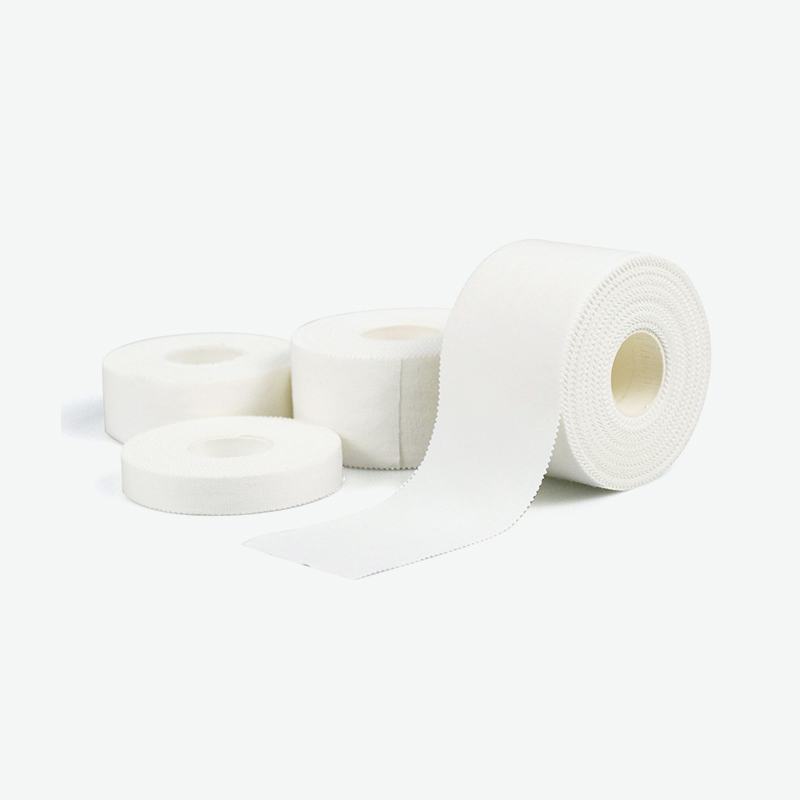
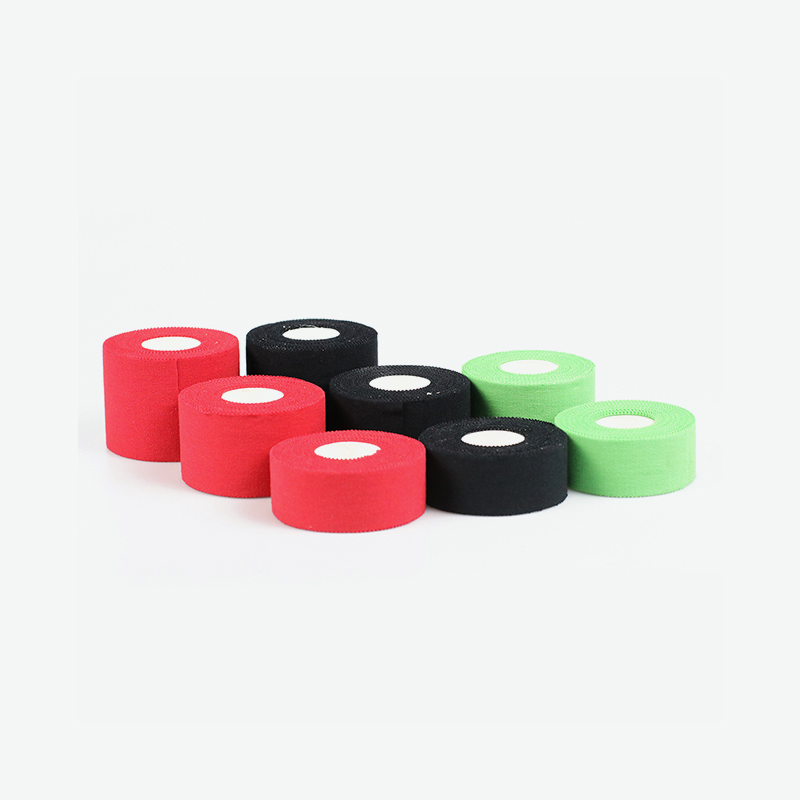
Cotton athletic tape is a tape designed specifically for athletic settings. It offers a variety of properties and advantages, making it widely used in sports protection and medical applications. Its core features are high strength and low (or almost no) elasticity, providing strong support and restrictive protection. It is a classic product in sports protection and rehabilitation.
Applications:
- Joint fixation and support;
- Sports rehabilitation: In physical therapy, sports therapists often use it to help patients stabilize injured joints and perform rehabilitation training within a reasonable range.
- Other uses: It is also sometimes used to secure bandages, gauze, and other dressings. Advantages: Latex-free design. Convenient and easy to use, with serrated edges for easy tearing.
About Us
Wenzhou Zhusi Medical Supplies Co., Ltd.
Wenzhou Zhusi Medical is a cotton sports tape factory for strapping tape solutions. We specialize in breathable cotton athletic tape, providing professional care solutions for clients in the fields of sports, medical care, personal care, animal health, tattoos, and beauty. Through technology and innovation, we strive to enable everyone in the world to enjoy a healthy and fulfilling life.
Our Mission:
We strive to achieve both material and spiritual well-being for all employees, spread love and health, and promote the accessibility of healthcare products to everyday families.
Our Vision:
To become a renowned company recognized by customers, respected by society, and ensuring employee well-being.
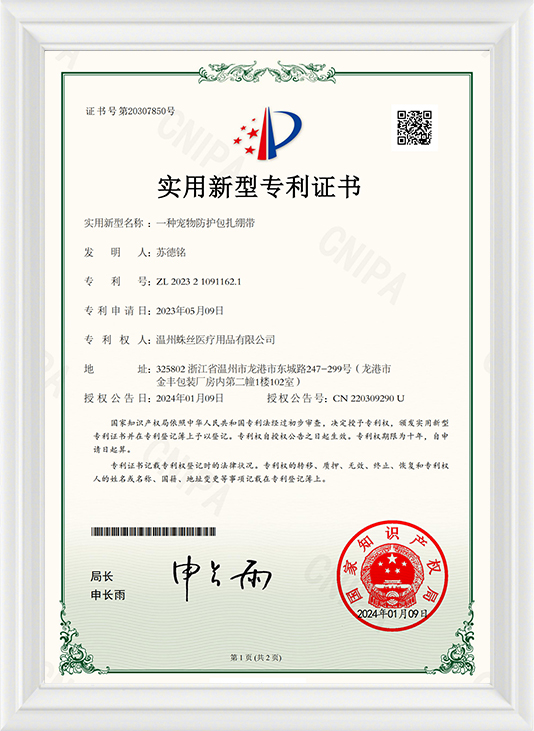
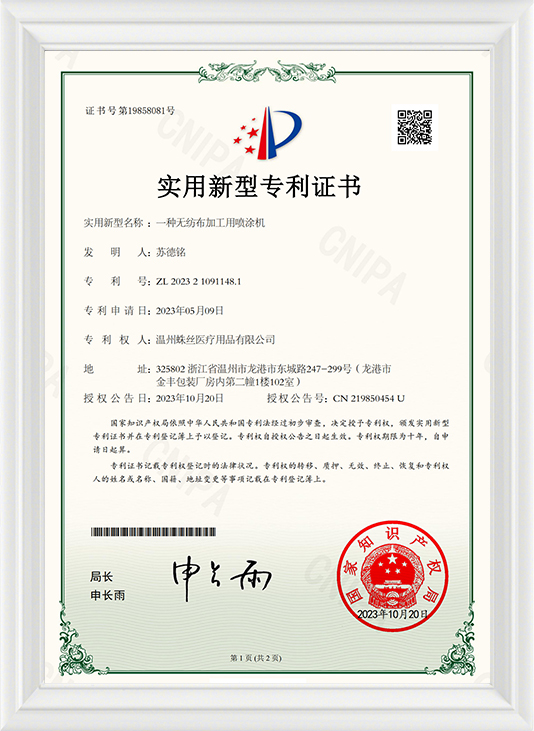
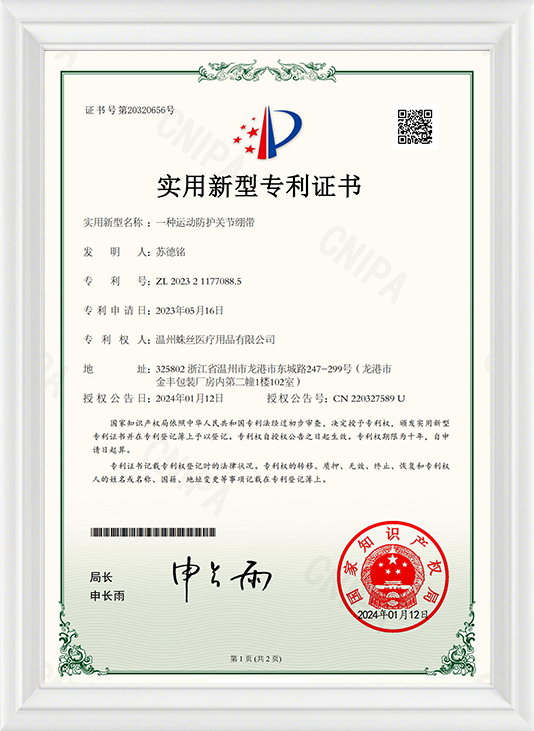
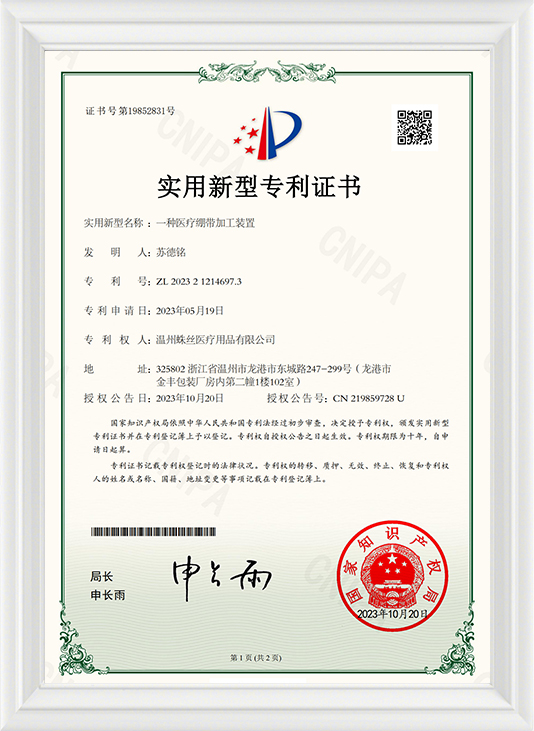
Certificate Of Honor
News
-
Sports taping is often treated as a simple wrapping task, but the material placed closest to the skin can influence how the outer tape feels...
READ MORE -
A bandage placed around a joint has to deal with constant changes in the shape of the skin. When an ankle bends, a wrist turns, or a knee fl...
READ MORE -
A cohesive bandage can look simple to use. It stretches, wraps around an area, and holds against itself without needing ordinary adhesive on...
READ MORE -
A bandage may look simple, but its performance depends on how it behaves after it has been wrapped around the body. It needs to remain in po...
READ MORE
Message Feedback
Cotton Sports Tape: Materials, Types, Uses and Selection Guide
Cotton sports tape is a fabric-backed tape used in athletic training, sports care and selected healthcare applications. Depending on its construction, it may be used for structured strapping, securing padding, wrapping fingers or providing external support during physical activity.
The term does not refer to one standardized product. Some cotton tapes are rigid and designed for firm strapping, while others contain elastic fibers and move more readily with the body. Adhesive systems, fabric density, hand-tear performance and roll dimensions also vary between products.
What Is Cotton Sports Tape?
Cotton sports tape is an adhesive tape made with a cotton or cotton-rich textile backing. It is commonly supplied in rolls and may be applied using strips, anchors or overlapping wrap patterns.
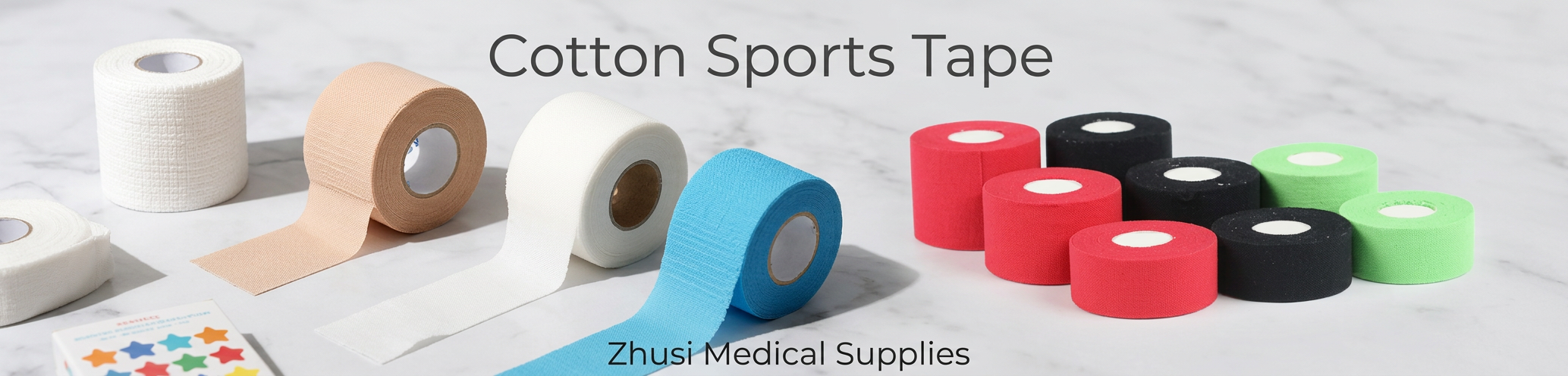
Typical applications include:
- Athletic strapping
- Wrapping fingers and thumbs
- Securing protective padding
- Holding dressings or underwrap in position
- Providing external support around selected joints
- Wrapping sports equipment
- Supporting sports-care and physiotherapy routines
Cotton is used because woven fabric can provide a useful balance of strength, conformity and tactile comfort. However, the performance of a cotton tape cannot be determined by fiber content alone.
Other important variables include:
- Fabric weave and density
- Backing thickness
- Tensile strength
- Machine-direction and cross-direction stretch
- Adhesive type
- Adhesive coating weight
- Edge construction
- Roll unwind force
- Water and perspiration response
- Storage stability
Cotton sports tape should not automatically be described as hypoallergenic, skin-friendly or suitable for prolonged wear. Such claims require evidence from the complete finished product, especially its adhesive system.
Main Types of Cotton Sports Tape
Cotton-backed tapes can be produced in rigid, elastic, pre-cut or specialized constructions. Products with similar appearances may behave differently during application.
| Tape Type | Typical Construction | Key Characteristic | Common Application |
| Rigid cotton athletic tape | Woven cotton with pressure-sensitive adhesive | Low stretch and firm strapping | Ankles, wrists, fingers and sports equipment |
| Zinc oxide sports tape | Cotton or rayon fabric with zinc oxide adhesive | Strong tack and structured support | Traditional athletic taping |
| Elastic cotton tape | Cotton or cotton-blend elastic fabric | Extends with movement | Flexible wrapping and selected support applications |
| Kinesiology-style cotton tape | Elastic woven backing with patterned adhesive | High longitudinal elasticity | Movement-compatible taping methods |
| Cotton lifting tape | Strong cotton backing with controlled adhesion | Designed for grip-area wrapping | Fingers, thumbs and hands |
| Pre-cut cotton tape | Rigid or elastic tape supplied in prepared shapes | Faster and more consistent application | Fingers, small joints or application-specific kits |
A cohesive bandage is usually treated as a separate category. It adheres primarily to itself, while conventional cotton sports tape uses a pressure-sensitive adhesive that bonds to skin, underwrap, fabric or equipment.
Product names are not always consistent across suppliers. Buyers should confirm measurable properties rather than relying on terms such as professional tape, support tape or heavy-duty sports tape.
How Cotton Backing Construction Affects Performance
The cotton backing forms the structural body of the tape. Its yarn, weave and finishing method influence strength, flexibility, tearing and adhesive penetration.
Fabric composition
Some products use 100% cotton, while others combine cotton with rayon, polyester, spandex or other fibers.
- Cotton-rich fabrics provide a natural textile feel and can absorb moisture.
- Rayon blends may change softness, strength and surface uniformity.
- Polyester fibers can improve dimensional consistency and reduce moisture absorption.
- Elastic fibers provide controlled extension and recovery.
A blended backing is not necessarily lower quality than a 100% cotton construction. The appropriate composition depends on the required stretch, strength, moisture response and production method.
Weave density
A tightly woven fabric generally offers higher structural stability and a smoother coating surface. A more open weave may improve airflow but can allow greater adhesive penetration.
If adhesive penetrates too deeply into the backing, the tape may develop:
- An uneven outer surface
- Reduced adhesive availability on the skin-facing side
- Difficult or inconsistent unwinding
- Changes in stiffness
- Adhesive transfer between layers
Fabric density and adhesive viscosity should therefore be developed together.
Tensile strength and hand tearing
Rigid athletic tape often needs enough tensile strength to remain intact during application and activity. At the same time, medical personnel, trainers and athletes may prefer a tape that can be torn by hand.
These requirements must be balanced. A very strong fabric can be difficult to tear, while an overly tearable backing may split unexpectedly under tension.
Hand-tear performance is affected by:
- Yarn direction
- Edge design
- Fabric density
- Backing treatment
- Tape width
- Adhesive coating
- Cutting or serration method
Elasticity and recovery
Rigid cotton strapping tape should have limited stretch. Elastic cotton tapes are designed to extend, but their performance depends on both elongation and recovery.
A tape that stretches significantly but does not return toward its original length may become loose or permanently deformed. For elastic products, buyers should review:
- Maximum elongation
- Working elongation range
- Elastic recovery
- Stretch direction
- Force required to achieve a specified extension
- Performance after repeated movement
Adhesive Systems Used on Cotton Sports Tape
The adhesive controls initial tack, holding performance, unwind behavior and removal characteristics. It also has a major influence on skin tolerance.
Zinc oxide adhesive
Zinc oxide adhesive is widely associated with traditional rigid sports strapping tape. It is often formulated using a natural or synthetic rubber-based pressure-sensitive adhesive.
Potential characteristics include:
- Strong initial tack
- Reliable bonding to fabric or underwrap
- Firm hold during short-term sports use
- Compatibility with woven cotton backings
The presence of zinc oxide does not by itself prove that a tape is hypoallergenic or appropriate for sensitive skin. Finished-product testing and regulatory requirements remain relevant.
Acrylic adhesive
Acrylic pressure-sensitive adhesives are often used on elastic and kinesiology-style cotton tapes. Formulations can be adjusted for tack, wear time, moisture response and removal.
The adhesive may be applied in:
- Full-surface coatings
- Wave patterns
- Stripes
- Dots or other patterned structures
Pattern coating can influence flexibility, moisture-vapor movement and skin contact area. It does not automatically establish breathability or therapeutic performance.
Rubber-based adhesive
Natural or synthetic rubber adhesives can provide strong initial adhesion and practical processing performance. Relevant considerations include aging stability, residue, odor, sensitization risks and compatibility with the intended market.
If natural rubber latex is present, appropriate labeling and regulatory evaluation may be required.
Cohesive coating
Cohesive wraps contain a coating that allows overlapping layers to bond to one another. They are not the same as conventional skin-facing adhesive tapes.
These products are useful for overwrapping and securing padding, but they must be applied with controlled tension. Excessive wrapping pressure can affect comfort and circulation.
Rigid Cotton Tape vs Elastic Cotton Tape
The most important difference between rigid and elastic cotton tapes is how they respond to movement.
| Feature | Rigid Cotton Tape | Elastic Cotton Tape |
| Backing structure | Dense woven cotton or cotton blend | Elastic woven or knitted fabric |
| Stretch | Low or minimal | Controlled extension |
| Application style | Structured strips and strapping patterns | Flexible strips or overlapping wraps |
| Movement response | Limits movement more noticeably | Follows body movement more closely |
| Typical use | Traditional athletic strapping and equipment taping | Flexible support and movement-compatible applications |
| Wear conditions | Often activity-specific or short term | Depends on adhesive and product instructions |
| Removal | Usually removed after use as directed | Requires controlled removal to reduce skin stress |
Rigid tape and elastic tape are not interchangeable. Selection should be based on the application method and required movement response.
Sports Strapping Tape vs Injury Support Tape
Sports strapping tape usually refers to rigid or semi-rigid tape used in structured athletic taping. Injury support tape is a broader marketing phrase and may describe rigid tape, elastic tape, kinesiology tape or cohesive wrap.
| Feature | Sports Strapping Tape | Injury Support Tape |
| Meaning | Usually a recognizable rigid-tape category | Broad, non-standardized description |
| Typical elasticity | Low or limited | Rigid or elastic, depending on the product |
| Common backing | Woven cotton or rayon | Cotton, synthetic fabric, nonwoven or film |
| Application | Structured athletic taping | Varies by intended use |
| Product definition | Should state backing and adhesive | Requires further specification |
Because “injury support tape” is not a single technical category, a product listing should also specify:
- Rigid or elastic construction
- Backing composition
- Adhesive type
- Width and length
- Intended application
- Wear conditions
- Required warnings
- Supporting evidence for performance claims
Tape should not be presented as a cure for an injury or a substitute for medical diagnosis.
Common Cotton Sports Tape Sizes
Tape width affects application accuracy, coverage and bulk. Common widths include:
| Tape Width | Typical Application |
| 1.25 cm | Fingers, toes and detailed taping |
| 2.5 cm | Fingers, thumbs, wrists and smaller areas |
| 3.8 cm | General athletic strapping |
| 5 cm | Ankles, wrists and larger body areas |
| 7.5 cm | Broad coverage and selected bandage applications |
Roll length varies by market and product category. Common specifications may include shorter rolls for individual use and longer rolls for clinics, teams or professional sports environments.
Buyers should define:
- Finished width
- Roll length
- Core diameter
- Maximum roll diameter
- Metric or imperial labeling
- Individual wrapping
- Rolls per box
- Boxes per carton
Nominal dimensions should also be linked to an agreed tolerance.
Common Application Areas
Cotton sports tape may be used on different body areas, but the tape type and application technique should match the intended purpose.
Fingers and thumbs
Narrow cotton tape is commonly used in weightlifting, climbing, gymnastics and ball sports. Important properties include hand tearing, resistance to friction, low bulk and stable adhesion.
Wrists
Rigid strapping tape may be applied in structured patterns, while elastic products may be used where greater movement is required. Tape should not be wrapped so tightly that it causes numbness, tingling or color changes.
Ankles
Ankle taping often uses wider rigid athletic tape with anchors and supporting strips. Correct application requires appropriate training because poorly placed or excessively tight tape can create discomfort.
Knees and elbows
Rigid, elastic or kinesiology-style tapes may be used depending on the selected technique. Joint movement and skin folding should be considered when placing tape around these areas.
Shoulders and larger muscle areas
Wider elastic tape is more common where the material needs to follow a broad or highly mobile surface. Rigid cotton tape may be used in selected structured techniques under professional guidance.
The body area alone does not determine the correct tape. The user’s condition, activity, application method and product instructions must also be considered.
Safety and Skin Considerations
Cotton is only the backing material. Skin response is often influenced more strongly by the adhesive, wear duration, application tension, perspiration and removal method.
General precautions include:
- Do not apply ordinary sports tape directly over open wounds.
- Avoid taping infected, irritated or severely damaged skin.
- Do not wrap a limb or joint with excessive tension.
- Stop use if itching, burning, rash, numbness or swelling occurs.
- Follow the stated wear time.
- Do not reuse single-use adhesive tape.
- Remove wet, contaminated or damaged tape as directed.
- Seek professional advice for serious injuries, persistent pain or reduced movement.
Users with known adhesive or latex sensitivities should review the material declaration. Terms such as hypoallergenic, latex-free and suitable for sensitive skin should only appear when supported by the product formulation and relevant documentation.
Cotton sports tape cannot guarantee injury prevention, pain relief or faster recovery. Such outcomes depend on the user, condition, taping method and broader care plan.
Manufacturing and Converting Considerations
Cotton sports tape production typically involves fabric preparation, adhesive coating, drying or curing, rewinding, slitting and packaging.
Fabric preparation
The cotton or blended fabric is inspected for weight, width, weave consistency, surface defects and tensile properties. It may undergo bleaching, coloring, priming or another surface treatment.
Adhesive coating
The adhesive is applied at a controlled coating weight. Coating uniformity influences adhesion, roll appearance and unwind consistency.
The manufacturer must also control adhesive penetration into the woven backing. Excessive penetration can reduce surface tack or increase stiffness.
Drying and stabilization
Solvent-based, water-based and hot-melt systems require different processing conditions. Drying or cooling must be sufficient before the coated web is rewound.
Slitting and rewinding
The wide coated material is converted into finished roll widths. Knife condition, web tension and rewind pressure affect edge quality and roll shape.
Common defects include:
- Frayed edges
- Uneven roll width
- Telescoping
- Loose winding
- Adhesive transfer
- Inconsistent unwind
- Crushed cores
Packaging
Finished rolls may be individually wrapped, placed in printed boxes or packed in bulk cartons. Packaging should protect the tape from dust, moisture, heat and prolonged light exposure.
Frequently Asked Questions About Cotton Sports Tape
What is cotton sports tape?
Cotton sports tape is a woven fabric-backed tape used for athletic strapping, finger wrapping, securing padding and other sports-care applications. It may be rigid or elastic depending on its construction.
Is cotton sports tape the same as kinesiology tape?
No. Traditional cotton athletic tape usually has little stretch, while kinesiology tape uses an elastic backing designed to extend with movement.
Is all cotton sports tape made from 100% cotton?
No. Some products use pure cotton, while others combine cotton with rayon, polyester or elastic fibers. Fiber composition should be confirmed in the technical specification.
What adhesive is used on cotton sports tape?
Common systems include zinc oxide rubber-based adhesive and acrylic adhesive. The appropriate option depends on backing type, wear conditions and intended application.
Can cotton sports tape be torn by hand?
Many rigid athletic tapes are designed for hand tearing, but this depends on fabric density, edge treatment and tape width. Elastic products may require scissors.
Is cotton sports tape breathable?
Woven cotton can allow air movement, but actual breathability depends on the fabric density, adhesive coverage and complete construction. Cotton content alone does not prove breathability.
Is cotton sports tape hypoallergenic?
Not automatically. Skin tolerance depends largely on the adhesive and finished-product formulation. Hypoallergenic claims require suitable supporting evidence.
Can cotton sports tape prevent injury?
Tape may be used as one part of an athletic support strategy, but it cannot guarantee injury prevention. Technique, conditioning, equipment and professional assessment also matter.
How should cotton sports tape be stored?
It should be kept in its original packaging in a cool, dry place away from sunlight, excessive heat, moisture and contamination. Follow the manufacturer’s specified shelf-life conditions.

“This website is for users outside of China.”
Copyright © 2025 Wenzhou Zhusi Medical Supplies Co., Ltd. All Reserved. Approval No:浙温械备20250002 & 浙温械备 20190061 号 & 浙温药监械生产备20190011号
Cotton Athletic Tape Supplier
