


 English
 中文简体
中文简体
 Español
 عربى
عربى
 Français
 Português
Waterproof PE Tape
Sports taping is often treated as a simple wrapping task, but the material placed closest to the skin can influence how the outer tape feels...
READ MOREinformation to be updated
PE tape also known as polyethylene film tape (Polyethylene Tape), is usually referred to as transparent breathable film tape or waterproof breathable tape. It is made from a very thin layer of polyethylene (PE) film as the base material. A medical-grade pressure-sensitive adhesive is coated on it, and millions of tiny pores are punched out on the film through advanced technology. These pores are the key to its "breathability" function. Main features and advantages:
Transparent and invisible: This is the obvious characteristic. The PE film is transparent and, after application, it is almost invisible, making it aesthetically pleasing and facilitating observation of the wound under the dressing without the need for frequent tearing for inspection.
Waterproof and antibacterial: The PE film itself forms a good physical barrier, blocking the entry of water, bacteria, and other contaminants into the wound, maintaining the dryness and cleanliness of the dressing.
High elasticity and adhesion: It has good longitudinal and transverse elasticity, allowing it to stretch freely like skin. This enables it to fit joints (such as fingers, elbows, knees) and other movable areas, and it is unlikely to come off or wrinkle due to movement.
Breathability: The tiny pores on the film allow air and water vapor to pass through, evaporating sweat and preventing the skin from becoming damp, pale, or itchy (maceration).
Relatively painless removal: Its adhesive design is of medium strength, and the pain during removal is lower, being more friendly to the skin.
Main applications:
Fixing intravenous catheters/infusion needles: This is its widespread application in hospitals. The transparency makes it easy to observe the needle eye, the elasticity adapts to hand movements, and the waterproof property makes it convenient for patients' daily lives.
Fixing postoperative dressings: Used for covering and fixing wounds after surgery, it can both protect the wound and facilitate observation of the healing process.
Fixing catheters: Such as fixing PICC tubes, urinary catheters, etc.
Fixing joints: For joints that are difficult to fix, such as elbows, knees, and fingers.
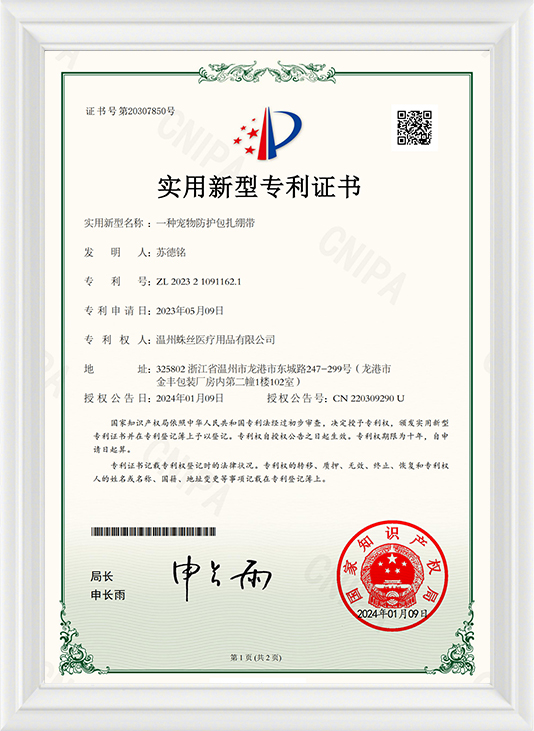
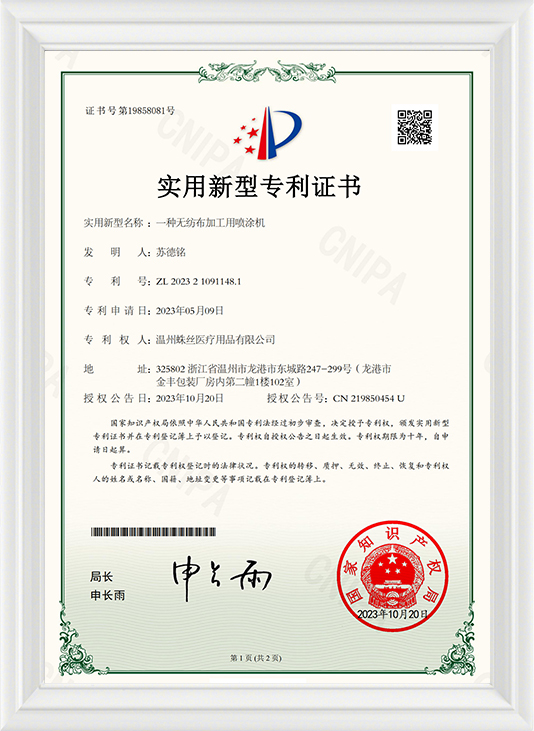
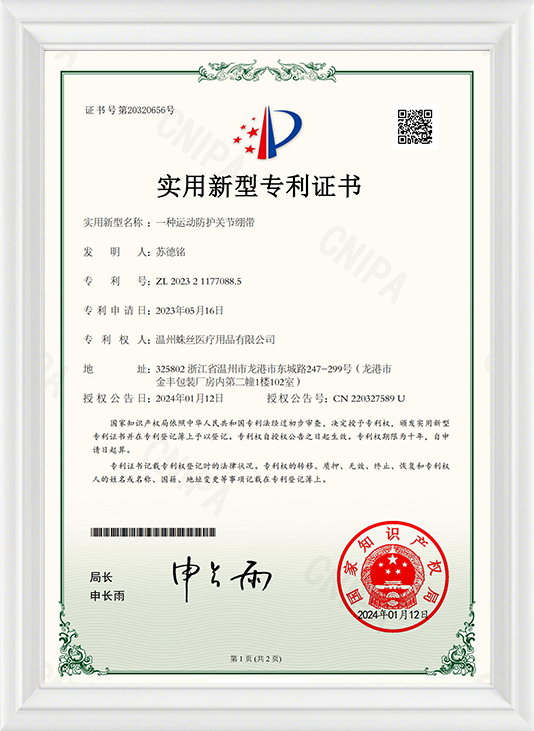
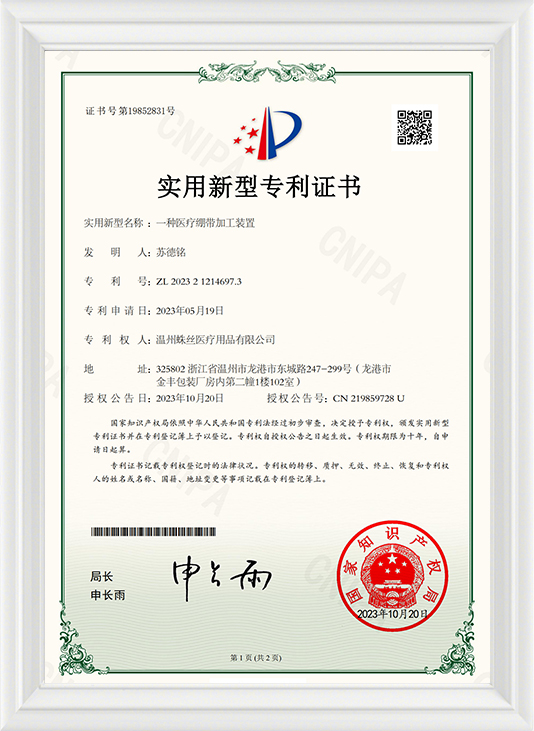
Wenzhou Zhusi Medical is a PE film tape manufacturer with breathable and waterproof performance. We specialize in custom waterproof PE film tape, providing professional care solutions for clients in the fields of sports, medical care, personal care, animal health, tattoos, and beauty. Through technology and innovation, we strive to enable everyone in the world to enjoy a healthy and fulfilling life.
Our Mission:
We strive to achieve both material and spiritual well-being for all employees, spread love and health, and promote the accessibility of healthcare products to everyday families.
Our Vision:
To become a renowned company recognized by customers, respected by society, and ensuring employee well-being.
Sports taping is often treated as a simple wrapping task, but the material placed closest to the skin can influence how the outer tape feels...
READ MOREA bandage placed around a joint has to deal with constant changes in the shape of the skin. When an ankle bends, a wrist turns, or a knee fl...
READ MOREA cohesive bandage can look simple to use. It stretches, wraps around an area, and holds against itself without needing ordinary adhesive on...
READ MOREA bandage may look simple, but its performance depends on how it behaves after it has been wrapped around the body. It needs to remain in po...
READ MOREPolyethylene is one of those materials that hides in plain sight. It is in shopping bags, bottle caps, and the thin film around a new phone. Turn it into a tape backing, add a layer of adhesive, and you get something that feels quite different from paper or cloth tape: smooth, a little springy, and easy to wipe clean.
Two products from our line get asked about most often: Waterproof PE Tape and Polyethylene Adhesive Tape. They come off similar extrusion lines and share the same base polymer, yet they look and handle differently enough that people tend to develop a clear preference once they have used both. This page lays out what separates them, the styles we produce, and how people are putting them to work in studios, offices, and homes.
Polyethylene, usually shortened to PE, is a lightweight thermoplastic. When extruded into a thin film for tape, it ends up with a few consistent traits:
The difference between our two PE tapes comes mostly from how the film is finished after extrusion and how the adhesive layer is tuned.
Waterproof PE Tape
The backing on this style is calendered to a smooth, slightly glossy surface. Water beads on it rather than soaking in, and fingerprints wipe away with a dry cloth. It is the cleaner-looking of the two, with a finish that reads as "technical" rather than "crafty."
The film runs a touch softer, so it drapes over irregular shapes with little tension. Color options are deliberately limited: white, black, clear, and a small palette of solid tones that keep the clean look intact.
Polyethylene Adhesive Tape
This is our broader, more decorative family. The surface can be matte, semi-gloss, or lightly textured, and the film is a little firmer, which helps it lay down in straight lines without wandering. Because the finish takes color and print well, this is where most of the patterned, translucent, and custom-width variants live.
The table below summarizes how the two styles differ in material feel and presentation.
| Aspect | Waterproof PE Tape | Polyethylene Adhesive Tape |
| Base material | Polyethylene film | Polyethylene film |
| Surface finish | Smooth, slightly glossy | Matte, semi-gloss, or fine texture |
| Film feel | Soft, drapes easily | Firmer, holds a straight line |
| Color range | White, black, clear, limited solids | Wide: solids, patterns, translucents |
| Common widths | 2.5 cm, 5 cm, 7.5 cm | 1 cm to 10 cm, custom cuts available |
| Typical roll length | 10 m, 20 m | 5 m to 50 m |
| Form factor | Roll, occasional sheet | Roll, sheet, pre-cut strips |
The short version: Waterproof PE Tape is the minimalist, wipe-clean option. Polyethylene Adhesive Tape is the flexible canvas with far more visual variety.
Requests from design studios and stationery brands have pushed PE tape well beyond plain white rolls. The variants below are now regular items on our production schedule.
Solid colors
A run of eight to twelve standard shades, from muted greys and sand tones to saturated reds and blues. Because pigment is mixed into the film itself, the color is the same on the edge as on the face.
Patterned rolls
Thin stripes, grids, dots, and abstract geometrics printed onto matte PE. Print registration is tight enough that patterns line up when two strips are laid side by side.
Translucent film
A frosted or tinted clear that lets the underlying surface show through. Overlapping two translucent colors produces a third tone, which is why this variant shows up so often in layered artwork.
Custom widths
Master rolls are slit to order. Narrow 5 mm strips suit fine borders on planner pages; 10 cm widths cover large areas in a single pass.
We hear about new uses every season. The ones below come up repeatedly.
In the studio and craft room
In the office and workspace
Around the home
The tape industry is not usually described as fast-moving, but a few shifts have been noticeable on our order sheets over the past two years.
Recycled content
More requests specify a percentage of recycled polyethylene in the film. The finished tape is visually indistinguishable from virgin-film product, and the trend is likely to continue.
Tactile finishes
Fine-grain textures and soft-touch matte coatings are gaining ground over high gloss, especially for stationery and lifestyle brands.
Modular formats
Pre-cut strips, perforated rolls, and short 3 m "sampler" lengths in several colors, designed so a person can experiment without committing to a full roll.
Tape as a design element
Interior designers have started specifying wide PE tape for temporary wall stripes, shelf edges, and exhibition booths where a painted line would be too permanent.
Five quick questions usually settle the choice:
A few habits make PE tape look better in finished work:
PE tape is forgiving, but a few basics keep rolls in good shape:
Polyethylene is among the more widely recycled plastics, and film with recycled content is now a standard option on our lines. The lighter weight of PE tape compared with cloth or foam-backed alternatives also reduces material per meter. The bigger lever, in our experience, is thoughtful use: choosing the right width so less is trimmed away, and favoring reusable decorative applications over single-use ones.
Is Waterproof PE Tape the same as Polyethylene Adhesive Tape? They share the same polyethylene film base but differ in surface finish, film firmness, and color range. Waterproof PE Tape is glossy and softer; Polyethylene Adhesive Tape is matte or textured and firmer, with far more decorative variants.
Can PE tape be written on? Matte and semi-gloss Polyethylene Adhesive Tape takes permanent marker well. The glossy face of Waterproof PE Tape works with oil-based markers but may smear with water-based ink.
Does the color rub off? No. Pigment is mixed into the film during extrusion, so the color runs through the full thickness of the backing.
What widths are available? Standard slitting covers 1 cm to 10 cm. Narrower and wider cuts are produced to order from master rolls.
Is recycled polyethylene available? Yes. Film with a specified percentage of recycled PE content is a regular option and looks identical to virgin-film tape.
Waterproof PE Tape and Polyethylene Adhesive Tape started life as plain utility rolls. Today they sit on studio desks, line office shelves, and mark out exhibition walls. One offers a clean, glossy, wipe-down surface in a focused palette; the other opens up matte finishes, patterns, translucents, and custom widths. Between the two, most creative and organizational needs are covered with a material that is light, colorfast, and easy to work with.

“This website is for users outside of China.”
Copyright © 2025 Wenzhou Zhusi Medical Supplies Co., Ltd. All Reserved. Approval No:浙温械备20250002 & 浙温械备 20190061 号 & 浙温药监械生产备20190011号
Waterproof Polyethylene Film Tape Supplier
