


 English
 中文简体
中文简体
 Español
 عربى
عربى
 Français
 Português
Light Elastic Bandage
Light Elastic Adhesive Bandage
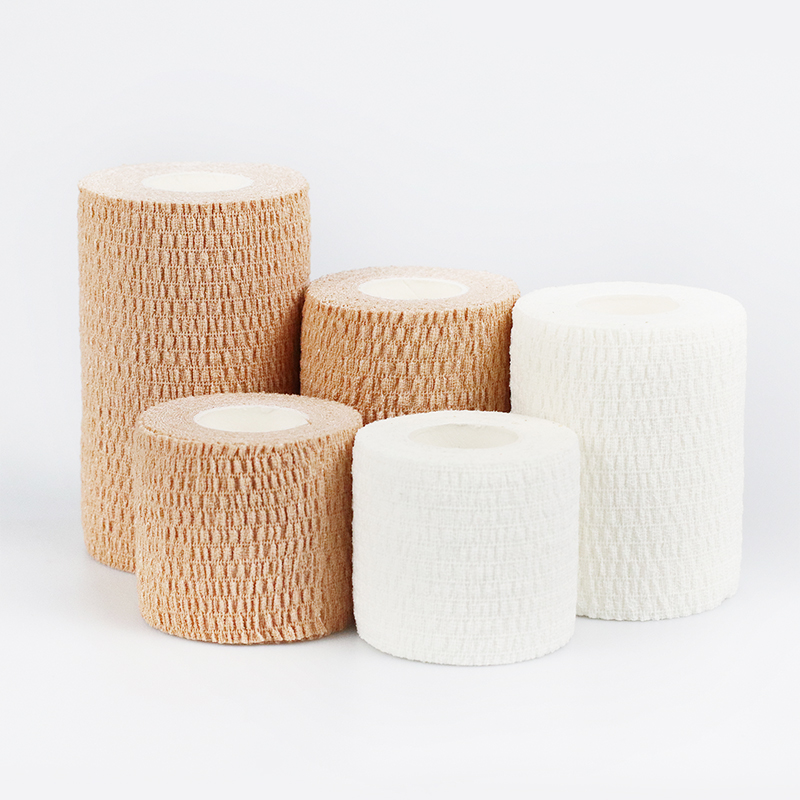
Light elastic adhesive bandage usually refers to a tubular or rolled bandage made of cotton, spandex (elastic fiber), or other elastic fibers. It is lightweight in texture and has good longitudinal and transverse elasticity, providing mild to moderate compression and support.
Key features: It is not rigid but offers a gentle, dynamic wrapping and support, allowing joints and muscles to move within the restricted range.
Main features and advantages:
- Good elasticity and compression: It can apply uniform and adjustable pressure to body parts, helping to reduce swelling and provide support.
- Breathable and comfortable: Mostly made of natural cotton or breathable materials, it is suitable for long-term wearing and is unlikely to cause skin overheating.
- Flexible to use: It can be used on multiple parts of the body, such as wrists, ankles, elbows, knees, etc.
About Us
Wenzhou Zhusi Medical Supplies Co., Ltd.
Wenzhou Zhusi Medical is a light elastic adhesive bandage supplier for medical, sports, and personal care. We specialize in wholesale custom adhesive bandage, providing professional care solutions for clients in the fields of sports, medical care, personal care, animal health, tattoos, and beauty. Through technology and innovation, we strive to enable everyone in the world to enjoy a healthy and fulfilling life.
Our Mission:
We strive to achieve both material and spiritual well-being for all employees, spread love and health, and promote the accessibility of healthcare products to everyday families.
Our Vision:
To become a renowned company recognized by customers, respected by society, and ensuring employee well-being.
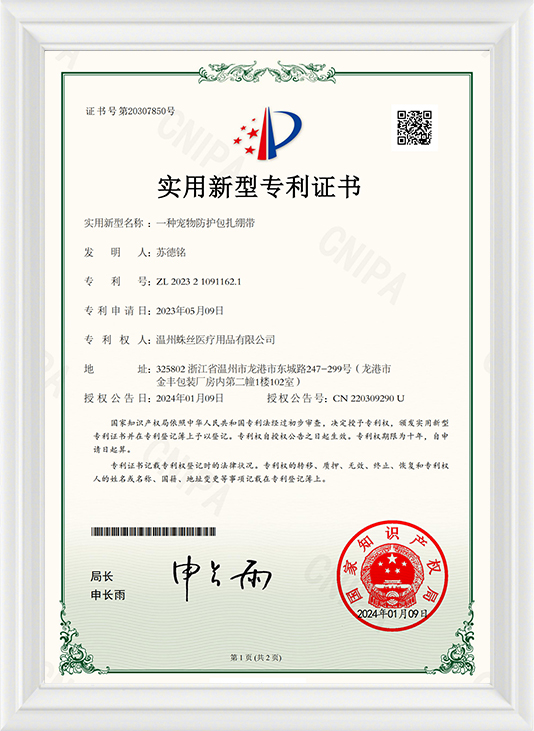
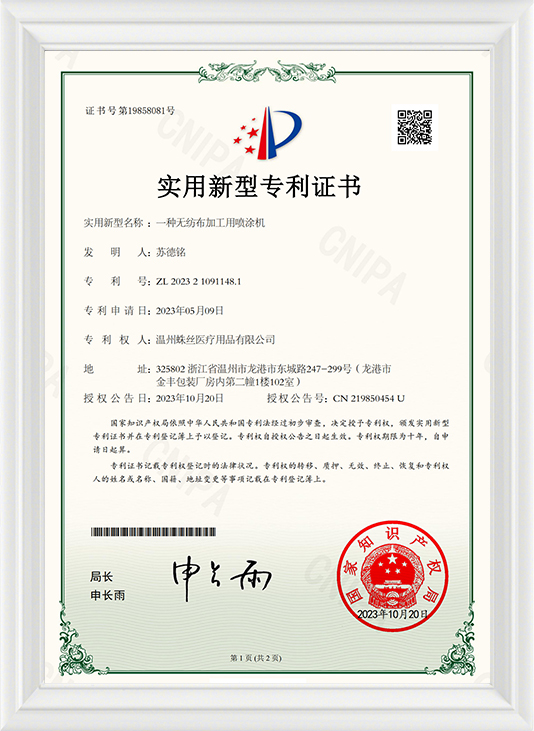
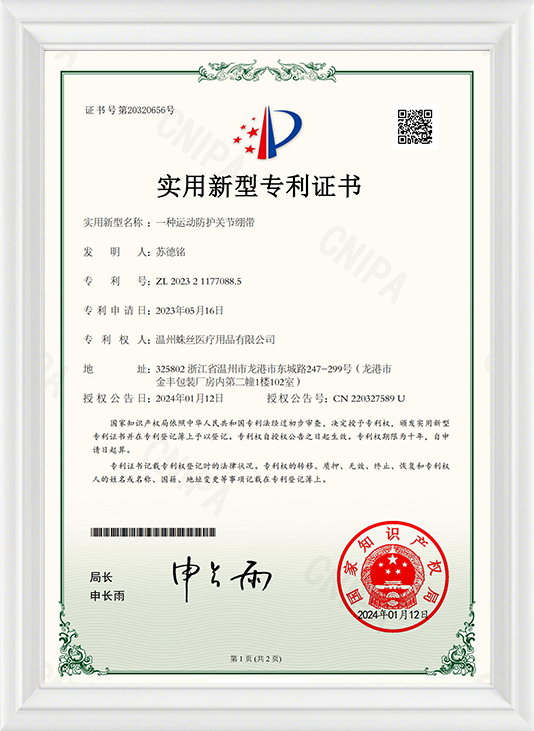
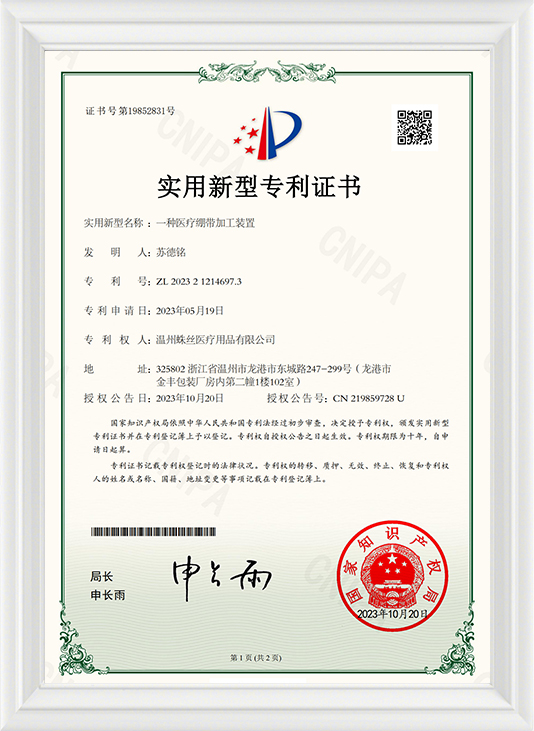
Certificate Of Honor
News
-
Sports taping is often treated as a simple wrapping task, but the material placed closest to the skin can influence how the outer tape feels...
READ MORE -
A bandage placed around a joint has to deal with constant changes in the shape of the skin. When an ankle bends, a wrist turns, or a knee fl...
READ MORE -
A cohesive bandage can look simple to use. It stretches, wraps around an area, and holds against itself without needing ordinary adhesive on...
READ MORE -
A bandage may look simple, but its performance depends on how it behaves after it has been wrapped around the body. It needs to remain in po...
READ MORE
Message Feedback
How to Choose Light Elastic Adhesive Bandages for Medical, Sports, First Aid and Veterinary Use
A light elastic adhesive bandage is a thin, stretchable fabric wrap with an adhesive coating on one side. It is designed to follow body contours, remain in position during movement and provide adjustable wrapping without the bulk associated with heavier support bandages.
Common backing materials include cotton, non-woven fabric, polyester blends and elastic yarn. The adhesive may be rubber-based, latex-free, hot melt or zinc oxide, depending on the intended application and market requirements.
The word "light" generally refers to the bandage's fabric weight, thickness and wrapping feel. It does not necessarily indicate weak adhesion. A lightweight backing can still be combined with a firm adhesive system when stable fixation is required.
Compared with a heavy elastic adhesive bandage, a light version usually offers:
- Less bulk when layers overlap
- Easier contouring around small or curved areas
- A softer and more flexible wrapping experience
- Lower finished roll weight
- More compact packaging
- Greater suitability for first-aid kits and retail sets
Light elastic adhesive bandages may be developed for:
- Compatible dressing fixation
- Sports taping
- First-aid kit assembly
- Rehabilitation product ranges
- Pharmacy retail
- Veterinary care
- Outdoor emergency kits
- Online healthcare sets
- Private-label medical supplies
- Promotional care products
A reliable product should unwind evenly, stretch smoothly and adhere consistently. It should also have clean edges, controlled roll tension and packaging that protects the adhesive from heat, dust and moisture.
Important specification points include:
- Base-fabric composition
- Fabric weight and thickness
- Stretch direction
- Maximum elongation
- Elastic recovery
- Adhesive type and coating weight
- Latex status
- Width and roll length
- Hand-tear performance
- Roll-winding tension
- Packaging and labeling requirements
Although these bandages may be used in healthcare-related settings, their exact claims must reflect the finished product’s intended purpose, supporting evidence and regulatory status.
Common Types of Light Elastic Adhesive Bandages
Light elastic adhesive bandages vary by fabric, stretch, adhesion and tear method. The right construction depends on the intended application.
Light Compression Adhesive Wrap
This thin, stretchable wrap provides close-fitting fixation without clips. Its low-bulk structure suits curved areas, but it should be applied with controlled tension to avoid discomfort.
Flexible Support Adhesive Bandage
A flexible support adhesive bandage follows areas such as wrists, ankles, elbows and knees. Woven and non-woven options are available with different stretch levels, colors and adhesive strengths.
Easy Tear Light Elastic Adhesive Bandage
Easy-tear versions can be separated by hand, making them useful in first-aid, sports, outdoor and veterinary settings. Tear quality depends on the fabric, coating and edge finish.
Strong Grip Light Elastic Adhesive Bandage
This type combines a lightweight backing with firmer adhesion to limit slipping and edge lifting. Holding power, residue and removal comfort should be checked during sampling.
Cotton Light Elastic Adhesive Bandage
Cotton or cotton-blend fabric offers a soft, breathable feel. Elastic fibers are usually added for stretch and recovery. Key specifications include cotton content, fabric weight and adhesive type.
Non-Woven Light Elastic Adhesive Bandage
Non-woven backing is light, flexible and suitable for large-scale production. It is often used in first-aid kits, dressing-fixation products and compact retail packs.
Latex-Free Light Elastic Adhesive Bandage
Latex-free options are available for product ranges with specific material requirements. The status of the adhesive, elastic fibers and other relevant components should be documented.
Colored Light Elastic Adhesive Bandage
Neutral colors suit traditional healthcare ranges, while bright shades are common in sports and veterinary products. Custom colors should be checked for consistency, colorfastness and compatibility with the adhesive.
Materials Used in Light Elastic Adhesive Bandage Manufacturing
The performance of a light elastic adhesive bandage depends on how the backing, elastic fibers and adhesive work together. Changing one component may alter softness, stretch, adhesion, breathability or shelf stability.
The following table summarizes common material choices.
| Material | Main Features | Cost Level | Suitable Applications | Notes for Sourcing |
| Cotton Fabric | Soft texture, breathability and textile feel | Medium to High | Healthcare, rehabilitation, pharmacy and premium support products | Confirm cotton percentage, fabric weight and weave |
| Non-Woven Fabric | Lightweight, flexible and cost-efficient | Low to Medium | First-aid kits, disposable packs and online sets | Check tear strength, elasticity and surface quality |
| Spandex / Elastic Fiber | Provides stretch and recovery | Medium | Flexible wrapping and support products | Fiber ratio affects elongation, recovery and cost |
| Polyester / Blended Fiber | Durable, dimensionally stable and economical | Low to Medium | Sports, retail healthcare and general wrapping | Often blended with cotton or elastic fibers |
| Latex Adhesive | Firm tack and stable holding performance | Medium | Sports taping and strong-grip fixation | Latex labeling may be required |
| Latex-Free Adhesive | Avoids natural rubber latex in the specified formula | Medium to High | Sensitive-contact and compliance-focused products | Confirm the status of all relevant components |
| Hot Melt Adhesive | Efficient coating and balanced production performance | Medium | General healthcare, retail and online ranges | Review temperature stability and residue |
| Zinc Oxide Adhesive | Firm adhesion commonly used in professional taping products | Medium to High | Sports and rehabilitation ranges | Evaluate wear, removal and skin-contact suitability |
No single material is best for every product. The intended use, price position, packaging format and destination market should guide material selection.
For example:
- A compact first-aid kit may use a lightweight non-woven backing.
- A pharmacy product may prioritize cotton content and comfortable removal.
- A sports bandage may require stronger recovery and more stable adhesion.
- A latex-free range needs documented material control across the complete product.
A complete material specification should identify:
- Fiber composition and percentage
- Fabric weight
- Finished thickness
- Elastic-fiber content
- Stretch direction
- Elongation and recovery
- Adhesive chemistry
- Coating weight
- Latex status
- Color reference
- Restricted-substance requirements
- Storage conditions
- Expected shelf life
Material substitutions should not be introduced without evaluation. Two fabrics with the same nominal weight may behave differently during coating, slitting and application.
Functional Design Features That Affect Product Performance
The performance of a light elastic adhesive bandage is shaped by its fabric, stretch, adhesive coating and converting process. Even small production differences can affect wrapping, comfort and roll stability.
Lightweight Construction
A lightweight backing creates less bulk and fits curved areas easily. It must still have enough strength to resist splitting or narrowing. Fabric GSM, thickness and adhesive coating should be considered together.
Mild to Moderate Compression
Wrapping pressure changes with elasticity, overlap, width and application tension. Consistent recovery helps maintain an even fit. The bandage should not be overstretched, as excessive pressure may cause discomfort.
Longitudinal and Transverse Elasticity
Lengthwise stretch makes the roll easier to apply, while limited crosswise flexibility helps it follow joints and uneven contours. Too much stretch may lead to wrinkles or reduced width.
Adhesive Grip
Adhesion can range from gentle to firm. Selection depends on the contact surface, movement and expected wear time. Initial tack, holding power, edge lifting, residue and removal should be checked during sampling.
Breathability
Air permeability depends on the backing structure and adhesive coverage. A heavy or continuous coating may trap more heat, even when the fabric itself is breathable.
Easy Tear Performance
A hand-tear bandage should separate cleanly across its width without breaking during normal wrapping. Fiber direction, fabric construction and slitting quality influence the result.
Skin Comfort
Softness alone does not determine comfort. Smooth edges, even coating, suitable tension and clean removal also matter. Latex-free options are available for product ranges with specific material requirements.
Roll Tension and Unwinding
A tightly wound roll can be difficult to open, while a loose roll may deform in transit. Controlled winding keeps the roll neat and allows steady unwinding.
Edge Finish
Accurate slitting helps prevent fraying, curling and uneven widths. Inspection should cover both visible and inner layers.
Color and Visual Differentiation
White and beige are common in healthcare ranges; brighter shades suit sports and veterinary products. Custom colors should be approved with physical samples to control batch variation.
Applications of Light Elastic Adhesive Bandages
Light elastic adhesive bandages are used across several channels because they combine compact construction with flexible fixation. The selected specification should match the intended application rather than relying on one universal design.
Medical Dressing Fixation
In suitable healthcare settings, a light elastic adhesive bandage may help hold compatible gauze, pads or dressings in position. Its thin backing can follow curved areas while creating less bulk than a heavy wrap.
Relevant requirements may include:
- Stable but appropriate adhesion
- Soft backing material
- Breathable construction
- Standardized dimensions
- Smooth edges
- Latex-free options where required
- Clear labeling
- Traceable lot information
The adhesive should not contact an open wound unless the finished product is specifically designed for that purpose. Directions for use must remain consistent with the product classification and supporting documentation.
Sports Support and Taping
Sports-oriented light elastic adhesive bandages are developed for flexible taping around moving areas. They may be used within documented sports-support procedures when the product specification is suitable.
Common requirements include:
- Controlled elongation
- Reliable elastic recovery
- Stable adhesion
- Resistance to edge lifting
- Hand-tear capability
- Compact packaging
- Custom color options
Sweat and movement can affect adhesion. Sports products should therefore be evaluated under realistic conditions rather than only on clean, stationary surfaces.
Application technique matters. Excessive stretch or incorrect positioning can cause discomfort or restrict normal movement.
First Aid Kits
A light elastic adhesive bandage is a practical component for compact first-aid kits. Its roll format occupies little space and can be cut to the required length.
It may be included in:
- Household first-aid kits
- Workplace safety kits
- Vehicle emergency packs
- Outdoor care sets
- Travel kits
- Event-support supplies
Kit-oriented products often require:
- Individual protective wrapping
- Compact core dimensions
- Clear product identification
- Readable instructions
- Stable shelf life
- Lot traceability
The name and purpose printed on the individual wrapper should match the first-aid kit contents list.
Rehabilitation and Physiotherapy
Light elastic adhesive bandages may be included in rehabilitation or physiotherapy product ranges where flexible fixation and low-bulk wrapping are required.
Relevant characteristics include:
- Consistent stretch
- Comfortable backing
- Controlled adhesive strength
- Breathable construction
- Smooth edges
- Easy removal
Rehabilitation and physiotherapy claims should not be based solely on the product category. They require a suitable intended use, instructions and supporting documentation.
Professional application guidance should be followed when the bandage is used as part of a rehabilitation program.
Pharmacy and Retail Healthcare
Pharmacy products need clear specifications and shelf-ready packaging. Consumers should be able to identify the dimensions, material, adhesive type and intended purpose without relying on vague claims.
Common packaging formats include:
- Folding color boxes
- Blister cards
- Header cards
- Paper cards
- Display cartons
- Multi-roll packs
Retail labels may include:
- Product name
- Width and roll length
- Material composition
- Latex status
- Directions for use
- Warning statements
- Storage conditions
- Lot information
- Barcode
- Distributor or importer details
The package should distinguish an adhesive bandage from a cohesive wrap because the two products fasten differently.
E-Commerce and Private Label Healthcare
Online product listings need precise information because the product cannot be handled before purchase. Dimensions, stretch, adhesive characteristics and pack quantity should be stated clearly.
Common formats include:
- Single-roll cartons
- Multi-roll value packs
- Mixed-width sets
- Sports color assortments
- Compact first-aid combinations
- Branded instruction packs
Important e-commerce considerations include:
- Accurate product images
- Clear size information
- Consistent colors
- Protective shipping packaging
- Barcode and item-code accuracy
- Repeatable product quality
Descriptions should clarify whether roll length is measured relaxed or stretched. Images should represent the actual roll diameter, fabric texture and packaging as closely as possible.
Veterinary Care
Light elastic adhesive bandages may be developed for pet, equine and farm-animal care. The most suitable construction depends on the animal, treatment area and professional procedure.
Veterinary product characteristics may include:
- Flexible wrapping
- Stable elasticity
- Easy tearing
- Smooth edges
- Practical roll sizes
- Bright color options
- Clinic-oriented packaging
Cohesive wraps are frequently selected for use around fur because they grip themselves rather than relying on direct adhesion. Traditional adhesive versions may be appropriate for other applications.
Veterinary use should follow product instructions and qualified professional guidance.
Outdoor and Emergency Care
Outdoor and emergency products prioritize portability, fast handling and protective packaging. A lightweight roll can fit into camping, hiking, travel or event-support kits without adding unnecessary bulk.
Useful product features include:
- Compact dimensions
- Individual wrapping
- Hand-tear construction
- Clear instructions
- Stable storage performance
- Visible colors
- Water-resistant outer packaging
The bandage should be stored away from excessive heat. High temperatures inside vehicles or outdoor equipment cases may change adhesive performance over time.
OEM and ODM Customization Options
Light elastic adhesive bandages can be customized in their backing material, elasticity, adhesive system, color, dimensions and packaging. Development should begin with the intended application and sales channel.
| Customization Item | Options | Notes for Sourcing |
| Size | Custom width and length | State whether length is measured relaxed or stretched |
| Shape | Roll, pre-cut strip or kit component | Continuous rolls are widely used in medical and sports ranges |
| Material | Cotton, non-woven, blend or elastic-fiber structure | Material affects softness, strength and cost |
| Fabric Weight | Light, medium-light or custom GSM | Balance low weight with adequate tensile strength |
| Elasticity | Low, medium or high stretch | Specify elongation and recovery |
| Compression Level | Mild or moderate | Claims should be supported by defined performance data |
| Adhesive Strength | Gentle, standard or strong grip | Match adhesion to wear time and application surface |
| Adhesive Formula | Latex, latex-free, hot melt or zinc oxide | Documentation requirements vary by market |
| Easy Tear | Standard cutting or enhanced hand tear | Evaluate the finished coated product |
| Color | White, skin tone, black or custom shades | Approve custom colors with physical samples |
| Logo Method | Printed core, label, fabric print or packaging logo | Feasibility depends on material and order quantity |
| Packaging | OPP bag, flow pack, card, blister or color box | Select according to protection and retail display |
| Eco-Friendly Packaging | Kraft card, recyclable box or reduced-plastic design | Barrier protection should still be verified |
| Multi-Roll Sets | Same-size, mixed-size or color assortment | Suitable for retail and online product ranges |
| Kit Combination | First-aid, sports or veterinary sets | Each component should have matching documentation |
| Label and Barcode | Custom label, barcode or instruction insert | Confirm language and destination-market requirements |
| Carton Mark | Item code, shipping mark or carton label | Supports warehousing and export handling |
These options are general examples. Actual feasibility depends on materials, printing method, packaging structure and production quantity.
A complete customization file should confirm:
- Product code
- Backing composition
- Fabric weight
- Elasticity
- Adhesive formula
- Latex status
- Finished dimensions
- Dimensional tolerances
- Color reference
- Logo position
- Packaging artwork
- Rolls per box
- Boxes per carton
- Label language
- Barcode location
- Lot-coding method
- Required quality documents
A written specification and an approved physical sample should be used together. The sample confirms appearance and handling, while the specification defines measurable requirements.
How to Choose the Right Light Elastic Adhesive Bandage Manufacturer
Selecting a manufacturer requires attention to materials, coating control, converting accuracy and packaging capability. Small variations in fabric weight, adhesive coverage or winding tension can affect the finished bandage.
Product Range
A suitable factory should provide cotton and non-woven backings, different roll sizes, several adhesive strengths, latex-free options, hand-tear designs and custom colors. More importantly, it should clearly explain how each construction performs.
Lightweight Product Experience
Lightweight bandages must remain thin without becoming weak or unstable. Production control should cover fabric GSM, tensile strength, elongation, recovery, coating uniformity, edge quality and winding pressure.
OEM and ODM Experience
Custom projects involve more than adding a logo. Material selection, dimensions, adhesive, color, packaging and labeling must be developed together. Approved specifications, samples and artwork should carry clear revision numbers.
Quality Consistency
Inspection should cover fabric weight, roll dimensions, stretch, adhesion, hand tearing, edge finish, roll tension, packaging seals and label accuracy. Measurable tolerances are more reliable than visual checks alone.
Material and Adhesive Options
Available materials may include cotton, non-woven fabric, polyester blends and elastic yarn. Adhesive choices can include rubber-based, latex-free, hot-melt and zinc oxide formulas with gentle, standard or firm grip.
Sampling Support
Pre-production samples help confirm texture, size, elasticity, adhesion, residue, tearing, color and packaging fit. The approved sample should be retained together with the final written specification.
Packaging Capability
Common formats include OPP bags, flow packs, printed pouches, cards, color boxes and multi-roll packs. Packaging trials help identify sealing, fit, barcode and transport-protection issues before production.
Communication Efficiency
Product specifications, artwork versions, carton details, barcodes, schedules and inspection requirements should be confirmed in writing. Clear records reduce errors and avoid unnecessary revisions.
Export Experience
Export capability includes destination-market labeling, lot traceability, carton planning, shipping marks and document preparation. Regulatory and documentation requirements should be confirmed early.
Zhusi develops customized light elastic adhesive bandages for healthcare, sports, first-aid, rehabilitation and veterinary product ranges.
FAQ: Light Elastic Adhesive Bandage Sourcing and Customization
What is a light elastic adhesive bandage used for?
A light elastic adhesive bandage may be used for compatible dressing fixation, flexible wrapping, sports taping, first-aid kit assembly and other documented support applications.
Its thin backing creates less bulk than a heavy elastic bandage. The stretchable structure also helps it follow curved or moving areas.
The exact application depends on the product specification, intended purpose and instructions. It should not be used for rigid immobilization or described as a treatment unless the necessary evidence and authorization are available.
What materials are commonly used for light elastic adhesive bandages?
Common backing materials include cotton, non-woven fabric, polyester blends, spandex and other elastic fibers.
Frequently used adhesive systems include:
- Rubber-based adhesive
- Latex-free adhesive
- Hot-melt adhesive
- Zinc oxide adhesive
Cotton provides a traditional textile feel, while non-woven material supports lightweight and economical constructions. Elastic fibers determine elongation and recovery. The adhesive system affects initial tack, holding power, residue and removal.
Can light elastic adhesive bandages be customized with private label packaging?
Yes. Private-label packaging options may include:
- Printed flow packs
- OPP bags
- Color boxes
- Blister cards
- Paper cards
- Header cards
- Display boxes
- Multi-roll sets
- Reduced-plastic packaging
Brand elements can be applied through box artwork, labels, printed cores, instruction inserts, barcodes and carton marks.
Product claims, dimensions and material statements on the packaging must match the approved specification.
Are latex-free light elastic adhesive bandages available?
Yes. Latex-free options can be developed for product lines where natural rubber latex is not desired.
The latex status should be confirmed for all relevant components, including the adhesive and elastic materials. A statement from only one raw-material supplier may not be sufficient to support a claim for the finished product.
Applicable declarations and reports should be reviewed before packaging is printed.
Can adhesive strength be customized?
Yes. Adhesive strength may be developed as gentle, standard or firm grip.
The preferred level depends on:
- Application surface
- Expected wear period
- Amount of movement
- Moisture exposure
- Removal requirements
- Skin-contact positioning
The adhesive should be tested with the selected fabric because the same formula may perform differently on cotton and non-woven backings.
What does easy tear mean for light elastic adhesive bandages?
Easy tear means the finished bandage can be separated by hand without scissors.
A suitable hand-tear construction should tear across the width while remaining strong during wrapping. It should not split unexpectedly or leave excessively irregular edges.
Hand-tear performance must be tested after adhesive coating and winding, as these processes can change the behavior of the base fabric.
What packaging options are suitable for pharmacy and e-commerce channels?
Pharmacy products commonly use color boxes, paper cards, blister cards, header cards and counter displays. Online products often use individual wrappers, multi-roll cartons and protective shipping packaging.
Pharmacy packaging should support shelf display and quick size identification. E-commerce packaging should protect the roll from crushing, contamination and heat exposure during parcel delivery.
Both channels need clear dimensions, pack quantities, material information, barcodes and instructions.
Are light elastic adhesive bandages suitable for sports support?
They may be suitable when their construction, adhesion and intended purpose support sports-taping applications.
Sports-oriented versions often use:
- Controlled elasticity
- Reliable recovery
- Firm adhesive grip
- Hand-tear fabric
- Resistance to edge lifting
- Compact packaging
Correct application remains important. Excessive tension can cause discomfort or restrict circulation.
Can light elastic adhesive bandages be used in first aid kits?
Yes. Their compact size and flexible roll format make them suitable for many first-aid kit configurations.
Kit products should have protective individual packaging, clear identification, storage information and traceable lot details. Shelf-life requirements should also be confirmed.
The bandage’s stated purpose must remain consistent with the instructions and the contents list of the complete kit.
Light elastic adhesive bandages combine a thin elastic backing with direct adhesive fixation. Their principal advantages are low bulk, flexible contouring, compact packaging and the ability to remain positioned without separate fasteners.
Successful product development depends on the correct balance of:
- Fabric weight
- Tensile strength
- Stretch and recovery
- Adhesive chemistry
- Coating amount
- Breathability
- Tearability
- Edge quality
- Roll tension
- Packaging protection
For customized light elastic adhesive bandage programs, Zhusi can support cotton and non-woven materials, latex-free options, different adhesion levels, custom colors, hand-tear structures, multi-roll packs and private-label packaging.
Specifications, samples, artwork and quality requirements should be approved before mass production. Any medical, therapeutic, rehabilitation or compression description must be consistent with the finished product’s evidence, intended use and destination-market regulations.

“This website is for users outside of China.”
Copyright © 2025 Wenzhou Zhusi Medical Supplies Co., Ltd. All Reserved. Approval No:浙温械备20250002 & 浙温械备 20190061 号 & 浙温药监械生产备20190011号
OEM Light Elastic Adhesive Bandage Manufacturer
