


 English
 中文简体
中文简体
 Español
 عربى
عربى
 Français
 Português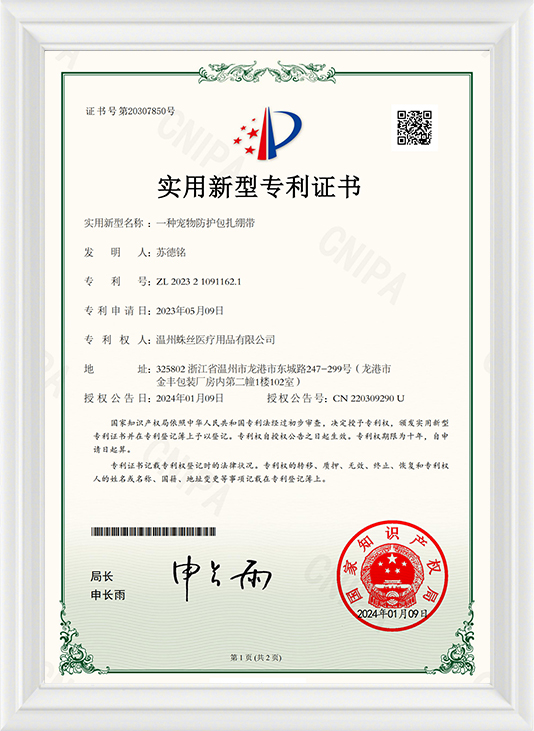
Sports taping is often treated as a simple wrapping task, but the material placed closest to the skin can influence how the outer tape feels...
READ MORESemi Products and Raw Materials
information to be updated
About Us
Wenzhou Zhusi Medical Supplies Co., Ltd.
Wenzhou Zhusi Medical is a Semi Products and Raw Materials manufacturer. We specialize in Semi Products and Raw Materials, providing professional care solutions for clients in the fields of sports, medical care, personal care, animal health, tattoos, and beauty. Through technology and innovation, we strive to enable everyone in the world to enjoy a healthy and fulfilling life.
Our Mission:
We strive to achieve both material and spiritual well-being for all employees, spread love and health, and promote the accessibility of healthcare products to everyday families.
Our Vision:
To become a renowned company recognized by customers, respected by society, and ensuring employee well-being.
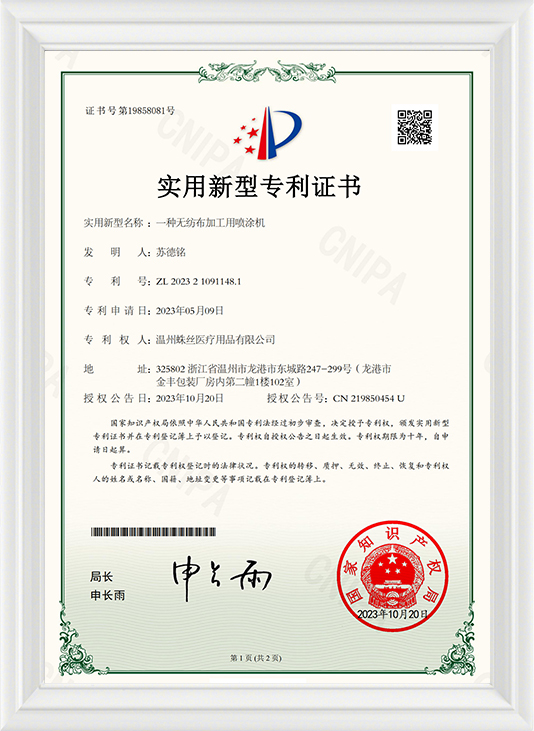
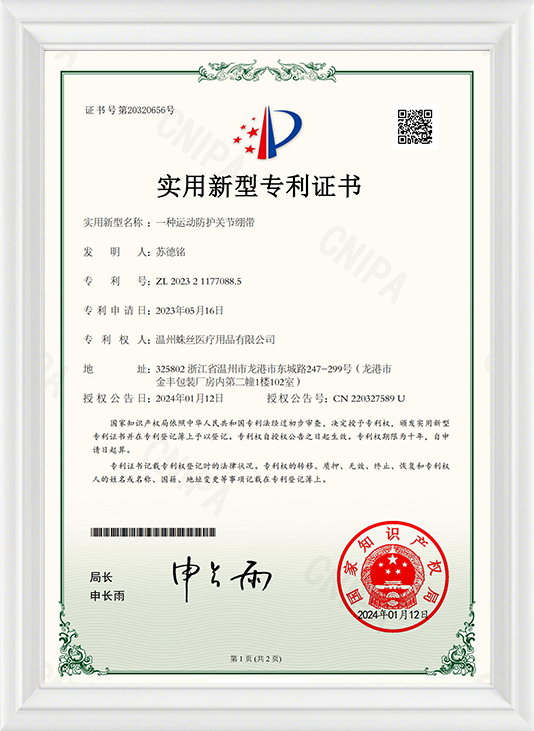
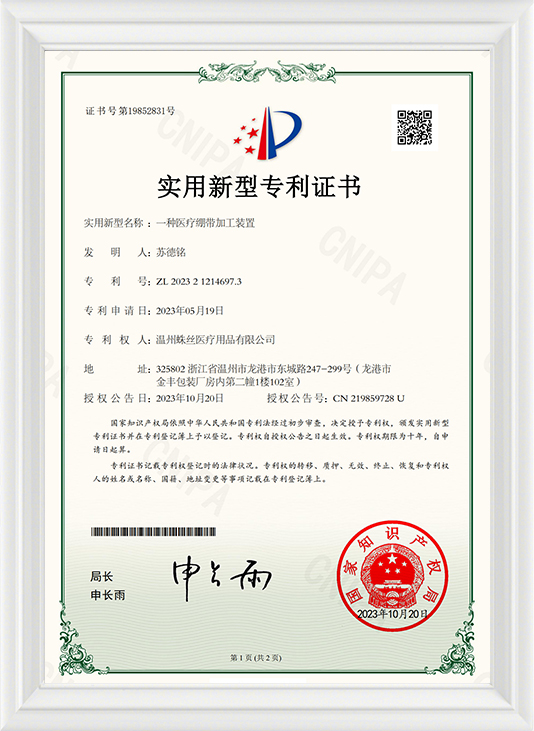
Certificate Of Honor
News
-
-
A bandage placed around a joint has to deal with constant changes in the shape of the skin. When an ankle bends, a wrist turns, or a knee fl...
READ MORE -
A cohesive bandage can look simple to use. It stretches, wraps around an area, and holds against itself without needing ordinary adhesive on...
READ MORE -
A bandage may look simple, but its performance depends on how it behaves after it has been wrapped around the body. It needs to remain in po...
READ MORE
Message Feedback
Unprocessed Tape Sheets and Tape Base Materials: Types, Styles, and Everyday Creative Uses
Tape does not begin as a neat roll with a printed core. Earlier in production, it may appear as a broad sheet, film, fabric web, foam slab, or jumbo roll waiting to be coated, laminated, printed, slit, or die-cut. At this stage, the material’s own character is easier to see: paper fibers catch the light, plastic film overlaps into new colors, woven cloth shows its grain, and foam creates depth before it holds anything in place.
These materials are often grouped under the term Unprocessed Tape Sheets, although industry terminology varies. Some are completely uncoated backing materials; others may already have a primer, release treatment, adhesive layer, or protective liner and simply await final conversion. This guide explains the main tape base materials, how they differ, and where designers, converters, studios, and product developers use them.
What a Base Material Brings to Tape Construction
The base material—also called the backing, carrier, or substrate—forms the structural body of most tapes. It influences thickness, flexibility, strength, surface texture, color, printability, and how the finished tape behaves during cutting or application.
A typical tape may include several layers:
- A paper, plastic, fabric, foil, or foam backing
- A primer that helps the adhesive bond to the backing
- Pressure-sensitive or heat-activated adhesive
- A release coating or removable liner
- Printed graphics, color coatings, or protective surface treatments
An unprocessed tape sheet may contain only the backing, but that is not always the case. Buyers should confirm the exact production stage rather than assuming that unprocessed means adhesive-free.
Four base-material families appear regularly in sheet and roll form:
Paper-Based Tape Sheets
Paper tape bases are made primarily from cellulose fibers. Depending on the grade, the surface may be smooth, lightly fibrous, creped, saturated, coated, or reinforced.
Uncoated paper has a warm, familiar appearance and accepts many inks, paints, and printing processes. Thin sheets fold easily, while heavier grades hold cut shapes and scored lines more clearly.
Natural white, kraft brown, black, and dyed colors are common. Fiber visibility varies: some grades are deliberately uniform, while others retain small flecks and irregularities that make each sheet look less industrial.
Plastic Film Tape Sheets
Plastic film bases are commonly made from polyethylene, PET, polypropylene, PVC, polyurethane, or related polymers. They may be clear, frosted, colored, metallized, matte, or glossy.
Unlike paper, plastic film does not have a fibrous edge. It can provide sharp color, clean transparency, and smooth overlapping effects. Thin films tend to drape and curl; thicker films feel more stable and produce firmer cut pieces.
PET is often selected for dimensional stability and clarity. Polyethylene is softer and more conformable. Polypropylene can provide a crisp, lightweight surface. The exact behavior depends on polymer type, thickness, orientation, and surface treatment.
Fabric-Based Tape Sheets
Fabric tape bases may use cotton, polyester, rayon, nylon, or blended yarns. Their visible weave gives them a tactile quality that smooth paper and film cannot reproduce.
Some fabric backings are open and flexible. Others are tightly woven, coated, or laminated to improve stability. A raw textile sheet may fray after cutting, while a treated backing can hold a cleaner edge.
Woven grids, ribs, and thread direction all affect the appearance. Stretch may occur across the width, along the length, or diagonally, depending on the construction.
Foam Tape Sheets
Foam tape bases are cellular materials produced from EVA, polyethylene, polyurethane, PVC, acrylic foam, EPDM, neoprene, or related formulations.
Their thickness creates immediate dimension. Even without adhesive, foam can raise one layer above another, cast a shadow, cushion an edge, or form a soft geometric element.
Open-cell foam tends to feel softer and more absorbent. Closed-cell foam is usually smoother, denser, and more resistant to moisture penetration. Density and cell structure should be checked alongside thickness because two sheets of equal thickness may compress very differently.
Physical Comparison at a Glance
The table below summarizes the typical visual and handling qualities of the four main tape-base families.
| Aspect | Paper-Based Sheets | Plastic Film Sheets | Fabric-Based Sheets | Foam Sheets |
| Common composition | Cellulose fibers | PE, PET, PP, PVC, or PU | Cotton, polyester, nylon, or blends | EVA, PE, PU, PVC, acrylic, or rubber foam |
| Surface texture | Smooth, fibrous, or creped | Glossy, matte, clear, or frosted | Woven, ribbed, or coated | Smooth-skinned or cellular |
| Flexibility | Moderate; varies by weight | High, depending on polymer and thickness | Flexible with directional movement | Flexible and compressible |
| Edge character | Cut, torn, or fibrous | Clean but may curl | May fray unless treated | Soft, thick, and slightly compressed |
| Transparency | Usually opaque | Clear, translucent, or opaque | Usually opaque | Usually opaque |
| Dimensional effect | Flat to lightly structured | Thin and visually layered | Tactile and textile-like | Raised and three-dimensional |
| Printability | Generally good | Often requires surface treatment | Depends on weave and coating | Possible, but surface-dependent |
| Common forms | Sheets, rolls, and jumbo rolls | Sheets, films, and jumbo rolls | Sheets, webs, and rolls | Sheets, slabs, and rolls |
The short version: paper offers natural texture and easy marking; plastic film provides clarity and layered color; fabric contributes visible weave; foam creates physical depth.
Styles and Variations Available
Unprocessed tape sheets can be selected by more than material name. Color, thickness, finish, surface energy, reinforcement, and conversion format all influence what can be done with them.
Natural and Colored Paper
Paper bases range from smooth white sheets to kraft grades with clearly visible fibers.
Common variations include:
- Natural kraft and recycled-fiber paper
- Smooth bleached paper
- Creped paper with directional stretch
- Saturated paper treated for additional strength
- Dyed paper in solid colors
- Coated paper with reduced absorbency
- Reinforced paper containing threads or scrims
Paper color may come from the fibers, added pigment, printing, or a surface coating. These methods produce different edge appearances, so a cut sample is useful when color consistency through the sheet matters.
Clear, Frosted, and Colored Film
Plastic film offers a broad range of visual effects:
- High-clarity transparent film
- Frosted or diffused film
- Tinted translucent sheets
- Solid opaque colors
- Matte black or white film
- Metallized and reflective surfaces
- Printed or embossed film
- Iridescent and color-shifting finishes
Overlapping translucent colors can create secondary tones without printing. Surface-treated films may also accept ink or adhesive more reliably than untreated polymer film.
Woven and Nonwoven Fabric
Fabric tape bases are available with different thread patterns and levels of surface stability.
- Plain weave provides a familiar textile grid.
- Twill weave creates visible diagonal lines.
- Knitted material offers more stretch and softness.
- Nonwoven fabric has a flatter, less directional structure.
- Scrim reinforcement creates an open geometric network.
- Coated fabric hides part of the weave and reduces fraying.
The reverse face may look different from the front, particularly when the fabric has been brushed, coated, laminated, or calendered.
Soft and Firm Foam
Foam sheets can be chosen by thickness, density, color, cell structure, and compression behavior.
- Thin foam creates a restrained raised layer.
- Thick foam produces deeper shadows and more obvious relief.
- Soft foam compresses easily around irregular forms.
- Firm foam holds cleaner edges in geometric layouts.
- Closed-cell foam generally has a smoother surface.
- Open-cell foam provides a more visible cellular texture.
- Black foam creates graphic outlines between pale layers.
- White or grey foam can remain visually quiet.
Thickness alone does not predict performance. Density and compression-force data are more useful when consistent spacing matters.
Custom Sizes and Converted Forms
Base materials may be supplied as:
- Full-width master rolls
- Jumbo rolls
- Flat sheets
- Narrow slit rolls
- Kiss-cut shapes on a liner
- Die-cut pieces
- Laminated multilayer sheets
- Sample swatches
- Short development rolls
Sheet dimensions, thickness tolerances, winding tension, and edge quality should be agreed before production, particularly when the material will enter an automated cutting or laminating process.
Where Unprocessed Tape Sheets Are Used
Raw and partly processed tape materials are useful in product development, artwork, displays, packaging studies, and workspace organization. Their value lies in being adaptable before a final tape construction is fixed.
In Product Development and Sampling
Tape converters and product designers use base sheets to evaluate how a material will behave before committing to full-scale production.
Typical tasks include:
- Comparing surface texture under different lighting
- Testing ink, coating, primer, and adhesive compatibility
- Building color and thickness sample books
- Checking how materials react to slitting and die cutting
- Evaluating edge curl, fraying, compression, or tearing
- Producing prototypes for customer review
- Comparing clear, translucent, and opaque constructions
- Testing combinations of backing and release liner
A material that looks excellent as a flat sample may behave differently after adhesive coating or roll winding. Development tests should represent the intended finished construction as closely as possible.
In Art and Mixed-Media Work
Artists can treat tape bases as paper, textile, film, or foam rather than waiting for them to become finished adhesive products.
Creative uses include:
- Layering clear and tinted films to build overlapping color
- Cutting paper sheets into repeated geometric forms
- Combining woven fabric with smooth PET for textural contrast
- Using foam to separate foreground and background layers
- Folding, scoring, or pleating paper bases
- Stretching fabric over frames or lightweight structures
- Creating shadow-box compositions from several thicknesses
- Photographing reflective and translucent materials under directional light
- Using offcuts to assemble material-led collages
Some plastic films retain static charge and attract dust. Glossy surfaces also show fingerprints with almost heroic enthusiasm, so gloves or clean handling tools can help during presentation work.
In Displays and Interior Mock-Ups
Sheets allow designers to test a material at scale before ordering finished tape or coated stock.
They can be used for:
- Building temporary color fields on presentation boards
- Testing translucent overlays near windows or light sources
- Comparing matte and glossy finishes in an interior palette
- Creating raised foam lettering or borders
- Adding textile panels to exhibition mock-ups
- Simulating shelf-edge, wall-line, or packaging treatments
- Producing sample displays for client approval
Temporary attachment methods should be chosen carefully. An unprocessed sheet may not have its own adhesive, and added spray glue or mounting tape can change the surface or make later removal difficult.
In Studios and Workspaces
Base sheets can also serve practical organizational purposes.
Examples include:
- Assigning material colors to active projects
- Separating delicate samples inside drawers
- Building swatch libraries by composition and thickness
- Creating cutting templates
- Using translucent film as a visual overlay
- Protecting sample surfaces during internal review
- Marking trial batches with removable labels
- Sorting offcuts for later prototyping
Materials should be labeled with more than color. Polymer type, fiber composition, thickness, supplier, batch, surface treatment, and coating status are often difficult to identify by sight alone.
Trends Shaping Tape Base Materials
Development in tape backings increasingly focuses on traceability, lower material use, improved convertibility, and surfaces designed for printing or coating.
Recycled and Responsibly Sourced Content
Paper bases may include post-consumer or post-industrial recycled fiber. Plastic and fabric sheets may contain mechanically or chemically recycled polymers, depending on the product.
Buyers increasingly request documentation covering:
- Recycled-content percentage
- Post-consumer or post-industrial origin
- Chain-of-custody certification for paper
- Fiber and polymer composition
- Restricted-substance compliance
- Manufacturing location
- Renewable or bio-based content
Visual similarity does not confirm identical performance. Recycled content can affect color, consistency, tensile strength, clarity, or coating behavior, so production testing remains important.
Transparency and Light Interaction
Clear and translucent materials continue to attract interest in packaging, displays, installations, and layered graphics.
Designers are experimenting with:
- Frosted films over printed paper
- Tinted layers that generate new colors where they overlap
- Perforated fabrics that filter light
- Thin foam spacers that create shadow gaps
- Matte and glossy films within one composition
These effects depend strongly on lighting, background color, viewing angle, and surface cleanliness.
Multimaterial Layering
Paper, film, fabric, and foam are increasingly combined in prototypes rather than treated as separate categories. A single sample may use a paper face, film reinforcement, foam spacer, and removable liner.
Multilayer structures can improve visual and physical performance, but they also make separation and recycling more difficult. The benefit of each layer should therefore be clear.
Digital Cutting and Short-Run Conversion
Desktop plotters, laser cutters, CNC systems, and short-run die cutting have made custom shapes easier to produce.
Not every base material is compatible with every process:
- Some plastics release fumes when laser-cut.
- Foam may melt or char.
- Fabric can fray or shift.
- Thin film may lift under a cutting blade.
- Paper may scorch or tear at tight corners.
Material and equipment guidance should be checked before processing. PVC and unknown plastics should not be laser-cut without confirmed safety information.
Surface Engineering
Plastic films, fabrics, and foams may receive corona treatment, plasma treatment, primers, coatings, or laminations to improve printing and adhesive bonding.
These treatments may be invisible and can lose effectiveness over time. A sheet that looks untreated may already have a functional surface modification, which is another reason to maintain accurate labels and batch records.
Choosing the Right Tape Base Sheet
Five questions usually narrow the choice quickly.
- Do you need natural texture, transparency, weave, or depth? Choose paper for fibers and easy marking, film for transparency, fabric for tactile weave, or foam for raised dimension.
- Will the material be folded, wrapped, or kept flat? Paper folds cleanly but may crease permanently. Thin film wraps easily but can curl. Fabric drapes naturally. Foam bends but may resist sharp folds.
- Will it be printed, painted, coated, or bonded? Confirm absorbency, surface energy, primer requirements, heat sensitivity, and chemical compatibility.
- Does the edge remain visible? Paper may show fibers, film can reveal curl or stress whitening, fabric may fray, and foam exposes its cell structure.
- Is the material a visual sample or part of a finished product? Display samples can be selected mainly by appearance. Production materials require validated tolerances, processing compatibility, aging data, and regulatory documentation.
When several characteristics matter at once, a small sample set is more informative than a product photograph. Texture has an inconvenient habit of refusing to fit into a screen.
Working Tips From the Floor
A few practical habits make raw tape materials easier to compare and convert.
- Label every sample immediately. Record material, thickness, finish, supplier, batch, and treatment status.
- Check both faces. Front and reverse surfaces may differ in gloss, coating, weave, or adhesion behavior.
- Condition materials before testing. Temperature and humidity can affect paper curl, foam compression, and adhesive trials.
- Use sharp cutting tools. Dull blades stretch film, crush foam, pull fabric threads, and tear paper fibers.
- Make several light passes. This often produces cleaner cuts in foam and thick laminated sheets.
- Protect clear film from dust. Store it with interleaving sheets or its original protective layer.
- Measure thickness consistently. Soft foam can give different readings if excessive pressure is applied.
- Test inks and coatings for flexibility. A printed layer may look fine when flat but crack after folding or stretching.
- Observe samples under several light sources. Gloss, haze, color, and textile texture change with lighting.
- Keep a control sample. An untreated reference makes it easier to evaluate aging, printing, coating, or environmental exposure.
- Allow rolled materials to relax. Some sheets flatten after conditioning; others retain permanent curl.
- Prototype the complete stack. Backing, adhesive, liner, ink, and laminate can behave differently together than they do separately.
- For comparative tests, cut every sample to the same dimensions. A larger swatch can look darker, softer, or more textured simply because more of it is visible.
Storage and Handling
Raw and partly processed tape materials can be more sensitive than finished rolls because their surfaces may lack protective coatings or liners.
- Store sheets in a cool, dry, clean area away from direct sunlight.
- Keep flat materials supported to prevent creasing and edge curl.
- Store rolls on suitable cores or horizontal supports.
- Protect clear and glossy films from scratches and fingerprints.
- Keep paper away from high humidity and rapid moisture changes.
- Prevent fabric edges from snagging on hooks or rough shelving.
- Avoid crushing foam beneath heavy materials.
- Separate treated and untreated surfaces.
- Retain original labels and batch information.
- Use protective interleaving between delicate sheets.
- Rotate stock so older material is evaluated first.
- Test aged stock before coating, printing, or laminating.
- Some surface treatments have a limited useful period. Storage life should be confirmed when later printing or adhesive coating depends on surface energy.
On Sustainability
Unprocessed sheets provide a useful opportunity to consider environmental impact before several materials are permanently combined.
A single-material paper, plastic, fabric, or foam base may have a clearer recovery route than a finished laminate containing adhesive, liner, ink, coating, and reinforcement. Even so, recyclable in principle does not guarantee acceptance by local collection systems.
More responsible development practices include:
- Selecting the minimum suitable thickness
- Testing sample quantities before bulk production
- Optimizing cutting layouts to reduce edge waste
- Separating clean offcuts by known material type
- Recording recycled and bio-based content accurately
- Avoiding unnecessary laminations
- Choosing water-based or lower-solvent processes where technically appropriate
- Using reusable sample binders instead of repeatedly producing new boards
- Requesting fiber, polymer, coating, and treatment documentation
- Designing finished products for easier material separation
Bio-based does not necessarily mean biodegradable, and biodegradable does not mean suitable for home composting. Likewise, paper with a plastic coating may not follow the same recycling route as plain paper.
The most useful environmental claims are specific: material composition, verified recycled content, weight reduction, certified sourcing, and an identified end-of-life route.
Quick Answers
What are Unprocessed Tape Sheets?
Unprocessed Tape Sheets are backing or carrier materials supplied before final tape conversion. They may be paper, plastic film, fabric, foam, or another substrate. Some are completely uncoated, while others may already include a primer, surface treatment, adhesive, or liner.
Are unprocessed tape sheets adhesive-free?
Not always. The term is not a universal technical classification. Confirm whether the sheet is raw backing, primed stock, adhesive-coated material, lined sheet, or partly converted tape.
What is a tape base material?
A tape base material is the structural layer that carries the adhesive or other coatings. It is also called a backing, carrier, web, or substrate.
Which tape base is easiest to print?
Paper is generally straightforward to print, although coated paper may require specific inks. Plastic film often needs corona treatment, primer, or compatible ink. Fabric and foam require process-specific testing.
Which material is best for translucent layering?
Clear or tinted PET, polypropylene, polyethylene, and other transparent films are common choices. Optical clarity, haze, thickness, and surface treatment affect the result.
Can unprocessed sheets be cut into custom shapes?
Yes. Depending on the material, they can be hand-cut, slit, die-cut, kiss-cut, plotted, or processed by other conversion methods. The cutting process must be compatible with the material.
Can these sheets be laser-cut?
Some can, but not all. Certain plastics and foams may melt, burn, or release hazardous fumes. Unknown plastics and PVC should not be laser-cut without verified material and equipment guidance.
Do fabric tape sheets fray?
Untreated woven fabric often frays along cut edges. Coating, lamination, heat sealing, ultrasonic cutting, binding, or selecting a nonwoven material can reduce fraying.
Are foam tape sheets waterproof?
Not automatically. Closed-cell foam can resist water penetration better than open-cell foam, but the final result depends on cell structure, cut edges, seams, coatings, adhesive, and installation.
Are tape base sheets recyclable?
It depends on composition, coatings, contamination, and local recycling infrastructure. Clean, identified, single-material offcuts generally have better recovery potential than laminated or adhesive-coated waste.
Unprocessed Tape Sheets show how much of a tape’s identity exists before adhesive is added or a master roll is slit. Paper contributes fibers and printability. Plastic film offers clarity, color, and smooth layering. Fabric introduces weave and movement. Foam creates compression, spacing, and visible depth.
For converters, these materials are the starting point of a finished tape construction. For artists and designers, they can also stand on their own as surfaces to cut, fold, overlap, illuminate, or combine.
The right choice depends on more than appearance. Composition, thickness, surface treatment, edge behavior, process compatibility, storage conditions, and end-of-life options all shape the result. A tape base may be called unfinished, but as a creative material, it is already doing quite a lot.

“This website is for users outside of China.”
Copyright © 2025 Wenzhou Zhusi Medical Supplies Co., Ltd. All Reserved. Approval No:浙温械备20250002 & 浙温械备 20190061 号 & 浙温药监械生产备20190011号
Tape Base Material Factory
