

 English
 中文简体
中文简体
 Español
 عربى
عربى
 Français
 Português
Industry News
Bandaging is not only about covering a wound. In many care situations, the dressing also needs to stay in a suitable position during normal movement. A loose dressing can shift, fold, or become difficult to manage. This makes the choice of an outer wrapping material an important part of many dressing applications.
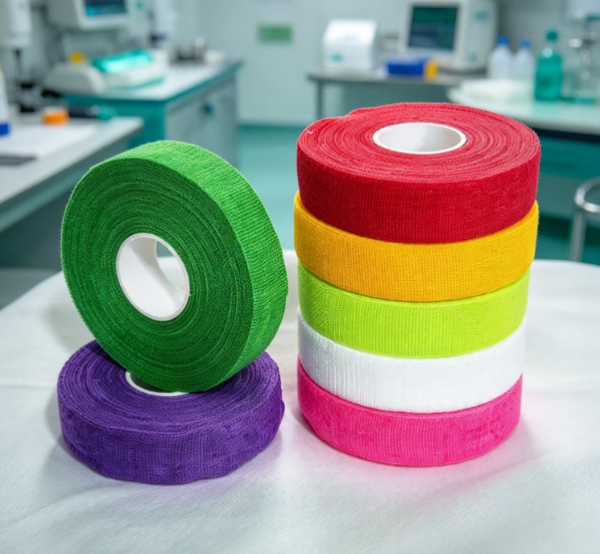
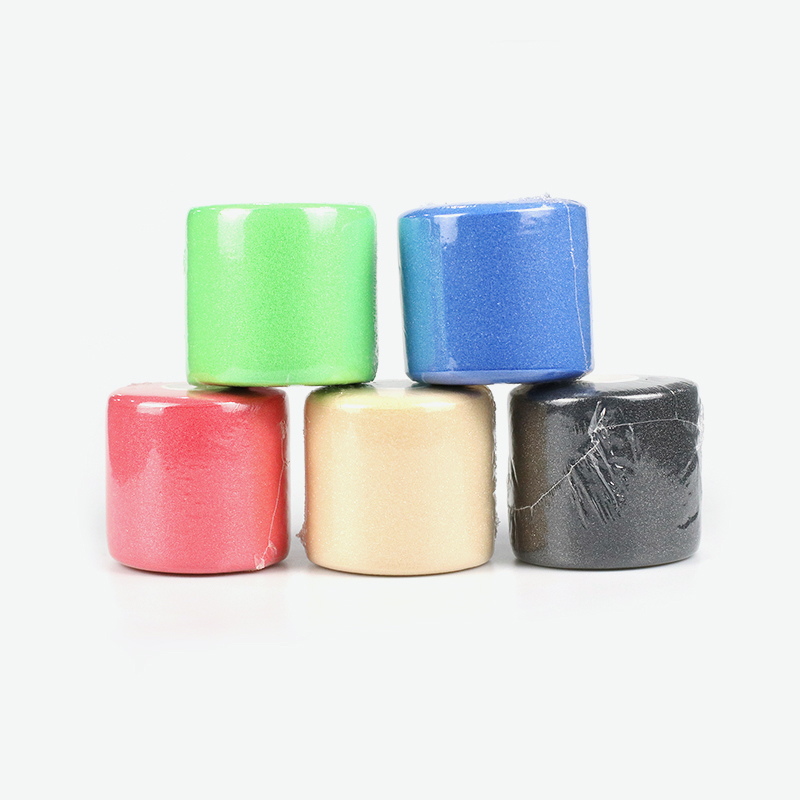
Self Adhesive Cohesive Wrap Bandage Tape is designed around a simple idea. The material adheres to itself as it is wrapped, creating a surrounding layer without needing to stick directly to the skin in the same way as ordinary adhesive tape. This makes it useful for different types of support and fixation.
Its flexible form also allows it to follow the general shape of the area being wrapped. That can be useful around limbs, joints, paws, and other uneven areas. The material can be used in medical care, dressing support, veterinary applications, and other situations where flexible wrapping is needed.
The exact application depends on the dressing, body area, care requirements, and handling method. Looking at where Self Adhesive Cohesive Wrap Bandage Tape can be used helps explain why this type of bandage has become a practical option for different wrapping needs.
Where Is Self Adhesive Cohesive Wrap Bandage Tape Used in Medical Care?
Medical care includes many situations where a dressing needs external support. A dressing may be placed over a wound, around a treated area, or on a part of the body that moves during everyday activity.
In these situations, Self Adhesive Cohesive Wrap Bandage Tape can be used as an outer wrapping layer. The material can be wrapped around a suitable dressing and held in position by the contact between its own layers.
This makes it different from conventional adhesive tape. The main wrapping action does not depend on attaching a sticky surface directly to the skin. Instead, the overlapping material provides the fixation.
This approach can be useful when a dressing needs to remain organized during normal movement. The wrap can follow the shape of the area while helping keep the dressing in place.
| Medical Application | Possible Role of Cohesive Wrap |
|---|---|
| Dressing fixation | Helps keep a suitable dressing in position |
| Wound care | Provides an external wrapping layer |
| Limb wrapping | Follows the general shape of an arm or leg |
| Joint-area dressing | Supports dressings around moving areas |
| General bandaging | Creates flexible external coverage |
The wrap itself is not a replacement for wound treatment. Its role is connected to fixation, support, and external coverage. The appropriate use depends on the particular care situation.
Can It Be Used Around Arms, Legs, and Joints?
Arms and legs are common areas where flexible wrapping can be useful. These parts of the body have changing shapes and are involved in regular movement.
A rigid strip may not follow these contours easily. A flexible cohesive wrap can be guided around the area and adjusted as the layers overlap.
Around a joint, movement becomes an even more relevant consideration. The area may change shape as the joint bends. A flexible wrapping material can follow the general contour instead of remaining completely flat.
This does not mean that the wrap should restrict movement. Its purpose is to support the dressing or provide suitable external coverage. Application should be appropriate for the body area and should not create unnecessary pressure.
The wrapping method can also influence comfort. A neatly applied layer is easier to manage than a loose or uneven covering. The user can guide the material around the intended area instead of relying on several separate pieces.
This flexibility can make Self Adhesive Cohesive Wrap Bandage Tape suitable for various body areas where ordinary dressing fixation methods may be less convenient.
How Can Self Adhesive Cohesive Wrap Bandage Tape Support Wound Dressings?
A wound dressing usually needs to remain over the intended area. The dressing itself may provide the main protective layer, while an outer wrap can help keep it positioned.
Self Adhesive Cohesive Wrap Bandage Tape can be placed around the dressing to create this external support. As the material overlaps, the layers can hold together.
This can make the dressing arrangement easier to handle. Instead of attaching several pieces of adhesive tape around the edges, the user can wrap the material around the area.
The approach can also work with different dressing shapes. A flexible material can be guided around a relatively flat dressing or around a dressing placed on a curved body area.
| Dressing Situation | Possible Use |
|---|---|
| Dressing on a limb | Provides external fixation |
| Dressing around a curved area | Follows the general body shape |
| Dressing requiring additional support | Creates an outer wrapping layer |
| Dressing used during normal movement | Helps maintain its position |
| Temporary external coverage | Provides flexible wrapping around the area |
The dressing and wrap still need to be suitable for each other. Not every wound requires the same type of fixation. Care instructions and professional guidance should determine how the materials are used.
Is Self Adhesive Cohesive Wrap Bandage Tape Suitable for Veterinary Care?
Veterinary care is another area where cohesive wrapping can have a practical role. Animals have different body shapes from humans, and even the same type of animal can have significant differences in size and shape.
Paws and legs can be particularly challenging to wrap. These areas may move frequently, and the surface may not provide a simple flat area for conventional adhesive products.
A self-adherent wrap can follow the general shape of the area while creating an outer layer around a suitable dressing. This can make it useful for certain animal bandaging applications.
The material can also be handled without requiring a separate adhesive layer to attach directly to the surrounding skin. This can be relevant in situations where direct adhesive contact is not preferred.
Veterinary applications may include:
- Paw dressing support
A cohesive wrap can surround a suitable dressing placed around a paw. - Leg bandaging
The flexible material can follow the shape of the leg while helping maintain dressing position. - Post-care wrapping
It can provide an external layer around a suitable dressing when additional support is needed. - General animal bandaging
It can be used where a flexible self-adherent wrapping method fits the care requirements.
Veterinary professionals still need to consider the animal, the treated area, and the reason for the dressing. Wrapping should not interfere with normal circulation or create unnecessary restriction.
Can It Be Used Around Moving Body Areas?
Movement is one of the reasons flexible wrapping materials are useful. A body area may bend, stretch, or change shape during ordinary activity.
Self Adhesive Cohesive Wrap Bandage Tape can be guided around these areas rather than applied as a single rigid piece. The overlapping layers provide the wrapping structure while the material follows the general shape of the body.
This can be useful around elbows, knees, ankles, wrists, and other areas where movement is part of normal activity.
The material should still be applied with care. Flexibility does not remove the need for proper wrapping technique. Too much pressure can create problems, while too little support may not hold the dressing properly.
The aim is to create a practical balance between fixation and comfortable movement.
For care providers, this means the application area should be considered before choosing a wrapping material. A product suitable for a relatively straight limb may not be used in exactly the same way around a highly mobile joint.
Where Else Can Cohesive Wrap Bandage Tape Be Useful?
The use of cohesive wrap is not limited to wound dressing. It can also be relevant wherever a flexible external wrap is needed.
Some care applications involve supporting a dressing rather than treating the underlying condition. Others involve keeping a soft covering or protective layer positioned during handling.
The common factor is the need for a material that can wrap around an area and hold onto itself.
This gives the product a broader role across different care environments.
| Setting | Potential Application |
|---|---|
| Medical care | Dressing fixation and external wrapping |
| Veterinary care | Animal dressing support |
| Clinics | General bandaging tasks |
| Care facilities | Suitable dressing support |
| Home care | External fixation of appropriate dressings |
| Animal care settings | Flexible wrapping around suitable areas |
The actual use should always follow the requirements of the particular application. A cohesive wrap is a support material, not a substitute for professional diagnosis or treatment.
Why Is Self-Adherent Design Useful in Different Applications?
The self-adherent structure is one of the main reasons this type of bandage can fit different wrapping situations.
With conventional adhesive tape, the adhesive surface is designed to attach to another surface. With cohesive wrap, the material is designed to hold onto itself. This changes the way it can be applied.
The user can wrap the material around the intended area and allow overlapping sections to connect. This can reduce the need for separate pieces of tape during the fixation process.
The design also gives users more freedom when working around curved surfaces. The material can be guided around the area instead of being limited to straight strips.
This can be particularly useful when the application needs to move around a limb or joint.
Another practical point is removal. When the wrapping material is not designed to attach directly to the skin like ordinary adhesive tape, removing the outer wrap can be handled differently.
However, the exact handling experience depends on the product construction. Users should follow the relevant product instructions rather than assuming that every cohesive wrap behaves in exactly the same way.
What Should Buyers Consider When Choosing Self Adhesive Cohesive Wrap Bandage Tape?
For buyers, application should be the starting point. A product may be intended for medical dressing support, veterinary use, general bandaging, or several related applications.
The body area also matters. Buyers should consider whether the material needs to follow a limb, joint, paw, or another curved surface.
Handling is another important consideration. If the wrap will be used regularly, users may value a material that is straightforward to position, overlap, separate, and remove.
The relationship between the wrap and the dressing should also be considered. The outer bandage should support the intended dressing without creating unnecessary pressure.
For distributors and professional purchasers, packaging and product consistency may also influence purchasing decisions. Different customers may require different forms of cohesive wrapping depending on their applications.
| Buying Consideration | Question to Ask |
|---|---|
| Intended use | Where will the wrap be applied? |
| Care setting | Is it for medical, veterinary, or general use? |
| Body area | Can the material follow the intended shape? |
| Dressing type | Can it provide suitable external support? |
| Flexibility | Is flexible wrapping important for the application? |
| Handling | Can users apply and remove it conveniently? |
| Product range | Are different options available for different applications? |
| Packaging | Does the format fit storage and distribution needs? |
Choosing a cohesive wrap is therefore closely connected to the application itself. The same general type of product can serve different purposes, but the wrapping method and care requirements can vary considerably from one situation to another.