


 English
 中文简体
中文简体
 Español
 عربى
عربى
 Français
 Português
Breathable Adhesive Bandage
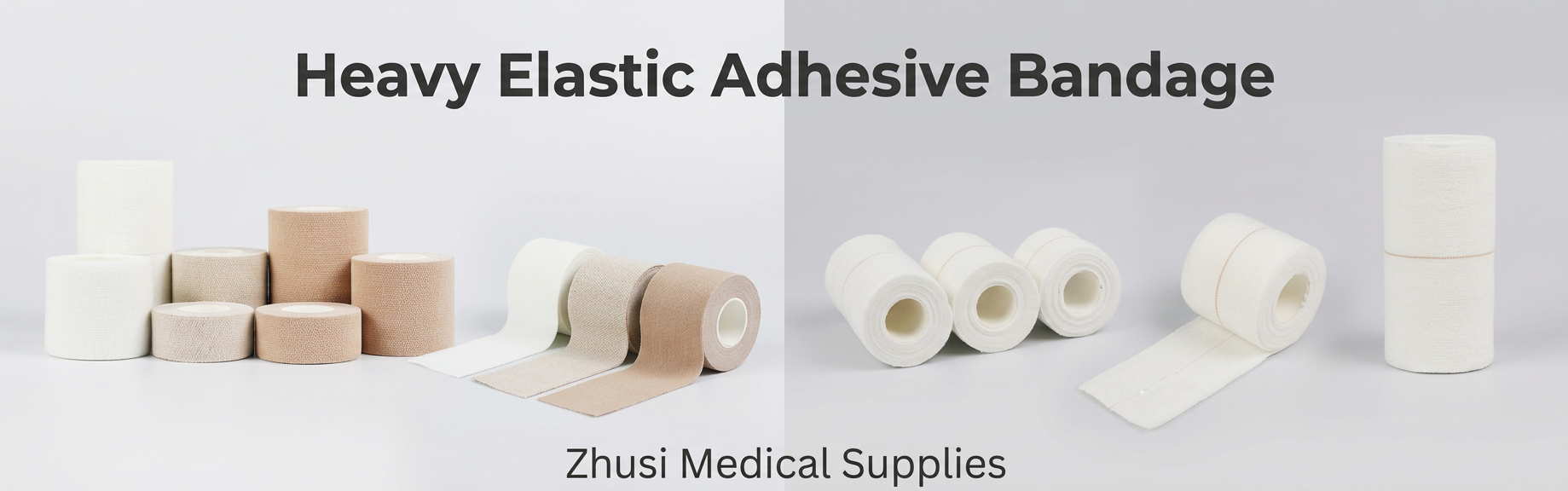
Heavy Elastic Adhesive Bandage
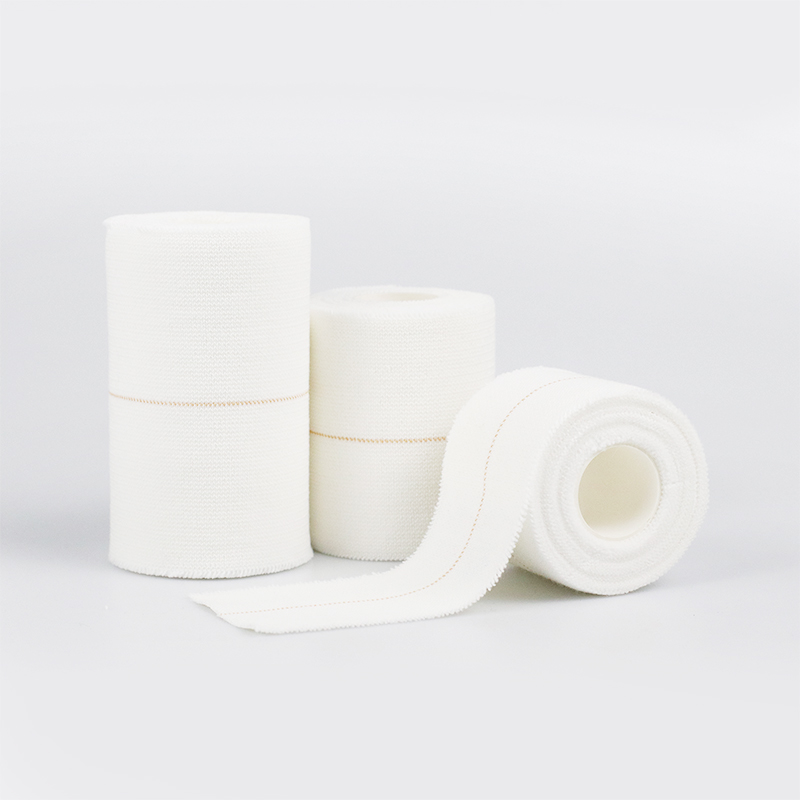
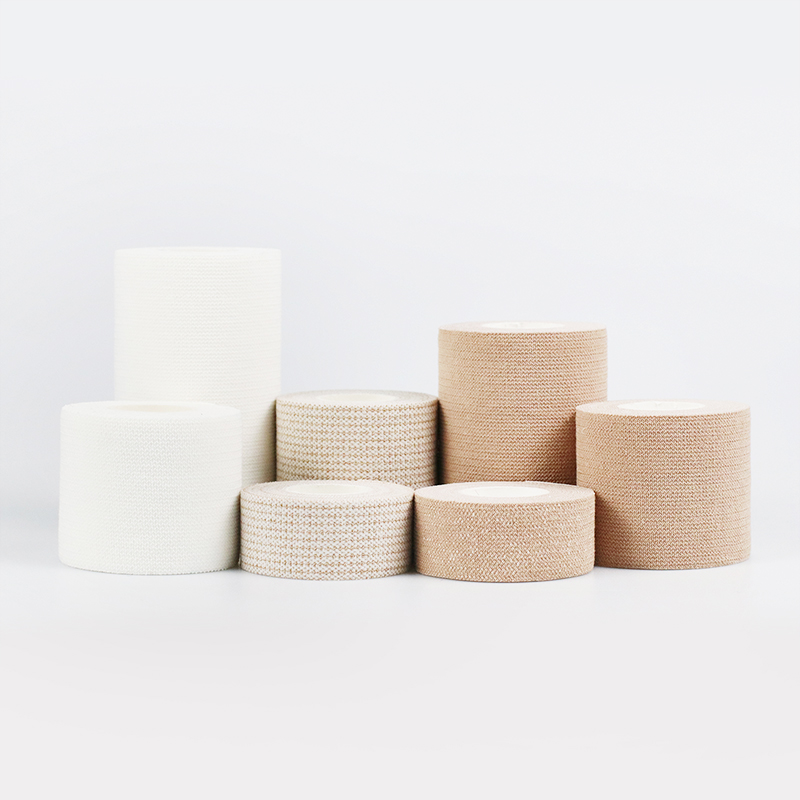
Heavy elastic adhesive bandage is an elastic bandage designed for protection during high-intensity exercise and rehabilitation. It provides significant compression and support through its strong elasticity, while its sturdy weaving structure makes it very durable. Key features and advantages: Strong compression and support: Core advantage. Its "repeated" characteristic means it can exert a lot of pressure on muscles and joints, providing good support and fixation effects, which help limit swelling and stabilize injured areas.
Good durability: The "zigzag" weaving makes it highly resistant to stretching, not easily deformed, stretched or torn, even after repeated use and washing, it can maintain its performance.
Uniform pressure distribution: The unique weaving technology ensures that pressure is evenly applied to the body parts, avoiding pressure points, and providing high comfort.
Breathability and comfort: Usually made from a blend of cotton, latex (rubber), or synthetic elastic fibers (such as nitrile rubber), it has good breathability and is comfortable against the skin. The fringed design also reduces friction and discomfort.
Main applications:
Acute treatment of severe sprains and strains: For example, after a severe ankle sprain, it is used for strong compression.
Post-operative rehabilitation: Used for fixation and compression during orthopedic surgeries (such as ligament reconstruction, joint arthroscopy after surgery), providing protective support.
High-intensity exercise protection: Used to reinforce the bandaging of joints such as ankles and wrists in sports with intense physical impacts, such as rugby and football.
As a hand wrap, used in sports such as boxing and fighting, providing protection for the wrists and metacarpals.
Support for chronic injuries: Provides strong support during daily activities and sports for users with chronic joint instability and arthritis.
About Us
Wenzhou Zhusi Medical Supplies Co., Ltd.
Wenzhou Zhusi Medical is a breathable heavy elastic adhesive bandage supplier. We specialize in wholesale heavy elastic bandage, providing professional care solutions for clients in the fields of sports, medical care, personal care, animal health, tattoos, and beauty. Through technology and innovation, we strive to enable everyone in the world to enjoy a healthy and fulfilling life.
Our Mission:
We strive to achieve both material and spiritual well-being for all employees, spread love and health, and promote the accessibility of healthcare products to everyday families.
Our Vision:
To become a renowned company recognized by customers, respected by society, and ensuring employee well-being.
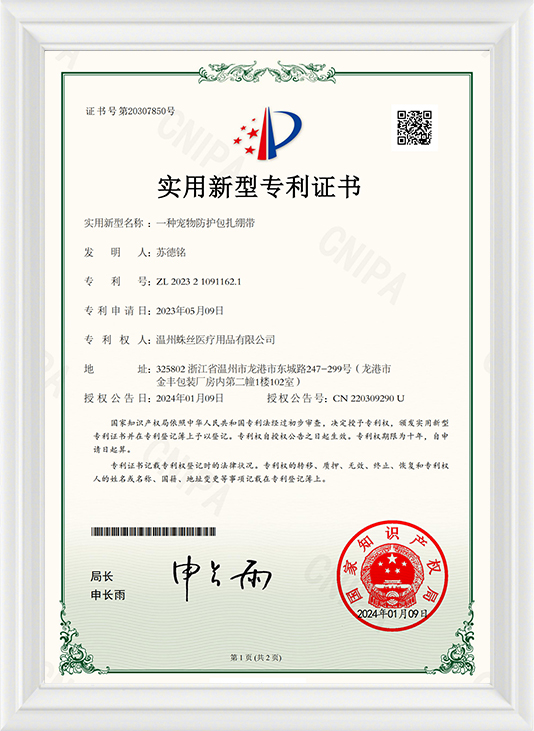
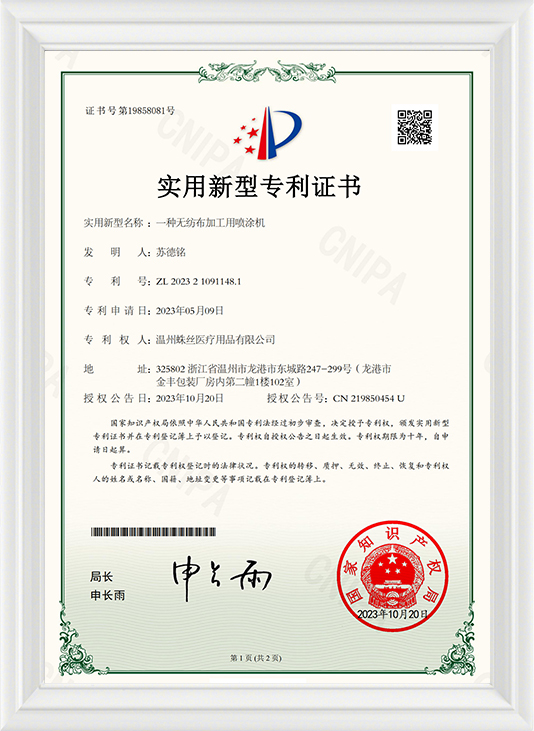
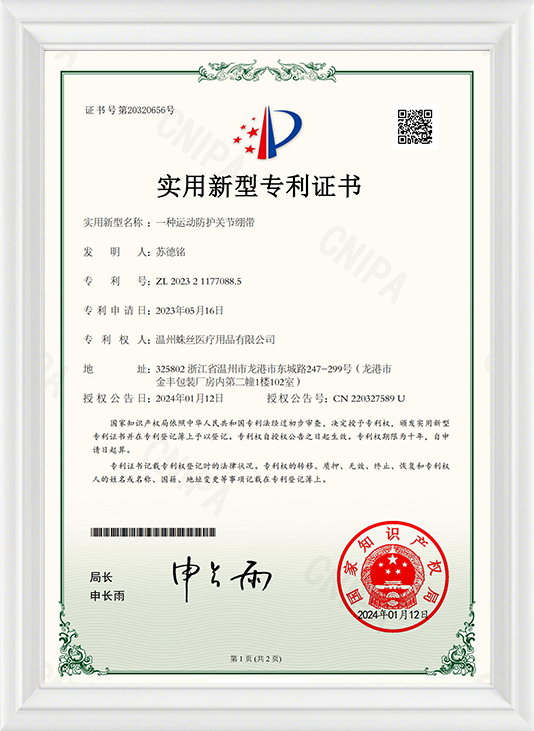
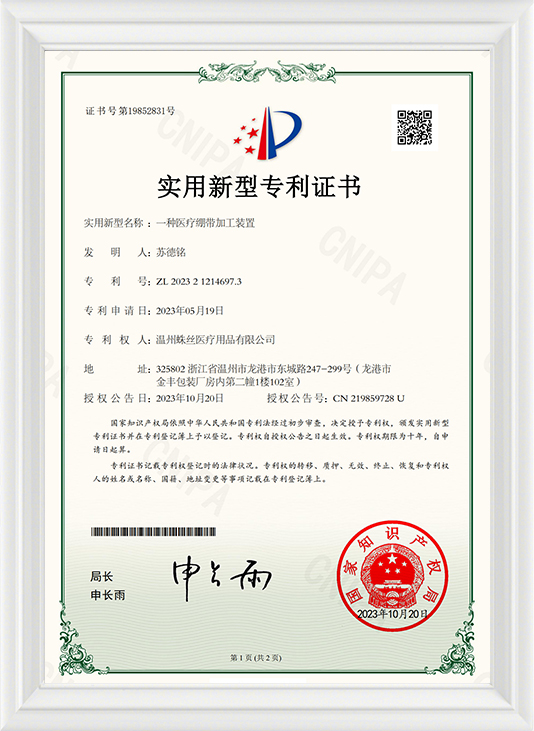
Certificate Of Honor
News
-
Sports taping is often treated as a simple wrapping task, but the material placed closest to the skin can influence how the outer tape feels...
READ MORE -
A bandage placed around a joint has to deal with constant changes in the shape of the skin. When an ankle bends, a wrist turns, or a knee fl...
READ MORE -
A cohesive bandage can look simple to use. It stretches, wraps around an area, and holds against itself without needing ordinary adhesive on...
READ MORE -
A bandage may look simple, but its performance depends on how it behaves after it has been wrapped around the body. It needs to remain in po...
READ MORE
Message Feedback
How to Choose Heavy EAB Tape for Sports Medicine, Rehabilitation and Orthopedic Support
A heavy elastic adhesive bandage is a robust, stretchable fabric tape coated with pressure-sensitive adhesive. Compared with a light elastic adhesive bandage, it normally uses a heavier woven backing, offers greater tensile strength and produces a firmer wrapping feel.
Heavy elastic adhesive bandages are commonly developed for sports taping, rehabilitation supplies, first-aid products and professional support ranges. Typical application areas include ankles, wrists, knees, elbows and hands. The precise use depends on the bandage specification, application method and approved product claims.
Key product characteristics include:
- Strong woven construction
- Controlled stretch and recovery
- Firm adhesive fixation
- Resistance to edge lifting
- Consistent roll tension
- Multiple widths and lengths
- Cotton and synthetic material options
- Custom retail or professional packaging
A heavier construction does not automatically guarantee better performance. Fabric weight, elastic-yarn ratio, adhesive coating and winding tension must work together. If one element is poorly controlled, the finished roll may feel stiff, stretch unevenly, leave residue or become difficult to unwind.
Any compression, orthopedic or therapeutic statement should be supported by the product's intended purpose, technical evidence and destination-market requirements.
Common Types of Heavy Elastic Adhesive Bandages
Heavy elastic adhesive bandages differ in backing structure, stretch range, adhesive formula and finished format. The appropriate construction should be selected according to the intended application and expected wear conditions.
Heavy EAB Tape
Heavy EAB tape is a reinforced form of elastic adhesive bandage designed for firm, controlled wrapping. Its woven backing usually provides more resistance and support than lightweight versions.
Common product categories include:
- Sports taping
- Joint-area wrapping
- Physiotherapy supplies
- First-aid products
- Professional athletic-care ranges
Important specifications include fabric weight, tensile strength, elongation, recovery and adhesive holding power. These values should remain consistent from roll to roll.
Heavy-Duty Elastic Wrap
A heavy-duty elastic wrap uses a durable backing that resists excessive narrowing and deformation during application. It is suitable for product ranges where a substantial material feel and reliable handling are required.
Typical features include:
- Reinforced woven fabric
- Strong elastic recovery
- Stable width under tension
- Smooth, controlled unwinding
- Resistance to premature tearing
Durability should be evaluated on the finished coated roll, as adhesive application and winding can change the behavior of the base fabric.
Strong Compression Bandage
A strong compression bandage is developed to produce firmer wrapping pressure when applied correctly. The resulting pressure depends on the bandage width, fabric elasticity, recovery force, overlap and application tension.
Products described as compression bandages should have clearly defined performance specifications. Unsupported pressure values or therapeutic claims should not be added to packaging.
Overstretching must be avoided. Any wrap causing numbness, tingling, coldness, discoloration or increasing discomfort should be removed promptly.
Heavy Stretch Elastic Adhesive Bandage
A heavy stretch elastic adhesive bandage combines a substantial backing with an extended stretch range. It can follow curved areas while maintaining supportive tension.
Typical applications may include wrapping around:
- Ankles
- Wrists
- Knees
- Elbows
- Hands
- Shoulders
Maximum elongation and recommended working stretch are not the same. A bandage may have high stretch capacity but still require moderate tension during application.
Zinc Oxide Heavy Elastic Adhesive Bandage
This version uses a zinc oxide adhesive system commonly associated with professional sports-taping products. It is selected where firm initial tack and stable holding performance are required.
Development should consider:
- Adhesive coating weight
- Initial tack
- Peel strength
- Holding power
- Edge resistance
- Residue after removal
- Storage stability
Strong adhesion is not suitable for every application. The formula should be matched to the intended surface, wear period and removal requirements.
Cotton Heavy Elastic Adhesive Bandage
A cotton heavy elastic adhesive bandage uses cotton or cotton-blend woven fabric. Cotton provides a traditional textile feel and can support breathable, comfort-focused product positioning.
Elasticity is generally created by combining cotton with spandex, polyamide, polyester or another elastic component. Relevant specifications include:
- Cotton percentage
- Total fiber composition
- Fabric weight
- Weave structure
- Stretch and recovery
- Finished thickness
- Adhesive formula
A cotton-based product should not be presented as 100% cotton unless its complete composition supports that statement.
Pre-Cut Heavy Elastic Adhesive Bandage
A pre-cut heavy elastic adhesive bandage is supplied in prepared sections rather than as a continuous roll. Standardized lengths can reduce preparation time and create a consistent pack configuration.
This format may be used in:
- Sports-event kits
- First-aid sets
- Clinics
- Rehabilitation centers
- Standardized care packs
Pre-cut pieces require accurate dimensions, clean edges and protective packaging. The pack should also make the number and size of strips clear.
White and Skin Color Heavy Elastic Adhesive Bandage
White and skin-tone options are widely used in medical, rehabilitation and pharmacy ranges. Black and brighter shades are more common in sports and branded product collections.
Color development should review:
- Batch consistency
- Colorfastness
- Resistance to transfer
- Adhesive compatibility
- Matching with printed packaging
A physical sample is more reliable than a digital image for color approval.
Material Options in Heavy Elastic Adhesive Bandage Manufacturing
Material selection determines how the bandage stretches, adheres, breathes and handles. Heavy versions normally require a stronger backing and more controlled elastic structure than lightweight products.
| Material | Main Features | Cost Level | Suitable Applications | Sourcing Notes |
| Cotton Fabric | Soft textile feel and breathable construction | Medium to High | Healthcare, rehabilitation and sports ranges | Confirm composition, weight and weave |
| Heavy Woven Fabric | Strong, stable and resistant to deformation | Medium to High | Firm wrapping and athletic taping | Review tensile strength and width stability |
| Spandex / Elastic Fiber | Provides stretch and recovery | Medium | Joint-area wrapping and elastic taping | Elastic ratio affects extension and recovery |
| Latex / Rubber Elastic Yarn | Strong elastic response | Medium | Heavy-support constructions | Check latex-related labeling requirements |
| Synthetic Elastic Fiber / Nitrile Rubber | Stable alternative elastic system | Medium to High | Latex-sensitive product development | Confirm durability and material declarations |
| Zinc Oxide Adhesive | Firm tack and holding performance | Medium to High | Professional sports-taping ranges | Evaluate residue and removal |
| Hot Melt Adhesive | Efficient coating and adjustable adhesion | Medium to High | General healthcare and retail products | Check heat stability and unwinding |
| Latex-Free Adhesive | Supports latex-free product specifications | Medium to High | Pharmacy and sensitive-contact ranges | Verify all relevant components |
The finished product should be evaluated as a complete system. A strong fabric may perform poorly if its adhesive coating is uneven, while a high-quality adhesive cannot correct unstable stretch or rough edges.
Applications of Heavy Elastic Adhesive Bandages
Heavy elastic adhesive bandages are supplied across sports, first-aid, rehabilitation and healthcare channels. Each application requires an appropriate combination of fabric strength, stretch and adhesion.
High-Intensity Sports Protection
Sports involving rapid movement or repeated joint loading often use heavy EAB tape as part of professional taping routines. Common areas include ankles, wrists, knees and hands.
Sports-oriented specifications may require:
- High tensile strength
- Controlled stretch
- Firm adhesion
- Resistance to edge lifting
- Consistent hand tearing
- Compact packaging
Performance should be evaluated under realistic conditions involving movement, moisture and perspiration.
Acute Sprain and Strain Support
Heavy elastic adhesive bandages may be included in products intended for temporary wrapping after certain sprains or strains, subject to instructions and professional guidance.
The bandage should not be used as a substitute for diagnosis or necessary medical care. Claims related to injury treatment must match the product’s evidence and regulatory status.
Post-Operative Rehabilitation
Some heavy elastic adhesive bandages are developed for use within professionally directed rehabilitation programs. Product suitability depends on the procedure, application technique and approved intended purpose.
For this channel, clear instructions, material information, lot traceability and appropriate documentation are especially important.
Orthopedic and Physiotherapy Support
Orthopedic and physiotherapy ranges may require firm wrapping, predictable recovery and stable adhesion. Relevant design points include:
- Consistent elasticity
- Controlled wrapping pressure
- Breathable backing
- Smooth edges
- Appropriate removal
- Reliable roll dimensions
Orthopedic or physiotherapy descriptions should not be used as general marketing terms without suitable supporting evidence.
Boxing and Fighting Sports Hand Wraps
Heavy EAB tape may be developed for boxing, martial arts and other combat-sports hand-wrapping routines. These applications place particular importance on tensile strength, adhesion and controlled stretch.
The product can be supplied in custom colors, sports-oriented cartons or multi-roll packs. Application should follow the relevant sporting rules and qualified guidance.
First Aid and Emergency Care
Heavy elastic adhesive bandages can be included in sports, workplace, vehicle and outdoor first-aid kits where a stronger wrap is required.
Kit products should provide:
- Protective individual packaging
- Clear size information
- Readable instructions
- Storage guidance
- Lot identification
- Defined shelf life
The stated use on the individual wrapper should match the contents list of the complete kit.
Pharmacy and Retail Healthcare
Pharmacy products require clear labeling and practical shelf presentation. Common formats include color boxes, blister cards, header cards and display cartons.
Retail labels may show:
- Product name
- Width and roll length
- Material composition
- Latex status
- Directions and warnings
- Storage conditions
- Lot and date information
- Barcode
Product claims should remain concise, accurate and consistent with available documentation.
E-Commerce and Private Label Products
Online product programs may use single rolls, multi-roll packs, mixed-width sets or sports-care combinations.
Important factors include:
- Accurate dimensions
- Realistic product images
- Consistent color and adhesion
- Protective parcel packaging
- Clear pack quantities
- Stable repeat production
The listing should clarify whether roll length is measured relaxed or stretched.
OEM and ODM Customization Options
Heavy elastic adhesive bandages can be customized at product, performance and packaging levels. Development should begin with a clear intended application rather than appearance alone.
| Customization Item | Options | Sourcing Notes |
| Size | Custom width and length | Define the measurement method |
| Thickness | Heavy, extra-firm or custom | Affects strength, bulk and roll diameter |
| Shape | Roll, pre-cut strip or kit component | Pre-cut formats require protective packaging |
| Material | Cotton, woven or synthetic blend | Confirm composition and fabric weight |
| Fabric Weight | Medium-heavy, heavy or custom GSM | Balance support with flexibility |
| Elasticity | Medium, high or heavy stretch | Define elongation and recovery |
| Compression Level | Firm or custom | Claims require suitable performance evidence |
| Tensile Strength | Standard or reinforced | Important for athletic taping |
| Adhesive Strength | Standard, firm or strong grip | Match the expected wear conditions |
| Adhesive Formula | Hot melt, zinc oxide, latex or latex-free | Verify documentation requirements |
| Color | White, skin tone, black or custom shades | Use a physical approval sample |
| Logo Method | Packaging, label, paper core or fabric print | Method depends on material and quantity |
| Packaging | Bag, flow pack, card, blister or box | Match retail and shipping requirements |
| Multi-Roll Sets | Same-size, mixed-size or sports sets | Clearly identify pack contents |
| First Aid Kit Combination Bandage | with compatible kit items | Documentation should cover each component |
| Orthopedic Care Set Bandage | with suitable support accessories | Claims must remain evidence-based |
| Label and Barcode | Custom label, barcode and insert | Confirm language and market requirements |
| Carton Mark | Item code, shipping mark or carton label | Supports traceability and warehousing |
Specifications, packaging artwork and reference samples should be approved before production. All revisions should be recorded to prevent outdated files from entering the manufacturing process.
Manufacturing Capabilities of a Heavy Elastic Adhesive Bandage Factory
A heavy elastic adhesive bandage factory should control the process from raw-material inspection through coating, slitting, winding, packaging and final inspection.
Material Selection
Material selection begins with the required fabric weight, stretch, tensile strength, comfort and adhesive performance.
Common options include:
- Cotton or cotton-blend fabric
- Reinforced woven backing
- Spandex or synthetic elastic fiber
- Rubber elastic yarn
- Zinc oxide adhesive
- Hot-melt adhesive
- Latex-free systems
Materials should be tested together because fabric treatments can influence coating adhesion and roll unwinding.
Heavy Weaving Process
The weaving process determines fabric density, strength and dimensional stability. A controlled weave helps prevent excessive narrowing, distortion and irregular stretch.
Production checks may cover fabric weight, yarn density, tensile strength, width and surface defects.
Elastic Fiber Control
Elastic-fiber content affects elongation, recovery and wrapping force. Inconsistent yarn ratios can cause noticeable differences between batches.
The specification should define stretch direction, extension range and recovery method. Testing should be performed under controlled conditions.
Adhesive Coating
The adhesive layer must be distributed evenly across the backing. Uneven coating may cause weak areas, excessive tack, difficult unwinding or residue.
Available systems may include:
- Standard-grip adhesive
- Strong-grip adhesive
- Zinc oxide adhesive
- Hot-melt adhesive
- Latex-free adhesive
Coating weight, temperature and line speed should be controlled during production.
Slitting and Cutting
Slitting determines the roll width and edge condition. Heavy woven materials require clean blades and stable tension to prevent fraying or curled edges.
Width tolerances and edge quality should be checked throughout the roll, not only on its outer layer.
Rolling and Tension Control
Correct winding tension keeps the roll compact without overstretching the backing. Rolls wound too tightly may be difficult to unwind, while loose rolls may telescope or deform during shipping.
Roll diameter, alignment and core position should remain consistent.
Packaging Line
Packaging protects the adhesive surface and presents essential product information. Available formats may include:
- Individual bags
- Flow packs
- Printed pouches
- Blister cards
- Paper cards
- Color boxes
- Display cartons
- Multi-roll packs
- Export cartons
Packaging trials should confirm seal quality, barcode readability, roll fit and transport protection.
Quality Inspection
Typical inspection points include:
- Fabric weight and composition
- Width and roll length
- Tensile strength
- Stretch and recovery
- Adhesive performance
- Edge quality
- Roll tension
- Core alignment
- Packaging integrity
- Label accuracy
- Batch traceability
Test methods and acceptance limits should be established before mass production.
How to Choose the Right Heavy Elastic Adhesive Bandage Supplier
Selecting a production source requires a review of technical capability, customization, quality control, packaging and export coordination—not only unit cost.
Product Range
A suitable source should offer different fabrics, roll sizes, stretch levels, adhesive formulas, colors and packaging formats. It should also explain how each option affects performance.
Heavy Bandage Manufacturing Experience
Heavy bandages require accurate control of woven structure, tensile strength, recovery, coating and winding tension. Relevant manufacturing experience helps prevent stiffness, uneven stretch and difficult unwinding.
OEM and ODM Experience
Custom projects may involve material matching, sample development, color approval, logo placement, packaging design, barcodes and carton marks.
Specifications and artwork should use clear revision numbers throughout development.
Quality Consistency
Inspection should cover dimensions, fabric weight, stretch, recovery, adhesion, edge finish, roll tension and packaging. Measurable standards provide better control than appearance checks alone.
Material and Adhesive Options
A capable source should provide cotton, reinforced woven fabrics, synthetic elastic systems, zinc oxide adhesive, hot-melt adhesive and latex-free alternatives.
Any raw-material change should be reviewed before production because it may affect elasticity, color, odor, adhesion or shelf stability.
Sampling Support
Samples allow the fabric, dimensions, stretch, adhesion, residue, color and packaging to be evaluated before mass production.
An approved sample should be retained with the corresponding written specification and artwork version.
Packaging Capability
Packaging options may include flow packs, bags, blister cards, paper cards, color boxes, display cartons and multi-roll sets.
A packaging trial can reveal sealing, fit, barcode or transport problems before the main order is produced.
Communication Efficiency
Product codes, specifications, artwork versions, carton quantities, labels, barcodes and inspection requirements should be confirmed in writing.
Clear records reduce avoidable revisions, material waste and production delays.
Export Experience
Export capability includes destination-market labeling, shipping marks, carton planning, inspection coordination, traceability and document preparation.
Zhusi supports customized heavy elastic adhesive bandage programs for sports, rehabilitation, first-aid, pharmacy and private-label healthcare ranges.
FAQ: Heavy Elastic Adhesive Bandage Sourcing and Customization
What Is a Heavy Elastic Adhesive Bandage Used For?
A heavy elastic adhesive bandage is used for sports taping, joint support, firm wrapping, first aid and rehabilitation. Its strong elastic fabric and adhesive help keep the wrap secure during movement.
What Materials Are Commonly Used for Heavy Elastic Adhesive Bandages?
Common materials include cotton, polyester, spandex, rubber yarn and blended elastic fabrics. Adhesive options include zinc oxide, hot-melt, rubber-based and latex-free formulas.
Can Heavy Elastic Adhesive Bandages Be Customized with Private Label Packaging?
Yes. Packaging options include printed flow packs, OPP bags, color boxes, blister cards and multi-roll sets. Paper cores, labels, inserts, barcodes and shipping marks can also be customized.
Are Latex-Free Heavy Elastic Adhesive Bandages Available?
Yes. Latex-free versions can be produced using suitable elastic yarn and adhesive systems. Component declarations should be confirmed before adding latex-free claims to the packaging.
Can Compression Level and Adhesive Strength Be Customized?
Yes. Compression and stretch can be adjusted through fabric weight, elastic content and recovery. Adhesive strength can also be selected, with samples tested for grip, residue and removal.
What Sizes Are Commonly Available for Heavy Elastic Adhesive Bandages?
Narrow rolls suit fingers and wrists, medium widths fit ankles and elbows, and wider rolls cover knees or larger areas. Custom widths and lengths are also available.
Are Heavy Elastic Adhesive Bandages Suitable for Sports Medicine Products?
Yes, when manufactured for sports-taping use. These products typically offer controlled stretch, strong support, reliable adhesion and resistance to edge lifting.
Can Heavy EAB Tape Be Used for Boxing or Fighting Sports Hand Wraps?
Yes. Heavy EAB tape can be designed for boxing and combat-sports hand wrapping. Key features include strong tensile performance, controlled elasticity, stable adhesion and comfortable application.
Heavy elastic adhesive bandages combine a reinforced elastic backing with pressure-sensitive adhesive. Their finished performance depends on fabric construction, elastic recovery, coating uniformity, edge cutting and roll tension.
Zhusi provides customized options including cotton and synthetic backings, zinc oxide and latex-free adhesives, custom dimensions, branded colors, pre-cut formats and retail-ready packaging. Product specifications, reference samples, artwork and documentation should be confirmed before mass production to maintain consistent results across repeat orders.

“This website is for users outside of China.”
Copyright © 2025 Wenzhou Zhusi Medical Supplies Co., Ltd. All Reserved. Approval No:浙温械备20250002 & 浙温械备 20190061 号 & 浙温药监械生产备20190011号
Custom Adhesive Bandage Factory
