


 English
 中文简体
中文简体
 Español
 عربى
عربى
 Français
 Português
PBT Bandage
PBT Cohesive Bandage
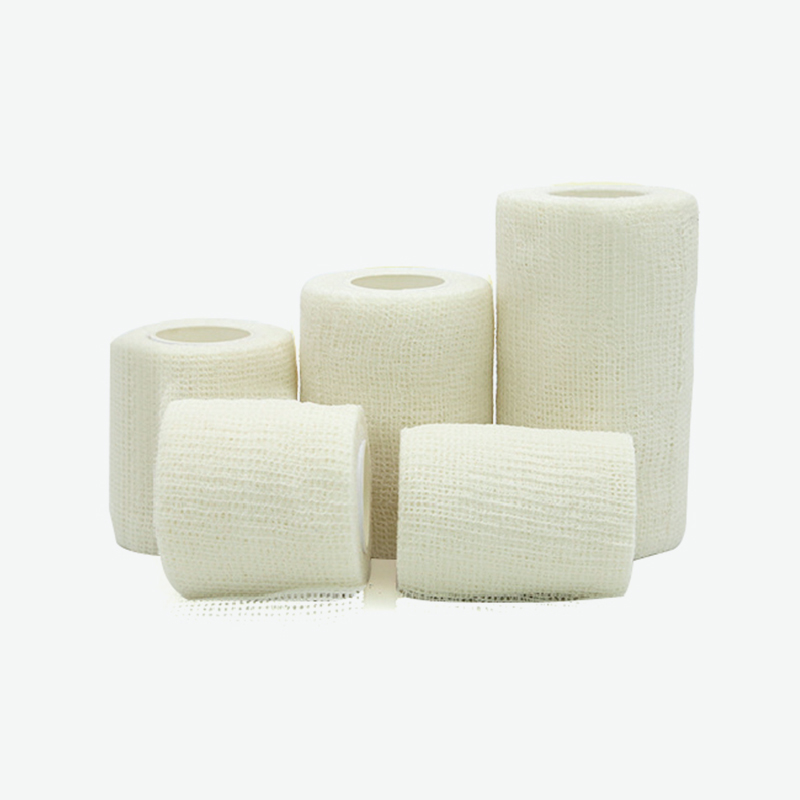
PBT self-adhesive bandage is a type of bandage made of cotton, polyester, and adhesive fibers, and coated with a self-adhesive adhesive layer. Its main feature is that it only adheres to itself and does not stick to the skin or hair.
Main features:
- Self-adhesive (key feature): No need for pins, clips or tape for fixation. Just wrap it and it will stick by itself, making it convenient to use.
- Good breathability: The non-woven fabric material gives it good breathability, preventing skin from becoming sweaty and damp, reducing discomfort.
- Moderate elasticity: Provides uniform pressure and good fit, can adapt to the contours of various body parts, such as joints, without affecting movement.
- Soft and comfortable: The material is soft and has good skin compatibility, making it comfortable to wear.
- Easy to tear and remove: No need for scissors, just tear it off with your hands; when removing, simply slowly loosen it, painless and without leaving any residual glue.
- Cost-effective: High cost performance. Main uses: Fixing dressings: This is the core purpose. Used to fix gauze, cotton pads and other wound dressings to prevent them from shifting or falling off. Provide mild compression: Used to handle soft tissue injuries such as sprains and strains, providing mild compression and support to help reduce swelling. Sports protection: Provides mild support and protection for athletes' wrist joints, ankle joints, etc. Used for wrapping hands (such as boxing, fighting), fixing sports equipment, etc. Post-operative care: Used to fix dressings on post-operative wounds or for compression bandaging. Pet care: Because it does not stick to hair, it is suitable for wrapping wounds for pets.
About Us
Wenzhou Zhusi Medical Supplies Co., Ltd.
Wenzhou Zhusi Medical is a custom PBT cohesive bandage manufacturer with multiple widths and colors. We specialize in breathable and comfortable PBT cohesive wrap, providing professional care solutions for clients in the fields of sports, medical care, personal care, animal health, tattoos, and beauty. Through technology and innovation, we strive to enable everyone in the world to enjoy a healthy and fulfilling life.
Our Mission:
We strive to achieve both material and spiritual well-being for all employees, spread love and health, and promote the accessibility of healthcare products to everyday families.
Our Vision:
To become a renowned company recognized by customers, respected by society, and ensuring employee well-being.
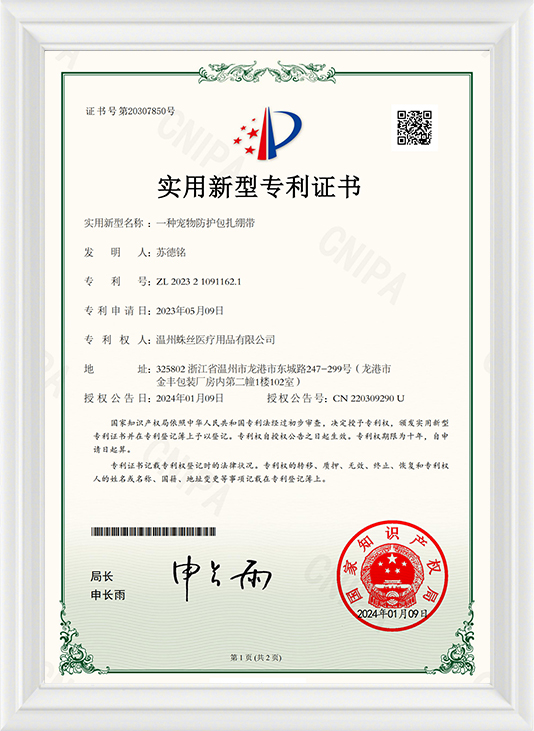
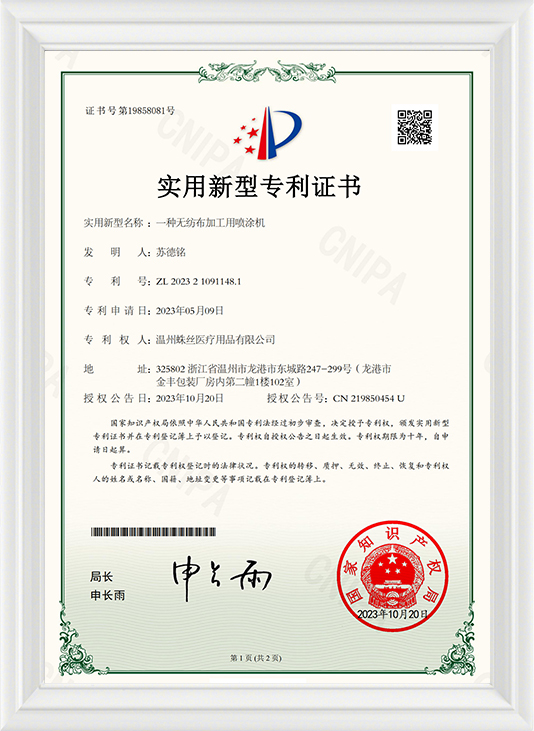
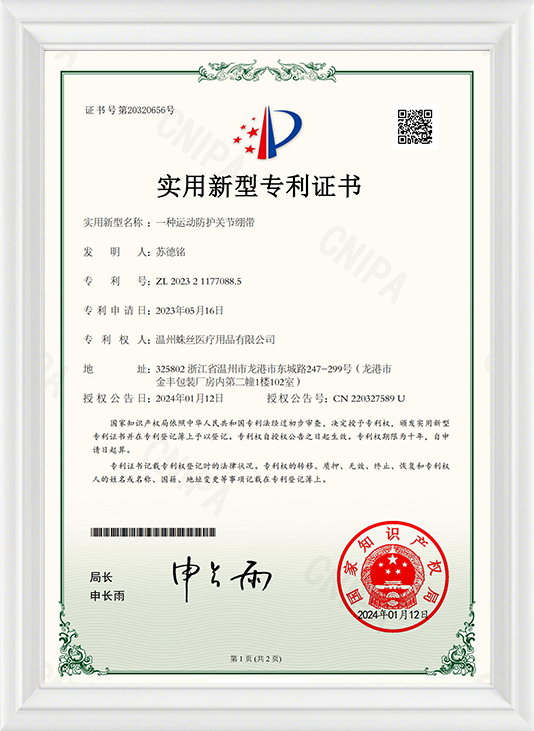
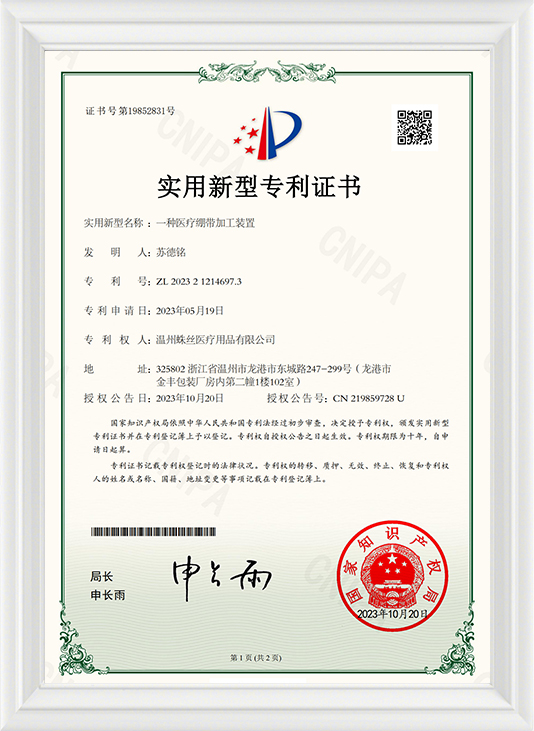
Certificate Of Honor
News
-
Sports taping is often treated as a simple wrapping task, but the material placed closest to the skin can influence how the outer tape feels...
READ MORE -
A bandage placed around a joint has to deal with constant changes in the shape of the skin. When an ankle bends, a wrist turns, or a knee fl...
READ MORE -
A cohesive bandage can look simple to use. It stretches, wraps around an area, and holds against itself without needing ordinary adhesive on...
READ MORE -
A bandage may look simple, but its performance depends on how it behaves after it has been wrapped around the body. It needs to remain in po...
READ MORE
Message Feedback
PBT Cohesive Bandage: Lightweight, Elastic and Self-Adhering
A PBT cohesive bandage is a lightweight elastic wrap designed to adhere to itself instead of sticking directly to the skin or hair. Its flexible knitted structure conforms to curved areas, while the cohesive surface helps overlapping layers remain together without separate clips or pins.
PBT cohesive wraps can be produced in different widths, roll lengths, colors and packaging formats. They are commonly supplied to medical product distributors, first-aid brands, sports care companies, veterinary suppliers and private-label customers.
What Is a PBT Cohesive Bandage?
A PBT cohesive bandage is generally made from a stretchable PBT-based fabric or elastic polyester yarn coated with a cohesive compound. The material stretches during wrapping and grips itself when one layer overlaps another.
Unlike conventional adhesive tape, the cohesive compound is intended to bond layer to layer rather than directly to skin or hair.
Main product characteristics
- Lightweight PBT-based elastic fabric
- Flexible construction for contouring
- Self-cohesive surface without clips or pins
- Soft and smooth hand feel
- Easy-to-carry roll format
- Multiple width and length options
- Neutral, bright or customized colors
- Individual, retail or bulk packaging
Material composition and cohesive formulations differ by manufacturer. Buyers should confirm the fiber content, stretch ratio, latex status and intended use before placing an order.
What Is an Elastic PBT Wrap?
An elastic PBT wrap is a stretchable bandage made with PBT yarn or a related elastic polyester construction. It is designed to follow body contours and retain a consistent shape during application.
When a cohesive coating is added, the wrap holds onto its overlapping layers without requiring additional fasteners.
Typical features of an elastic PBT wrap
- Stretchable knitted construction
- Lightweight material with low bulk
- Smooth surface for easier handling
- Self-adhering layer-to-layer performance
- Flexible fit around curved areas
- Available in several stretch levels
- Optional custom colors and packaging
Elasticity should be evaluated together with recovery. A bandage may stretch easily, but reliable elastic recovery helps it maintain its structure after application.
How Does a PBT Cohesive Bandage Work?
The bandage works through the interaction of two elements:
- The elastic fabric stretches to follow the shape of the wrapped area.
- The cohesive surfaces grip each other when the layers overlap.
This construction eliminates the need for separate clips in normal wrapping applications. The wrap should still be applied with controlled tension. Pulling it to its maximum stretch may create unnecessary pressure and reduce comfort.
A PBT cohesive bandage is not the same as pressure-sensitive adhesive tape. Adhesive tape is designed to stick directly to a surface, while cohesive wrap is designed primarily to stick to itself.
PBT Cohesive Bandage Materials and Construction
Product performance depends on the yarn, knitting method, cohesive formulation and finishing process. Buyers should review the complete specification instead of relying only on the product name.
| Component | Main Function | What Buyers Should Confirm |
| PBT-based yarn or fabric | Creates a lightweight and flexible base | Fiber composition and fabric weight |
| Elastic yarn or elastic structure | Provides stretch and recovery | Maximum stretch and recovery rate |
| Cohesive compound | Allows overlapping layers to grip | Latex-containing or latex-free formula |
| Colorant | Produces standard or custom colors | Color consistency and colorfastness |
| Inner core | Maintains the roll shape | Core size and material |
| Individual wrapper | Protects the bandage during storage | Packaging material and sealing method |
The term “self-adhesive” is widely used in the market, but self-cohesive or self-adhering is usually more accurate because the wrap bonds to itself rather than using conventional skin adhesive.
Available Sizes, Colors and Packaging
PBT cohesive bandages can be adapted to different retail and professional product lines. Available configurations depend on the manufacturer’s machinery and order quantity.
Width and roll length
Narrow rolls are easier to handle around fingers, hands or other small areas. Wider bandages cover larger areas with fewer overlapping turns.
Common purchasing variables include:
- Bandage width
- Original roll length
- Stretched roll length
- Finished roll diameter
- Maximum stretch ratio
- Inner core diameter
- Individual roll weight
Product pages should clearly state whether the advertised length is measured before or after stretching. This prevents specification disputes and makes it easier for buyers to compare quotations.
Color choices
Possible color options may include:
- White
- Beige or skin tone
- Black
- Blue
- Red
- Green
- Yellow
- Pink
- Customized Pantone colors
Printed patterns may also be available when supported by the production method and minimum order quantity.
Packaging options
Depending on the sales channel, the bandages may be supplied as:
- Individually wrapped rolls
- Rolls packed in retail boxes
- Multi-roll packs
- Display boxes
- Plain export cartons
- Private-label packaging
- Customized e-commerce packaging
All custom dimensions, colors and packaging formats should be approved through samples or written specifications before mass production.
How to Choose a PBT Cohesive Bandage
Choosing the right product involves more than selecting a color. Buyers should compare material, stretch, cohesion, packaging and market requirements.
1. Confirm the material composition
Ask the manufacturer to provide the actual fiber composition. Avoid using a general “PBT material” description when the product contains several yarn or coating components.
2. Check the stretch specification
Confirm whether the stated roll length is the relaxed length or stretched length. The required stretch level may vary according to the intended product category.
3. Verify the cohesive formulation
Some cohesive compounds contain natural rubber latex. Other products use synthetic latex-free formulations.
When latex sensitivity is a concern, obtain a written material declaration or relevant test document. Do not describe a product as latex-free without supporting evidence.
4. Evaluate self-cohesion
The bandage should adhere reliably to its overlapping layers without being difficult to unwind. Cohesion should remain reasonably consistent from the beginning to the end of the roll.
5. Inspect the edges
Clean, stable edges reduce fraying and help the bandage unwind evenly. Edge quality is particularly important for narrow-width products.
6. Match packaging to the market
Retail products usually require clear labeling, barcodes and consumer instructions. Hospital, veterinary or wholesale products may use different packing quantities and carton markings.
How to Apply an Elastic PBT Cohesive Wrap
A cohesive wrap should be applied evenly and without excessive tension.
- Make sure the application area is clean and dry.
- Unroll a short section before starting.
- Place the first layer gently without pulling it tightly.
- Continue wrapping with consistent overlap.
- Allow each layer to contact the previous layer.
- Use only enough tension to achieve a comfortable fit.
- Tear or cut the bandage according to the product construction.
- Press the loose end onto the preceding layer.
- Do not apply the wrap at its maximum stretch. Remove or reapply it if the user experiences numbness, tingling, increasing pain, discoloration, unusual swelling or coldness.
When used in wound management, injury care or other medical situations, the bandage should be selected and applied according to product instructions and professional guidance.
PBT Cohesive Bandage vs. Standard Woven Bandage
The main difference is the fastening method. A cohesive PBT wrap holds to itself, while a conventional woven bandage may require tape, clips or pins.
| Feature | PBT Cohesive Bandage | Standard Woven Bandage |
| Fastening | Adheres to overlapping layers | Often needs clips, pins or tape |
| Fabric structure | Lightweight and elastic | Varies by fiber and weave |
| Direct adhesion to skin | Designed not to stick directly | Depends on the securing material |
| Conformability | Follows curved areas easily | Depends on elasticity |
| Available colors | Neutral, bright and customized | Commonly white or beige |
| Additional fasteners | Normally not required | May be required |
| Packaging options | Retail, bulk and private label | Retail or bulk |
A PBT cohesive bandage is usually selected when buyers need a lightweight, stretchable wrap with self-cohesive handling. A woven bandage may be more appropriate when a non-cohesive construction is specifically required.
PBT Cohesive Wrap vs. Cotton Cohesive Wrap
PBT and cotton cohesive bandages may look similar, but their base materials and handling characteristics are different.
| Feature | PBT Cohesive Wrap | Cotton Cohesive Wrap |
| Main base material | PBT-based or elastic polyester fabric | Cotton or cotton-blend fabric |
| Hand feel | Smooth and lightweight | Soft with a more natural textile feel |
| Stretch | Usually high and flexible | Depends on the elastic fiber blend |
| Moisture behavior | Low moisture absorption compared with cotton | Cotton may absorb more moisture |
| Roll bulk | Often compact | May be thicker depending on fabric weight |
| Color options | Multiple standard or custom colors | Multiple standard or custom colors |
Neither material is automatically better for every application. The correct choice depends on the required feel, stretch, fabric weight, packaging and target price.
OEM and Private-Label PBT Cohesive Bandages
For an accurate OEM quotation, buyers should provide a complete product brief.
Information required for an RFQ
- Intended product category
- Material or fiber composition
- Latex-containing or latex-free requirement
- Bandage width
- Relaxed and stretched roll length
- Stretch ratio
- Fabric weight
- Required color or Pantone reference
- Printing or pattern requirements
- Individual packaging format
- Retail box design
- Rolls per box and boxes per carton
- Destination country
- Required quality documents
- Estimated order quantity
- Target delivery schedule
Custom colors, dimensions and packaging may be subject to minimum order quantities. A pre-production sample should be approved before the full order begins.
Frequently Asked Questions
What is a PBT cohesive bandage made of?
A PBT cohesive bandage is generally made from a stretchable PBT-based fabric or elastic polyester yarn combined with a cohesive compound. The exact composition depends on the manufacturer and should be confirmed through the technical specification.
Does a PBT cohesive bandage stick to skin?
It is designed to adhere to its own overlapping layers rather than directly to skin or hair. This differs from conventional pressure-sensitive adhesive tape.
Is PBT cohesive wrap the same as PBT conforming bandage?
Not always. A PBT conforming bandage may be elastic but non-cohesive, meaning it can require a separate fastener. A PBT cohesive bandage includes a layer-to-layer gripping compound.
Are all PBT cohesive bandages latex-free?
No. Some cohesive formulations contain natural rubber latex, while others use synthetic latex-free compounds. Latex status must be verified for each product.
Can the wrap be torn by hand?
Hand-tear performance depends on fabric density, yarn structure and coating. Some PBT cohesive bandages tear easily by hand, while others are better cut with scissors.
Is the stated roll length stretched or unstretched?
This varies between suppliers. Product specifications and quotations should state clearly whether the length is measured in a relaxed or fully stretched condition.
Can PBT cohesive bandages be customized?
Depending on manufacturing capability, customization may include width, roll length, stretch, color, printing, individual wrapping, retail boxes and carton markings.
Is a PBT cohesive bandage reusable?
Most cohesive bandages are intended for limited or single-user application. Stretch, cohesion and cleanliness may decrease after removal. Usage should follow the product label and instructions.

“This website is for users outside of China.”
Copyright © 2025 Wenzhou Zhusi Medical Supplies Co., Ltd. All Reserved. Approval No:浙温械备20250002 & 浙温械备 20190061 号 & 浙温药监械生产备20190011号
OEM PBT Self-Adhesive Bandage Manufacturer
