


 English
 中文简体
中文简体
 Español
 عربى
عربى
 Français
 Português
Self Adhesive Gauze Bandage
Gauze Cohesive Bandage
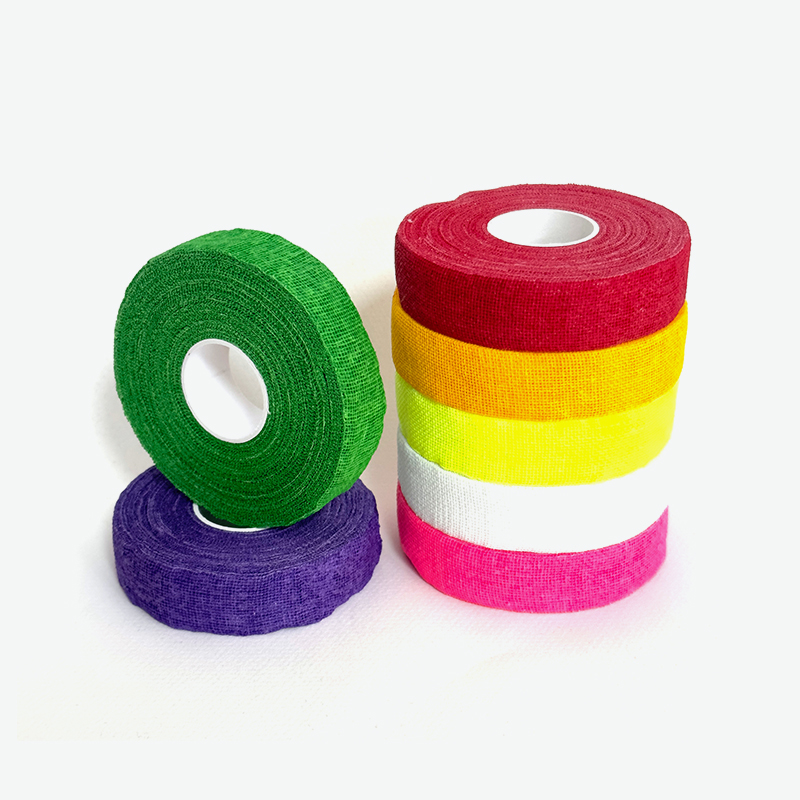
Gauze self-adhesive bandage is a type of bandage made of gauze fabric and coated with self-adhesive adhesive layer. Its main feature is that it only adheres to itself and does not stick to the skin or hair.
Main features:
1. Self-adhesive (key feature): No need for pins, clips or tape for fixation. Just wrap it and it will stick by itself, making it convenient to use.
2. Good breathability: The non-woven fabric material gives it good breathability, preventing skin from becoming sweaty and damp, reducing discomfort.
3. Moderate elasticity: Provides uniform pressure and good fit, can adapt to the contours of various body parts, such as joints, without affecting movement.
4. Soft and comfortable: The material is soft and has good skin compatibility, making it comfortable to wear.
5. Easy to tear and remove: No need for scissors, just tear it off with your hands; when removing, simply slowly loosen it, painless and without leaving any residual glue.
6. Cost-effective: High cost performance. Main uses: Fixing dressings: This is the core purpose. Used to fix gauze, cotton pads and other wound dressings to prevent them from shifting or falling off. Provide mild compression: Used to handle soft tissue injuries such as sprains and strains, providing mild compression and support to help reduce swelling. Sports protection: Provides mild support and protection for athletes' wrist joints, ankle joints, etc. Used for wrapping hands (such as boxing, fighting), fixing sports equipment, etc. Post-operative care: Used to fix dressings on post-operative wounds or for compression bandaging. Pet care: Because it does not stick to hair, it is very suitable for wrapping wounds for pets.
About Us
Wenzhou Zhusi Medical Supplies Co., Ltd.
Wenzhou Zhusi Medical is a gauze cohesive bandage manufacturer and factory for customized solutions. We specialize in flexible cohesive bandage, providing professional care solutions for clients in the fields of sports, medical care, personal care, animal health, tattoos, and beauty. Through technology and innovation, we strive to enable everyone in the world to enjoy a healthy and fulfilling life.
Our Mission:
We strive to achieve both material and spiritual well-being for all employees, spread love and health, and promote the accessibility of healthcare products to everyday families.
Our Vision:
To become a renowned company recognized by customers, respected by society, and ensuring employee well-being.
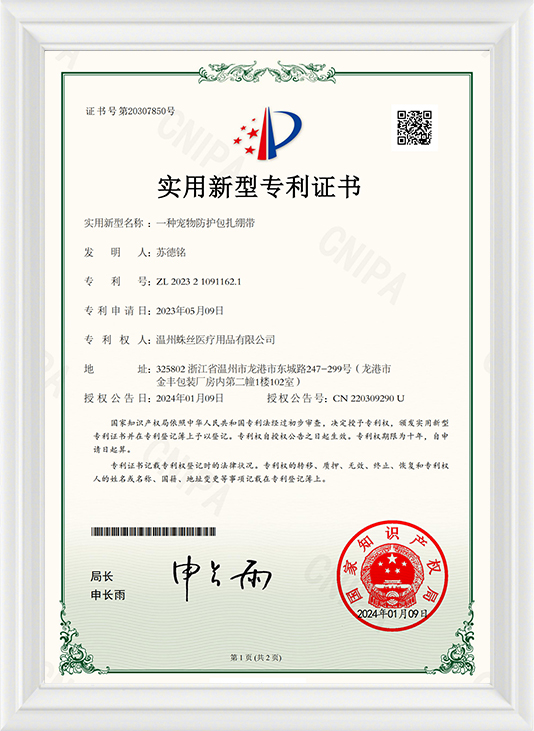
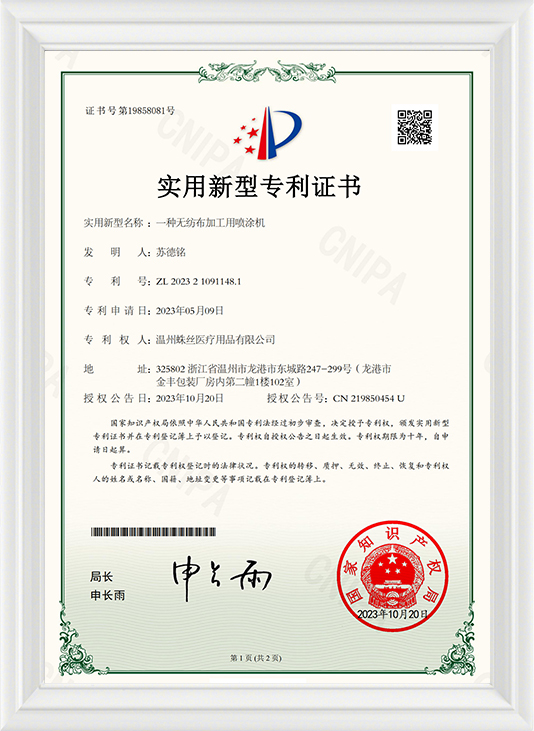
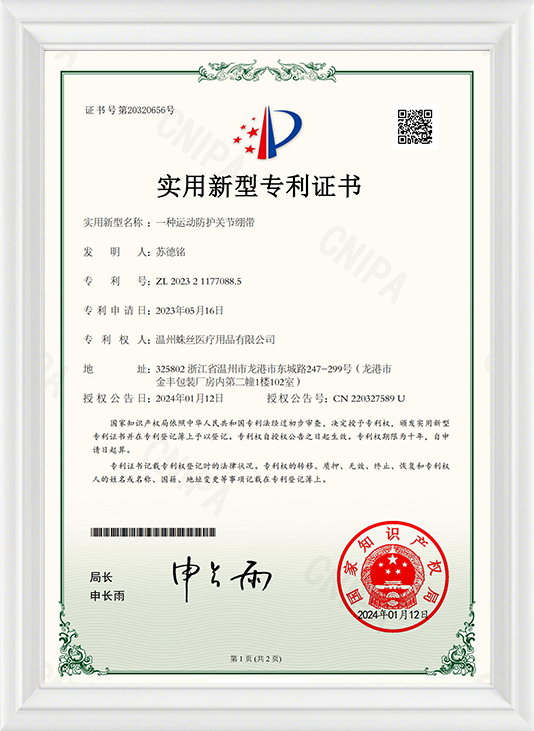
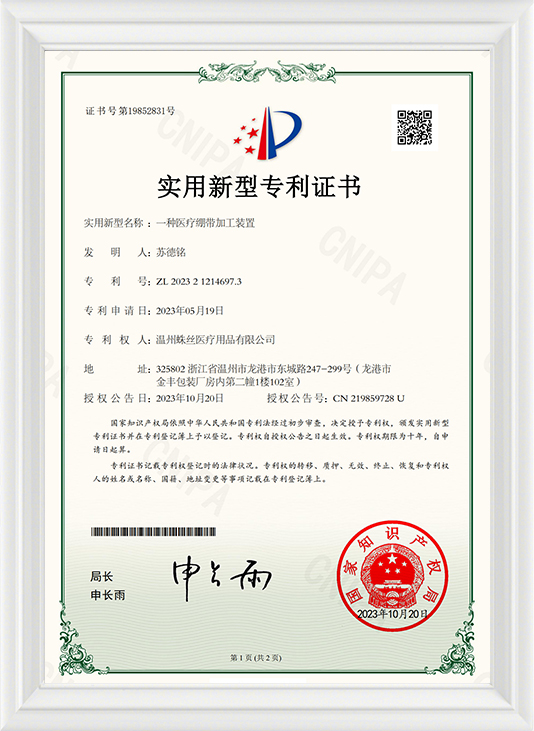
Certificate Of Honor
News
-
Sports taping is often treated as a simple wrapping task, but the material placed closest to the skin can influence how the outer tape feels...
READ MORE -
A bandage placed around a joint has to deal with constant changes in the shape of the skin. When an ankle bends, a wrist turns, or a knee fl...
READ MORE -
A cohesive bandage can look simple to use. It stretches, wraps around an area, and holds against itself without needing ordinary adhesive on...
READ MORE -
A bandage may look simple, but its performance depends on how it behaves after it has been wrapped around the body. It needs to remain in po...
READ MORE
Message Feedback
Gauze Cohesive Bandage: Materials, Selection and Product Comparison
A gauze cohesive bandage is an elastic gauze wrap that adheres to its own overlapping layers rather than directly to skin or hair. Its self-cohesive construction usually removes the need for pins, clips or separate adhesive tape. The gauze structure provides a lightweight textile surface, while the elastic component helps the wrap follow curved areas and joints. For professional sourcing, the main evaluation points include fabric composition, width, roll length, elasticity, cohesive performance, edge stability, latex status, packaging format and consistency between production batches.
What Is a Gauze Cohesive Bandage?
A gauze cohesive bandage is made from a stretchable gauze-based fabric treated with a cohesive compound. When one section overlaps another, the two surfaces grip each other and keep the wrap together.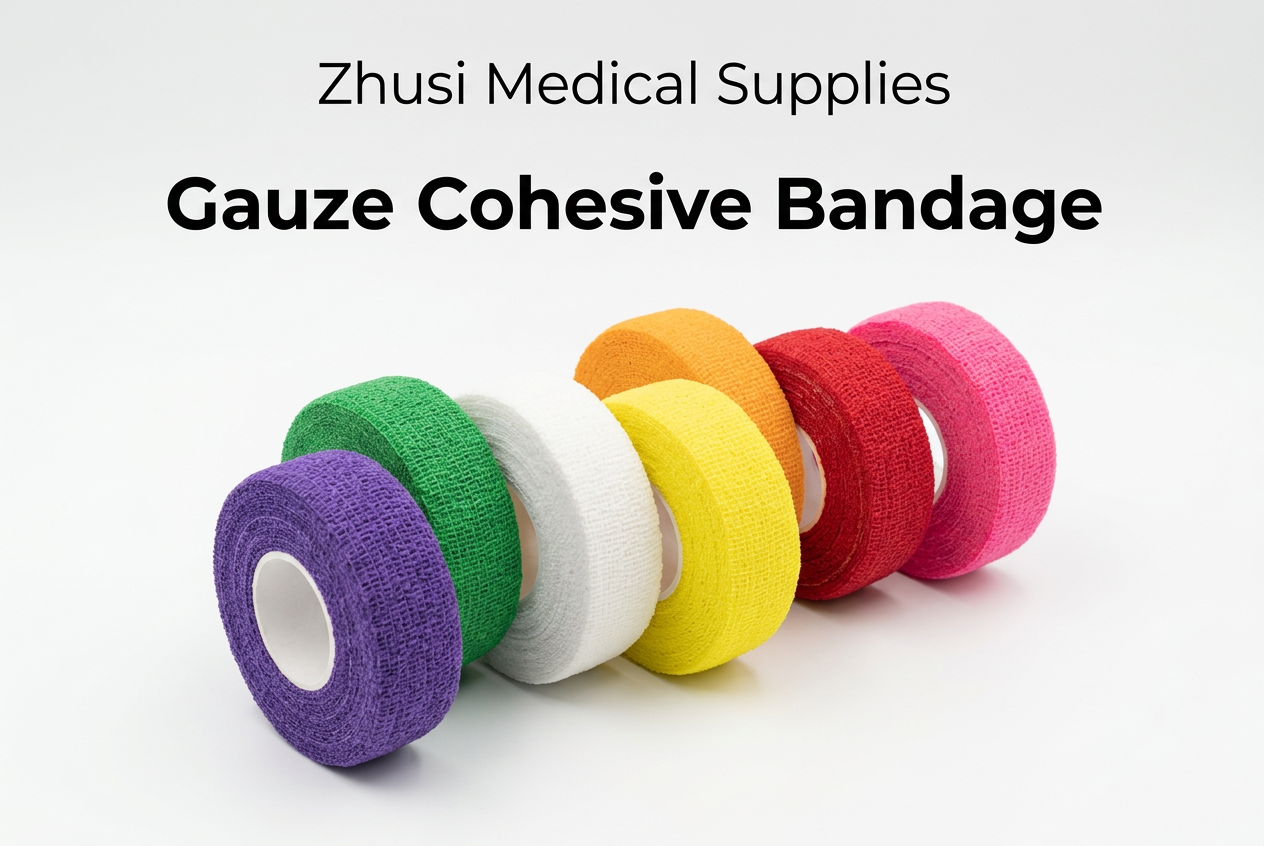
This mechanism is different from conventional pressure-sensitive adhesive. A cohesive wrap is intended to bond primarily to itself, so it does not normally leave adhesive residue on skin or pull hair during removal.
Typical characteristics include:
- Gauze-based textile structure
- Elasticity for contouring
- Layer-to-layer cohesion
- No separate clips or pins
- Lightweight roll construction
- Hand-tear or scissor-cut formats, depending on the fabric
- Different widths and roll lengths
- Individual wrapping and customized packaging possibilities
The term gauze cohesive bandage describes the construction of the product, but it does not define an exact fiber formula. Gauze may be made from cotton, viscose, polyester or a blend. Product composition should therefore be confirmed through the relevant technical specification.
Cohesive, Adhesive and Conforming: What Is the Difference?
These terms are sometimes used interchangeably in online product descriptions, but they refer to different material behaviors.
| Term | Meaning | Fastening Method | Key Distinction |
| Cohesive bandage | A wrap designed to grip its own layers | Overlapping layers adhere to each other | Normally does not use direct skin adhesion |
| Adhesive bandage | A product containing pressure-sensitive adhesive | Adhesive contacts skin or another surface | May leave residue depending on the formula |
| Conforming bandage | A wrap designed to follow body contours | May need tape, clips or another fastener | Conforming does not automatically mean cohesive |
| Ordinary gauze bandage | A woven or knitted gauze wrap | Usually requires separate fixation | May have little or no elasticity |
“Soft Gauze Adhesive Bandage” may appear as a commercial search phrase, but Soft Gauze Cohesive Bandage is generally the more precise description when the material adheres only to itself.
This terminology matters when comparing products. A gauze wrap can be elastic without being cohesive, and an individually wrapped bandage is not automatically sterile.
Gauze Cohesive Bandage Materials and Construction
The handling of cohesive gauze depends on the interaction between its base fabric, elastic component and cohesive compound. Two products with a similar appearance may unwind, stretch and tear differently because of variations in yarn, fabric density or surface treatment.
Gauze base fabric
The base material creates the main textile structure. Depending on the product specification, the fabric may contain:
- Cotton
- Viscose
- Polyester
- Cotton-blend fibers
- Other textile blends
Fiber selection can influence texture, weight, moisture behavior and dimensional stability. The word gauze alone does not confirm that the product is made entirely from cotton.
Elastic component
Elastic yarn or an elastic fabric structure allows the bandage to extend during application. Relevant characteristics include:
- Maximum stretch
- Elastic recovery
- Resistance to permanent deformation
- Consistency across the roll
- Behavior after repeated handling
Maximum stretch and recovery are not the same. A material may extend easily but return poorly after tension is released. Both characteristics should be considered when evaluating samples.
Cohesive compound
The cohesive compound provides layer-to-layer grip. Its purpose is to keep overlapping sections together without conventional adhesive tape.
Some cohesive formulations in the wider market may contain natural rubber latex, while others use different compounds. The composition cannot be determined by appearance. Any latex-related description should be supported by the corresponding material information.
Edge construction
Stable edges help the roll unwind evenly and reduce loose fibers. Edge quality becomes especially noticeable in narrow-width products and hand-tear constructions.
Points worth examining include:
- Fraying during unwinding
- Loose yarn at the cut edge
- Curling after stretching
- Uneven width
- Difficulty starting a hand tear
- Excessive deformation after tearing
Core and primary packaging
The inner core supports the roll and helps maintain its shape. Primary wrapping protects the bandage from dust, moisture and handling before use.
An individual wrapper is a protective package. It should not be described as a sterile barrier unless the product and packaging system have the documentation required for that statement.
Sterile and Non-Sterile Cohesive Gauze
Sterile and non-sterile cohesive gauze are distinguished by processing, packaging and documented product status—not simply by how clean or neat the package looks.
A sterile product must be processed through a defined sterilization procedure and placed in a suitable barrier system. The claimed condition must be supported throughout the stated shelf life. A non-sterile product may still be individually wrapped to protect it during storage and transportation.
| Aspect | Sterile Cohesive Gauze | Non-Sterile Cohesive Gauze |
| Product status | Supplied with a documented sterile claim | Supplied without a sterile claim |
| Packaging | Requires an appropriate sterile barrier | May use individual or multipiece packaging |
| Label information | Usually identifies sterile status and related traceability details | Displays standard product and batch information |
| Package integrity | Barrier integrity is essential for maintaining the stated condition | Wrapper protects against routine handling and dust |
| Shelf-life basis | Requires relevant product and packaging evidence | Depends on material and packaging stability |
| Use after package damage | Should not retain a sterile claim after barrier damage | Suitability depends on product condition and instructions |
Individual packaging alone does not prove sterility. Terms such as sterile cohesive gauze should appear only when supported by the applicable product documentation.
When comparing sterile and non-sterile formats, review the product label, package integrity, traceability information and stated storage conditions. Product status should remain consistent across the website, technical sheet, package artwork and accompanying documents.
How to Choose a Gauze Cohesive Bandage
The right cohesive gauze depends on measurable specifications rather than color or appearance alone. A structured evaluation helps distinguish meaningful differences between samples.
1. Review the fiber composition
Confirm whether the base fabric contains cotton, viscose, polyester or a blend. Fiber composition influences the textile feel and may also affect fabric weight, moisture interaction and cost.
The specification should identify the actual composition where available. Descriptions such as “gauze material” or “soft fabric” do not provide enough detail for a technical comparison.
2. Compare width and roll length
Width affects coverage and handling. Narrow rolls are easier to control on smaller areas, while wider rolls cover a broader surface with fewer turns.
Roll length requires careful attention because it may be stated in two ways:
- Relaxed length: measured without extending the material
- Stretched length: measured after the material has been extended
Two rolls carrying the same nominal length may contain different amounts of material if one figure represents relaxed length and the other represents stretched length. The measurement condition should always be stated clearly.
3. Assess stretch and recovery
Stretch ratio indicates how far the bandage can extend. Recovery describes how well it returns toward its original dimensions after tension is released.
During sample review, check whether:
- Stretch feels even across the roll
- The material becomes excessively narrow when extended
- The edges curl under tension
- Recovery remains consistent
- The end of the roll behaves like the beginning
An extremely stretchable bandage is not automatically more suitable. Controlled elasticity and stable recovery are often more useful than maximum extension alone.
4. Examine cohesive performance
The wrap should grip its overlapping layers without becoming difficult to unwind. Too little cohesion may allow the layers to separate. Excessive cohesion can cause blocking, uneven unwinding or fabric distortion.
A practical review can consider:
- Initial layer-to-layer grip
- Cohesion after light stretching
- Security of the final end
- Ease of repositioning during application
- Unwinding from the first turn to the final turn
- Visible transfer from the cohesive surface
The result should be compared under consistent storage and test conditions.
5. Inspect edge stability and hand tearing
If a hand-tear format is required, test the product in both relaxed and stretched conditions. A clean tear should not create excessive loose fibers or cause the bandage to split along its length.
Where clean cutting is more important than hand tearing, scissors may provide better control. Hand-tear performance depends on the yarn structure, fabric density, cohesive treatment and edge finish.
6. Confirm latex status
Latex status should be established through product information rather than assumptions. A cohesive wrap that does not stick to skin may still contain natural rubber latex in its cohesive formulation.
Any latex-free statement requires suitable supporting records. The same description should appear consistently on the label, specification and packaging artwork.
7. Match the packaging to the sales channel
Packaging requirements vary between healthcare distribution, pharmacy presentation, first-aid kits, sports care, animal health and personal care applications.
Items to define include:
- Individual wrapper material
- Printed or transparent packaging
- Retail box dimensions
- Number of rolls per box
- Label language
- Barcode position
- Product identification
- Batch information
- Storage statement
- Outer carton markings
Packaging should be evaluated together with the finished roll dimensions. A change in width, length or core size may also require a different wrapper or box.
Gauze Cohesive Bandage vs. Standard Woven Bandage
The main difference is how the wrap stays in place. Cohesive gauze grips itself, while a standard woven bandage may rely on a separate fastening method.
| Feature | Gauze Cohesive Bandage | Standard Woven Bandage |
| Fastening | Overlapping layers grip each other | May require clips, pins or tape |
| Direct skin adhesion | Designed primarily for self-cohesion | Depends on the separate fastener |
| Elasticity | Elastic construction is commonly available | Varies by weave and material |
| Contouring | Follows curved areas through stretch and overlap | Depends on fabric construction |
| Removal | Unwrapped from its own layers | Fastener must usually be removed first |
| Product format | Cohesive roll with protective packaging | Conventional roll or individually packed format |
| Main evaluation points | Cohesion, stretch, recovery and unwinding | Weave, strength, elasticity and fastening |
A gauze cohesive bandage is more appropriate when self-fixation is part of the required product design. A standard woven bandage remains relevant where a non-cohesive structure is preferred.
Gauze Cohesive Bandage vs. PBT Cohesive Bandage
Both products can use layer-to-layer cohesive technology, but their base structures may produce different handling characteristics.
| Feature | Gauze Cohesive Bandage | PBT Cohesive Bandage |
| Base material | Cotton, viscose, polyester or blended gauze | PBT-based elastic textile structure |
| Surface character | Gauze-like textile feel | Typically smoother and more uniform |
| Elastic behavior | Depends on gauze density and elastic yarn | Influenced by the PBT structure |
| Edge behavior | Should be checked for fraying and loose fibers | Should be checked for curling and deformation |
| Hand tearing | Depends on fabric and coating construction | Depends on yarn density and finishing |
| Cohesive mechanism | Overlapping layers grip each other | Overlapping layers grip each other |
| Selection basis | Fiber preference, texture, stretch and packaging | Elastic behavior, surface feel, weight and packaging |
Neither construction is inherently superior in every setting. Material choice should reflect the required textile feel, elasticity, roll dimensions, cohesive behavior and presentation format.
Samples should be compared using the same width, stated length condition and test method. Otherwise, differences in size or tension can make the comparison misleading.
Why Choose Zhusi Gauze Cohesive Bandage?
Wenzhou Zhusi Medical Supplies Co., Ltd. is a manufacturer focused on personalized healthcare products. The company serves product fields that include sports, medical care, personal care, animal health, tattoos and beauty.
For the Custom Gauze Cohesive Bandage category, available project discussions can focus on the product characteristics shown on the website, including gauze-based construction, self-cohesive handling, elasticity, breathability and customization.
Zhusi’s product approach is relevant to companies developing:
- Medical care product ranges
- Sports care selections
- Personal care lines
- Animal health products
- First-aid assortments
- Customized healthcare packaging
Before finalizing a specification, the intended product name, size, material, color and packaging information should be aligned. Any additional statement concerning composition, sterile status, latex status or regulatory classification should be based on the corresponding documentation.
Frequently Asked Questions
What is a gauze cohesive bandage?
A gauze cohesive bandage is an elastic gauze-based wrap that adheres to its own overlapping layers. It is designed to remain wrapped without conventional skin adhesive, clips or pins. The base fabric may contain cotton, viscose, polyester or blended fibers, depending on the individual product specification.
Does cohesive gauze stick to skin?
Cohesive gauze is designed primarily to stick to itself rather than directly to skin or hair. The overlapping surfaces grip each other as the bandage is wrapped. This mechanism differs from pressure-sensitive adhesive tape, which uses an adhesive layer intended to contact another surface.
Is cohesive gauze the same as adhesive gauze?
No. Cohesive gauze bonds to its own layers, while adhesive gauze contains or uses adhesive intended to contact skin or another surface. The terms are sometimes mixed in commercial descriptions, but gauze cohesive bandage is more precise for a self-gripping wrap.
What materials are used in cohesive gauze?
The gauze base may be made from cotton, viscose, polyester or a blend. Elastic yarn provides stretch, and a cohesive compound creates layer-to-layer grip. The exact formula varies by product, so fiber composition and cohesive ingredients should be confirmed through the applicable specification.
Are all gauze cohesive bandages sterile?
No. Gauze cohesive bandages can be supplied in different product conditions. An individual wrapper protects against routine handling but does not, by itself, establish sterility. A sterile claim requires appropriate processing, barrier packaging, labeling and supporting documentation.
Does cohesive gauze contain latex?
Some cohesive compounds used within the wider industry may contain natural rubber latex, while other formulations do not. Latex status cannot be identified from the bandage’s appearance or self-cohesive behavior. Any related statement should be checked against the corresponding material records and label information.
Is roll length measured stretched or unstretched?
Either method may be used, depending on the specification. Relaxed length is measured without extending the material, while stretched length is measured after extension. The measurement condition should always appear clearly because rolls with the same stated length may contain different amounts of fabric.
Can gauze cohesive bandage be torn by hand?
Some gauze cohesive bandages are designed for hand tearing, while others are more accurately cut with scissors. Tear behavior depends on yarn density, fabric construction, edge finishing and cohesive treatment. A sample should be evaluated to confirm whether the tear is clean and controlled.
What should be inspected before product selection?
Important checks include material composition, width, relaxed and stretched length, roll weight, elasticity, recovery, cohesive grip, unwinding, edge stability, color consistency, wrapper condition and label accuracy. Latex and sterile statements should also be reviewed against the corresponding product information.
Can gauze cohesive bandages be customized?
The category is presented by Zhusi as a custom gauze cohesive bandage. Relevant project details may include size, color and packaging presentation. Final feasibility depends on the selected specification. Any special material, sterile or latex-related requirement needs to be confirmed separately and supported by appropriate documentation.
What is the difference between gauze cohesive bandage and PBT cohesive bandage?
The main distinction is the base textile structure. Gauze cohesive bandages use a gauze-based fabric, while PBT cohesive bandages use a PBT-based elastic structure. This difference can affect surface feel, stretch behavior, edge stability and handling, even when both products use self-cohesive technology.
Selecting cohesive gauze involves more than checking the appearance of the finished roll. Fabric composition influences its texture and weight, elastic yarn affects stretch and recovery, and the cohesive treatment determines how securely each overlapping layer grips the next. Roll dimensions, edge stability, unwinding consistency, latex status and packaging integrity should also be reviewed when comparing products.
ZHUSI Gauze Cohesive Bandage brings these elements together in a customizable format for different healthcare product lines. Using clearly defined specifications and approved reference samples helps maintain consistent handling, appearance and packaging from one production batch to the next.

“This website is for users outside of China.”
Copyright © 2025 Wenzhou Zhusi Medical Supplies Co., Ltd. All Reserved. Approval No:浙温械备20250002 & 浙温械备 20190061 号 & 浙温药监械生产备20190011号
OEM Self Adhesive Cohesive Bandage
