


 English
 中文简体
中文简体
 Español
 عربى
عربى
 Français
 Português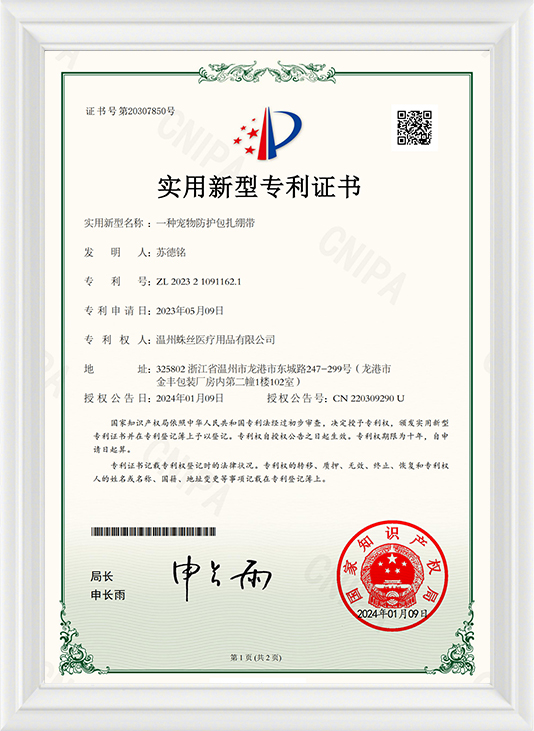
Sports taping is often treated as a simple wrapping task, but the material placed closest to the skin can influence how the outer tape feels...
READ MOREElastic Bandage
information to be updated
Elastic bandages are medical devices made from natural fibers or synthetic materials. They are highly elastic and breathable, suitable for a variety of medical and sports scenarios.
Applications:
- Medical: Wound fixation dressings to restrict limb movement. Assisting in fracture fixation and providing additional support. It promotes blood circulation.
- Sports: Sports protection to reduce the risk of joint and muscle injuries. Support and protection for recovery after sports injuries.
- Other: Fixation and support after cosmetic and plastic surgery. Temporary bandages for field training and trauma first aid.
Key Advantages:
- High elasticity: Adapts to body movements without hindering joint mobility.
- Good breathability: Reduces wound moisture and the risk of infection.
- Comfort: Soft texture reduces skin friction and discomfort.
- Convenient: Easy to use without requiring specialized skills.
About Us
Wenzhou Zhusi Medical Supplies Co., Ltd.
Wenzhou Zhusi Medical is a elastic bandage supplier for different sizes, materials, and support needs. We specialize in medical elastic bandage, providing professional care solutions for clients in the fields of sports, medical care, personal care, animal health, tattoos, and beauty. Through technology and innovation, we strive to enable everyone in the world to enjoy a healthy and fulfilling life.
Our Mission:
We strive to achieve both material and spiritual well-being for all employees, spread love and health, and promote the accessibility of healthcare products to everyday families.
Our Vision:
To become a renowned company recognized by customers, respected by society, and ensuring employee well-being.
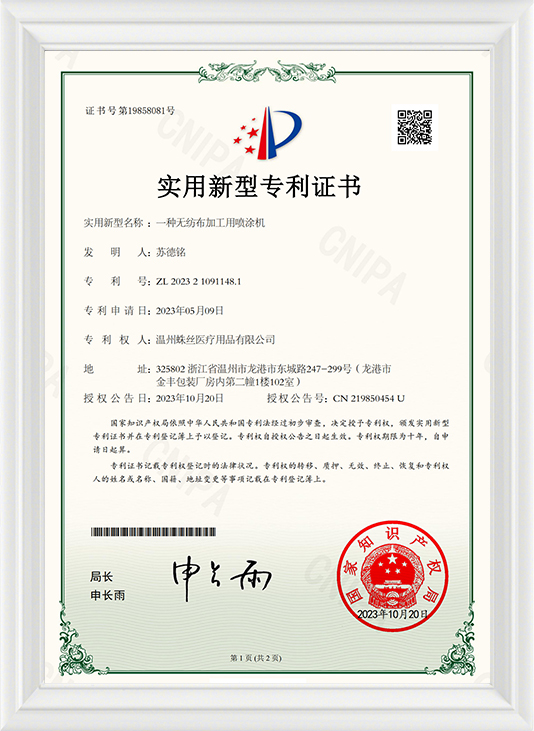
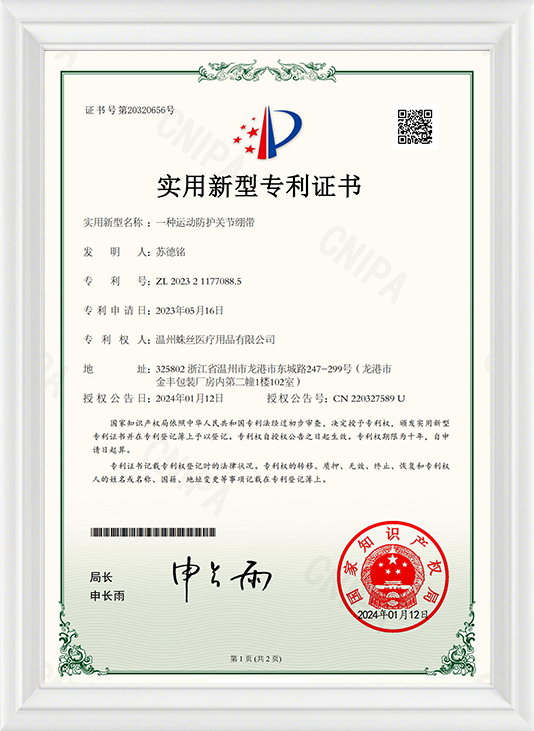
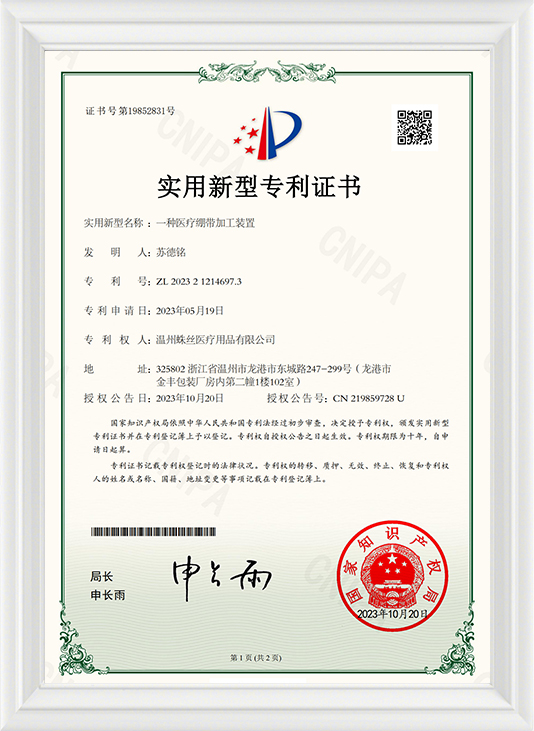
Certificate Of Honor
News
-
-
A bandage placed around a joint has to deal with constant changes in the shape of the skin. When an ankle bends, a wrist turns, or a knee fl...
READ MORE -
A cohesive bandage can look simple to use. It stretches, wraps around an area, and holds against itself without needing ordinary adhesive on...
READ MORE -
A bandage may look simple, but its performance depends on how it behaves after it has been wrapped around the body. It needs to remain in po...
READ MORE
Message Feedback
EAB Bandage and Supportive Elastic Wrap: Materials, Styles, and Everyday Creative Uses
Elastic bandage material is usually associated with first-aid kits, sports bags, and treatment rooms. Look at it from a design perspective, however, and different qualities come forward: a visible weave, soft edges, controlled stretch, and the ability to form curves that rigid paper or plastic strips cannot hold.
Two products often compared are EAB Bandage and Supportive Elastic Wrap. EAB—short for Elastic Adhesive Bandage—typically combines a stretchable woven backing with an adhesive coating. Supportive Elastic Wrap is commonly a reusable, non-adhesive or self-clinging wrap, depending on the product specification. Both offer texture and flexibility, but they handle differently enough to suit distinct creative, display, and organizational tasks.
What Elasticity Brings to a Bandage Material
Elasticity changes both how a material behaves and how it looks. A strip can remain flat, follow a curved outline, gather into soft folds, or create tension between two points. The weave becomes more open when stretched and denser when relaxed, adding a visual quality that ordinary fabric ribbon does not provide.
Elastic bandages are commonly produced from cotton, polyester, rayon, elastane, rubber threads, or combinations of these materials. Their exact composition varies by manufacturer and product grade.
Several characteristics make elastic bandage material interesting beyond its conventional role:
- The woven backing introduces visible grain and textile texture.
- Controlled stretch allows the material to follow curves and irregular forms.
- Soft edges create less visual harshness than cut plastic film.
- Different widths can be overlapped to build layered surfaces.
- Tension changes the apparent density and rhythm of the weave.
- Rolls can be cut into strips, wrapped around objects, or arranged in repeating patterns.
The main differences between EAB Bandage and Supportive Elastic Wrap usually come from the fiber blend, weave construction, stretch level, adhesive system, surface finish, and edge treatment.
EAB Bandage
EAB Bandage generally consists of a woven elastic backing coated with pressure-sensitive adhesive on one side. Cotton-rich constructions often have a soft, slightly irregular texture, while synthetic blends can feel smoother and more uniform.
Because the adhesive holds each section in place, EAB is useful for fixed lines, wrapped forms, and layered compositions that should not shift during handling. Its visible surface may be plain, lightly ribbed, or textured by the weave.
Traditional colors include white and tan, but black, blue, red, pink, and custom colors may also be available. Some products use a center guideline or printed pattern to support consistent overlap.
Adhesion varies considerably between grades. Medical EAB, sports strapping tape, and decorative elastic adhesive material should not be treated as interchangeable products.
Supportive Elastic Wrap
Supportive Elastic Wrap usually has a smooth or gently ribbed woven surface. It may be non-adhesive and secured with clips, hook-and-loop tabs, or another closure. Some versions are cohesive, meaning the material clings to itself without using conventional adhesive against the wrapped object.
Compared with many EAB products, a supportive wrap often feels more substantial and can be unwrapped and repositioned more easily. This makes it suitable for temporary arrangements, soft dividers, bundled objects, and compositions that may need adjustment.
Neutral shades and muted colors are common. Depending on the range, brighter colors, printed designs, and different edge finishes may also be produced.
Physical Comparison at a Glance
The table below summarizes the usual material and handling differences. Exact specifications should always be checked against the individual product data sheet.
| Aspect | EAB Bandage | Supportive Elastic Wrap |
| Full product name | Elastic Adhesive Bandage | Supportive Elastic Wrap |
| Common composition | Cotton or polyester blend with elastic threads | Polyester, cotton, rayon, or blended elastic fibers |
| Surface texture | Soft weave with light texture | Smooth weave or gentle ribbing |
| Adhesive format | Pressure-sensitive adhesive on one side | Non-adhesive, cohesive, or closure-secured |
| Stretch feel | Flexible with controlled extension | Moderate to firm stretch |
| Visual character | Tactile, fixed, and layered | Structured, soft, and adjustable |
| Common colors | White, tan, black, and selected colors | Neutrals, muted shades, and assorted colors |
| Typical forms | Rolls and pre-cut strips | Rolls, strips, and reusable wraps |
| Width options | Multiple narrow and standard widths | Standard and wide wrapping formats |
| Creative strength | Fixed borders and wrapped structures | Draping, bundling, and temporary arrangements |
In short, EAB Bandage is better suited to compositions that need adhesive-backed placement, while Supportive Elastic Wrap is the more adjustable choice for draping, wrapping, and reusable organization.
Styles and Variations Available
Elastic bandages vary in more than width and color. The weave, edge, stretch direction, closure method, and surface coating can all affect the finished appearance.
Neutral and Muted Colors
White, cream, tan, grey, and black remain common because they work with a broad range of paper, fabric, wood, and display materials.
Muted blue, sage, dusty rose, and similar tones are useful for layered projects where texture should remain more prominent than color. Brighter shades can create clearer coding systems or stronger visual contrast.
Color consistency may vary between fiber blends and production batches. Projects requiring an exact match should use material from the same batch where possible.
Woven and Ribbed Textures
An elastic weave changes as the bandage is stretched. Relaxed material looks denser and softer; extended material reveals more of the weave structure.
Available surfaces may include:
- Fine, even weaves
- Visible longitudinal ribs
- Lightly creped textures
- Smooth synthetic finishes
- Printed or patterned surfaces
- Center lines or overlap guides
When the material will remain visible, the weave direction can become part of the composition.
Width Options
Narrow strips are useful for borders, line work, small bundles, and repeated patterns. Wider rolls cover larger areas and produce broader bands of color or texture.
Common widths depend on the market and product range. Custom slitting may be available, although narrow cutting can affect edge stability if the original material is not designed for conversion.
Stretch and Recovery
Not all elastic bandages stretch to the same degree. Some extend easily and return close to their original length. Others provide firmer resistance and may retain part of the stretched shape.
For design work:
- Softer stretch supports curves and loose draping.
- Firmer stretch produces more controlled lines.
- High recovery suits arrangements that will be repositioned.
- Lower recovery can create gathered or intentionally distorted surfaces.
Adhesive and Closure Variations
EAB usually uses a pressure-sensitive adhesive, but tack level and residue behavior differ by formulation. Supportive wraps may be secured with clips, tabs, pins, hook-and-loop closures, or self-clinging layers.
The fastening method affects whether the material is suited to permanent placement, temporary display, or repeated use.
Where People Use Elastic Bandages Beyond the Obvious
Elastic bandages are unusual creative materials because they sit somewhere between fabric, ribbon, and tape. They can lie flat, form soft folds, or wrap around three-dimensional objects without extensive sewing.
In the Studio and Craft Room
Artists and crafters use elastic strips to bring woven texture and controlled movement into mixed-media work.
Examples include:
- Building dimensional lines across collage panels
- Overlapping narrow and wide strips to create changes in texture
- Wrapping lightweight forms for sculpture prototypes
- Creating curved borders that follow irregular artwork
- Stretching material across frames to form repeated linear patterns
- Combining elastic weave with paper, thread, felt, or smooth film
- Using exposed edges to introduce a softer alternative to rigid framing
- Creating relief by gathering sections before fixing them in place
The amount of tension matters. Two strips from the same roll can look noticeably different when one is relaxed and the other is extended.
Adhesive bandages should be tested before use on photographs, original artwork, or valuable paper. Standard medical and sports adhesives are not automatically archival-safe.
In Displays and Interior Projects
Elastic material can form temporary visual lines without the stiffness of wood, metal, or plastic trim.
Potential uses include:
- Wrapping display plinths with broad bands of woven color
- Creating soft grids on exhibition panels
- Adding texture to temporary window or event displays
- Forming layered borders around lightweight signs
- Connecting separate display elements with continuous elastic lines
- Using tensioned strips as holders for cards or printed notes
- Introducing subtle textile details to sample boards
EAB adhesive can mark paint, wallpaper, varnish, or paper-faced display board. Supportive wrap may be safer for temporary installations when it can be secured mechanically rather than adhered directly to the surface.
In Offices and Creative Workspaces
Elastic wraps can organize objects while keeping tools and materials visible.
Common applications include:
- Assigning colors to project groups or material categories
- Bundling lightweight rolls, brushes, or drawing tools
- Wrapping sample books for quick visual identification
- Creating elastic holders on planning boards
- Marking storage boxes with removable colored bands
- Separating sections on shelving or display panels
- Grouping cables temporarily without using disposable plastic ties
For cable organization, wraps should remain loose enough to avoid bending connectors or placing unnecessary pressure on the cable jacket.
Around the Home
Small lengths of elastic bandage can also be repurposed for temporary household organization and decoration.
Ideas include:
- Adding textile bands to plain gift boxes
- Bundling craft supplies or wrapping paper
- Creating adjustable markers around storage containers
- Making reusable color-coded bands for household categories
- Adding soft texture to handmade notebooks or boxes
- Holding lightweight cards around jars or containers
- Building tactile elements into educational activity boards
Used medical bandages should not be repurposed. Creative projects should use clean, unused material that has been stored appropriately.
Trends Shaping Elastic Bandage Design
Recent product development has focused on softer color palettes, material transparency, reusable formats, and more controlled surface textures.
Textile-Led Color Palettes
Elastic wraps increasingly borrow colors from apparel, stationery, and interior textiles. Warm neutrals and low-saturation shades are replacing the purely clinical look of traditional white or tan products.
This makes the material easier to coordinate with:
- Packaging
- Display boards
- Fabric samples
- Studio interiors
- Event decorations
- Paper-based artwork
Modular Cutting and Assembly
Designers are cutting elastic material into repeated strips, loops, and geometric sections. These pieces can be layered, tensioned, or arranged into grids.
Adhesive-backed EAB works well where each module must stay fixed. Non-adhesive wraps are more appropriate when the arrangement needs to be dismantled or changed.
Contrasting Weaves
Pairing a soft cotton-rich weave with a smooth synthetic wrap creates contrast without requiring strong colors. Ribbed and flat surfaces can also be alternated to produce a measured visual rhythm.
Side lighting makes these differences more visible, particularly in display and photographic work.
Reusable Organization
Non-adhesive wraps with hook-and-loop closures or reusable fasteners are gaining attention in studios where supplies are repeatedly grouped and released.
Reusability depends on the material’s recovery, edge durability, washability, and fastening system. Cohesive products may lose performance after repeated handling.
Greater Material Transparency
Buyers increasingly request clearer information about fiber content, latex, adhesives, dyes, sterilization status, and packaging. This is important for both conventional use and material-led design.
Terms such as natural, latex-free, recyclable, and eco-friendly require product-specific documentation. A cotton-containing bandage is not necessarily plastic-free or biodegradable.
Choosing Between the Two Styles
Five practical questions usually make the choice clearer.
- Does the material need to stay fixed without a separate closure? EAB Bandage has an adhesive backing and is the more direct choice for fixed placement. Supportive Elastic Wrap usually requires overlap, a clip, a tab, or self-cling construction.
- Will the arrangement need to be adjusted or reused? Supportive Elastic Wrap is generally easier to reposition. EAB may stretch, distort, or leave residue when removed.
- Do you want soft texture or a more structured line? Cotton-rich EAB often has a softer, more visible weave. Polyester-rich supportive wraps tend to appear smoother and may hold a firmer line.
- Will the material be used flat or wrapped around a form? Adhesive-backed EAB works well for flat borders and fixed wrapped forms. Non-adhesive or cohesive wraps are useful for temporary bundling and adjustable three-dimensional arrangements.
- Will it touch skin or be used for medical support? Use only a product intended and documented for that purpose. Check the instructions, fiber composition, adhesive, latex status, application method, contraindications, and local regulatory classification.
For design projects, surface compatibility matters as much as color and texture. Test adhesives on a hidden area before applying them to paint, paper, photographs, wood finishes, plastic coatings, or fabric.
Working Tips From the Floor
A few practical habits make elastic material easier to control and keep the finished work looking intentional.
- Mark the relaxed length first. Elastic changes length when handled, so measure it without unnecessary tension.
- Keep tension consistent. Uneven stretching produces changing widths, distorted weave, and irregular edges.
- Cut with sharp scissors. Dull blades compress the material and leave loose or uneven fibers.
- Secure the end before layering. A fixed starting point makes overlap and spacing easier to control.
- Use small overlaps. Wide overlaps create bulky areas, especially with thicker woven products.
- Alternate textures deliberately. Place ribbed and smooth strips side by side when tactile contrast is part of the design.
- Avoid excessive stretching. Overextension can curl the edges or prevent the material from returning to its original form.
- Test adhesive removal. EAB may leave residue or lift coatings from delicate surfaces.
- Control fraying early. Use a suitable edge finish or concealed fold when the cut backing tends to shed fibers.
- Photograph the layout before fixing it. Elastic arrangements can shift quickly; a reference image preserves the intended spacing.
- When making repeated patterns, a simple cardboard template helps maintain consistent strip length and overlap.
On Sustainability
Elastic bandages are usually multi-material products. A single roll may contain cotton or polyester fibers, elastane or rubber threads, adhesive, dyes, clips, release paper, and individual packaging. This mixed construction makes recycling more complicated than it may first appear.
Cotton content does not automatically make a bandage biodegradable. Synthetic elastic fibers, coatings, adhesives, and contamination after use can prevent conventional composting or textile recycling.
More responsible material choices may include:
- Selecting the correct width to reduce offcuts
- Using non-adhesive reusable wraps where the application permits
- Requesting verified fiber and latex information
- Choosing responsibly sourced cotton when documentation is available
- Reducing individual packaging for non-medical bulk materials
- Reusing clean creative offcuts in sample boards or small prototypes
- Avoiding unnecessary layers in decorative work
- Separating removable clips or closures before disposal where local systems accept them
Used medical bandages may be contaminated and should be discarded according to applicable healthcare or local waste requirements. They should not be reused for craft, display, or organizational projects.
Environmental claims should consider the entire product—not only the visible cotton or textile surface.
Quick Answers
What does EAB Bandage mean?
EAB usually means Elastic Adhesive Bandage. It is a stretchable woven bandage with pressure-sensitive adhesive on one side.
What is the main difference between EAB Bandage and Supportive Elastic Wrap?
EAB Bandage is normally adhesive-backed and stays fixed to the applied surface. Supportive Elastic Wrap is commonly non-adhesive, cohesive, or secured with a closure, making it easier to adjust or reuse.
What materials are elastic bandages made from?
Common materials include cotton, polyester, rayon, elastane, natural rubber, and synthetic elastic threads. Composition varies by product, so the label or technical data sheet should be checked.
Can elastic bandages be cut into narrower strips?
Some can, but cutting may cause fraying, curling, or uneven stretch. Products designed for slitting or pre-cut narrow rolls provide cleaner results.
Can EAB Bandage be removed cleanly from painted surfaces?
Not always. Its adhesive may leave residue or lift paint, paper coatings, varnish, or printed layers. Test a small hidden area before installation.
Are supportive elastic wraps reusable?
Some non-adhesive wraps are reusable, particularly those with durable closures. Cohesive or adhesive products may lose holding performance after removal. Follow the manufacturer’s cleaning and reuse instructions.
Are elastic bandages safe for skin contact?
Only products specifically intended for skin contact should be used that way. Check the product instructions, adhesive composition, latex status, skin-sensitivity information, and medical classification.
Are EAB Bandages latex-free?
Not all of them. Natural rubber may be present in the elastic threads or adhesive. A product should only be described as latex-free when the manufacturer provides supporting documentation.
Are elastic bandages recyclable?
Most are difficult to recycle through ordinary household programs because they combine several fibers, elastic components, adhesives, dyes, and closures. Local waste rules and product composition determine available options.
EAB Bandage and Supportive Elastic Wrap may begin as practical support materials, but their woven surfaces, controlled stretch, and roll formats also give them a place in mixed media, displays, packaging, and workspace organization.
EAB Bandage provides fixed placement, a tactile weave, and adhesive-backed control. Supportive Elastic Wrap offers smoother texture, firmer stretch, and greater freedom to adjust or reuse an arrangement. Between the two, designers can create relaxed curves, tensioned lines, layered borders, and soft organizational systems.
The most suitable choice depends on more than appearance. Fiber composition, stretch recovery, fastening method, surface compatibility, expected reuse, and disposal all matter. Used thoughtfully, elastic bandage material can turn a simple line into something with texture, movement, and just enough tension to keep the design interesting.

“This website is for users outside of China.”
Copyright © 2025 Wenzhou Zhusi Medical Supplies Co., Ltd. All Reserved. Approval No:浙温械备20250002 & 浙温械备 20190061 号 & 浙温药监械生产备20190011号
Wholesale Soft Elastic Bandage Supplier
