


 English
 中文简体
中文简体
 Español
 عربى
عربى
 Français
 Português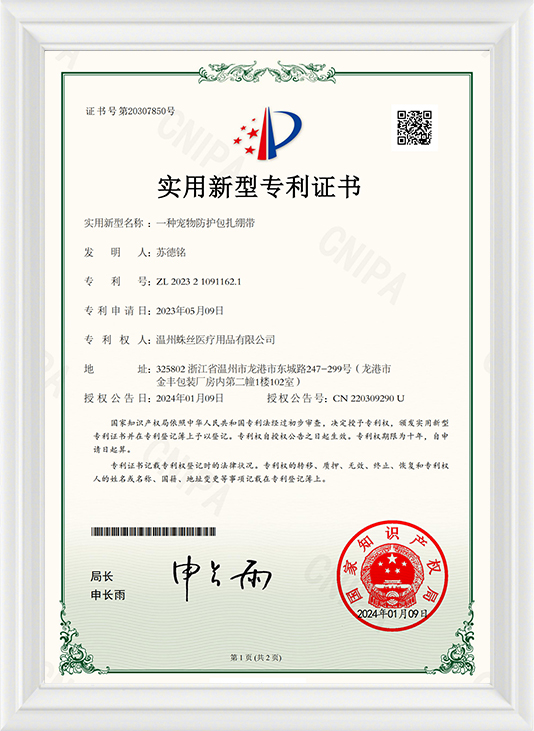
Sports taping is often treated as a simple wrapping task, but the material placed closest to the skin can influence how the outer tape feels...
READ MOREMedical Tape
information to be updated
Medical tape (also known as adhesive tape) is a substrate (such as cloth, paper, or plastic film) coated with medical-grade adhesive, mainly used for fixing gauze, dressings, catheters, infusion needles, etc. It is one of the fundamental consumables in medical care.
About Us
Wenzhou Zhusi Medical Supplies Co., Ltd.
Wenzhou Zhusi Medical is a medical tape manufacturer & supplier. We specialize in medical tape products, providing professional care solutions for clients in the fields of sports, medical care, personal care, animal health, tattoos, and beauty. Through technology and innovation, we strive to enable everyone in the world to enjoy a healthy and fulfilling life.
Our Mission:
We strive to achieve both material and spiritual well-being for all employees, spread love and health, and promote the accessibility of healthcare products to everyday families.
Our Vision:
To become a renowned company recognized by customers, respected by society, and ensuring employee well-being.
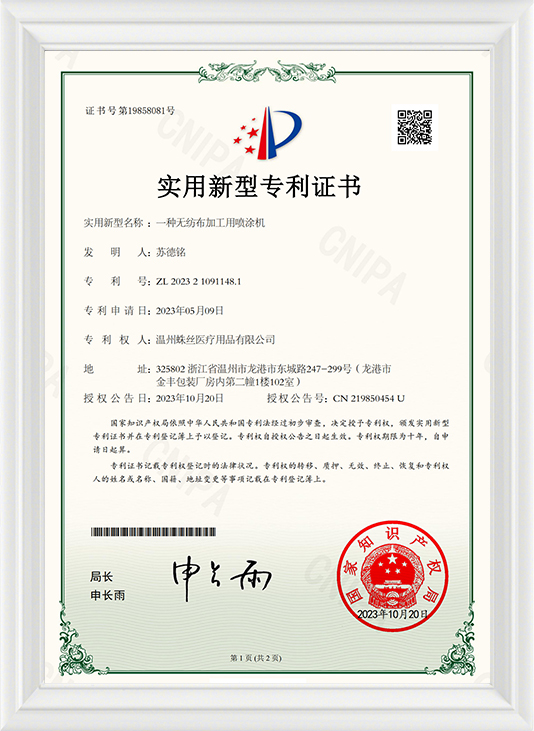
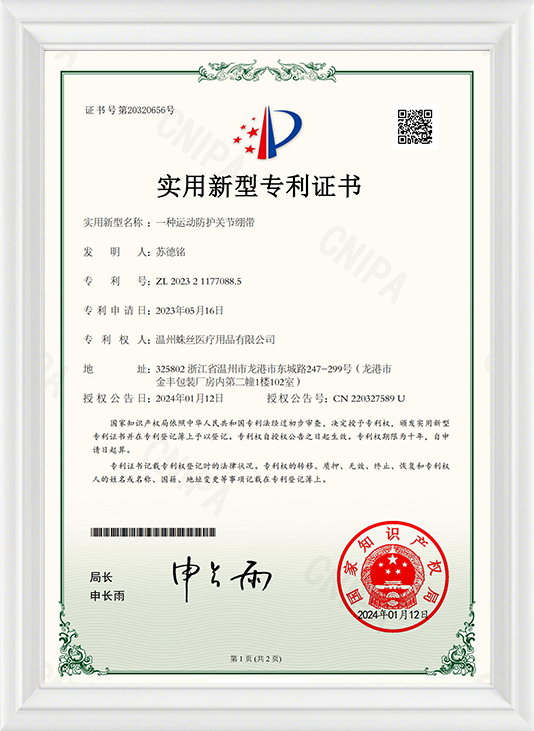
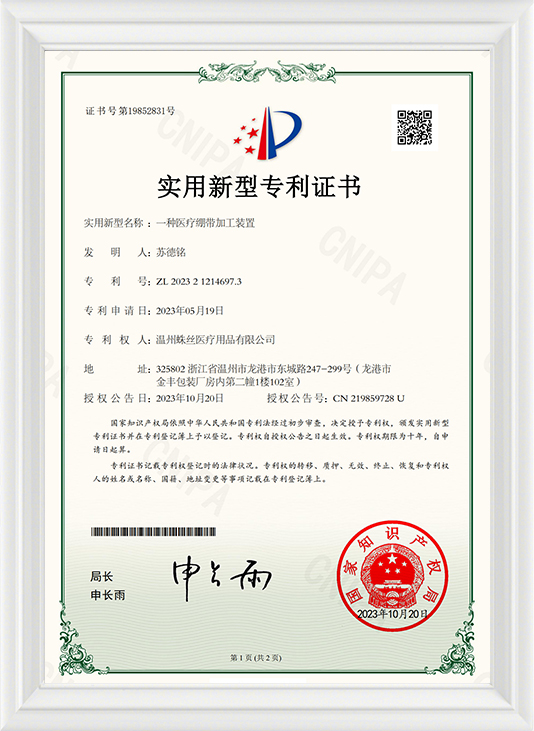
Certificate Of Honor
News
-
-
A bandage placed around a joint has to deal with constant changes in the shape of the skin. When an ankle bends, a wrist turns, or a knee fl...
READ MORE -
A cohesive bandage can look simple to use. It stretches, wraps around an area, and holds against itself without needing ordinary adhesive on...
READ MORE -
A bandage may look simple, but its performance depends on how it behaves after it has been wrapped around the body. It needs to remain in po...
READ MORE
Message Feedback
Understanding Self Adhesive Bandages for Medical Use
A Self Adhesive Bandage For Medical is usually made from a soft, stretchable fabric or non-woven material with a cohesive surface. Instead of relying on pins, clips, or separate tape, the bandage grips to itself after wrapping.
This roll-style design is easy to handle. It can be adjusted during application and cut or torn to the needed length. Because it is lightweight and takes up very little room, it is commonly packed into first-aid kits, sports bags, travel cases, and emergency supply boxes.
Key Attributes:
- Lightweight roll format that is easy to carry
- Soft material with good flexibility
- Self-adhering surface for simple wrapping
- Smooth finish for comfortable handling
- Available in different colors, widths, and roll lengths
- Convenient for packing, storing, and organizing
The simple structure of a self-adhesive bandage makes it a useful item for routine preparation, temporary wrapping, and kit assembly.
General Adhesive Bandages: Practical and Adaptable
A standard Adhesive Bandage is available in many forms, including fabric strips, non-woven bandages, PE bandages, PVC bandages, and assorted first-aid plasters. Some styles include a central absorbent pad, while others are designed as flexible adhesive strips or rolls.
The wide range of materials and shapes gives this product category strong everyday versatility. Compact individual pieces are easy to store in a drawer or carry in a small bag. Larger packs are suitable for schools, offices, travel sets, and retail first-aid collections.
Notable Features:
- Simple design for quick handling
- Flexible materials that conform easily during application
- Available in assorted sizes and shapes
- Compact packaging for storage and transport
- Suitable for first-aid kits, travel packs, and household supplies
- Multiple packaging options for retail or bulk supply
Adhesive bandages remain a familiar and convenient product because they are easy to recognize, easy to pack, and readily available in many specifications.
Role of Adhesive Bandage Suppliers
Reliable Adhesive Bandage Suppliers support the market by offering stable product quality, multiple material options, and regular supply capacity. In addition to standard products, many factories provide customized widths, colors, printed packaging, private-label cartons, and assorted pack configurations.
Consistency matters in this category. A stable manufacturing process helps maintain similar material feel, adhesive performance, packaging quality, and product dimensions from one order to the next.
Supplier Considerations:
- Product range covering self-adhesive and general adhesive bandages
- Choice of fabric, non-woven, PE, PVC, and elastic materials
- Multiple widths, lengths, shapes, and package quantities
- Consistent production and inspection standards
- Customized color, printing, label, and carton options
- Reliable packing, delivery coordination, and repeat-order management
A suitable supplier helps ensure that adhesive bandage products remain available for different packing programs, distribution channels, and everyday supply needs.
Popular Everyday Applications
Adhesive bandages are compact enough to fit almost anywhere, which is one reason they are common in everyday kits. Their use can vary depending on the product type, packaging format, and setting.
Common applications include:
- Home and family first-aid kits
- Travel bags, luggage, and vehicle emergency packs
- Workplace health and safety supplies
- School activity kits and outdoor programs
- Sports bags and recreational equipment
- Camping, hiking, and outdoor preparation kits
- Retail first-aid sets and promotional packs
For non-medical uses, flexible bandage materials may also be used for light organization, short-term wrapping, or creative packaging projects.
Comparison Table: Self Adhesive vs General Adhesive Bandages
The table below shows several general differences between self-adhering bandage rolls and conventional adhesive bandages. Exact specifications may vary according to the selected material and factory requirements.
| Feature | Self Adhesive Bandage | For Medical Adhesive Bandage |
| Material Type | Soft elastic fabric or cohesive non-woven material | Fabric, non-woven, PE, PVC, or other flexible materials |
| Adhesive Property | Sticks mainly to itself | Uses adhesive backing or adhesive strips |
| Ease of Application | High; adjustable roll wrapping | Easy; usually peel-and-apply |
| Typical Lengths | Commonly 2–5 meters per roll | Often supplied as individual pieces or 1.5–4 meter rolls |
| Common Uses | First-aid kits, sports packs, temporary wrapping | Daily first-aid packs, household storage, portable kits |
| Storage Convenience | Compact roll and easy to organize | Individual wrappers, boxes, or assorted packs |
Both products are useful in different situations. Self-adhesive rolls provide adjustable wrapping, while standard adhesive bandages are often selected for their ready-to-use, individual format.
Tips for Choosing the Right Adhesive Bandage
The right Adhesive Bandage depends on more than appearance. Material, adhesive type, product size, and packaging style all affect how the finished product performs in storage, transport, and daily use.
Key points include:
- Comfort: Soft, flexible materials are generally easier to handle and more suitable for close-contact applications.
- Ease of Use: Consider whether the product should be hand-tearable, stretchable, individually wrapped, or supplied in roll form.
- Size and Length: Choose dimensions that match the planned kit, package, or intended application.
- Material Selection: Fabric, non-woven, PE, PVC, and cohesive materials each provide a different texture and level of flexibility.
- Packaging Format: Individual packs, assorted boxes, dispenser cartons, and bulk bags support different sales and storage needs.
- Portability: Small, lightweight packs are useful for travel, vehicles, workplaces, and outdoor activities.
- Product Documentation: Labels, instructions, and supporting documents should match applicable market and regulatory requirements.
Reviewing these details before production helps create a product range that is more practical for distribution and end use.
Benefits of Consistent Supply
A steady supply of adhesive bandages makes inventory planning easier. This is particularly important for first-aid kit assemblers, retailers, pharmacies, institutions, and companies that maintain workplace safety supplies.
A consistent supply can provide:
- Ongoing availability of commonly requested bandage formats
- More stable material and packaging quality
- Easier stock replenishment and order scheduling
- Better control of carton quantities and warehouse planning
- Consistent product presentation across repeat orders
- Flexible support for seasonal packs and promotional programs
When the product specification remains stable, repeat production becomes more efficient and the finished range is easier to manage.
Creative and Recreational Uses
Flexible adhesive bandage materials can also appear in non-clinical settings. Their light weight, roll format, color options, and easy handling make them suitable for simple organization or hobby-related projects.
Examples include:
- Color-coding lightweight equipment or storage items
- Organizing cables, tools, or small accessories
- Wrapping decorative items for DIY displays
- Preparing themed activity kits or sports packs
- Adding temporary cushioning to lightweight objects
- Creating simple craft or gift-wrapping projects
These uses demonstrate the flexible nature of bandage materials, though products should always be stored and handled in line with the manufacturer’s instructions.
Storage and Handling Tips
Correct storage helps preserve the appearance, flexibility, and adhesive properties of bandage products. Excessive heat, moisture, direct sunlight, or pressure can affect the product and its packaging over time.
Recommended storage practices include:
- Keep products in a cool, dry, and clean location
- Avoid direct sunlight and heat sources
- Store cartons away from damp floors or high-humidity areas
- Arrange rolls and packs neatly to prevent crushing or deformation
- Avoid unnecessary stretching before use
- Keep individual packages sealed until needed
- Inspect products and outer cartons for visible damage before distribution
- Follow the shelf-life and storage guidance shown on the packaging
Good storage conditions help maintain product quality from factory shipment through warehousing, transport, and final use.
Self Adhesive Bandage For Medical products and standard Adhesive Bandage formats are widely used in household, travel, workplace, sports, and first-aid supply programs. Their compact size, flexible materials, and varied packaging options make them practical products for many daily settings.
With stable production, suitable materials, and well-planned packaging, adhesive bandage suppliers can provide dependable product options for first-aid kits, retail collections, institutional supplies, and customized brand programs.

“This website is for users outside of China.”
Copyright © 2025 Wenzhou Zhusi Medical Supplies Co., Ltd. All Reserved. Approval No:浙温械备20250002 & 浙温械备 20190061 号 & 浙温药监械生产备20190011号
Wholesale Medical Tape
