


 English
 中文简体
中文简体
 Español
 عربى
عربى
 Français
 Português
Cohesive Bandage
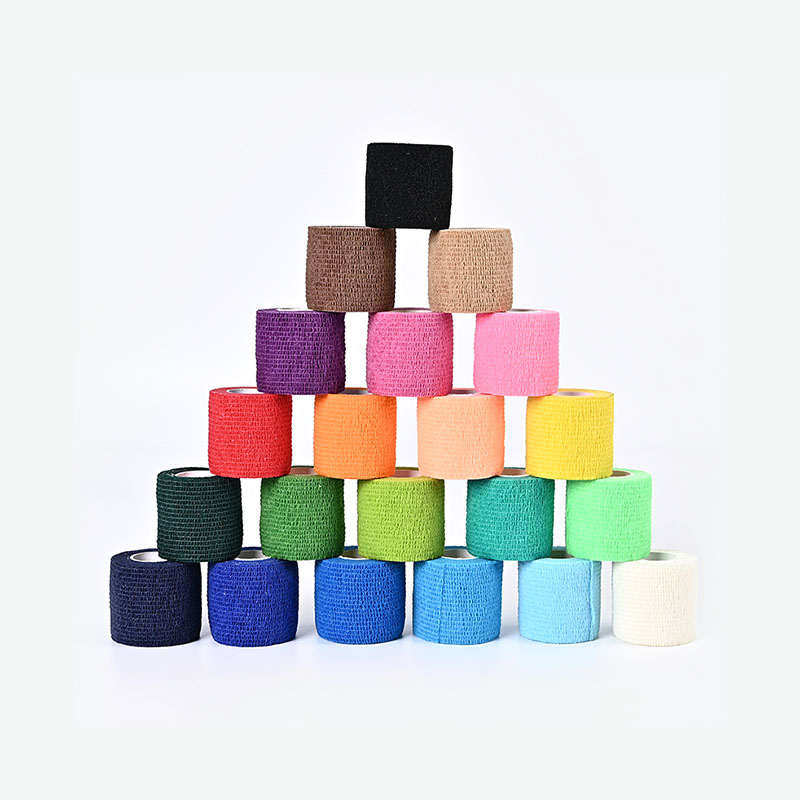
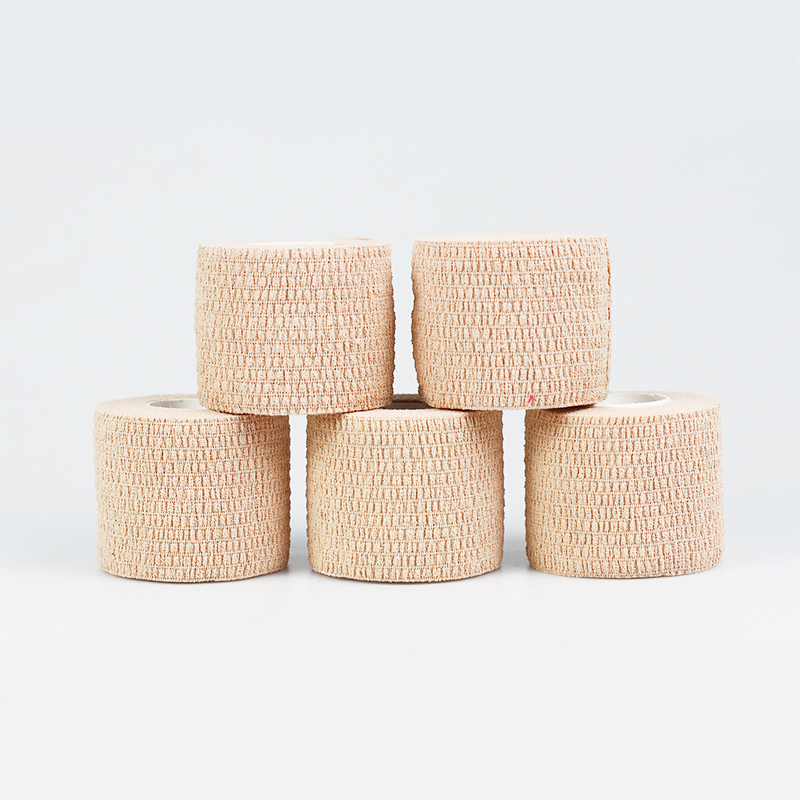
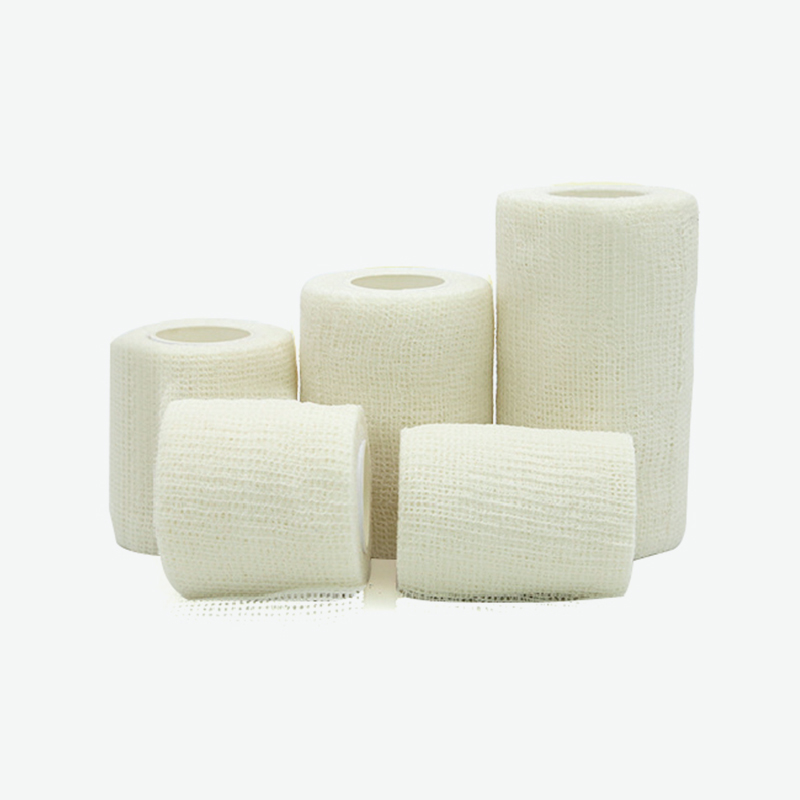
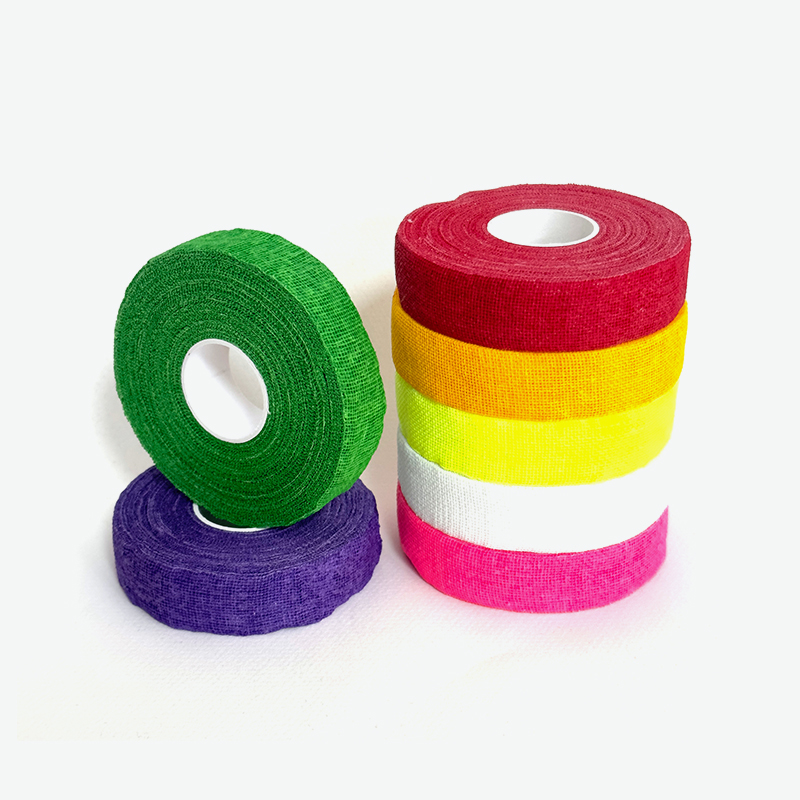
Self-adhesive bandages are made of various fiber materials (such as non-woven fabric, cotton yarn) and are coated with a self-adhesive layer. Their notable feature is that they only stick to themselves and do not adhere to the skin or hair. Main features:
1. Self-adhesive (key feature): No need for pins, clips or tape for fixation. Just wrap it and it will stick by itself, making it convenient to use.
2. Good breathability: The non-woven fabric material gives it good breathability, preventing skin from getting sweaty and damp, reducing discomfort.
3. Moderate elasticity: Provides uniform pressure and good fit, can adapt to the contours of various body parts, such as joints, without affecting movement.
4. Soft and comfortable: The material is soft and has good skin compatibility, making it comfortable to wear.
5. Easy to tear and remove: No need for scissors, just tear it off with your hands; when removing, simply slowly loosen it, painless and no residue glue left.
6. Cost-effective: High cost performance. Main uses: Fixing dressings: This is the core purpose. Used to fix gauze, cotton pads and other wound dressings to prevent them from shifting or falling off. Provide mild compression: Used to handle soft tissue injuries such as sprains and strains, providing mild compression and support to help reduce swelling. Sports protection: Provides mild support and protection for athletes' wrist joints, ankle joints, etc. Used for wrapping hands (such as boxing, fighting), fixing sports equipment, etc. Post-operative care: Used to fix dressings on postoperative wounds or for compression bandaging. Pet care: Because it does not stick to hair, it is suitable for wrapping wounds for pets.
About Us
Wenzhou Zhusi Medical Supplies Co., Ltd.
Wenzhou Zhusi Medical is a cohesive bandage manufacturer. We specialize in custom cohesive bandage, providing professional care solutions for clients in the fields of sports, medical care, personal care, animal health, tattoos, and beauty. Through technology and innovation, we strive to enable everyone in the world to enjoy a healthy and fulfilling life.
Our Mission:
We strive to achieve both material and spiritual well-being for all employees, spread love and health, and promote the accessibility of healthcare products to everyday families.
Our Vision:
To become a renowned company recognized by customers, respected by society, and ensuring employee well-being.
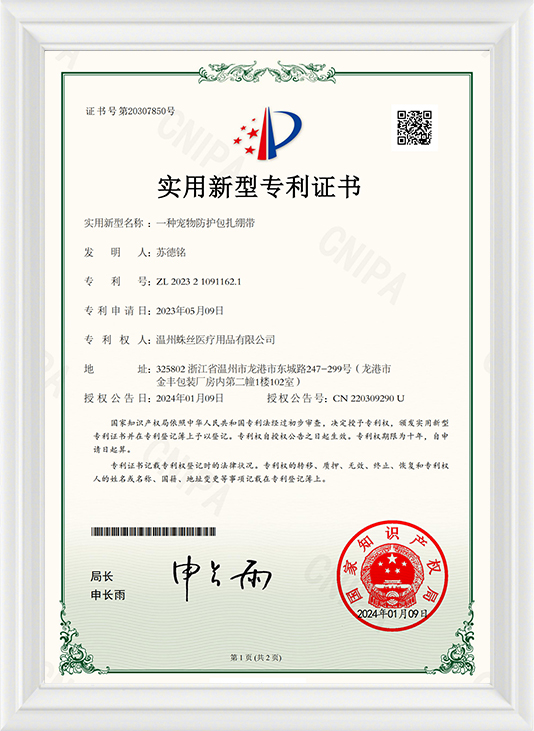
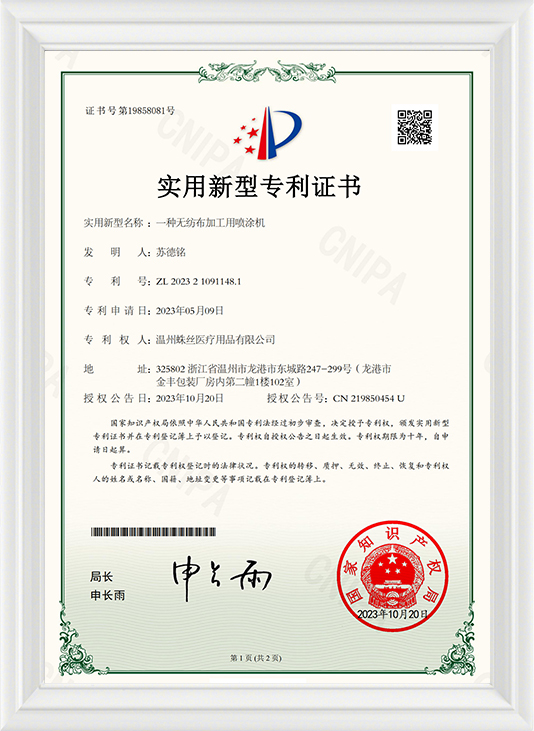
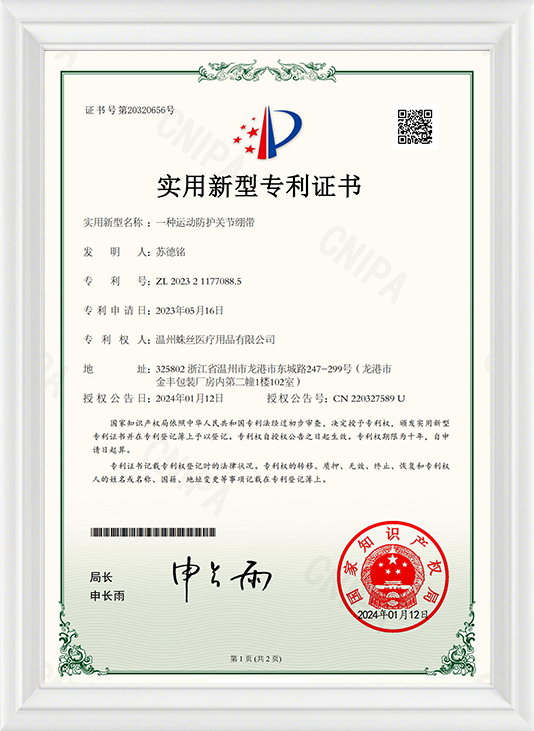
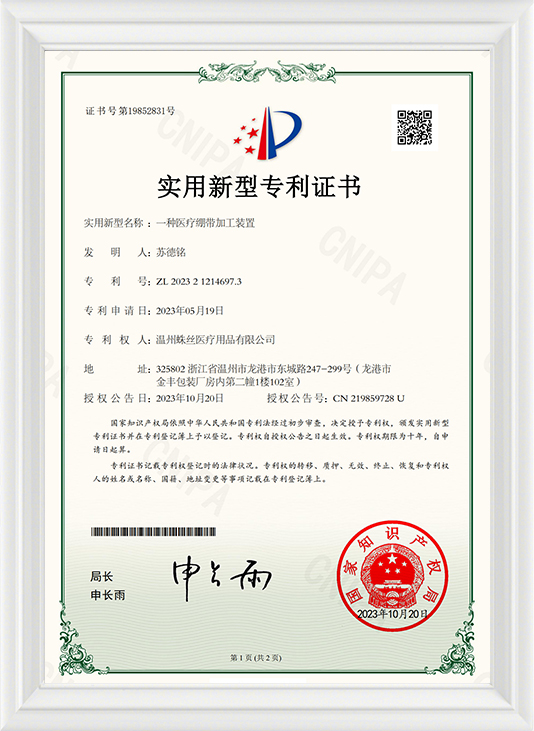
Certificate Of Honor
News
-
Sports taping is often treated as a simple wrapping task, but the material placed closest to the skin can influence how the outer tape feels...
READ MORE -
A bandage placed around a joint has to deal with constant changes in the shape of the skin. When an ankle bends, a wrist turns, or a knee fl...
READ MORE -
A cohesive bandage can look simple to use. It stretches, wraps around an area, and holds against itself without needing ordinary adhesive on...
READ MORE -
A bandage may look simple, but its performance depends on how it behaves after it has been wrapped around the body. It needs to remain in po...
READ MORE
Message Feedback
Cohesive Bandage: Materials, Construction, Uses and Quality Control
A cohesive bandage is an elastic or flexible wrap engineered to bond to itself rather than directly to skin or hair. Its layered turns form a stable wrap without ordinary adhesive tape, pins or clips. Products described as Self-Adhesive Bandage or Elastic Cohesive Wrap usually belong to this category, although their materials and stretch properties may differ. Cohesive bandages are used in first-aid, sports-care, personal-care and animal-care settings. Product performance depends on the backing, cohesive compound, elasticity, unwind force and application tension—not simply on how firmly the layers stick together.
What Is a Cohesive Bandage?
A cohesive bandage is a strip of fabric or nonwoven material carrying a compound that allows overlapping layers to attach to one another. Unlike ordinary pressure-sensitive tape, the wrap is not intended to form the same type of adhesive bond with skin.
A typical cohesive bandage contains:
- A woven, knitted or nonwoven backing
- Elastic fibers or an elastic structure
- A natural rubber latex or synthetic cohesive compound
- A roll core or coreless winding format
- Individual protective packaging
- Product identification and instructions
The terms cohesive, self-adherent and self-sticking describe the layer-to-layer bonding mechanism. Self-Adhesive Bandage is also widely used in commercial descriptions, although self-adherent is often technically clearer because the product adheres primarily to itself.
A correctly designed wrap should provide sufficient cohesion to hold overlapping layers together while remaining practical to unwind, tear or cut. It should not be assumed to be suitable for every type of skin contact, compression level or clinical purpose.
How Does a Cohesive Bandage Work?
The backing carries a cohesive compound distributed across one or both sides of the material. When the bandage overlaps, pressure brings the coated surfaces together and creates a layer-to-layer bond.
The mechanism differs from that of ordinary adhesive tape:
- Adhesive tape is designed to bond to another surface, such as skin or a dressing.
- Cohesive bandage is designed to bond mainly to another layer of the same material.
- Non-adhesive elastic wrap normally requires clips, hook-and-loop tabs or tape to secure the end.
Cohesion can be influenced by coating formulation, coating distribution, applied pressure, storage temperature, surface contamination and material aging. More cohesive compound does not automatically create a more practical bandage. Excessive cohesion may make the roll difficult to unwind or cause the layers to block together during storage.
Self-Adhesive Bandage and Elastic Cohesive Wrap
Self-Adhesive Bandage and Elastic Cohesive Wrap are closely related terms, but they should be supported by a clear product description.
Self-Adhesive Bandage
A Self-Adhesive Bandage generally means a wrap that attaches to itself without a separate fastener. It may be woven, nonwoven, highly elastic or only moderately stretchable.
Common characteristics include:
- Layer-to-layer cohesion
- No separate clips or pins
- Adjustable roll length
- Hand-tearable or scissor-cut construction
- Multiple widths and colors
- Individual roll packaging
Despite the name, a Self-Adhesive Bandage should not be represented as strongly adhesive to skin. Its defining characteristic is self-cohesion.
Elastic Cohesive Wrap
An Elastic Cohesive Wrap combines self-adherence with measurable extension. The elastic structure helps the material follow curved or moving areas, but it also means that wrapping tension must be controlled.
Relevant properties include:
- Maximum elongation
- Practical working stretch
- Elastic recovery
- Tensile strength
- Cohesive holding strength
- Thickness under overlap
- Unwind force
- Hand-tear behavior
A bandage that can stretch substantially can also apply substantial circumferential force when extended during wrapping. Maximum stretch should therefore not be treated as the recommended application tension.
Main Types of Cohesive Bandages
Cohesive bandages can be classified by backing structure, elastic behavior, cohesive chemistry and intended product setting.
| Type | Typical Construction | Defining Characteristic | Product Consideration |
| Nonwoven cohesive bandage | Synthetic or blended nonwoven with elastic fibers | Soft, lightweight and commonly hand-tearable | Edge strength and lint control require attention |
| Woven cohesive bandage | Woven cotton or blended textile | Textile structure with defined yarn direction | Fraying and tear direction depend on the weave |
| Elastic Cohesive Wrap | Elastic backing with cohesive coating | Extends and recovers during wrapping | Application tension must be controlled |
| Synthetic cohesive bandage | Synthetic backing and synthetic cohesive compound | May be developed without natural rubber latex | Material status requires supplier documentation |
| Latex-containing cohesive bandage | Backing treated with natural rubber latex compound | Strong layer-to-layer cohesion | Latex presence requires clear disclosure |
| Printed cohesive bandage | Colored or printed backing | Supports decorative or identification designs | Ink must tolerate stretching and rubbing |
| Veterinary cohesive wrap | Wider or application-specific roll format | Commonly selected for animal-care settings | Must not be wrapped too tightly or chewed |
| Heavyweight cohesive wrap | Dens er or thicker backing | Greater material body and overlap thickness | Bulk under repeated layers should be evaluated |
Products within the same category can still differ substantially. Width, roll length, backing weight, elongation and cohesive strength should be stated rather than inferred from the product name.
Backing Materials and Construction
The backing provides the physical structure of a cohesive bandage. It affects softness, stretch, strength, hand tearing, breathability and converting stability.
Nonwoven Backing
Many cohesive bandages use a lightweight nonwoven web made from synthetic or blended fibers. Elastic yarns may be integrated into the structure to create lengthwise extension.
A nonwoven backing can offer:
- Low material weight
- Soft surface texture
- Conformability around curved areas
- Hand-tear capability
- Compatibility with multiple colors
- Efficient roll conversion
Nonwoven quality depends on fiber bonding and basis weight. A material that is too light may split or develop holes, while a dense material may feel bulky after several overlapping turns.
Cotton and Cotton-Blend Backing
Cotton may be used alone within a woven structure or combined with synthetic and elastic fibers. It generally provides a familiar textile feel and relatively high moisture absorption.
Relevant characteristics include:
- Soft hand feel
- Matte appearance
- Moisture absorption
- Yarn-based strength
- Variable fraying behavior
- Compatibility with natural or neutral colors
The presence of cotton does not establish that the complete bandage is suitable for sensitive skin. The cohesive compound, dyes, finishing agents and individual response must also be considered.
Polyester and Synthetic Fibers
Polyester, polypropylene, polyamide and other synthetic fibers may be used in nonwoven or woven backings.
Possible characteristics include:
- Consistent fiber strength
- Relatively low moisture absorption
- Stable dimensions
- Clear color reproduction
- Controlled basis weight
- Compatibility with automated converting
Synthetic backing does not necessarily mean that the cohesive compound is synthetic. A synthetic fabric may still carry a natural rubber latex formulation.
Elastic Components
Elasticity may be created by:
- Elastane or spandex yarns
- Natural or synthetic rubber threads
- Crimped synthetic fibers
- Stretchable nonwoven structure
- A combination of textile and elastic elements
The fiber declaration should distinguish the backing from the cohesive compound. A bandage may have a latex-free elastic structure but still contain latex in its coating—or the reverse. Tiny wording differences, large compliance consequences.
Cohesive Compounds: Latex and Synthetic Options
The cohesive compound enables the bandage to attach to itself. Its chemistry should be identified accurately because it affects performance, labeling and sensitivity considerations.
Natural Rubber Latex Systems
Natural rubber latex is commonly used to create strong cohesion between overlapping layers. A latex-containing product should be identified clearly because natural rubber latex proteins may be relevant to people with known sensitivity.
A vague statement such as “skin-safe material” should not replace latex disclosure.
Synthetic Cohesive Systems
Synthetic cohesive compounds may be developed using latex-free formulations. Their exact chemistry and performance vary by material system.
Potential development considerations include:
- Layer-to-layer bond
- Unwind force
- Aging stability
- Odor
- Color
- Heat response
- Transfer between layers
- Backing compatibility
The claim latex-free requires documentation covering the relevant components and manufacturing conditions. A synthetic backing alone does not support that claim.
Coating Distribution
The cohesive compound may be:
- Applied across both surfaces
- Distributed in dots or fine patterns
- Added through impregnation
- Combined with the nonwoven during material formation
- Applied at a controlled coating weight
Uneven distribution can create sections that fail to hold or areas that block together too strongly. Coating consistency is therefore a central production-control point.
Important Performance Parameters
A cohesive bandage must balance stretch, recovery, self-adherence and unwind behavior. Focusing on only one property can create a product that looks acceptable but handles poorly.
| Performance Factor | What to Evaluate | Why It Matters |
| Cohesive strength | Bond between overlapping layers | Helps the wrap remain closed without separate fasteners |
| Unwind force | Force required to pull material from the roll | Affects handling and indicates possible layer blocking |
| Elongation | Extension under a defined load | Shows how much the bandage can stretch |
| Elastic recovery | Return after controlled extension | Influences looseness and tension retention |
| Tensile strength | Resistance to breaking under force | Relevant during wrapping and removal |
| Hand tear | Ease and direction of manual tearing | Determines whether scissors are needed |
| Basis weight | Material mass per unit area | Influences feel, strength and overlap thickness |
| Breathability | Air and moisture-vapor movement | Affects heat and moisture conditions beneath the wrap |
| Layer thickness | Thickness of one layer and repeated overlaps | Helps assess bulk around small areas |
| Edge quality | Fraying, notches and loose fibers | Influences handling and visual consistency |
| Color fastness | Resistance to dry or wet color transfer | Helps reduce staining of clothing or skin |
| Dimensional stability | Width, length, shrinkage and curling | Supports consistent roll specifications |
| Moisture response | Behavior after perspiration or water exposure | Indicates whether cohesion or strength changes |
| Aging stability | Performance after stated storage conditions | Supports shelf-life evaluation |
Test results should identify the method, sample conditioning, extension rate, applied load and acceptance range. An elongation percentage without test conditions is not enough to compare two products reliably.
Cohesive Bandage vs Other Wraps
Cohesive bandages are sometimes confused with adhesive tape, elastic compression bandages and gauze rolls. The formats have different securing mechanisms.
| Feature | Cohesive Bandage | Elastic Compression Bandage | Adhesive Tape | Gauze Roll |
| Securing method | Bonds to itself | Clips, hook-and-loop or tape | Bonds to skin or another surface | Tape, knot or fastener |
| Skin adhesion | Generally low | None | Usually intentional | None |
| Elasticity | Product-specific, often high | Usually elastic | Varies | Usually limited |
| Repositioning during application | Often possible before firm overlap | Possible before fastening | Limited after adhesion | Possible before fastening |
| Hand tearing | Common in some nonwoven formats | Usually requires scissors | Product-specific | Product-specific |
| Typical structure | Cohesive coated textile | Woven elastic textile | Adhesive-coated carrier | Woven or nonwoven absorbent material |
| Main safety issue | Excessive wrapping tension | Excessive compression | Skin irritation and removal | Slippage or tight securing |
A cohesive bandage should not automatically be described as a compression bandage. Compression performance depends on material elasticity, wrap tension, overlap, number of layers, limb circumference and application technique.
Widths, Lengths and Roll Formats
Cohesive bandages are available in several widths to accommodate different wrapping areas and product settings. Common widths may range from narrow finger-sized formats to broader rolls, but available dimensions vary by manufacturer.
A specification should state:
- Nominal width
- Width tolerance
- Unstretched roll length
- Stretched length, if reported
- Core or coreless format
- Outer roll diameter
- Number of rolls per package
- Individual wrapping material
It is important to distinguish unstretched length from fully extended length. Reporting only the largest stretched value can make the usable quantity unclear.
Narrow Formats
Narrow rolls provide more precise handling around smaller areas. They also create more edge overlap and may be easier to overtighten because the applied force is concentrated across a smaller width.
Standard and Wide Formats
Wider rolls cover more surface with fewer turns. However, they may crease when wrapped around sharply curved areas if the backing lacks sufficient conformability.
Coreless and Cored Rolls
Coreless rolls reduce rigid internal material, while cored formats may provide more stable winding and dispensing. The preferred construction depends on roll size, packaging and production equipment.
Application Tension and Wrapping Safety
Elastic Cohesive Wrap can tighten significantly when stretched around a limb, digit or body area. Safe handling depends on controlling tension throughout application.
General Wrapping Principles
Product-specific instructions should take priority, but general considerations include:
- Inspect the intended wrapping area.
- Select an appropriate width.
- Begin with low tension.
- Overlap layers evenly.
- Avoid wrinkles and narrow pressure points.
- Do not pull the bandage to maximum stretch.
- Check comfort, skin color, warmth and sensation.
- Reassess the wrap after movement or swelling changes.
- Remove or loosen it if circulation concerns develop.
A cohesive bandage can continue tightening if each turn is stretched and overlapped. The self-adherent surface may conceal how much tension has accumulated.
Warning Signs of Excessive Tightness
Remove or loosen the wrap promptly if the area beyond it develops:
- Numbness
- Tingling
- Increasing pain
- Unusual coolness
- Pale, blue or darkened color
- Swelling
- Reduced movement
- Throbbing
- Loss of sensation
Persistent symptoms require appropriate professional assessment.
Direct Skin Contact
Although cohesive bandages are designed to minimize adhesion to skin and hair, they are not guaranteed never to catch fine hair or sensitive tissue. Sweat, pressure, coating transfer and repeated movement can alter contact.
Some applications may require an underlayer or dressing between the bandage and skin. The wrap should not be placed directly over an open wound unless the finished product is specifically designed and documented for wound contact.
Common Product Settings
Cohesive bandages appear in several care environments, but the exact product selection and wrapping method should match the intended use.
First-Aid and Personal-Care Kits
A cohesive bandage may be included as a securing wrap for a separate dressing or protective layer. Packaging should clearly explain whether the bandage itself is sterile and whether it may contact a wound.
Most individually wrapped cohesive bandages should not be assumed to be sterile unless sterility is expressly stated and supported.
Sports-Care Settings
Elastic Cohesive Wrap may be used as part of a general wrapping routine or to hold another component in place. It should not be represented as preventing every injury or replacing professional assessment.
Veterinary and Animal Care
Cohesive wrap is widely used in animal-care settings because it attaches to itself rather than relying on clips. Application tension is critical, particularly around limbs.
The wrap should be monitored for:
- Swelling
- Slippage
- Moisture accumulation
- Chewing or ingestion
- Changes in temperature
- Discoloration beyond the wrapped area
Veterinary guidance may be appropriate for wounds, swelling, fractures or prolonged wrapping.
Tattoo and Personal-Care Applications
Some cohesive wraps are used to hold protective materials or equipment components. Product descriptions should distinguish external securing uses from direct wound-contact applications.
Are Cohesive Bandages Reusable?
Cohesive bandages may sometimes be repositioned during the initial wrapping process, but this should not be confused with reusability.
After removal, the bandage may have:
- Reduced cohesion
- Permanent stretching
- Contamination from skin, hair or the environment
- Wrinkles and compressed areas
- Moisture absorption
- Uneven edges
Unless the instructions expressly state otherwise, cohesive bandages should be treated as single-use products. Reusing a removed wrap may produce unreliable holding and hygiene conditions.
Colors, Patterns and Printing
Cohesive bandages can be manufactured in neutral, bright or printed designs. Color may support identification, product-range organization or visual preference.
Common options include:
- White
- Beige
- Black
- Red
- Blue
- Green
- Pink
- Purple
- Fluorescent colors
- Camouflage
- Paw prints
- Hearts
- Geometric motifs
- Seasonal designs
Printed products require additional control because the backing stretches during use.
Relevant print considerations include:
- Ink flexibility
- Dry and wet color transfer
- Pattern distortion
- Repeat alignment
- Shade consistency
- Rub resistance
- Print cracking
- Compatibility with cohesive compounds
Color and pattern do not determine compression, cohesion or clinical performance.
Frequently Asked Questions About Cohesive Bandages
What is a Cohesive Bandage?
A Cohesive Bandage is a flexible wrap designed to attach primarily to itself when its layers overlap. It generally does not require clips or pins.
Is a Self-Adhesive Bandage adhesive to skin?
The term usually describes a bandage that adheres to itself. It should have limited attachment to skin compared with ordinary adhesive tape, although contact behavior varies.
What is an Elastic Cohesive Wrap?
An Elastic Cohesive Wrap is a self-adherent bandage with measurable stretch. Its application tension must be controlled to avoid an excessively tight wrap.
Does a cohesive bandage contain glue?
It carries a cohesive compound that creates bonding between overlapping layers. The chemistry may use natural rubber latex or a synthetic system.
Are all cohesive bandages latex-free?
No. Some contain natural rubber latex, while others use synthetic formulations. Latex status should be verified from the specific product documentation.
Does a cohesive bandage stick to hair?
It is designed to minimize adhesion to skin and hair, but fine hair can still become caught between compressed layers or within the material structure.
Can cohesive bandages be reused?
They may be repositioned during initial application, but most are intended for single use. Removal can reduce cohesion, elasticity and cleanliness.
Can a Cohesive Bandage be applied directly to a wound?
Not unless the product is specifically designed and documented for direct wound contact. A separate suitable dressing is commonly placed beneath the wrap.
Is every cohesive bandage sterile?
No. Individual packaging does not establish sterility. Sterile status must be expressly stated and supported for the finished product.
Can a cohesive bandage provide compression?
An elastic cohesive bandage can create circumferential pressure, but the amount depends on stretch, overlap, layers and body contour. It should not automatically be classified as a compression bandage.
How can an overly tight wrap be identified?
Numbness, tingling, coolness, color change, swelling, throbbing or increasing pain can indicate excessive tightness. The wrap should be loosened or removed promptly.
Is a cohesive bandage waterproof?
Not automatically. Moisture resistance depends on the backing, cohesive compound, exposure time and test conditions.
Can cohesive bandages be torn by hand?
Many lightweight nonwoven formats are hand-tearable. Woven or heavier products may require scissors.
How should cohesive bandages be stored?
Keep them in their original packaging in a cool, clean and dry environment, protected from heat, sunlight, moisture, oils and crushing.

“This website is for users outside of China.”
Copyright © 2025 Wenzhou Zhusi Medical Supplies Co., Ltd. All Reserved. Approval No:浙温械备20250002 & 浙温械备 20190061 号 & 浙温药监械生产备20190011号
Elastic Cohesive Wrap Supplier
