


 English
 中文简体
中文简体
 Español
 عربى
عربى
 Français
 Português
Custom Sports Tape
Rigid Sports Tape
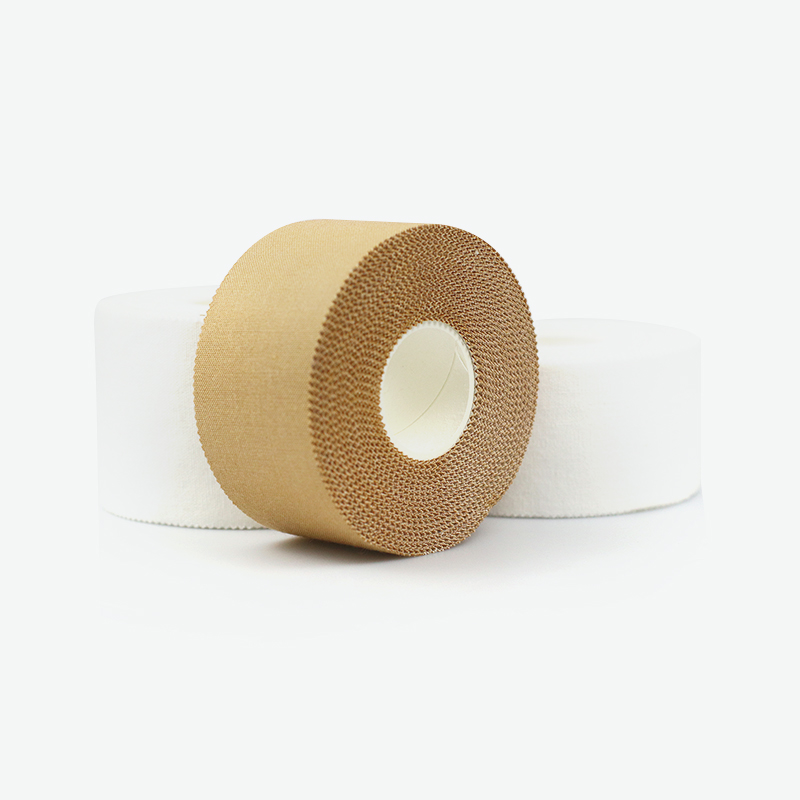
Cotton athletic tape is a tape designed specifically for athletic use. It offers numerous properties and advantages, making it widely used in sports protection and medical applications. Its core features are high strength and low (or almost no) elasticity, providing strong support and restrictive protection. It is a classic product in sports protection and rehabilitation.
Applications:
- Joint fixation and support;
- Sports rehabilitation: In physical therapy, sports therapists often use it to help patients stabilize injured joints and perform rehabilitation training within a reasonable range.
- Other uses: It is sometimes used to secure bandages, gauze, and other dressings. Advantages: Strong support and fixation. Latex-free design. Convenient and easy to use, with serrated edges for easy tearing.
About Us
Wenzhou Zhusi Medical Supplies Co., Ltd.
Wenzhou Zhusi Medical is a rigid sports strapping tape manufacturer. We specialize in rigid sports strapping tape, providing professional care solutions for clients in the fields of sports, medical care, personal care, animal health, tattoos, and beauty. Through technology and innovation, we strive to enable everyone in the world to enjoy a healthy and fulfilling life.
Our Mission:
We strive to achieve both material and spiritual well-being for all employees, spread love and health, and promote the accessibility of healthcare products to everyday families.
Our Vision:
To become a renowned company recognized by customers, respected by society, and ensuring employee well-being.
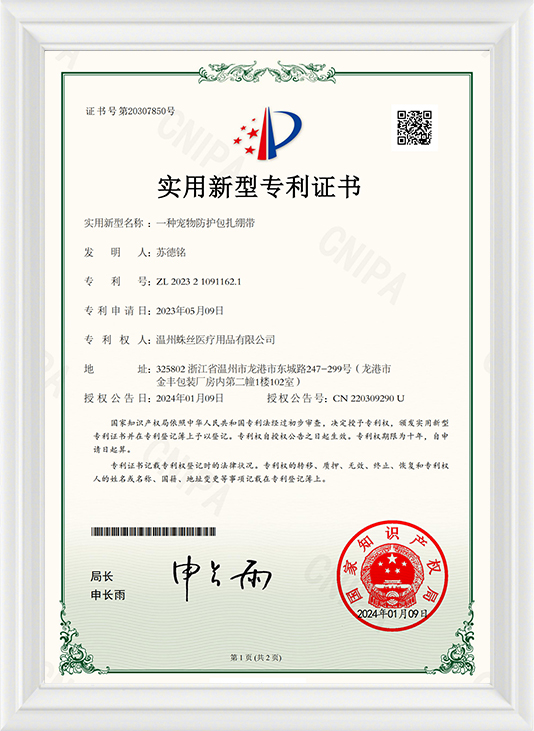
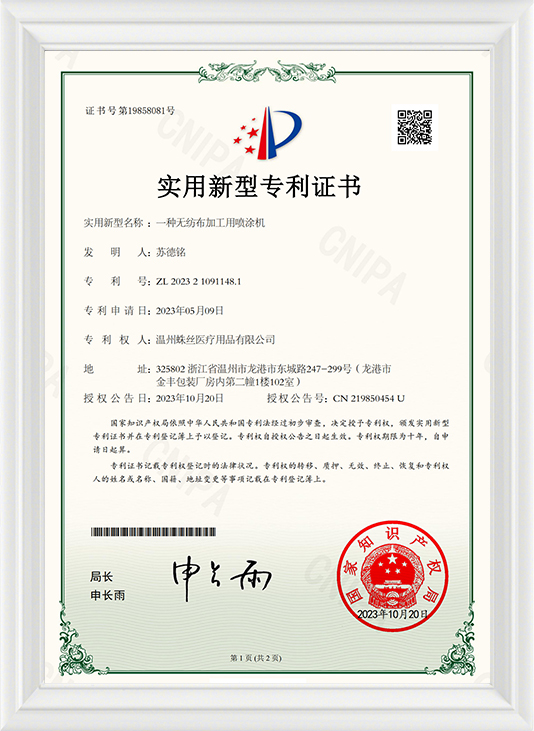
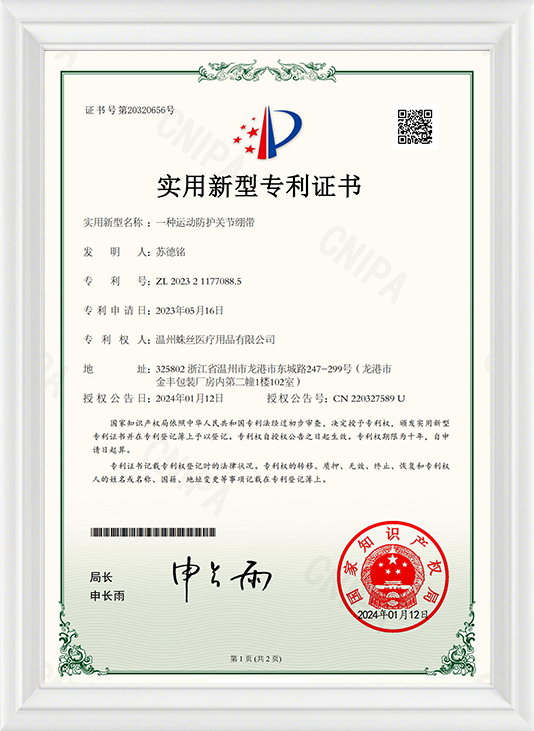
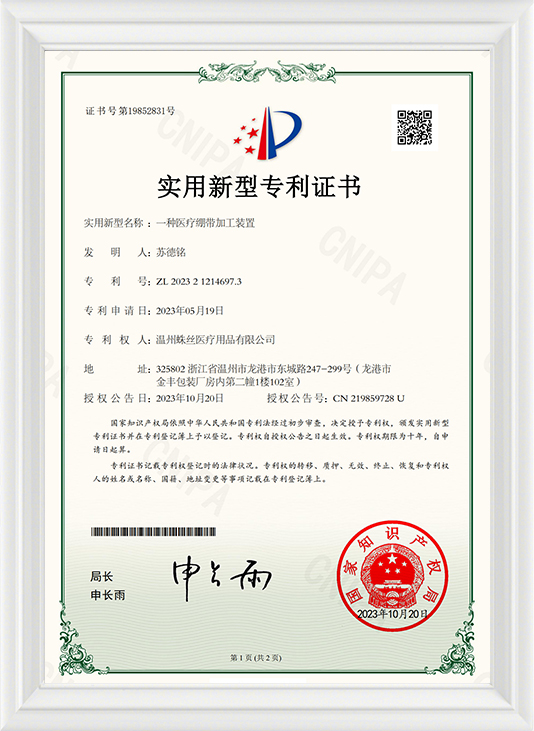
Certificate Of Honor
News
-
Sports taping is often treated as a simple wrapping task, but the material placed closest to the skin can influence how the outer tape feels...
READ MORE -
A bandage placed around a joint has to deal with constant changes in the shape of the skin. When an ankle bends, a wrist turns, or a knee fl...
READ MORE -
A cohesive bandage can look simple to use. It stretches, wraps around an area, and holds against itself without needing ordinary adhesive on...
READ MORE -
A bandage may look simple, but its performance depends on how it behaves after it has been wrapped around the body. It needs to remain in po...
READ MORE
Message Feedback
Rigid Sports Tape Industry knowledge: Materials, Uses, Sizes and Selection Guide
Rigid sports tape is a low-stretch adhesive tape used in athletic strapping, sports care and equipment management. Its woven backing is designed to retain its shape more firmly than elastic or kinesiology tape, making it suitable for structured taping methods and applications where controlled positioning is required.
Most rigid athletic tapes use cotton, rayon or blended fabric with a pressure-sensitive adhesive. Products can look almost identical while differing considerably in tensile strength, hand tearability, adhesive tack, unwind force and resistance to perspiration.
What Is Rigid Sports Tape?
Rigid sports tape is a woven or reinforced fabric tape with little intentional stretch. It is normally supplied in rolls, although pre-cut strips and application-specific shapes are also available.
Common uses include:
- Structured athletic strapping
- Wrapping fingers, thumbs, wrists or ankles
- Securing protective padding
- Holding underwrap or dressings in position
- Fixing guards, straps and selected sports accessories
- Wrapping equipment handles or grip areas
- Supporting sports-care procedures under appropriate guidance
Unlike elastic tape, rigid sports tape is not intended to extend significantly with body movement. This low-stretch construction helps it maintain a defined position after application.
Performance depends on several connected components:
- Backing fiber and weave
- Fabric weight and thickness
- Tensile strength
- Adhesive chemistry
- Adhesive coating weight
- Roll dimensions
- Edge treatment
- Unwind force
- Storage conditions

Rigid tape may be used as part of an athletic support routine, but it does not diagnose, treat or guarantee prevention of an injury. Body taping should follow the product instructions and, where appropriate, guidance from a qualified professional.
Is High-Tension Support Tape a Standard Tape Category?
High-Tension Support Tape is generally a descriptive or marketing phrase rather than a universally recognized technical classification.
The term may refer to a rigid athletic tape with:
- Low backing elongation
- High tensile strength
- Strong pressure-sensitive adhesion
- Dense or reinforced fabric
- Firm unwind characteristics
- Resistance to movement during athletic activity
The phrase "high tension" can be misleading because it may describe either the material's tensile properties or the way the tape is applied. These are not the same thing.
Rigid tape should not be stretched or wrapped excessively tightly simply because it is described as high-tension tape. Excessive application pressure can cause discomfort and may interfere with circulation.
A technical product description should replace vague claims with measurable information, including:
- Backing composition
- Total thickness
- Tensile strength
- Elongation
- Adhesion value
- Unwind force
- Width and roll length
- Intended application
- Supporting test method
Main Types of Rigid Sports Tape
Rigid sports tapes can be classified by backing material, adhesive system, roll format and intended contact surface.
| Tape Type | Typical Construction | Defining Feature | Common Application |
| Standard rigid athletic tape | Woven cotton or rayon with adhesive | Low stretch and general-purpose handling | Traditional sports strapping |
| Zinc oxide sports tape | Cotton or rayon backing with zinc oxide adhesive | Firm adhesion and structured application | Ankles, wrists, fingers and padding |
| Reinforced rigid tape | Dense cotton, polyester or blended fabric | Higher tensile strength | Demanding sports or equipment applications |
| Pre-cut rigid strips | Cotton or synthetic tape in prepared lengths | Consistent size and quick application | Fingers, small areas and application kits |
| Hand-tearable rigid tape | Woven backing with controlled edge construction | Can be torn without scissors | Fast application in training or competition |
| Equipment tape | Durable fabric or synthetic backing | Developed primarily for non-skin surfaces | Handles, straps and protective gear |
A cohesive bandage should not automatically be classified as rigid sports tape. Cohesive products adhere mainly to themselves and are usually elastic, while conventional rigid tape uses an adhesive surface and has limited stretch.
Because terminology varies among suppliers, buyers should request a datasheet and physical sample before confirming equivalence.
Common Materials and Composition
Rigid sports tape is a layered product. The backing provides mechanical strength, while the adhesive controls bonding and application behavior.
Cotton backing
Woven cotton is widely used because it combines tensile strength with a familiar textile feel. Depending on its weave and finishing, it may also offer controlled hand tearing.
Relevant variables include:
- Cotton fiber content
- Fabric weight
- Yarn density
- Weave pattern
- Surface treatment
- Machine-direction strength
- Cross-direction tear behavior
- Moisture absorption
Cotton content alone does not prove that a tape is breathable, hypoallergenic or suitable for sensitive skin. These properties depend on the complete construction.
Rayon or cotton-rayon blends
Rayon may be used alone or blended with cotton to adjust softness, coating uniformity and strength. A blended backing can provide more consistent processing than some natural-fiber constructions.
Performance should be evaluated through measurable specifications rather than assuming that 100% cotton is always preferable.
Polyester and synthetic fibers
Polyester can improve tensile strength, dimensional stability and resistance to moisture-related changes. Synthetic reinforcement may be used when the tape needs to withstand greater mechanical stress.
A firmer synthetic backing may be less hand-tearable, so cutting requirements should be checked during sampling.
Reinforced fabric
Reinforced tape may contain denser yarns, blended fibers or additional structural elements. The purpose is usually to increase tensile strength or reduce elongation.
Reinforcement can also change:
- Tape thickness
- Flexibility
- Edge-fraying behavior
- Cutting performance
- Roll bulk
- Comfort around small body areas
Adhesive layer
Rigid sports tape normally uses a pressure-sensitive adhesive. The two most common categories are rubber-based and acrylic systems.
The adhesive influences:
- Initial tack
- Holding strength
- Unwind force
- Resistance to perspiration
- Residue after removal
- Aging performance
- Compatibility with skin, fabric or equipment
Adhesive selection must be matched to the intended contact surface and destination-market requirements.
Adhesive Systems Used in Rigid Sports Tape
The phrase "strong adhesive" is too broad to define tape performance. Adhesion depends on chemistry, coating weight, surface preparation, pressure, wear conditions and storage history.
Zinc oxide adhesive
Traditional rigid athletic tape often uses a rubber-based adhesive containing zinc oxide. This construction can provide strong initial tack and is widely associated with sports strapping tape.
However, the presence of zinc oxide does not automatically prove:
- Hypoallergenic performance
- Suitability for sensitive skin
- Absence of latex
- Long-term wear compatibility
- Medical effectiveness
These claims require appropriate documentation or finished-product testing.
Synthetic rubber adhesive
Synthetic rubber systems can be formulated for strong initial adhesion and stable processing. Relevant considerations include odor, residue, aging, unwind behavior and compatibility with the backing.
Natural rubber adhesive
Natural rubber-based adhesives may offer useful tack and holding performance. If natural rubber latex is present, labeling and regulatory requirements should be reviewed for the target market.
Acrylic adhesive
Acrylic systems may be selected where aging stability, controlled skin contact or another specific performance profile is required. They can behave differently from rubber-based adhesives in initial tack and environmental resistance.
The best adhesive is not simply the strongest one. Excessive adhesion can make repositioning and removal more difficult, while insufficient adhesion may cause lifting during movement.
Rigid Sports Tape vs Elastic Sports Tape
Rigid and elastic tapes respond differently to movement and should not be treated as interchangeable products.
| Feature | Rigid Sports Tape | Elastic Sports Tape |
| Backing | Dense woven cotton, rayon or blended fabric | Elastic woven, knitted or synthetic fabric |
| Stretch | Low or minimal | Designed to extend |
| Movement response | Maintains a more fixed structure | Follows movement more closely |
| Application method | Structured strips, anchors and wrapping patterns | Applied with product-specific stretch |
| Typical wear | Often linked to a training session or activity | Varies by tape and instructions |
| Hand tearing | Common on selected rigid tapes | Less common on highly elastic products |
| Typical application | Firm strapping, padding fixation or equipment use | Movement-compatible taping and flexible wrapping |
Rigid tape is commonly chosen when a more structured application is required. Elastic tape is more appropriate when conformity and movement are priorities.
The choice should be made according to the application method, user needs and product instructions—not simply the sport being performed.
Rigid Sports Tape vs Kinesiology Tape
Kinesiology tape is an elastic product, even when it uses a cotton backing. It should not be confused with conventional rigid strapping tape.
| Specification | Rigid Athletic Tape | Kinesiology Tape |
| Backing behavior | Low stretch | High longitudinal stretch |
| Common adhesive | Often zinc oxide or rubber-based | Often acrylic |
| Application | Structured wrapping or strips | Cut strips applied using controlled extension |
| Body movement | Restricts movement more noticeably | Moves more readily with the skin |
| Tape thickness | Usually compact and firm | Usually thin and flexible |
| Removal | Commonly removed after activity as instructed | May be designed for longer wear, depending on the product |
Claims relating to pain relief, circulation, recovery or injury prevention should not be inferred from the product name. Any medical or therapeutic claim must be supported by suitable evidence and comply with the regulations of the intended market.
Common Applications
Rigid sports tape may be used on the body, over an underwrap or on sports equipment. The required construction depends on the contact surface and use conditions.
Athletic Settings
Common athletic applications include:
- Structured ankle or wrist taping
- Finger and thumb wrapping
- Securing protective pads
- Holding guards or accessories in position
- Applying tape over foam underwrap
- Wrapping equipment handles
- Organizing loose straps during training or competition
Body application requires more attention to skin contact, pressure and removal. Equipment tape may use a different adhesive or backing because skin compatibility is not its primary design requirement.
Everyday Use
Outside competitive sports, rigid tape may be used for:
- Holding non-sterile padding in position
- Securing compatible dressings according to instructions
- Organizing fitness accessories
- Temporarily fixing loose straps
- Wrapping grip areas on selected equipment
Ordinary sports tape should not be applied directly over open wounds. A suitable dressing or product specifically intended for wound contact is required.
Common Rigid Taping Patterns
Taping patterns vary by body area and intended purpose. The following descriptions identify common configurations but are not a substitute for professional application instructions.
| Pattern | General Structure | Typical Context |
| Straight strip | One strip applied without aggressive stretching | Simple fixation or equipment wrapping |
| Overlapping strips | Parallel strips with controlled overlap | Broader surface coverage |
| Figure-eight | Tape crosses around a joint or object | Structured joint or padding application |
| Anchor and strip | Anchor pieces hold supporting strips in position | Traditional athletic strapping |
| Stirrup pattern | Supporting strips connect opposite sides of an anchor | Common in trained ankle-taping methods |
| Pre-cut shape | Prepared dimensions or contours | Repeatable use in defined applications |
Application technique affects performance as much as the tape specification. Wrinkles, excessive overlap and uncontrolled tension can create pressure points or reduce comfort.
People without appropriate taping experience should seek guidance before using rigid tape to restrict joint movement.
How to Apply Rigid Sports Tape Safely
The following principles cover general handling rather than treatment of a specific injury.
- Check the intended use
Confirm whether the tape is designed for direct skin contact, application over underwrap, dressing fixation or equipment use.
- Prepare the surface
The application area should generally be clean, dry and free from oils or lotions. Moisture and contamination can reduce adhesion.
- Select an appropriate width
Narrow tape offers better control for fingers and small areas. Wider tape provides broader coverage but may be harder to shape around tight curves.
- Create the initial anchor carefully
Anchor strips are normally placed without excessive tension. They should lie flat and avoid restricting circulation.
- Apply supporting strips smoothly
The tape should be aligned without wrinkles, hard folds or unnecessary layers.
- Press the adhesive surface
Pressure helps a pressure-sensitive adhesive establish contact. Pay particular attention to edges and overlaps.
- Check comfort and movement
Remove the tape if there is increasing pain, numbness, tingling, unusual skin color, swelling or loss of sensation.
Rigid tape should not be aggressively stretched during application. Unlike elastic tape, it has limited extension and can create substantial pressure when wrapped too tightly.
Benefits of Different Widths
Width affects coverage, application control and the tape's ability to follow body contours.
| Width Range | Typical Application | Selection Consideration |
| 1.25–2 cm | Fingers, toes and detailed wrapping | Precise placement with low bulk |
| 2.5 cm | Thumbs, fingers and smaller joints | Balance of control and coverage |
| 3.8 cm | General athletic strapping | Common multipurpose format |
| 5 cm | Ankles, wrists and larger areas | Broader coverage and fewer strips |
| 7.5 cm or wider | Equipment or selected large-area applications | May require cutting for complex contours |
Common dimensions vary by market. Products may be labeled in metric sizes, imperial sizes or both.
A complete order specification should define:
- Nominal width
- Width tolerance
- Roll length
- Length tolerance
- Core diameter
- Maximum roll diameter
- Rolls per box
- Individual or bulk packaging
Frequently Asked Questions About Rigid Sports Tape
What is rigid sports tape?
Rigid sports tape is a low-stretch adhesive fabric tape used for structured athletic strapping, securing padding and wrapping selected sports equipment.
Is rigid sports tape the same as kinesiology tape?
No. Rigid tape has minimal stretch and maintains a firmer structure. Kinesiology tape is elastic and designed to move more closely with the body.
What is rigid sports tape made from?
Most products use woven cotton, rayon, polyester or blended fabric with a pressure-sensitive adhesive. Zinc oxide rubber-based adhesive is common in traditional athletic tape.
Can rigid sports tape be torn by hand?
Many cotton athletic tapes are designed for hand tearing. Performance depends on the weave, edge treatment, backing strength and tape width.
What does high-tension support tape mean?
It is usually a descriptive marketing term for strong, low-stretch tape. It is not a universal technical category, so tensile strength, elongation and adhesion should be confirmed through the product specification.
Can rigid sports tape be applied directly to skin?
Some products are intended for direct skin application, while others are designed for underwrap, dressings or equipment. Always check the stated intended use and instructions.
Is rigid sports tape waterproof?
Not all rigid tapes are waterproof. Some may resist perspiration or brief moisture exposure, but water-resistance claims require product-specific testing.
How should rigid sports tape be stored?
Keep it in its original packaging in a cool, dry place away from sunlight, heat, moisture and contamination. Follow the manufacturer's shelf-life and storage instructions.
Zhusi manufactures and converts rigid athletic tapes for sports-care, equipment and private-label applications. Available options may include different fabric backings, adhesive systems, widths, colors, printed designs and packaging formats.

“This website is for users outside of China.”
Copyright © 2025 Wenzhou Zhusi Medical Supplies Co., Ltd. All Reserved. Approval No:浙温械备20250002 & 浙温械备 20190061 号 & 浙温药监械生产备20190011号
Rigid Sports Tape Factory
