

 English
 中文简体
 Español
 عربى
 Français
 Português
Industry News
Dressing changes are just part of the routine in wound care. They keep a wound covered, give caregivers a chance to check how it's healing, and support a clean overall care process. But changing a dressing can eat up more time than it should — especially when the covering slides around, the securing material loosens up, or the bandage just won't come off easily. These small frustrations add up and make routine care genuinely less convenient for both patients and the people looking after them.
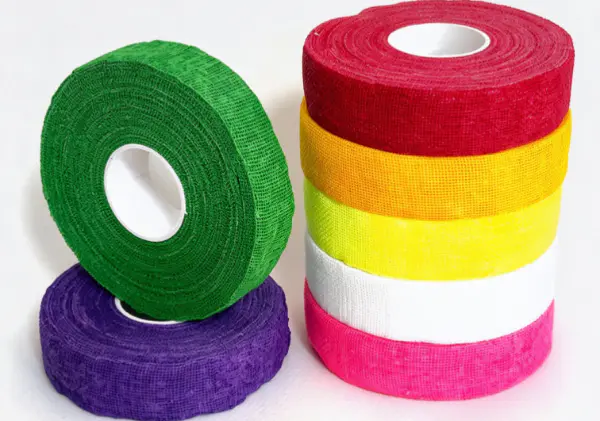
Adherent cohesive wrap bandages take a different approach to securing dressings. They stick to themselves rather than bonding directly to skin with adhesive. That design choice can make both wrapping and removal a lot more manageable in the right situations, and it gives caregivers more flexibility securing dressings around spots that are genuinely awkward to cover with flat tape.
That said, these bandages aren't a fit for every wound or care setting. How useful they are comes down to the dressing itself, the body area, the condition of the surrounding skin, and what the person receiving care actually needs. Understanding how they work helps healthcare providers, caregivers, and buyers figure out when they'll genuinely simplify dressing changes — and when they won't.
How Do Adherent Cohesive Wrap Bandages Work?
Adherent cohesive wrap bandages cling to themselves once wrapped around a body part. Unlike conventional adhesive tape, they don't need to bond directly to skin to stay put. Their surface lets one layer hold against another, which is what secures the dressing sitting underneath.
That self-adhering trait cuts down on the need for extra fastening materials. A caregiver wraps the bandage around a suitable area, presses the overlapping layers together, and the wrap holds the dressing in position through ordinary movement.
The material's usually flexible enough to follow the shape of areas like the wrist, ankle, hand, or lower leg. That's genuinely useful when a dressing sits on a curved surface or near a joint, where a traditional strip of tape just doesn't offer the same coverage — particularly once the skin moves or the area's hard to reach cleanly.
The word "adherent" trips people up sometimes. Cohesive wraps are built to adhere to themselves, not necessarily to the wound or skin directly. They shouldn't get treated as wound-contact dressings unless the specific product is designed and labeled for that purpose. A suitable primary dressing covers the wound; the wrap's job is just securing it on top.
That distinction actually matters because each layer plays a different role. The wound-contact material protects the wound itself; the outer wrap just keeps everything in position. Using each product for what it's actually meant to do is what makes routine care easier to manage overall.
Can Cohesive Wrap Bandages Make Dressing Changes Easier?
In some ways, yes — particularly when a dressing needs flexible external support. The main upside is that caregivers can secure a dressing without putting adhesive tape directly onto the skin surrounding it.
That's genuinely helpful for people who find tape removal uncomfortable or whose skin irritates easily. It can also cut down on cutting and applying several separate strips of tape one at a time. The wrap just gets adjusted around the dressing, with overlapping layers holding everything in place.
A simpler process matters a lot at home too. Family caregivers often find a self-adhering wrap easier to manage than positioning multiple tape strips around a moving hand or ankle. The wrap goes on in one continuous motion, though getting even coverage usually takes a bit of practice first.
Easier access to the dressing is another real plus. Once the wrap comes off, the dressing underneath can get checked or swapped without peeling adhesive tape straight off the skin — which can mean less pulling on delicate skin right around the wound.
Still, a cohesive wrap doesn't automatically make every dressing change faster or more pleasant. It still needs careful removal, and the dressing underneath can stick to the wound if it wasn't designed for easy removal in the first place. Wound-care instructions should really be what guides dressing choice and removal process, not convenience alone.
The wrap also has to stay secure without going too tight. Too much tension creates pressure, hurts comfort, or interferes with circulation. Ease of application should never outrank safe use — that's a line worth holding firmly.
Which Dressing Changes May Benefit From Cohesive Wrap Bandages?
How useful a cohesive wrap turns out to be depends heavily on the dressing type and where it's going. It tends to fit best when the main challenge is just keeping a dressing secure, rather than treating the wound itself.
Common situations worth noting:
- Dressings around joints — elbows, wrists, knees, ankles move constantly through daily activity. A flexible wrap can hold a dressing in place where ordinary tape just struggles to stay put.
- Dressings on curved body areas — hands, fingers, lower legs are genuinely awkward to cover with flat fastening materials. A wrap follows the shape of the area naturally when applied right.
- Routine dressing support — when a dressing just needs an outer layer to stop it shifting, a cohesive wrap offers a practical fix.
- Home care routines — caregivers changing dressings often tend to appreciate not needing several separate pieces of adhesive tape every time.
- Selected veterinary care situations — under professional guidance, cohesive wraps can help secure dressings on animals, though application has to account for movement, chewing, skin condition, and the risk of wrapping too tight.
Not every wound actually needs an additional wrap, worth saying. Some dressings already come with an adhesive border or a built-in fastening system — adding another layer on top might just be unnecessary unless the care plan genuinely calls for it.
Wounds with heavy drainage, signs of infection, deep tissue damage, or other complications need specific products and real professional assessment. A cohesive wrap can't substitute for wound evaluation or appropriate treatment — its job is securing a suitable dressing, not solving the underlying wound-care problem itself.
How Does a Cohesive Wrap Compare With Traditional Adhesive Tape?
Both cohesive wraps and adhesive tape secure dressings, just through different mechanisms entirely. Which one actually suits the job depends on body area, skin condition, dressing design, and how often the covering needs changing.
| Consideration | Adherent cohesive wrap bandage | Traditional adhesive tape |
|---|---|---|
| How it stays in place | Clings to overlapping layers of itself | Uses adhesive to attach to a surface |
| Contact with surrounding skin | Usually does not need to stick directly to the skin | Often attaches directly to the skin |
| Coverage | Can surround a dressing or body area | Usually secures selected edges or points |
| Application | Wrapped around the area and pressed into place | Cut or torn into strips and applied |
| Removal | Unwrapped or carefully released from overlapping layers | Peeled away from the attached surface |
| Areas with frequent movement | Can follow suitable curved areas and joints | May lift or loosen where the skin moves |
| Main consideration | Tension and circulation must be monitored | Skin sensitivity and adhesive removal need attention |
A cohesive wrap tends to work well when a dressing needs support wrapped around a curved area. Tape's often more practical when only a small edge needs securing, or when a full wrap would just be bulky overkill. Some dressing systems lean on both at once, depending on what their instructions call for.
Skin condition factors in heavily too. People with fragile skin often find direct adhesive removal genuinely uncomfortable. A self-adhering wrap sidesteps that particular irritation since it doesn't rely on sticking to skin at all. That said, friction, pressure, moisture, and repeated wrapping can still take a toll on skin regardless.
These products really deserve comparison by function, not treated as interchangeable substitutes for one another. In some care routines, a cohesive wrap cuts down the amount of tape needed significantly. In others, the existing dressing or fastening method already does the job fine.
What Should Caregivers Consider When Applying a Cohesive Wrap?
Getting application right keeps the wrap in place while cutting the risk of discomfort down. The goal's simple enough: secure the dressing without creating unnecessary pressure or boxing in normal movement.
A practical dressing-change routine might run through these steps:
- Prepare the care area. Gather the replacement dressing, cohesive wrap, and whatever other supplies the wound calls for. Follow relevant hygiene instructions before handling anything.
- Remove the existing wrap carefully. Unwrap without pulling sharply on skin or disturbing the wound underneath. If the dressing's stuck, follow the care instructions rather than forcing it loose.
- Check the dressing area. Observe the wound and surrounding skin as directed by the healthcare professional. Watch for changes that might need medical advice.
- Apply the appropriate dressing. Place the wound-contact product per its instructions. The cohesive wrap should never substitute for a required wound dressing itself.
- Wrap with controlled tension. Apply smoothly, avoid pulling tight. Overlapping layers should hold the dressing in place without creating constriction anywhere.
- Check comfort and circulation. Watch for pain, swelling, color changes, temperature shifts, altered sensation, or movement issues. Loosen or remove the wrap and seek guidance if anything concerning shows up.
These steps give a general framework, not a replacement for individual wound-care instructions. Some wounds need sterile handling, specialized dressings, or specific fixation methods — in those cases, the treating professional's instructions take priority, full stop.
Caregivers should also avoid wrapping over an area needing regular visual checks unless the care plan explicitly allows it. A secure covering only helps when it stays compatible with the person's overall care needs.
Are Cohesive Wrap Bandages Suitable for Sensitive Skin?
They can be a genuinely useful option for some people with sensitive or fragile skin, mainly because they don't usually depend on direct skin adhesion. That cuts down on repeatedly peeling tape off the same spot during dressing changes.
This distinction matters especially for older adults, people with delicate skin, and patients who react poorly to certain adhesives. Removing tape can hurt or even contribute to skin damage when the surrounding skin's already vulnerable. A self-adhering wrap sidesteps part of that problem.
Even so, cohesive wraps shouldn't get labeled suitable for every sensitive-skin situation out there. The material itself can irritate some users, and a wrap pulled too tight creates pressure or friction regardless. Moisture trapped underneath the bandage can affect the skin too.
Caregivers should inspect the area per the care plan and follow product instructions closely. If redness, itching, pain, swelling, or other unusual changes show up, the wrap needs reassessing. Symptoms that persist or get worse deserve professional advice.
Also worth considering who's actually wearing the bandage. Someone with reduced sensation might not notice excessive pressure or early discomfort building up. In those cases, extra monitoring and professional guidance become genuinely necessary.
Choosing a wrap should reflect the person's skin condition, where the dressing sits, and how long it's meant to stay on. What's convenient for one person might not suit another at all.
What Should Buyers Look for When Sourcing Adherent Cohesive Wrap Bandages?
Healthcare facilities, distributors, pharmacies, home-care suppliers need to think past whether a bandage simply adheres to itself. Product design, handling, packaging, intended use — all of it shapes how well a wrap actually fits into a dressing-change routine.
Material and flexibility
A wrap needs to be manageable during application and able to follow the intended body area closely. Worth comparing how easily the material stretches, conforms, and holds together once overlapping layers get pressed into place. Required characteristics shift depending on intended use.
Skin contact and product information
Clear labeling helps users understand whether the wrap's meant for external support, how to apply it, and what precautions matter. Review the manufacturer's instructions directly rather than assuming every cohesive wrap shares the same composition or suitability.
Ease of handling
Healthcare staff and home caregivers often apply or remove the wrap while juggling other dressing supplies at the same time. Packaging allowing controlled dispensing, and material that handles without excessive fuss, both support a smoother routine overall.
Consistency between batches
For organizations buying medical supplies regularly, consistent handling and clear product identification help staff keep familiar procedures running smoothly. Procurement teams should review applicable quality documentation and confirm the product actually meets the requirements of the intended care setting.
Storage and distribution
Packaging needs to protect the product through normal storage and transport. Worth checking stated storage conditions, shelf-life info where it applies, and instructions for keeping unused material clean until needed.
Intended application
Not every cohesive wrap serves the same purpose. A product built for light dressing fixation can differ meaningfully from one designed for other kinds of support. Matching the product to its stated use — and considering whether extra guidance or training's needed — matters here.
These purchasing considerations help organizations pick products that actually fit their workflows, rather than leaning on broad promotional claims. Clear instructions and appropriate product selection matter especially when supplies get used by people with varying levels of wound-care experience.
How Can Healthcare Providers Make Dressing Changes More Manageable?
Bandage choice is just one piece of an effective dressing-change routine. Staff training, clear instructions, suitable supplies, and genuine communication with patients all shape how smoothly care actually gets delivered.
Healthcare providers do well starting by pinpointing the main source of difficulty. If dressings keep shifting around joints, a cohesive wrap's worth a look. If removal's causing skin discomfort, cutting direct adhesive contact can help. If the wound needs frequent inspection, the dressing system needs to allow access without unnecessary handling every time.
Care instructions should spell out which dressing to use, how to secure it, when to change it, and what signs call for further attention. Simple written guidance helps patients and caregivers stay consistent between visits.
Demonstration genuinely helps too. A caregiver who's watched a professional apply a wrap tends to feel a lot more confident controlling tension and checking the covered area afterward. Training should cover removal just as much as application, since pulling or cutting a bandage carelessly causes avoidable discomfort fast.
Healthcare teams should revisit the person's needs over time too. Changes in wound condition, swelling, mobility, skin sensitivity, or daily activity level can all shift whether a particular securing method still fits. A wrap that works great at one stage of care might need swapping for a different approach later on.
Adherent cohesive wrap bandages can genuinely make selected dressing changes easier by cutting reliance on skin adhesives and allowing flexible coverage. Their real value comes down to appropriate use, careful application, and a dressing system that actually suits the wound. Weigh these factors together, and caregivers and healthcare providers end up with a practical way to secure dressings — one that keeps comfort and safety right at the center of routine care, not as an afterthought.