


 English
 中文简体
中文简体
 Español
 عربى
عربى
 Français
 Português
Printed Sports Tape
Sports taping is often treated as a simple wrapping task, but the material placed closest to the skin can influence how the outer tape feels...
READ MOREinformation to be updated
Printed muscle tape is a sports protection product that combines functionality with personalized design, suitable for a variety of sports scenarios. It features a cotton or luminous fabric base, ensuring comfort and durability. The pressure-sensitive adhesive provides good adhesion and good breathability. The release paper allows for easy storage and portability before use.
Applications:
Advantages:
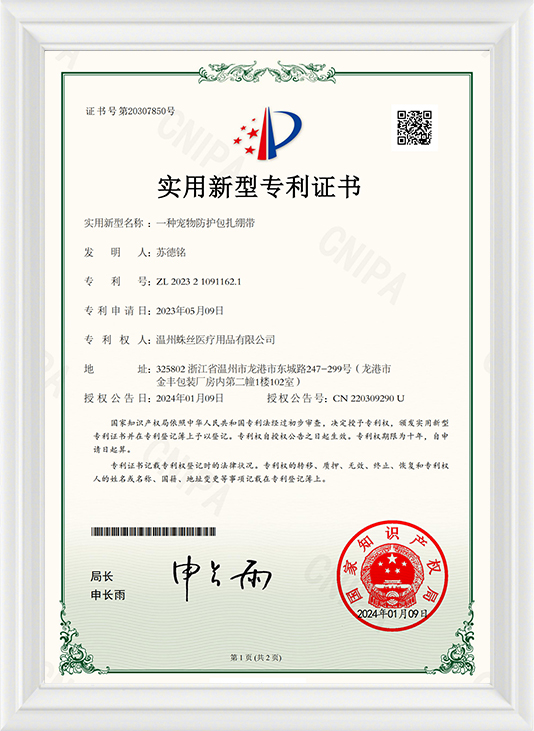
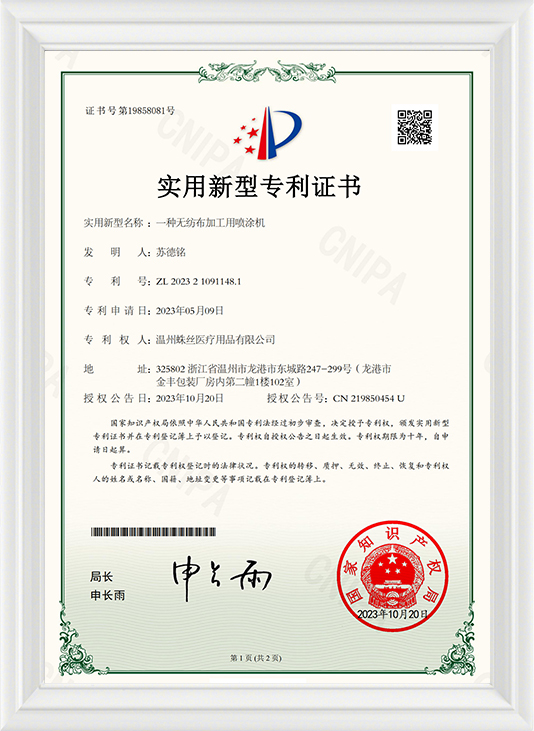
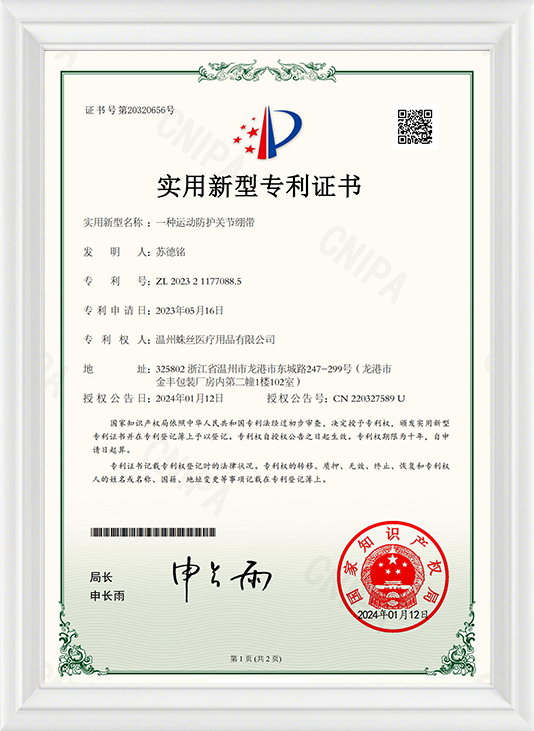
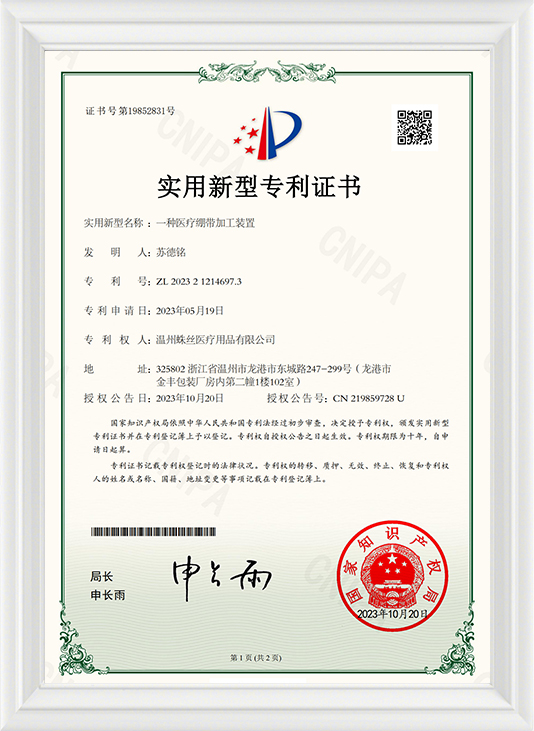
Wenzhou Zhusi Medical is a custom printed athletic tape factory for logo, pattern and color design. We specialize in wholesale printing kinesiology tape, providing professional care solutions for clients in the fields of sports, medical care, personal care, animal health, tattoos, and beauty. Through technology and innovation, we strive to enable everyone in the world to enjoy a healthy and fulfilling life.
Our Mission:
We strive to achieve both material and spiritual well-being for all employees, spread love and health, and promote the accessibility of healthcare products to everyday families.
Our Vision:
To become a renowned company recognized by customers, respected by society, and ensuring employee well-being.
Sports taping is often treated as a simple wrapping task, but the material placed closest to the skin can influence how the outer tape feels...
READ MOREA bandage placed around a joint has to deal with constant changes in the shape of the skin. When an ankle bends, a wrist turns, or a knee fl...
READ MOREA cohesive bandage can look simple to use. It stretches, wraps around an area, and holds against itself without needing ordinary adhesive on...
READ MOREA bandage may look simple, but its performance depends on how it behaves after it has been wrapped around the body. It needs to remain in po...
READ MOREPatterned kinesiology tape is elastic adhesive tape printed with decorative graphics, repeated motifs, logos or multicolor artwork. It retains the layered construction of standard kinesiology tape—an elastic textile backing, pressure-sensitive adhesive and release liner—while adding printing as part of the production process. This additional layer changes more than appearance. Ink compatibility, fabric stretch, pattern repeat, color fastness and print alignment must all be considered during product development. A successful printed tape should maintain a clear design as the backing stretches, without compromising adhesive coating, liner release or material flexibility.
Patterned kinesiology tape is a printed version of elastic therapeutic tape. Instead of using a single, unprinted fabric color, the outer surface carries a decorative or informational design.
Common design styles include:
Patterned tape can be supplied as a continuous roll, ready-sized strip or custom die-cut patch. The format does not determine the underlying material. Printed products may use cotton-rich, synthetic or blended elastic fabrics.
The printing does not create a separate category of therapeutic performance. Patterned and plain kinesiology tapes can use the same backing and adhesive construction. Their practical differences usually relate to visual design, printing method, ink behavior and additional production controls.
Actual wear and handling depend on the complete tape structure, application method, skin condition, activity, moisture exposure and environmental conditions.
Printed kinesiology tape is a layered material. Each component must remain compatible with the others during coating, printing, stretching, cutting and application.
| Component | Typical Material | Role in the Finished Tape |
| Elastic backing | Cotton-rich, polyester, nylon or blended fabric | Provides the printable surface, flexibility and mechanical structure |
| Elastic yarn | Elastane, spandex or similar fiber | Creates longitudinal stretch and recovery |
| Printed design | Compatible textile ink or pigment system | Forms the visible pattern, color or logo |
| Adhesive layer | Pressure-sensitive acrylic adhesive | Establishes contact with intact skin |
| Release liner | Release-coated paper or film | Protects the adhesive before application |
| Optional finish | Product-specific surface treatment | May modify print anchorage, feel or moisture response |
The layers cannot be developed independently. A printing process that works well on rigid fabric may crack or distort on an elastic backing. Similarly, excessive heat during printing can alter elastic yarns and affect recovery.
The backing affects print sharpness, surface feel, stretch behavior and dimensional stability. Pattern quality depends as much on the fabric as it does on the ink.
Cotton-Rich Elastic Fabric
Cotton-rich kinesiology tape normally combines cotton yarns with elastic fibers. Cotton provides a soft, matte surface that can give printed artwork a natural textile appearance.
Common characteristics include:
An open or uneven weave may reduce the sharpness of small graphic details. Ink can also penetrate differently across raised and recessed yarns, producing a less uniform appearance than on a smooth synthetic surface.
Cotton-rich tape is not normally made from cotton alone. Elastane, spandex or another elastic component is needed to provide stretch and recovery.
Polyester Backing
Polyester generally offers a smooth surface, relatively low moisture absorption and stable dimensions. These characteristics can support crisp graphics and strong color reproduction.
Potential advantages for printing include:
Polyester construction does not automatically make the finished tape waterproof. Moisture may still pass through the fabric structure or affect adhesive contact around the edges.
Nylon Backing
Nylon can provide a soft, smooth surface with controlled flexibility. It may be selected when the design requires a fine textile finish or bright color.
Its practical behavior depends on:
Nylon can absorb some moisture, so its performance should not be assumed from the word synthetic alone.
Blended Elastic Fabric
Blended backings may combine cotton, polyester, nylon, rayon and elastic fibers. The purpose is usually to balance softness, print definition, stretch, recovery and production stability.
A blended construction can influence:
The precise fiber composition provides more useful information than general labels such as premium fabric or performance material.
Printed kinesiology tape can carry simple repeated motifs or complex multicolor artwork. The selected pattern should be evaluated both at rest and under extension.
| Pattern Category | Typical Visual Elements | Design Consideration |
| Geometric | Lines, grids, triangles and abstract shapes | Misalignment becomes visible quickly on repeated structures |
| Botanical | Leaves, flowers and natural forms | Fine details may soften on textured fabric |
| Animal-inspired | Paw prints, feathers or stylized animal graphics | Repeat spacing should suit common strip lengths |
| Camouflage | Layered organic shapes and multiple colors | Color registration must remain controlled |
| Gradient | Progressive transition between colors | Banding and shade consistency require attention |
| Logo repeat | Names, symbols or identity marks | Artwork can become distorted when the tape stretches |
| Seasonal | Holiday or event-related graphics | Short production cycles still require print validation |
| Placement graphics | Lines, arrows or numbered sections | Printed information should remain readable after cutting |
A complex pattern is not always the most practical choice. Small lettering, narrow lines and circular logos can become visibly distorted when the elastic backing is extended.
Design development should therefore include tests at several stretch levels rather than relying only on flat artwork.
The most appropriate printing process depends on the fabric, design complexity, color count, production configuration and intended contact conditions.
Surface Printing
Surface printing places the design on the exposed side of the fabric. This method can produce clear graphics, but the ink must remain attached as the textile bends and stretches.
Relevant considerations include:
A thick or rigid ink layer may reduce flexibility. It can also crack when the backing stretches repeatedly.
Transfer Printing
Transfer methods can produce detailed, multicolor graphics on compatible synthetic fabrics. Temperature and dwell time must be controlled because excessive heat can affect elastane or other elastic yarns.
The process should be evaluated for:
A process suitable for polyester may not produce the same result on cotton-rich fabric.
Rotary or Repeating Print Systems
Continuous patterns are commonly arranged as repeating artwork across the tape web. Repeat length should account for the finished roll size and likely strip length.
Poor repeat planning can result in:
Artwork should be developed around the actual usable width, edge-trim allowance and cutting layout.
Digital Printing
Digital methods can support complex graphics, multiple colors and relatively flexible artwork changes. Suitability still depends on textile pretreatment, ink system and finishing requirements.
Print resolution alone does not determine finished quality. Stretch, friction, perspiration and storage can all affect the final appearance.
Printing on elastic fabric creates a challenge that does not occur with ordinary rigid labels. As the tape lengthens, the artwork changes shape.
A printed circle may become an oval. A square can become a rectangle. Text may spread apart or become thinner, depending on its orientation.
Important factors include:
Designs can be adapted for expected extension, but one correction cannot cover every possible stretch level. For this reason, simple motifs and forgiving abstract patterns often remain visually balanced across a wider range of movement.
Repeated logos and text require particular care. They should remain recognizable without implying that the tape must be applied at a specific tension solely to make the image look correct.
Patterned and plain tape may share the same elastic backing and adhesive system. The main differences arise from visual treatment and print-related production requirements.
| Feature | Patterned Kinesiology Tape | Plain Kinesiology Tape |
| Surface design | Printed motifs, graphics or logos | Solid color or unprinted surface |
| Production steps | Includes artwork preparation and printing | Usually requires dyeing or basic color control |
| Stretch appearance | Pattern may distort during extension | Color remains visually uniform |
| Quality control | Includes print alignment, cracking and transfer checks | Focuses mainly on color consistency and material performance |
| Customization | Supports repeated graphics and themed designs | Supports standard or custom solid colors |
| Storage consideration | Print should be protected from heat, friction and sunlight | Adhesive, backing and color remain the main concerns |
| Cutting alignment | Artwork may need to align with strips or patches | Shape alignment is less visually complex |
Printing adds identity and visual variety, but it also introduces more variables. A plain tape can hide minor web movement that would become obvious in a geometric or logo-based design.
A printed design should not be assessed only by how it looks on an unused roll. The material must also be examined after stretching, moisture exposure and normal handling.
| Quality Factor | What to Evaluate | Why It Matters |
| Print adhesion | Peeling, flaking and separation from the backing | Indicates whether the design remains attached during handling |
| Stretch stability | Cracking, gaps and graphic distortion | Shows how the artwork responds to extension |
| Color fastness | Dry rubbing, moisture exposure and transfer | Helps control staining of clothing or skin |
| Print registration | Alignment between colors and repeated elements | Affects clarity of multicolor patterns |
| Elastic recovery | Return of fabric and artwork after extension | Influences the appearance after movement |
| Adhesive consistency | Coating pattern, tack and holding behavior | Confirms that printing has not disrupted tape construction |
| Edge quality | Fraying, ink buildup and cutting defects | Affects the finished appearance of rolls and precut pieces |
| Dimensional stability | Width, length, shrinkage and web alignment | Supports repeatable printing and converting |
| Liner release | Release force and liner integrity | Helps avoid distortion during preparation |
| Moisture response | Changes in color, adhesion and drying | Relevant to perspiration and brief water exposure |
Results should be interpreted according to the test method and sample condition. A print that remains stable during dry stretching may behave differently after moisture exposure.
Printed tape can come into contact with skin, clothing, sportswear and moisture. Color control therefore involves more than matching an artwork file.
Relevant evaluations may include:
Bright colors, dark pigments and fluorescent designs may require additional attention because visual transfer can be easier to notice.
Terms such as skin-friendly, hypoallergenic, non-toxic or suitable for sensitive skin should not be inferred from the printed appearance. Such descriptions require suitable information for the complete finished tape, including the adhesive, fabric, dyes, inks and processing materials.
Patterned kinesiology tape can be supplied in continuous rolls or converted into ready-sized pieces.
Continuous Printed Rolls
A continuous roll allows different strip lengths and shapes to be prepared before application. Artwork is usually arranged as a repeating design along the tape.
Development considerations include:
Precut Printed Strips
Precut strips combine printed artwork with defined dimensions and rounded corners. The pattern can be continuous across the material or positioned specifically within each piece.
Accurate alignment becomes important when:
Printed Contoured Patches
Custom shapes may be designed around selected body contours or product concepts. Complex outlines require coordinated printing and die-cutting.
Potential converting issues include:
Print and cut registration should therefore be evaluated on finished pieces rather than only on the unconverted web.
It is elastic adhesive tape printed with decorative graphics, repeated motifs, logos or multicolor artwork. It may be supplied in rolls, strips or contoured shapes.
The underlying material can be the same. Patterned tape adds a printing process and therefore requires additional control of ink adhesion, stretch stability and color fastness.
Common backings include cotton-rich elastic fabric, polyester, nylon and blended textiles. Pressure-sensitive acrylic adhesive is frequently used on the skin-contact side.
Printing can affect elasticity when the ink layer is too rigid, too heavy or cured at an unsuitable temperature. Compatible inks should flex with the backing.
Yes. Cracking can occur when ink flexibility, fabric stretch or curing conditions are not properly matched.
Not automatically. Some products tolerate perspiration or brief water exposure, but waterproof performance requires product-specific testing.
This cannot be determined from the pattern or backing alone. Skin compatibility depends on the complete product and any supporting evaluation.
Color and pattern do not independently determine therapeutic performance. Their primary roles are appearance, identification and product differentiation.
Yes, but logo proportions and text size should account for distortion when the material stretches.
Yes. It can be converted into straight strips, divided pieces, fan cuts and contoured patches. Print-to-cut alignment becomes especially important.
Keep it in its original packaging in a clean, cool and dry place, away from direct sunlight, excessive heat, moisture, oils and dust.
No. It should not be presented as a substitute for diagnosis, treatment, rehabilitation or professional medical advice.

“This website is for users outside of China.”
Copyright © 2025 Wenzhou Zhusi Medical Supplies Co., Ltd. All Reserved. Approval No:浙温械备20250002 & 浙温械备 20190061 号 & 浙温药监械生产备20190011号
Breathable Elastic Athletic Tape Manufacturer
