

 English
 中文简体
中文简体
 Español
 عربى
عربى
 Français
 Português
Industry News
Dressing fixation is a small part of wound care, but it can affect how comfortably a dressing stays in place during daily movement. A dressing may cover the required area, yet it still needs suitable support around it. If the dressing shifts too easily, the covered area may no longer stay properly protected.
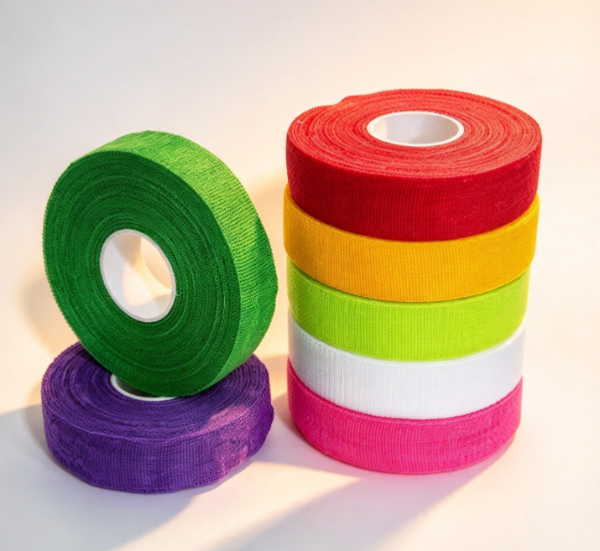
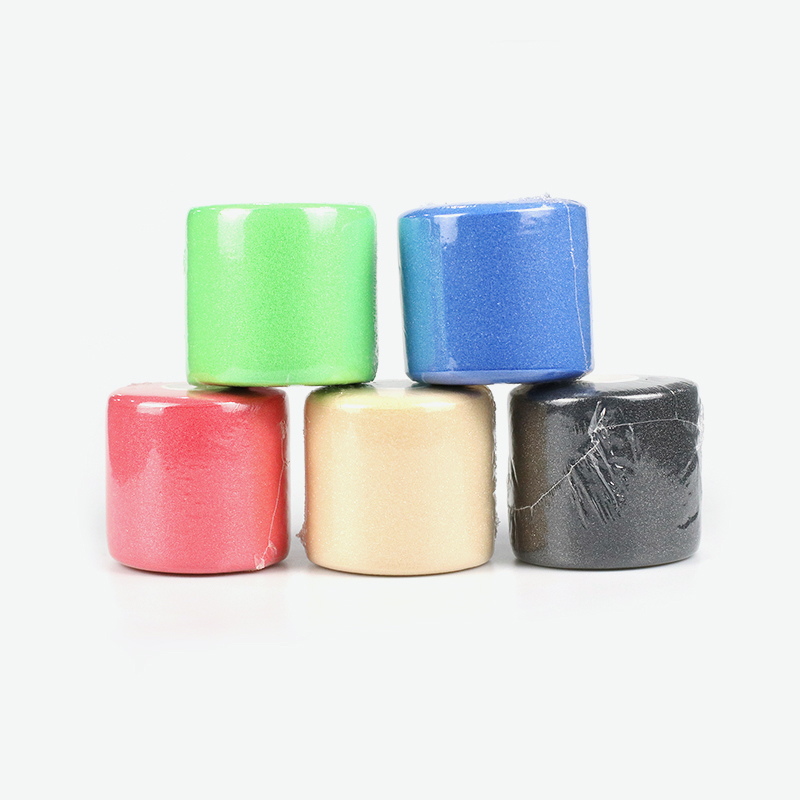
This is where Co Flex Bandage Wrap can have a practical role. It is commonly used as a self-adherent wrapping material. Instead of relying on adhesive to attach directly to the skin, the wrap can hold onto itself when applied around a dressing or other suitable area. This makes the wrapping process different from using ordinary adhesive tape.
The flexible nature of this type of bandage also makes it useful for areas that move or have uneven shapes. It can be wrapped around a dressing while allowing the surrounding area to retain some freedom of movement. For medical and veterinary applications, this can make dressing fixation easier to manage.
Understanding why Co Flex Bandage Wrap is used for dressing fixation requires more than looking at the wrapping material itself. The application method, dressing position, body area, movement, comfort, and handling requirements all matter.
Why Is Dressing Fixation Important in Wound Care?
A dressing has a simple job. It covers an area that needs protection and helps keep the surrounding environment more controlled. However, the dressing cannot perform this role properly if it moves out of position.
Movement can happen for many reasons. The covered area may bend during normal activity. Clothing may rub against the dressing. Moisture and repeated movement can also affect how well a dressing stays where it was placed.
For this reason, dressing fixation is often considered alongside dressing selection. The fixation method should hold the dressing in a practical position without creating unnecessary difficulty during application or removal.
Co Flex Bandage Wrap provides one way to approach this task. The material can be wrapped around the dressing and allowed to adhere to itself. This creates a surrounding layer that helps keep the dressing positioned on the intended area.
The fixation process can also be adjusted according to the shape of the area being covered. Rather than treating every wound or dressing as a flat surface, the wrap can follow the general shape of the body area during application.
| Dressing Requirement | Possible Role of Co Flex Bandage Wrap |
|---|---|
| Keeping a dressing in position | Helps hold the dressing around the covered area |
| Flexible wrapping | Can follow different body shapes |
| External support | Creates a surrounding layer over the dressing |
| Easy handling | Can be wrapped directly around the intended area |
| Movement-related fixation | Helps keep the dressing positioned during ordinary movement |
The goal is not simply to add another layer. The fixation material needs to work with the dressing and the area where it is being applied.
How Does Co Flex Bandage Wrap Stay in Place?
One of the features associated with Co Flex Bandage Wrap is its self-adherent design. The material is designed to attach to itself rather than depending on a separate adhesive layer for the main wrapping action.
This changes the way the bandage is handled. A user can place the dressing over the intended area and then wrap the material around it. As the layers overlap, the wrap can hold onto itself.
This can be useful when a dressing needs additional support but direct adhesive contact with the skin is not the preferred approach. The wrap becomes part of the external fixation system instead of functioning like a strip of adhesive tape.
The self-adherent structure can also make application more flexible. The user does not need to position separate pieces of tape around every edge of the dressing. A continuous wrapping motion can provide coverage around the area.
This is particularly useful when the shape is not completely flat. Arms, legs, joints, paws, and other body areas can have changing contours. A flexible wrap can follow these shapes more naturally than a rigid strip.
However, application still needs care. A bandage should be positioned appropriately for its intended use. The wrapping process should not create unnecessary pressure or interfere with normal circulation. Proper use depends on the application and the instructions associated with the product.
Can Co Flex Bandage Wrap Adapt to Different Body Areas?
Body areas are rarely shaped like simple rectangles. Some areas are narrow, while others become wider or change direction. Joints also move during everyday activity.
This is one reason flexible wrapping materials are useful. Co Flex Bandage Wrap can be guided around different shapes while maintaining contact between overlapping layers.
The flexibility of the material can make it suitable for areas where a dressing needs to remain supported while the surrounding body part continues to move. The wrap can follow the general contour instead of remaining fixed in a single flat position.
For example, a dressing around a limb may need external support without completely restricting ordinary movement. A flexible wrapping material can provide a practical way to hold the dressing in place while following the shape of the limb.
Veterinary care can involve even more varied shapes. Animal legs, paws, and other areas can be difficult to cover with conventional flat adhesive materials. Self-adherent wrapping materials can provide another option for securing suitable dressings in these situations.
| Application Area | Why Flexible Wrapping Can Help |
|---|---|
| Arms and legs | Follows the general shape of the limb |
| Around joints | Allows wrapping around changing contours |
| Feet and paws | Can accommodate uneven surfaces |
| Dressing-covered areas | Adds external support around the dressing |
| Veterinary applications | Can adapt to different animal body shapes |
The suitability of the wrap still depends on the specific application. Not every body area requires the same type of fixation. The material should be selected according to the dressing, location, and care requirements.
Why Can Self-Adherent Wrapping Be Useful for Dressing Fixation?
Traditional adhesive products attach directly to a surface. That can be useful in many situations, but it is not always the preferred approach for dressing fixation.
A self-adherent wrap works differently. It focuses on the relationship between overlapping layers of the material. This allows the wrap to create its own fixation around the dressing.
For users, this can simplify the wrapping process. There is no need to cut multiple small pieces of tape simply to keep the edges of a dressing in place. The wrap can be applied around the area in a continuous manner.
It can also provide a cleaner wrapping structure. Instead of having separate adhesive strips placed at different points, the dressing can be surrounded by a unified layer of bandage material.
Another consideration is handling. A roll format allows the user to decide where the material should be placed and how it should follow the shape of the application area. This provides flexibility during dressing changes.
For professional care settings, handling convenience can matter because dressing fixation may need to be repeated. A wrapping material that is easy to position can make the process more straightforward.
The exact experience will depend on the product construction and the application. Self-adherent does not mean that every use is automatically suitable. Proper placement remains important.
How Does Co Flex Bandage Wrap Support Different Dressing Applications?
Dressing fixation is not limited to one type of care. Different settings may use wraps for different reasons.
In general wound care, the wrap can help keep a dressing positioned over the intended area. In veterinary care, it may be used to support suitable dressings on animals. In other care settings, it can provide an external wrapping layer where flexible fixation is needed.
The surrounding material may also serve a practical role during handling. Once the dressing has been placed, the wrap can help keep the overall arrangement together.
This makes the product relevant to several types of applications rather than one narrow use.
| Application | Possible Use of the Wrap |
|---|---|
| Dressing fixation | Helps keep a dressing in position |
| Wound care | Provides an external wrapping layer |
| Veterinary care | Supports suitable animal dressings |
| General bandaging | Creates flexible self-adherent coverage |
| Temporary dressing support | Helps maintain the position of a suitable dressing |
The exact use should always match the care requirements of the application. A wrapping material is not a replacement for appropriate wound care or professional medical advice.
What Makes Co Flex Bandage Wrap Practical for Handling?
A dressing material can be useful in theory but difficult to handle in practice. This is why the physical handling experience matters when selecting a wrapping solution.
Co Flex Bandage Wrap is generally handled directly from the roll. The user can wrap the material around the intended area and overlap successive layers. This creates a straightforward application process.
The material can also be cut or separated after enough coverage has been created. The end can then remain against the surrounding wrap rather than requiring a separate adhesive strip.
This can reduce the number of individual pieces needed during application. It may also make dressing changes more organized, particularly when the user needs to work quickly.
Flexibility is another practical consideration. A rigid material can be difficult to position around curved areas. A flexible wrap can move with the general shape of the application area.
At the same time, flexibility should not be confused with unlimited stretch. The wrap still needs to be applied appropriately. Excessive tension is not the goal of dressing fixation.
The user should focus on securing the dressing while maintaining suitable comfort and circulation. In professional settings, established care procedures should guide the application.
Which Factors Should Buyers Consider When Choosing Co Flex Bandage Wrap?
Buyers often look at more than the basic purpose of a bandage. The intended application can influence the type of wrap that makes sense for a particular use.
The shape of the application area is one consideration. A flexible self-adherent wrap may be more convenient for curved or moving areas than a simple flat adhesive strip.
The type of dressing also matters. Some dressings need only light external fixation, while others may require a more structured wrapping method.
Handling requirements should also be considered. If the product will be used frequently, easy positioning and removal can become important parts of the purchasing decision.
For distributors and professional buyers, product consistency and packaging arrangements may also matter. They may need a product range that fits different care settings rather than one single application.
| Buyer Consideration | Key Question |
|---|---|
| Application | Where will the wrap be used? |
| Dressing type | What kind of dressing needs fixation? |
| Body area | Can the material follow the shape of the area? |
| Flexibility | Is flexible wrapping important for the application? |
| Handling | Can users apply and remove the material conveniently? |
| Care setting | Is it intended for medical, veterinary, or general use? |
| Product selection | Does the available range match different application needs? |
| Packaging | Does the packaging suit storage and distribution requirements? |
These questions can help buyers connect product selection with actual use instead of choosing a wrapping material based only on appearance.
Could Co Flex Bandage Wrap Support Both Medical and Veterinary Applications?
Medical and veterinary care have different practical requirements, but both can involve the need to keep a dressing positioned around a moving body area.
This creates a place for flexible self-adherent wrapping materials. In medical settings, the wrap can be used around suitable dressings where external fixation is required. In veterinary settings, the same basic wrapping concept can be adapted to animal care applications.
Animal bandaging can present additional handling challenges. Paws, legs, and other areas may have shapes that make ordinary adhesive fixation less convenient. A flexible wrap can follow the general form of the area while creating a layer around the dressing.
The material can also provide a visible outer layer, which may make it easier to recognize whether the dressing remains in position. This does not replace regular inspection, but it can make the condition of the external bandage easier to observe.
For buyers serving different markets, this broader application range can influence product planning. Medical suppliers, veterinary distributors, clinics, and other care-related businesses may have different requirements for the same general type of wrapping material.
The important point is that Co Flex Bandage Wrap is used as part of a dressing and bandaging approach. Its value comes from how the flexible, self-adherent material fits the practical needs of fixation, handling, and movement around the intended application area.