

 English
 中文简体
中文简体
 Español
 عربى
عربى
 Français
 Português
Industry News
A bandage placed around a joint has to deal with constant changes in the shape of the skin. When an ankle bends, a wrist turns, or a knee flexes, the surface under the bandage does not remain still. A material that sits comfortably in one position may shift once the joint starts moving.
This makes fixation more complicated than simply making an adhesive stronger. The fabric needs to move with the skin, while the adhesive needs to maintain contact as the surface changes. Tension, moisture, wrinkles, and the shape of the joint can also affect how well the material stays in position.
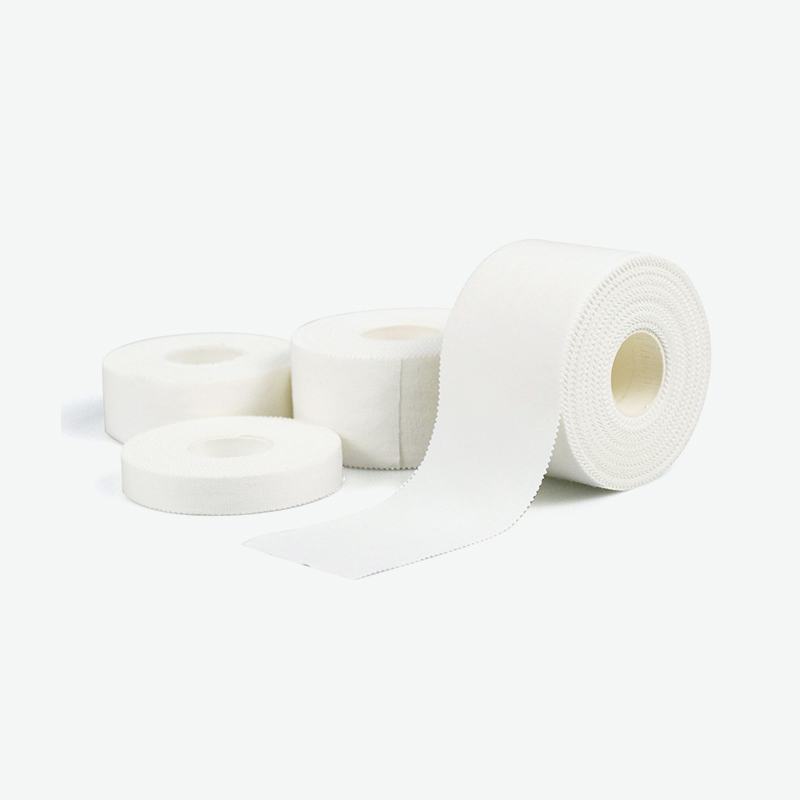
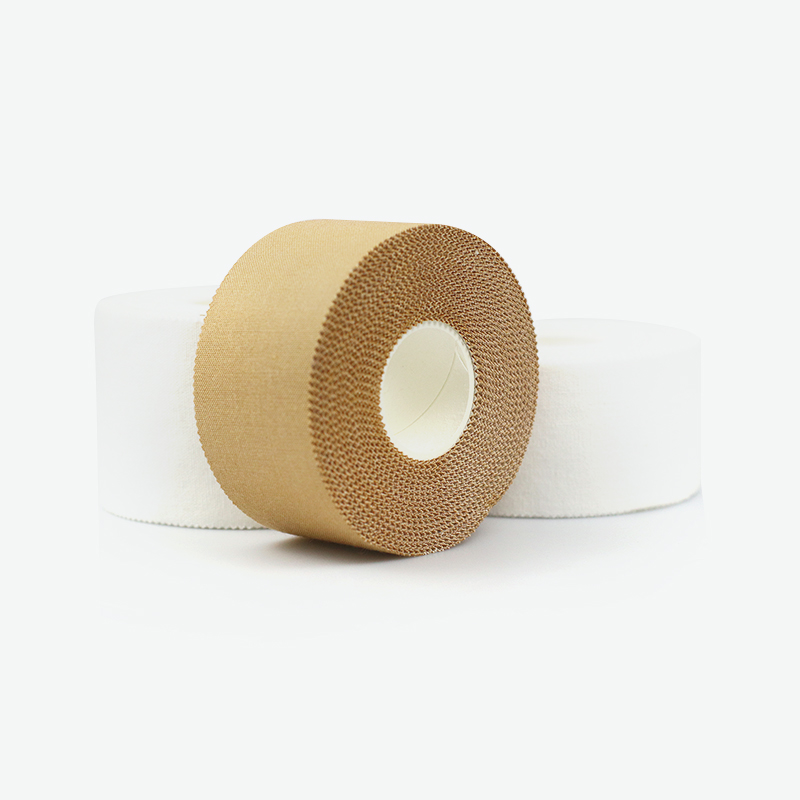
An Elastic Zinc Oxide Adhesive Bandage combines an elastic fabric with a zinc oxide adhesive layer. The two parts perform different roles, but their interaction is important when the bandage is used around areas that move frequently. Looking at these factors separately helps explain why some applications remain stable while others begin to slip or lift.
What Happens to a Bandage When a Joint Keeps Bending
A joint does not move like a flat surface sliding underneath a fixed piece of material. As it bends, the skin stretches in some areas and gathers in others. The shape also changes around the sides of the joint, where the surface may become more curved.
A bandage placed across this area therefore experiences repeated changes in contact. When the joint returns to a straighter position, the material needs to adjust again. The same process can occur many times during ordinary movement.
Consider the difference between applying a bandage to a relatively flat area and placing one around an ankle. On a flat surface, the material has fewer changes in direction to accommodate. Around an ankle, however, it needs to follow a curved surface while dealing with movement from several directions.
This creates several possible problems:
- The material may gradually move away from its original position.
- Edges may begin to lift when the joint bends.
- Small folds can appear where the fabric cannot follow the skin evenly.
- Adhesive contact may change as the surface moves.
The stability of an adhesive bandage is therefore closely related to how well it accommodates movement. Fixation is not only a matter of adhesion. The physical behavior of the fabric also matters.
How Does Elastic Fabric Follow Repeated Joint Movement
Elastic fabric gives the bandage a degree of flexibility that allows it to change shape with the body. Rather than remaining completely fixed, the material can extend and return as the joint moves.
This characteristic is particularly relevant around curved areas. When the knee or wrist changes position, the fabric can adjust instead of immediately pulling away from the skin. The result depends on how the material stretches, how it returns toward its original form, and how evenly that movement takes place.
Elasticity also affects the way tension is distributed. A rigid piece of material can concentrate tension at certain points when placed over a moving joint. An elastic construction can accommodate some of that change across the fabric.
However, elasticity should not be viewed in isolation. A material that stretches easily still needs to maintain suitable contact with the skin. If it stretches excessively during application, the resulting tension may change as the material returns toward its original state.
| Fabric characteristic | Effect around moving joints |
|---|---|
| Flexible construction | Allows the material to follow curved surfaces |
| Controlled stretch | Helps accommodate changes in joint position |
| Even recovery | Helps the material return without excessive distortion |
| Breathable structure | Can influence the condition of the covered skin |
| Consistent fabric surface | Supports more even contact with the adhesive layer |
This is why the word "elastic" carries practical meaning in an Elastic Zinc Oxide Adhesive Bandage. The fabric is not simply a carrier for the adhesive. Its ability to respond to movement is part of how the bandage behaves after application.
Why Does Zinc Oxide Adhesive Matter on Moving Skin
Elasticity helps the material follow movement, but movement also creates a challenge for the adhesive. The skin beneath the bandage changes position continuously, so the adhesive needs to maintain contact while the fabric shifts with it.
Zinc oxide adhesive is used in some elastic adhesive bandages because it can provide direct adhesion to the skin. This distinguishes such products from wraps that mainly attach to themselves rather than directly to the skin.
When a joint bends, the adhesive layer is subjected to small changes in direction and tension. If contact remains reasonably consistent, the fabric can move together with the skin instead of separating from it.
The relationship can be viewed in a simple way:
Elastic fabric → follows movement
Adhesive layer → maintains contact
Skin surface → provides the contact area
These elements work together rather than independently. A flexible fabric with poor skin contact may still move out of position. Likewise, strong adhesion alone does not solve every problem if the fabric cannot accommodate repeated bending.
The adhesive layer also has to remain sufficiently consistent across the fabric. Uneven adhesive coverage can create areas where contact changes more readily. This can become noticeable around curved or frequently moving parts of the body.
For that reason, the role of zinc oxide adhesive is not simply to make the bandage "stick." Its relationship with the elastic fabric is more important when the material needs to remain in place while the skin underneath continues to move.

How Does Bandage Tension Affect Stability Around Moving Joints
Tension is another part of the equation. When an elastic bandage is stretched during application, the fabric stores some of that stretch and attempts to return toward its original form. The amount and distribution of tension can influence how the material sits on the body.
If tension is uneven, one section may sit more firmly against the skin while another section has less contact. This difference can become more apparent when the joint starts moving.
Too much tension can also create an uncomfortable feeling and may cause the material to pull differently as the joint changes position. Too little tension, on the other hand, may leave the bandage with less conformity around the body.
The goal is not simply to increase tension. What matters is how evenly the material remains positioned while accommodating movement.
A practical way to view the relationship is:
Stretch → changes the fabric shape
Tension → affects how the fabric sits
Movement → changes the contact surface
Adhesion → helps maintain contact
If one of these factors changes, the behavior of the whole application can change with it. This is particularly relevant when wrapping a joint where movement is frequent and the surface is not uniform.
Why Do Wrinkles Form Around Knees, Ankles, and Wrists
Wrinkles are often a visible sign that the material is not adapting evenly to a changing surface. They can occur when one section of the fabric moves differently from another section.
The problem is particularly noticeable around knees, ankles, and wrists because these areas combine curved surfaces with repeated movement. As the joint bends, the inside and outside portions of the covered area may change shape in different ways.
For example, when an ankle moves, the fabric covering one side may need to accommodate a different amount of movement from the fabric on another side. If the material cannot adjust smoothly, a fold may form.
Wrinkles can also be associated with the way tension is distributed during application. When one part is stretched more than another, the difference may become visible after the joint moves.
The connection between wrinkles and stability is worth noting. A small fold is not necessarily a sign that the entire application will fail. However, larger or repeated folds can alter the contact between the adhesive surface and the skin.
This creates a chain of effects:
Joint movement → fabric deformation → uneven contact → wrinkles → possible changes in adhesion
The fabric therefore needs to accommodate not only the overall movement of the joint but also the smaller changes across its surface.
How Do Sweat and Skin Moisture Affect Adhesive Bandage Hold
Skin condition introduces another variable. Even when the fabric and adhesive are designed to work together, the surface underneath the bandage can change during use.
Sweat adds moisture to the skin. Natural skin oils, lotions, and other surface substances can also alter the condition of the contact area. Since adhesion depends on contact between the adhesive and skin, changes at that interface can influence how securely the material remains positioned.
This can become more noticeable during physical activity. As movement continues, moisture can accumulate beneath the covered area. At the same time, repeated motion creates additional changes in the contact between the fabric and skin.
For an Elastic Zinc Oxide Adhesive Bandage, the adhesive layer therefore interacts with more than just the fabric. It also interacts with the condition of the skin.
Before application, a clean and reasonably dry surface can provide more consistent contact. After application, changes in moisture may still occur, particularly around areas that move frequently.
This is one reason why two applications using the same type of material can behave differently. The surrounding conditions are not always the same.
Skin preparation, joint movement, and environmental conditions can all influence the way the adhesive layer performs. Looking only at the fabric or adhesive without considering the skin surface leaves out an important part of the process.
Why Does Elastic Zinc Oxide Adhesive Bandage Sometimes Slip During Movement
Slippage usually does not come from one factor alone. A joint that moves repeatedly places changing demands on the fabric, adhesive, and contact surface. If several conditions become unfavorable at the same time, the bandage may gradually move from its original position.
One possible cause is insufficient or inconsistent adhesive contact. Another is excessive movement of the covered area. Moisture can add another variable, while uneven tension or wrinkles can create areas where the material does not sit smoothly.
The location of the bandage also matters. A surface with frequent bending presents a different challenge from a relatively stable part of the body.
| Possible factor | How it can affect stability |
|---|---|
| Repeated joint movement | Continuously changes the contact surface |
| Uneven tension | Creates differences in how the material sits |
| Moisture | Can alter the skin-to-adhesive interface |
| Wrinkles | May reduce even contact in certain areas |
| Curved surfaces | Require greater fabric conformity |
| Edge movement | Can gradually affect the position of the material |
This explains why simply increasing adhesive strength is not necessarily the answer to every slipping problem. The fabric still needs to accommodate movement, and the application needs to maintain reasonably consistent contact.
In other words, stability is a combined result. The elastic material responds to movement, the adhesive maintains contact, and the application conditions determine how consistently those two elements can work together.
Which Bandage Features Help Maintain Stability on Moving Joints
When an adhesive bandage is intended for a moving joint, several characteristics can be considered together rather than evaluated separately.
Elasticity affects how readily the fabric follows changes in body position. A flexible construction can accommodate movement without behaving like a rigid strip.
Adhesion affects how consistently the material remains connected to the skin. This becomes particularly relevant when the joint repeatedly changes position.
Fabric construction influences how the material bends, stretches, and conforms to curved areas. The fabric is part of the functional design rather than simply a backing for the adhesive.
Width and coverage can also affect how the material sits around a joint. A wider piece may cover a different surface area from a narrower one, while the shape of the body determines how easily each option conforms.
The surrounding skin condition should also be considered because adhesive performance depends partly on the contact surface. Moisture and surface substances can change that interface during use.
For an Elastic Zinc Oxide Adhesive Bandage, these characteristics are connected. Elasticity helps accommodate movement, the adhesive layer supports skin contact, and the fabric construction affects how smoothly the material follows the body. Tension, wrinkles, and moisture can then influence the stability achieved during actual use.
The result is that staying in place on a moving joint is not based on one isolated feature. It depends on how the material responds when movement, fabric flexibility, adhesive contact, tension, and skin conditions occur together.