

 English
 中文简体
中文简体
 Español
 عربى
عربى
 Français
 Português
Industry News
Sports taping is often treated as a simple wrapping task, but the material placed closest to the skin can influence how the outer tape feels and behaves during movement. The base layer needs to sit comfortably, follow changes in body shape, and work with the tape applied over it. These factors become more noticeable around joints, where repeated bending and movement can change the position of the wrapped area.
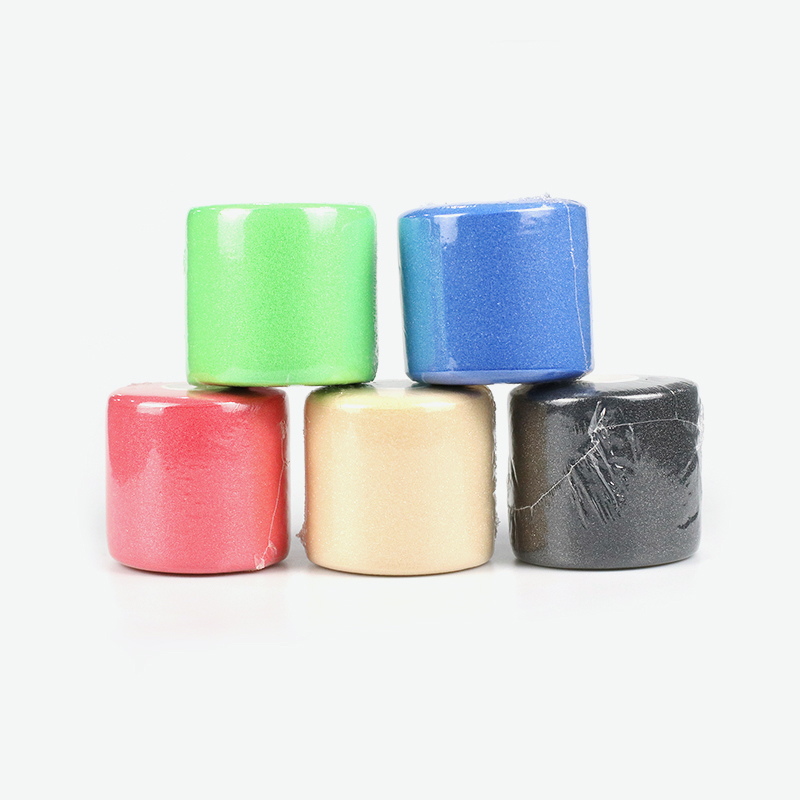
Sports Pre Wrap Tape is commonly used as a base layer beneath athletic tape. Its role is not simply to add another layer. The way it is stretched, positioned, and combined with the outer tape can affect fit, movement, comfort, and stability. Sweat and repeated motion can also change how the wrapped area feels during a training session.
How Does Pre Wrap Tape Work Under Athletic Tape
Pre wrap is placed between the skin and athletic tape rather than being used as the main securing layer. Its position creates a flexible surface between the body and the outer tape. This can change the way the finished wrap sits against the skin, particularly when the taped area moves repeatedly.
The base layer generally needs to follow the contours of the body without creating unnecessary folds. When it is applied evenly, the outer tape can sit across a more consistent surface. If the underlying layer gathers in one area, the outer tape may also feel uneven.
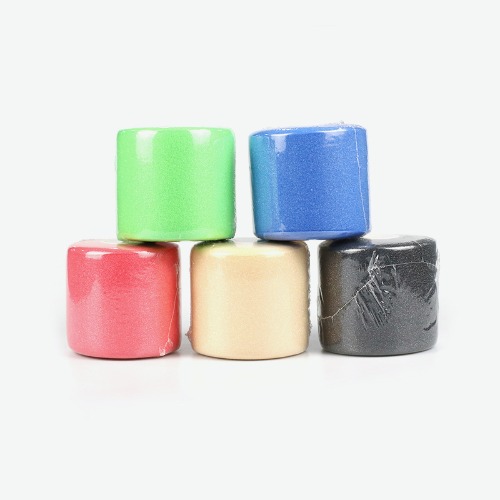
Another consideration is the relationship between movement and tension. Athletic tape can restrict movement depending on how it is applied, while the pre-wrap layer can provide some separation between the tape and skin. This makes application technique important rather than treating the base layer as a passive material.
The interaction can be viewed in simple terms:
| Layer | Main Consideration | Effect on Use |
|---|---|---|
| Skin | Moisture and friction | Affects comfort and movement |
| Pre-wrap | Stretch and positioning | Creates the base for the outer tape |
| Athletic tape | Tension and placement | Provides the main external wrap |
| Finished wrap | Overall fit | Determines how the taped area feels during activity |
The purpose of the base layer therefore depends partly on what happens after it is applied. A suitable material still needs to be used in a way that matches the body area and the intended activity.
How Does Pre Wrap Tape Affect Tape Fit Around Joints
Joints create a particular challenge because their shape changes as they bend. An ankle, wrist, elbow, or knee does not maintain one fixed surface during movement. A wrap that appears smooth while the joint is still may feel different once the person begins walking, running, jumping, or changing direction.
A pre-wrap layer can follow these changes when it is applied without excessive tension. This is particularly relevant around areas with changing contours. If the material is pulled too firmly, it may create pressure or reduce the amount of comfortable movement. If it is left too loose, it can shift and create folds beneath the outer tape.
The direction of wrapping also matters. A consistent application can help keep the material in place while avoiding unnecessary overlap. Around a joint, it can be useful to pay attention to areas where the body changes shape during flexion.
Common considerations include:
- keeping the layer relatively even
- avoiding unnecessary overlap
- allowing normal joint movement
- checking for folds before applying the outer tape
- adjusting the wrapping approach to the shape of the body area
The finished result is influenced by both the material and the application. A pre-wrap that works well around an ankle may require a different handling approach around a wrist because the movement pattern and surface shape are different.
How Much Stretch Should Be Used When Applying Pre Wrap
Stretch is one of the practical factors that can change the feel of a taped area. The material needs enough tension to remain in position, but pulling it continuously during application can make the finished wrap feel tighter than intended.
A useful approach is to work with controlled tension rather than treating the material like a band that needs to be pulled as far as possible. The wrapper can gradually move around the body area while maintaining a relatively consistent amount of stretch.
Too little tension may allow the material to shift before the outer tape is applied. Too much tension can create compression and may cause the material to contract after it has been wrapped. Both situations can affect the finished fit.
The appropriate handling also depends on the body area. A broad section of the leg may require a different wrapping motion from a narrow area around the wrist. Small changes in direction or overlap can influence how much material accumulates in one location.
Instead of focusing only on stretch, users can consider three related factors: tension, overlap, and movement. These need to work together. A consistent application is easier to maintain when the material is not being repeatedly pulled and released during the wrapping process.
Can Sports Pre Wrap Tape Stay Secure During Sweaty Training
Sweat introduces another variable because moisture changes the conditions between the skin, the base layer, and the outer tape. A wrap that feels stable at the beginning of a session may behave differently after prolonged movement.
The effect depends on the material, the amount of moisture, the body area, and how the outer tape has been applied. Areas that produce more sweat can present different conditions from areas that remain relatively dry. Repeated movement can add another source of friction and displacement.
Preparation before application can therefore influence the result. The skin should be reasonably clean and dry before the base layer is positioned. Applying the material over already wet skin can make it harder to maintain an even wrap.
During activity, movement can gradually create small shifts. These may not be noticeable immediately but can become more apparent when the material begins to gather or slide.
| Condition | Possible Effect on the Wrapped Area | Practical Consideration |
|---|---|---|
| Dry skin | More consistent starting conditions | Apply the base layer evenly |
| Sweaty skin | Increased moisture and movement | Pay attention to initial placement |
| Repeated joint movement | Greater chance of shifting | Avoid loose or uneven wrapping |
| Long periods of activity | More friction and moisture exposure | Check overall comfort during use |
This does not mean that one material will behave identically in every environment. Training conditions, clothing, movement patterns, and body location can all influence the result.
Does Pre Wrap Tape Improve Comfort Under Athletic Tape
Comfort is closely connected to how the finished wrap fits. A base layer can separate the skin from the adhesive surface of athletic tape, which may change the sensation during application and removal. It can also affect how pressure is distributed across the wrapped area.
However, adding a layer does not automatically make a wrap comfortable. If the pre-wrap is folded, stretched excessively, or applied unevenly, the additional material may create pressure points or bulk.
The width of the wrapping area is another consideration. A narrow area may require careful control to prevent excess overlap, while a broader area may allow the material to spread more evenly.
Comfort can also change during activity. A wrap that feels acceptable while standing still may feel different when the joint bends repeatedly. For this reason, the relationship between fit and movement matters as much as the initial feel.
The base layer should generally support a smooth transition between skin and outer tape rather than becoming a source of pressure itself. Proper application remains an important part of that result.
Why Does Sports Pre Wrap Tape Roll or Slide During Use
Rolling and sliding are common practical concerns because they can change the position of the outer tape and make the wrapped area feel uneven. These problems do not always come from the material itself. Application conditions can play a significant role.
One cause is uneven tension. If one section is stretched while another section is left loose, the material may respond differently as the body moves. Excessive overlap can create another problem because additional layers may have different levels of compression.
Moisture can also contribute to movement. When the skin becomes sweaty, the conditions beneath the wrap change. Repeated bending can then encourage the material to shift toward areas where there is less resistance.
Wrinkling is another related issue. A fold that seems minor during application can become more noticeable once pressure is applied by the outer tape.
A few practical checks can help identify the source:
- Is the skin dry before application?
- Is the base layer evenly positioned?
- Is the material being stretched consistently?
- Are there unnecessary overlaps?
- Does the problem appear only after movement begins?
Looking at these factors separately can help distinguish an application issue from a material-selection issue.
Which Sports Applications Use Pre Wrap Tape
Different sports create different demands on taped areas. Activities involving frequent running and direction changes may place repeated movement demands on ankles and knees. Sports involving hand use can create different requirements around wrists and fingers.
The same approach does not necessarily suit every application. A material that is easy to control around a wrist may need different handling around a larger joint. The amount of movement, location of the wrap, and interaction with equipment can all affect how the base layer is used.
For example, ankle taping may involve repeated changes in joint position during movement. Wrist taping can involve frequent rotation and flexion. Hand applications may require more precise placement because the available surface is smaller.
| Application Area | Main Movement Consideration | Base-Layer Concern |
|---|---|---|
| Ankle | Bending and directional movement | Stable, even placement |
| Wrist | Rotation and flexion | Avoiding excess bulk |
| Knee | Repeated bending | Maintaining a comfortable fit |
| Elbow | Flexion and extension | Following changes in shape |
| Hand | Small, frequent movements | Controlled overlap |
These differences are useful when considering how a pre-wrap product should be handled. Rather than selecting a wrapping method based only on the sport, it can be more practical to consider the body area and the type of movement involved.
What Should Buyers Check When Choosing Sports Pre Wrap Tape
For buyers, the choice of pre-wrap material can involve several physical characteristics rather than one isolated feature. Width and length affect handling and coverage, while stretch influences how easily the material follows different body shapes.
Thickness can also affect the finished wrap. A thicker layer may create more separation between skin and outer tape, but it can also add bulk when several layers overlap. A thinner material may be easier to manage in smaller areas, depending on the application.
Tearability is another practical factor. When material can be separated easily during application, it may be easier to control the amount being used without stopping to find a cutting tool.
Packaging and storage should also be considered. Materials that are compressed, exposed to unsuitable conditions, or stored for long periods may not feel the same as material kept in appropriate conditions.
For purchasing decisions, the following questions can provide a useful starting point:
- Is the width appropriate for the intended body areas?
- Does the material provide enough stretch for the application?
- Is it easy to tear and handle during wrapping?
- Does the thickness create unnecessary bulk?
- Is the roll easy to store and access?
- Does the material remain consistent during normal handling?
- Does the format suit individual or repeated use?
The selection process becomes clearer when these factors are considered alongside the actual taping task. Sports Pre Wrap Tape is only one part of the finished application, so its performance needs to be considered together with the outer tape, body movement, moisture conditions, and application method.