

 English
 中文简体
中文简体
 Español
 عربى
عربى
 Français
 Português
Industry News
Personalized sports products keep gaining traction as brands look for ways to stand apart in a market filled with similar-looking accessories. For companies building their own line of fitness or athletic gear, custom manufacturing offers a way to connect the physical product more closely with what customers actually expect from that brand.
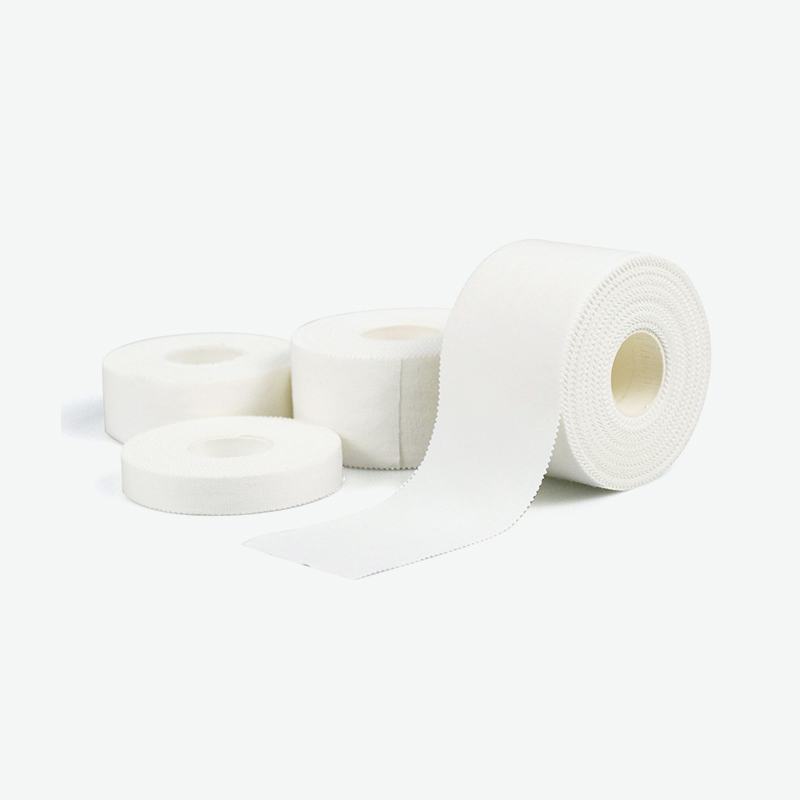
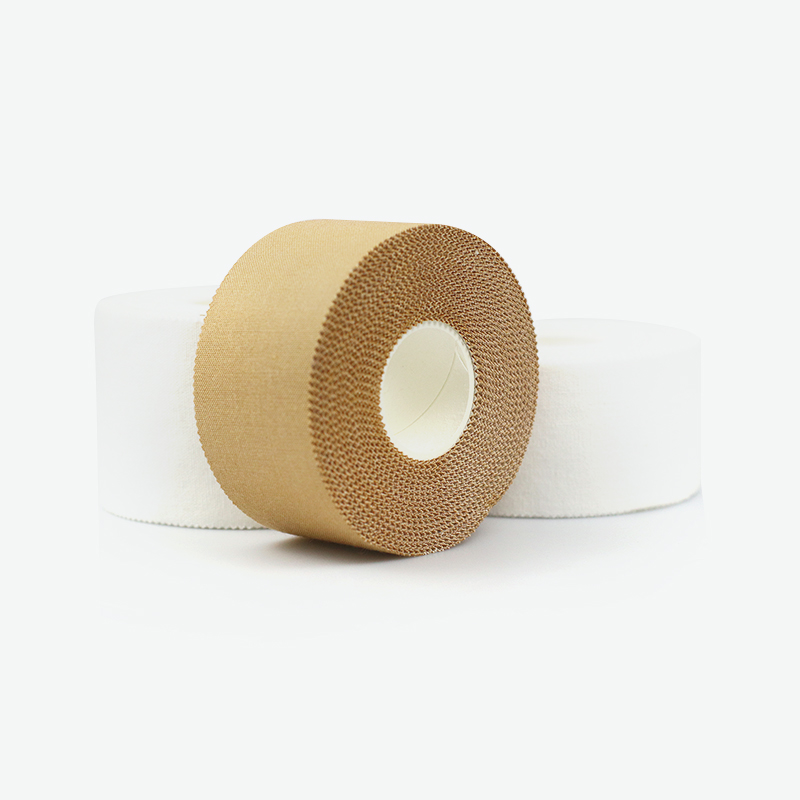
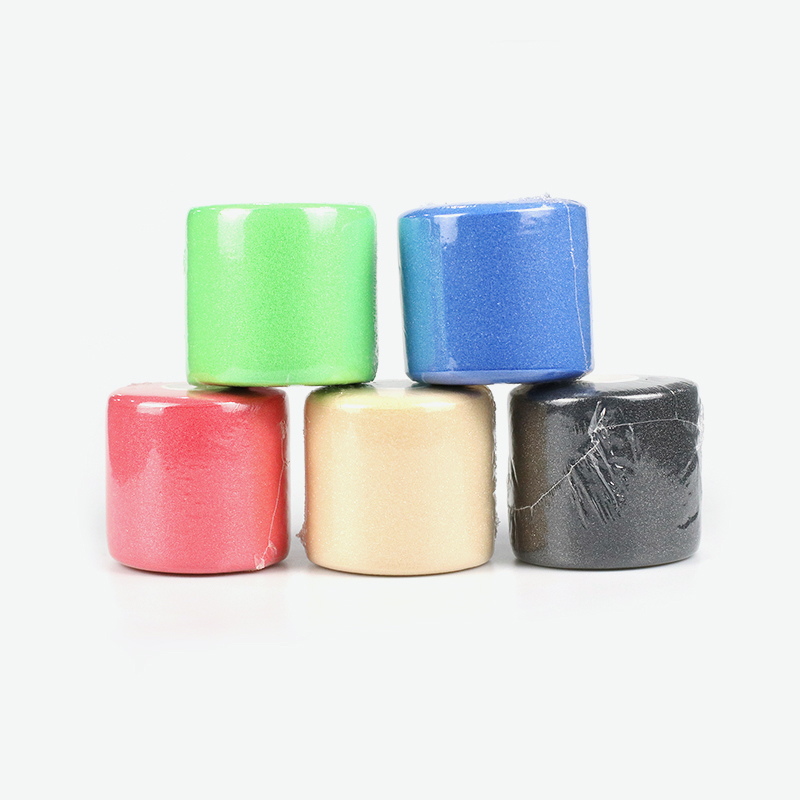
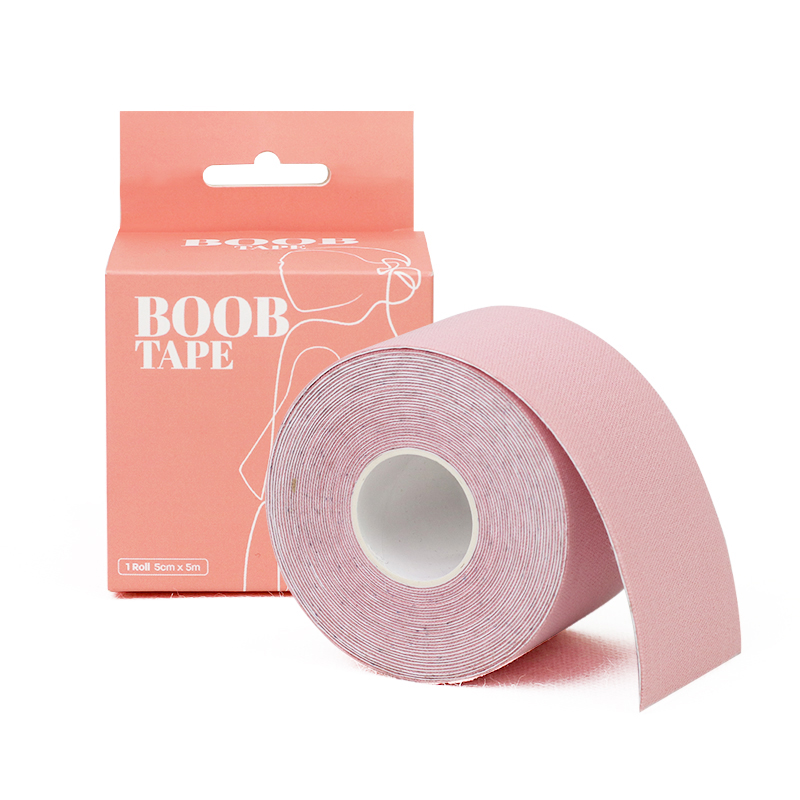
Kinesiology Tape With OEM Logo has turned into a practical route for companies that want a recognizable product without building manufacturing capability from scratch. Rather than settling for a generic design pulled off a shelf, brands can shape details like visual style, packaging, material choice, and overall presentation around their own market direction.
Getting there takes more than slapping a logo onto an existing product. Fabric selection, adhesive behavior, printing approach, production steps, and packaging all play a part in how the finished tape looks, feels, and fits alongside a brand's other offerings. Manufacturers act as the bridge here — turning a rough concept into something that actually reaches shelves. When a supplier understands what a brand is trying to achieve and offers enough flexibility during production, the resulting Kinesiology Tape With OEM Logo tends to align much more naturally with how that brand wants to be seen.
How Is Kinesiology Tape With OEM Logo Customized For Different Sports Brands
Customization typically starts with a fairly simple question: what does this brand want people to notice first? Companies working in different corners of the sports world — fitness studios, team athletics, recreational gear — often have different audiences in mind, so the design conversation usually begins by pinning down exactly who the product is for.
From there, a custom project tends to touch on a handful of recurring areas:
- Logo placement and overall visual style
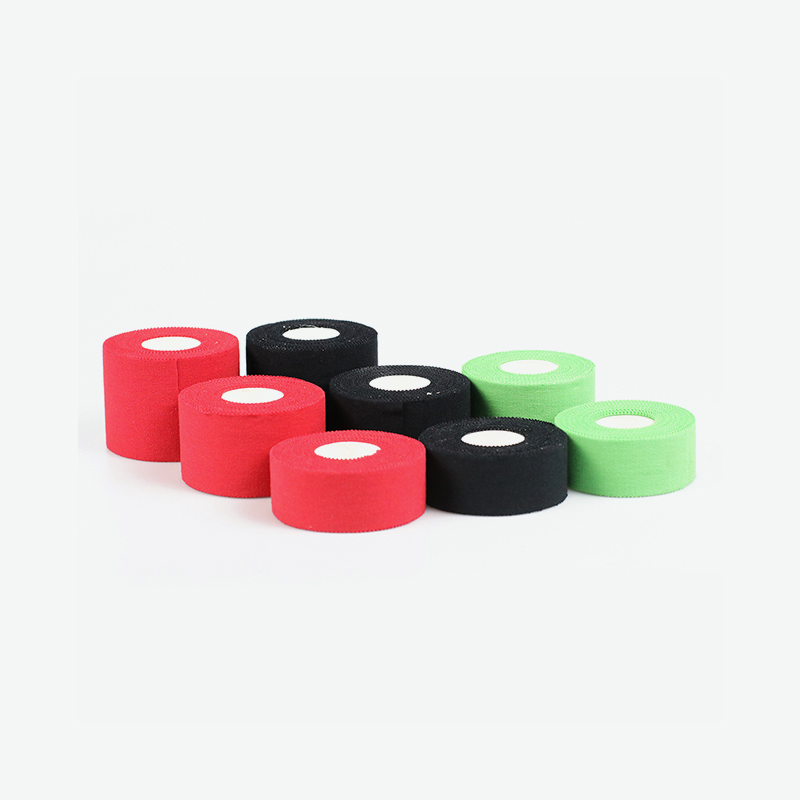
- Tape color choices
- Packaging look and feel
- Roll size and how the product gets presented
- Preferred materials
- Specific application needs tied to the sport or activity
A fitness-focused brand might lean toward a clean, understated look that fits quietly alongside its other products, while a team-oriented brand might push for bolder colors and more visible graphics that reinforce a stronger identity.
| Custom Element | What Brands Usually Consider |
|---|---|
| Logo design | Visibility, placement, and compatibility with the tape surface |
| Color selection | Brand style and product appearance |
| Packaging | Product information and retail presentation |
| Material choice | Comfort, flexibility, and intended use |
The flexibility built into OEM production means a brand isn't stuck choosing from a narrow set of common designs. Instead, the product can carry something closer to the brand's own visual language while still holding onto the practical qualities users expect from the tape itself. A bit of upfront planning during this stage tends to prevent a lot of back-and-forth later, since even small design choices can ripple into how the final product looks once it's actually produced.
What Should Brands Know Before Ordering Kinesiology Tape With OEM Logo
Before reaching out to a manufacturer, it helps for a brand to have a fairly clear picture of what it's after. Most of the early production questions circle back to design details, the intended user, and how the finished product should be packaged.
Useful information to have ready usually includes:
- The market or activity the product is meant for
- A general sense of preferred tape appearance
- Logo requirements and how it should appear on the surface
- Packaging style and presentation preferences
- Material leanings, if any
- Rough quantity expectations for planning purposes
Walking into the conversation with these details already sorted tends to speed things along considerably. A supplier can offer far more useful suggestions when the brand's expectations are already reasonably clear, rather than trying to guess at intent from vague requests.
Communication throughout development matters just as much as the initial brief. A Kinesiology Tape With OEM Logo project typically moves through several stages — early design discussion, sample review, adjustments, final confirmation — and clear feedback at each point keeps the process from drifting off track.
It's also worth remembering that packaging and labeling aren't afterthoughts. They're part of how a customer experiences the brand the moment the product is picked up, so it helps to think about them early rather than tacking them on at the end.
| Before Ordering | Key Questions |
|---|---|
| Product design | What appearance and features are needed? |
| Material selection | Which material characteristics fit the application? |
| Branding | How should the logo and visual elements appear? |
| Packaging | What information should be included? |
How Does Logo Printing Technology Affect Kinesiology Tape With OEM Logo Design
Printing a logo onto flexible fabric isn't quite as straightforward as printing on a flat, rigid surface. The tape has to keep its stretch and movement while still showing the design clearly, which means printing decisions carry more weight than they might on other products.
Manufacturers typically weigh a handful of factors here — how well a given printing method suits the fabric, how compatible the ink is with the material, how sharp the pattern stays after application, whether colors hold consistently, and how the surface looks once everything is finished.
A logo packed with fine detail can create real headaches during production, while a simpler, more deliberate design tends to translate more cleanly onto a stretchy surface. Design teams often pay close attention to how the logo sits against the tape's background color, since a clear contrast usually makes the branding easier to recognize at a glance rather than blending into the surface.
Printing also has to respect what the tape is actually built to do. Since kinesiology tape moves with the body throughout the day, the printed area needs to be treated as part of the product's overall function rather than something layered on purely for decoration. Brands working closely with their manufacturer on artwork adjustments before production tends to produce a design that satisfies both the branding goal and the practical demands of manufacturing.
Which Material Options Are Available For Kinesiology Tape With OEM Logo Production
The materials chosen for a tape product shape almost everything about how it feels once it's actually worn. Different fabric and adhesive combinations bring different levels of flexibility, softness, and overall wearing comfort to the table.
A few material-related factors tend to come up repeatedly during development:
- How the fabric itself is structured
- How much stretch the material offers
- The texture of the surface
- How the adhesive performs over time
- How the tape feels against skin during extended wear
Cotton-based fabrics often get chosen for a more natural feel, while synthetic blends come into play when a brand is after different performance characteristics. The adhesive layer deserves just as much attention as the fabric, since it needs to work in tandem with the surface material and hold up under whatever conditions the tape is meant for.
| Material Factor | Why It Matters |
|---|---|
| Fabric type | Influences flexibility and surface feel |
| Elastic properties | Affects movement compatibility |
| Adhesive selection | Influences wearing experience |
| Surface finish | Changes product appearance |
None of these choices happen in isolation. Manufacturers generally look at how fabric, adhesive, and surface finish work together as a single product rather than picking each element separately. Brands that raise material questions early in the process, rather than after a sample has already been produced, tend to end up with a Kinesiology Tape With OEM Logo product that actually matches what their customers expect from it.
How Do Manufacturers Produce Kinesiology Tape With OEM Logo From Fabric To Finished Rolls
Turning raw material into a finished, branded roll of tape involves several distinct stages, and the quality of the final product depends on how carefully each one is handled.
Production generally starts with preparing materials that match the project's requirements. From there, the process typically moves through:
- Material preparation and confirmation
- Design transfer and printing
- Adhesive application
- Cutting and forming the finished rolls
- Product inspection
- Packaging preparation
Each stage carries its own set of details worth getting right. Printing needs to match the approved artwork closely, while cutting has to stay consistent so every roll comes out to the expected dimensions. Manufacturers juggling several brand projects at once also have to keep different requirements straight — one company might be focused on packaging style, while another cares more about a particular material feature or finish.
A dependable production run really comes down to steady communication between brand and supplier, well-maintained equipment, and careful checking at each stage rather than only at the very end. OEM work isn't just about producing a finished item and shipping it out — it's really about walking a brand from a loose concept toward something ready to sit on a shelf or in a customer's hands.
What Factors Influence The Cost Of Kinesiology Tape With OEM Logo Projects
Pricing on a custom tape project rarely comes down to one single line item. It usually reflects how several choices interact with each other — design complexity, material selection, and the overall scope of production requirements.
Some of the more common cost drivers include:
- The specific materials chosen
- How involved the printing requirements are
- Packaging design and complexity
- Overall product specifications
- Any additional custom development steps needed along the way
A simpler design generally involves fewer adjustments during production, while a heavily customized project tends to require more preparation time and coordination. Packaging plays into this too — different packaging formats call for different design work, especially when a brand wants the tape to sit comfortably alongside the rest of its product lineup.
| Cost Factor | Possible Influence |
|---|---|
| Material selection | Different materials require different processing methods |
| Logo design | Artwork complexity may affect preparation |
| Packaging | Design and production requirements vary |
| Custom features | Additional development steps may be needed |
Getting a handle on these factors early tends to help brands build a realistic project plan rather than running into surprises partway through. A good manufacturer can usually offer guidance here too, helping balance design ambitions against what's actually practical to produce.
Why Are Fitness And Sports Brands Choosing Kinesiology Tape With OEM Logo
Personalized sports products have become a fairly natural part of how brands grow their offerings. Plenty of companies are looking for ways to build a product range that reflects their own identity while speaking directly to a particular group of users.
Custom tape products show up across a fairly wide range of settings — fitness training spaces, sports equipment collections, athletic accessory lines, and both competitive and recreational activities alike. For a brand, folding a customized tape option into its lineup can extend its product range while keeping a consistent look across everything it sells.
Some of this shift also traces back to how customers themselves are paying attention. Appearance, packaging, and a sense of connection to the brand now sit alongside plain functionality as things people notice when choosing between similar products.
OEM cooperation gives brands room to concentrate on their own identity and market positioning, while the manufacturer handles the technical side of production. That division of labor tends to work well for companies that want to introduce a customized accessory without building manufacturing expertise from the ground up. Increasingly, the relationship between brand and supplier looks less like a simple order-and-deliver arrangement and more like an ongoing collaboration around design, production, and what the market actually wants.
What Packaging And Branding Options Are Available For Kinesiology Tape With OEM Logo
Packaging often ends up being the very first point of contact between a customer and a brand, which makes it a bigger piece of the puzzle than it might initially seem.
For a customized tape line, packaging options tend to include individual product wrapping, retail box design, information labels, brand graphics, and any instructional material that helps explain proper use.
Clear packaging does double duty — it helps customers understand what they're picking up while reinforcing the visual identity the brand has been building elsewhere.
A few packaging details tend to come up consistently during planning:
| Cost Factor | Possible Influence |
|---|---|
| Material selection | Different materials require different processing methods |
| Logo design | Artwork complexity may affect preparation |
| Packaging | Design and production requirements vary |
| Custom features | Additional development steps may be needed |
side the product itself rather than as a separate afterthought. When tape appearance, logo style, and packaging all point in the same visual direction, the finished product reads as a coherent whole rather than a collection of mismatched decisions. For manufacturers, offering this kind of packaging flexibility is really just part of providing full OEM support — helping a brand shape its Kinesiology Tape With OEM Logo project from the inside out, not just the outer wrapping.