

 English
 中文简体
中文简体
 Español
 عربى
عربى
 Français
 Português
Industry News
When people pick out medical care products, attention usually goes toward how well they support daily treatment routines, protect covered areas, and offer comfortable handling. A bandage really isn't just a strip of wrapping material. Its structure, the material behind it, and the production process all shape how it actually performs once it's out in real use.
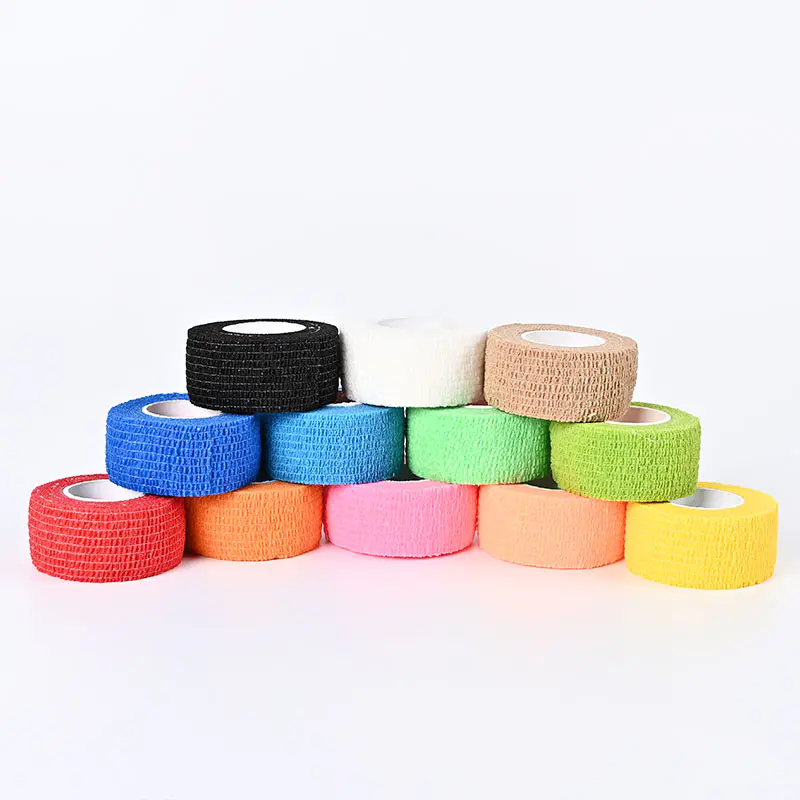
A Self Adhesive Bandage For Medical is built around a self-adhering structure that lets the material wrap around itself while helping keep things stable in place. Unlike traditional wrapping methods that might call for extra fixing tools, this kind of bandage offers a genuinely convenient way for healthcare workers, caregivers, and everyday users to manage basic support needs without much fuss.
From material selection right through to final product inspection, manufacturers have to weigh a handful of factors — elasticity, softness, breathability, wrapping ability, and packaging requirements among them. Buyers need a grip on these details too, especially when choosing products meant for medical supply channels.
What Is Self Adhesive Bandage For Medical And How Does It Work In Healthcare Applications
A self adhesive bandage is a flexible medical wrapping product that attaches to itself through surface interaction, rather than leaning on adhesive layers that stick directly onto skin. People generally reach for it when they need a simple wrapping solution for support, protection, or holding other medical materials in place.
The core idea behind this product really comes down to easy handling. As it gets wrapped around a specific area, the layers connect with one another and help keep the bandage sitting where it should. That design lets the user adjust the wrapping as they go, depending on whatever the situation calls for.
Compared with ordinary fabric wraps, this self-adhering approach cuts down on the need for extra fastening methods. That can make application a lot more convenient in situations where quick adjustment or repeated handling comes up often.
Common application areas tend to include:
- Supporting covered areas during daily care
- Holding dressings or protective materials in position
- Providing light compression support where appropriate
- Helping secure medical accessories during use
Different users tend to have different expectations depending on where the product's actually being used. A healthcare facility, for instance, might focus more on steady supply and easy storage, while individual users might care more about comfort and simple operation.
| Feature | Purpose In Medical Use |
|---|---|
| Self-adhering structure | Helps the bandage connect with itself during wrapping |
| Flexible material | Allows adjustment around different body areas |
| Soft surface | Improves contact comfort during use |
| Breathable construction | Supports airflow around covered areas |
The working principle here really comes down to how the material surfaces interact with each other. Rather than forming a strong bond with skin, the bandage relies on its own internal structure to hold its wrapping steady. That difference is a big part of why a lot of users find it a practical fit across various care settings.
Why Does Self Adhesive Bandage For Medical Stick To Itself But Not Skin
A pretty common question people have about these bandages is why they stick to themselves while behaving so differently from traditional adhesive products. The answer really traces back to how the fibers and surface layers get designed in the first place.
The inner structure of the bandage lets material layers grip onto each other once they're wrapped together. At the same time, the outer surface touching skin gets designed specifically to avoid forming that same kind of grip.
This setup brings a few genuinely practical benefits along with it. Users can reposition the wrapping without dealing with sticky residue left behind, and healthcare workers can handle the product more easily during routine care without extra hassle.
A handful of elements shape this self-adhering behavior:
- Fiber arrangement, which affects how surfaces actually interact
- Material texture, which influences overall wrapping performance
- Elasticity, which affects how well layers stay connected once wrapped
- Manufacturing control, which helps keep characteristics consistent batch to batch
Striking a balance between holding ability and comfortable removal matters a lot during production. A bandage that's too loose might not hold its position well, while one that doesn't suit its intended use environment can end up affecting overall comfort.
Manufacturers generally work through these factors carefully during product development, aiming for a design that fits reasonably well across different medical applications.
How Do Materials Affect The Performance Of Self Adhesive Bandage For Medical
Material selection plays a genuinely important role in shaping how a medical bandage feels and functions once it's in use. Different materials bring different characteristics to the table, which is exactly why manufacturers spend real time thinking through fabric structure before production even starts.
Elastic materials tend to get chosen when flexibility matters most. They let the bandage move along with the body while still holding its wrapping shape intact. Softer materials can improve comfort quite a bit, especially in situations where the product stays on for longer stretches of time.
Breathability is another factor buyers often weigh carefully. A material that lets air move more freely tends to create a noticeably more comfortable experience during actual wear.
| Material Feature | Possible Effect On Product Use |
|---|---|
| Elasticity | Helps the bandage adjust to movement |
| Soft texture | Provides a smoother contact feeling |
| Breathability | Supports a more comfortable wearing experience |
| Surface structure | Influences self-adhering performance |
Material choices also ripple into storage, packaging, and transportation needs down the line. Manufacturers really need to think about more than just final appearance — how the product holds onto its characteristics before it's even used matters just as much.
For buyers, getting a handle on these material differences can genuinely help when comparing products across different suppliers. Rather than fixating purely on appearance, it's worth thinking through how well the material actually lines up with the intended application.
What Factors Should Buyers Consider When Choosing Self Adhesive Bandage For Medical
Picking out a suitable medical bandage takes more than just glancing at a product name. Buyers generally need to work through several details tied to their own supply requirements and how the product's actually going to get used.
One factor worth real attention is product consistency. Medical suppliers often need products that hold onto similar characteristics from one batch to the next, which makes manufacturing control a genuinely important consideration here.
Packaging's another point that shouldn't get overlooked either. Solid packaging helps protect the product through storage and transportation, while also making inventory management a lot less of a headache.
Buyers might want to think through:
- Material composition
- Available sizes
- Packaging style
- Intended application
- Supplier communication and customization options
The expected usage environment shapes selection too. A product built for general care might carry different requirements compared with one meant for a more professional medical setting.
For distributors and importers, getting a solid handle on these details can make conversations with manufacturers a lot clearer, and help cut down on misunderstandings during the purchasing process.
Which Self Adhesive Bandage For Medical Size Is Suitable For Different Applications
Size selection ties pretty closely to how a bandage actually ends up being used. Different body areas and different wrapping purposes can call for different widths or lengths depending on the job at hand.
A narrower size tends to be easier to handle around smaller areas, while a wider option can offer broader coverage where that's needed. The right choice really comes down to the application itself, rather than settling on one single standard preference across the board.
When working through size selection, buyers often think about:
- The area where the product's actually going to be applied
- How much flexibility the situation calls for
- Packaging requirements tied to that size
- User handling preferences
Manufacturers typically offer a range of size options to cover different market needs. For wholesale buyers, picking a well-rounded product range can help serve a wider mix of customer groups without much extra effort.
Getting size differences clear from the start also helps sidestep ending up with products that just don't match the intended application.
How Is Self Adhesive Bandage For Medical Made From Material To Finished Roll
Producing a medical self adhesive bandage runs through several connected stages, starting with material preparation and continuing on through processing, inspection, and finally packaging.
Manufacturers first pick out suitable materials based on whatever the product requirements call for. Those materials then get processed into the needed structure, all while holding onto characteristics like elasticity and self-adhering ability throughout the process.
During manufacturing, real attention gets paid to:
- Material consistency
- Surface condition
- Product shape
- Wrapping quality
- Packaging preparation
Once processing wraps up, finished rolls get checked over before moving into the packaging stage. That step helps make sure the products actually meet expected requirements for both storage and eventual use.
A well-organized production process lets a Self Adhesive Bandage For Medical manufacturer respond more easily to different customer needs, whether that means size adjustments, packaging preferences, or specific product requirements.
What Tests Are Needed During Self Adhesive Bandage For Medical Production
Quality checking really is a core part of medical product manufacturing, not some afterthought tacked onto the end. Before products ever reach customers, manufacturers need to work out whether the finished items actually line up with the intended design requirements.
Testing usually zeroes in on practical characteristics rather than just appearance alone. Manufacturers might check, for instance, whether the bandage holds onto its wrapping function properly, whether the material performs consistently, and whether the packaging stays intact through handling.
Common inspection areas tend to include:
- Appearance checking
- Material condition assessment
- Wrapping performance evaluation
- Packaging inspection
These checks help manufacturers catch possible production issues early and keep product quality reasonably stable across runs.
For buyers, understanding how this inspection process actually works can offer a bit more confidence when talking things through with suppliers and picking products suited for their own markets.
Tips For Selecting A Reliable Self Adhesive Bandage For Medical Manufacturer
Finding a suitable manufacturer really takes attention on two fronts — product capability, and how well communication actually flows. A supplier should be able to walk through materials, production processes, packaging options, and customization possibilities without much friction.
Buyers might want to weigh a few points when sizing up potential manufacturers:
- Whether the factory genuinely understands medical product requirements
- Whether production steps are managed with any real clarity
- Whether customization requests can actually get discussed properly
- Whether communication throughout the cooperation stays efficient
A solid supplier relationship really gets built through clear information exchange, more than anything else. Buyers who have a good grip on their own requirements tend to communicate a lot more effectively with manufacturers as a result.
For companies sourcing medical supplies, picking a Self Adhesive Bandage For Medical manufacturer really isn't just about the product sitting in front of them. It also comes down to weighing production management, how responsive the factory actually is, and the potential for a working relationship that holds up over the longer stretch.