

 English
 中文简体
中文简体
 Español
 عربى
عربى
 Français
 Português
Industry News
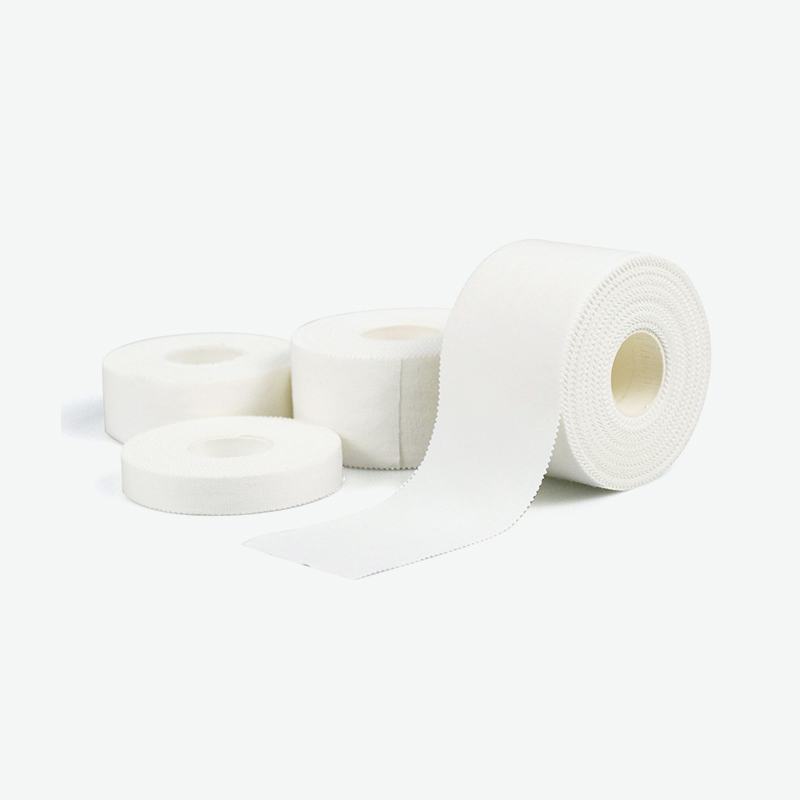
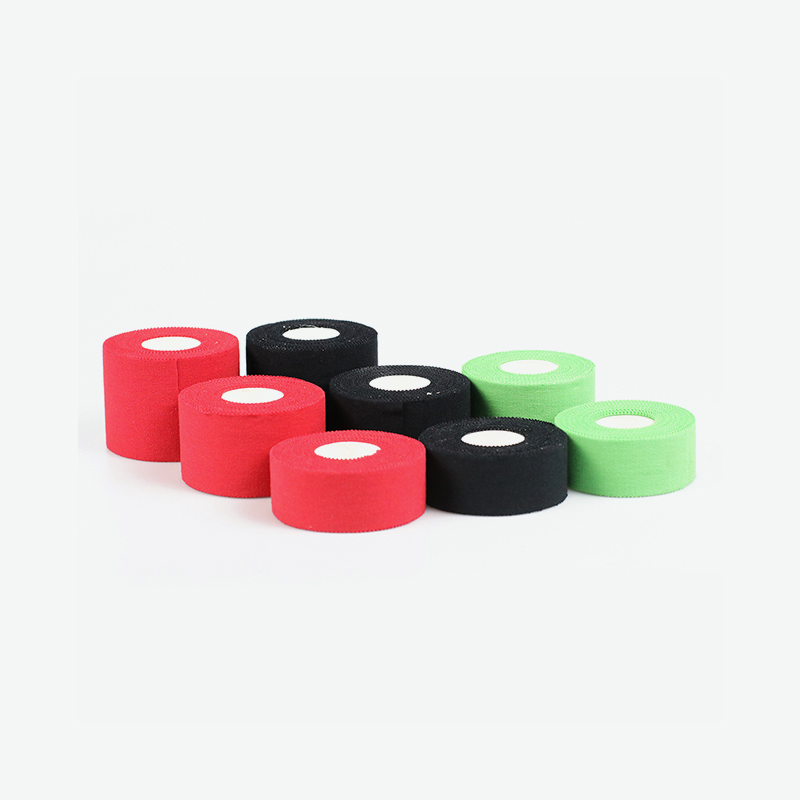
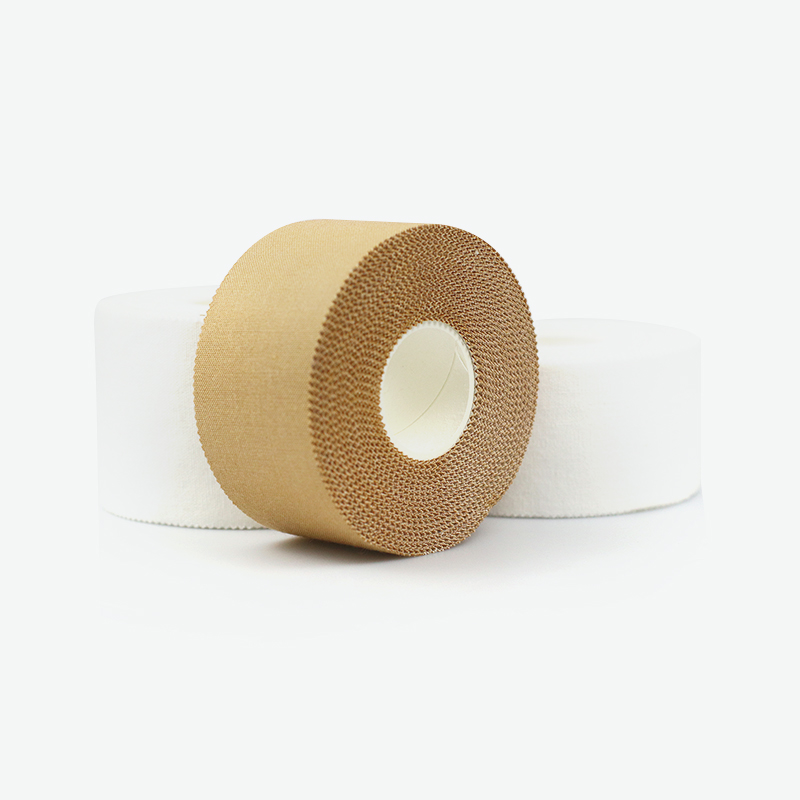
When people talk about performance tape, the focus often stays on the roll in hand, not on the process behind it. A Muscle Plaster Factory is where material choice, coating control, cutting accuracy, and packaging habits all shape how the final tape behaves on skin. That is why the factory side matters as much as the product side.
Sports tape is expected to stay steady during movement, feel manageable during wear, and remove without creating unnecessary discomfort. Those results do not happen by chance. They come from a chain of decisions made long before the tape reaches an athlete, trainer, retailer, or clinic. Each stage has a direct effect on flexibility, surface feel, edge behavior, and day-to-day usability.
For buyers, brands, and distributors, the production side raises practical questions. How does the fabric affect motion? Why do some rolls feel lighter or firmer? What makes one batch handle sweat differently from another? Those questions start inside the Muscle Plaster Factory, where small production choices create visible differences in the final tape.
What Makes A Muscle Plaster Factory Different Today
A factory that makes sports tape is not only a place for cutting and packing. It is a controlled environment where materials, adhesive layers, and finishing methods need to work together. A modern Muscle Plaster Factory is often shaped by product consistency, customization needs, and the demand for tape that feels reliable in ordinary training settings.
The main difference today is that production is no longer treated as a single output line. It is more layered than that. Fabric quality, adhesive spread, edge trimming, and roll tension all affect the user experience. When one detail shifts, the final tape can feel softer, stiffer, smoother, or less stable during wear.
A few features often separate a more refined operation from a basic one:
- Careful handling of fabric before coating
- Even adhesive application across the surface
- Clean cutting that reduces rough edges
- Packaging that protects the roll shape
- Storage practices that help keep the tape stable
There is also a growing focus on use case. Tape for shoulder movement may not need the same structure as tape for lower-body support. That means the factory has to think in terms of motion, skin contact, and daily routine rather than treating every roll as the same product.
What Happens Inside A Modern Muscle Plaster Factory
Inside the factory, the process usually moves through several connected stages. Each stage affects the next one, so the order matters. The work often begins with fabric preparation. That fabric needs to be smooth, clean, and ready for adhesive treatment. If the base material is uneven, the final feel can change quickly.
After that comes coating. This is one of the most important steps, because adhesive placement influences grip, comfort, and residue behavior. Too much coating can make the tape feel heavy or less breathable. Too little can affect wear stability. The goal is balance, not excess.
Then the material is cut into the required shape and width. Clean edges are important because they influence how the tape wears during movement. A tidy cut can help reduce early lifting, while rough edges can create a less stable result.
| Stage | Main focus | User effect |
|---|---|---|
| Fabric preparation | Surface readiness | Comfort and flexibility |
| Adhesive coating | Even application | Grip and skin contact |
| Cutting | Shape and edge quality | Wear stability |
| Rolling | Tension control | Easy application |
| Packaging | Protection in storage | Product condition on arrival |
The final stage is packing. This may seem simple, but it matters. If the roll is compressed too hard or stored poorly, the tape can lose part of its intended feel. Good packing helps preserve the condition of the finished product until it is opened and used.
In a well-run Muscle Plaster Factory, the goal is not only to finish a roll. It is to keep each roll close to the intended feel from start to finish.
Why Does Muscle Plaster Factory Production Affect Tape Feel
The feel of sports tape comes from several production choices working together. Fabric density can influence softness or firmness. Adhesive spread can affect how the tape sits on skin. Rolling tension can shape how the tape unfolds during application. Even the way the tape is stored before shipment can change the user experience.
This is why the same type of tape can feel different from one source to another. A slightly thicker coating may create a stronger grip, but it may also feel less airy. A lighter coating may feel easier on skin, but it can behave differently during long wear. The result is not just about one component. It is about the full structure.
Here are a few factors that often shape the feel:
- Fabric weave and surface texture
- Adhesive coverage and distribution
- Edge finish and cut quality
- Roll tightness during packing
- Moisture control during storage
For athletes, the feel is part of the function. Tape that feels too rigid may limit comfort during repeated motion. Tape that feels too soft may not hold its shape in active use. The factory has to manage these trade-offs through process control, not guesswork.
That is where consistency matters. If one batch feels smooth and another feels uneven, the issue may start far earlier than the final roll. It may begin in coating control, material handling, or packing pressure. This is why production choices carry so much weight in the final experience.
How Does A Muscle Plaster Factory Improve Sports Tape
Improvement in sports tape does not always mean adding more force or more layers. In many cases, it means making the product more balanced. The factory improves the tape by refining how each part behaves during movement and wear.
A more carefully managed production process can help tape in several ways:
- It can keep the surface more even across the roll
- It can reduce harsh edges that affect wear
- It can support a steadier feel during stretching
- It can help the tape hold up better in active conditions
- It can make application more predictable for users
The improvement is often gradual rather than dramatic. For example, a better cut can make the tape sit flatter. A cleaner coating can help reduce clumping. A more stable roll can make application smoother from the first pull to the last.
The factory also plays a role in matching the product to different use habits. Some users need tape for repeated motion. Others use it for short training blocks. Some care more about skin comfort, while others care more about support behavior. The production line has to account for these different priorities without making the product feel disconnected from real use.
In practice, the best results come from alignment between material, process, and purpose. When those parts stay aligned, the final tape becomes easier to work with and more consistent across use cases. That is where a Muscle Plaster Factory can make a visible difference, not through claims, but through process quality and product behavior.
How Does A Muscle Plaster Factory Handle Real Training Needs
Real training use is less uniform than it looks on paper. Movement changes by sport, by body area, and by how long the tape stays on. A factory that works with sports tape has to account for those shifts before the roll ever reaches a user.
In practice, that means thinking about motion under pressure, repeated flexing, skin contact during sweat, and the way a strip behaves after it has been worn for a while. A tape that feels acceptable in a still setting can behave differently once it is placed on a moving shoulder, knee, or wrist. The production side needs to reflect that difference.
| Use condition | What changes in the tape | What the user notices |
|---|---|---|
| Repeated motion | More stress on the surface | Edge lifting or shifting |
| Warm and sweaty use | More demand on adhesion | Grip and wear stability |
| Short training blocks | Less time under load | Initial feel matters more |
| Long wear periods | More skin contact over time | Comfort and residue concerns |
| Different body areas | Different movement angles | Fit and flexibility |
The practical challenge is not to make one tape work in every setting in the same way. It is to keep the tape steady enough to handle common training habits without turning it into something stiff or awkward. That balance depends on material handling, coating control, and how carefully the final roll is finished.
A Muscle Plaster Factory that pays attention to real use will usually focus on how the tape behaves after it is stretched, pressed, and worn, not only on how it looks in the roll. That difference is often what separates a routine product from one that feels easier to use in daily training.
How Does A Muscle Plaster Factory Balance Comfort And Support
Comfort and support often move in opposite directions. If a tape is made firmer, it may feel more noticeable on the skin. If it is made softer, it may feel easier to wear but less steady in active use. The production process has to find a middle ground.
That balance begins with the base fabric. A softer surface can make wear more manageable, especially during long sessions. At the same time, the structure still needs enough hold to stay in place through motion. The adhesive layer adds another layer of control, since its spread and finish affect how the tape feels when it is applied and worn.
A few parts of the process matter most here:
- Fabric texture and thickness
- Adhesive spread across the strip
- Edge finish after cutting
- Roll tension during packing
- Storage conditions before shipment
The factory is not trying to push comfort or support to an extreme. It is trying to keep both present in a usable range. Too much stiffness can make the tape feel heavy on skin. Too little structure can reduce confidence during movement. That is why consistency across production stages matters so much.
Comfort also depends on how the tape interacts with the body over time. A product that feels acceptable at application may become less comfortable if the edge finish is rough or if the surface shifts under sweat. Support, in that sense, is not only about strength. It is also about how well the tape stays usable through ordinary movement.
Why Are More Buyers Exploring Muscle Plaster Factory Products
Buyers often move toward factory-made sports tape for practical reasons. They want a product that can be repeated, specified, and supplied in a stable way. That matters for clinics, sports stores, private label brands, and distributors that need a consistent item rather than a one-off purchase.
Interest usually grows when buyers notice that tape performance is tied closely to production details. Small differences in fabric, coating, and packing can change the way the tape feels in use. Once that becomes clear, the factory side stops being background information and becomes part of the buying decision.
There are also sourcing questions that matter on the commercial side:
- Can the product be made in different widths or formats?
- Is the surface feel consistent from roll to roll?
- Does the packaging protect the tape during storage?
- Can the product fit different training habits?
- Is the finish suitable for regular handling?
Many buyers are not looking for complicated claims. They are looking for a product that behaves in a predictable way and matches the needs of their own customers. That is especially true when the tape is sold under a private label or used in a broader sports supply line.
A Muscle Plaster Factory becomes more relevant when the buyer wants control over appearance, feel, and supply flow without losing practical usability. The interest is less about novelty and more about whether the product can hold its shape, keep its function, and fit regular user expectations.
What Should Buyers Know About A Muscle Plaster Factory
Before working with a factory, buyers usually need a clear view of what matters most in the product. That includes material choice, surface feel, packaging condition, and how stable the roll is during storage and use. These points matter because tape quality is often judged by the experience of applying and wearing it, not only by the label.
Communication is important here. Buyers should be specific about the intended use, the body area, the expected feel, and the packaging format. A short request can be too vague if the product needs to serve different training settings. Clearer input usually helps the factory match the tape more closely to the intended purpose.
A few buyer checks are worth keeping in mind:
- Ask how the tape is finished at the edges
- Confirm how the roll is packed and stored
- Review the expected feel on skin
- Check whether the format fits the intended use
- Make sure the product description matches the actual application setting
There is also value in reviewing samples rather than relying only on written descriptions. Tape can seem similar on paper and still behave differently during use. For that reason, a sample test often gives a more honest view of surface feel, handling, and wear stability.
When buyers compare options, they are usually comparing practical behavior more than theory. A clear discussion with a production partner helps reduce confusion and keeps expectations realistic. In that context, Wenzhou Zhusi Medical Supplies Co., Ltd. is the kind of name that may appear in sourcing conversations where tape structure, handling, and everyday use all need to stay in the same direction.