

 English
 中文简体
中文简体
 Español
 عربى
عربى
 Français
 Português
Industry News
Choosing a supplier for bandages is rarely only about price. Buyers usually look at product fit, packaging choices, branding needs, service behavior, and how well the source can support repeated orders over time. A reliable Adhesive Bandage Supplier should make these decisions easier, not harder.
The market is also shaped by different buyer use cases. A retail brand may care about shelf appeal. A distributor may care about packaging variety. A clinic buyer may care about comfort and consistency. A good sourcing process starts by matching those needs with the right product and the right production approach.
Some buyers begin with a sample request, while others start by comparing packaging, surface materials, and custom print options. In each case, the goal is the same: reduce mismatch and avoid later changes that slow down the order process.
What Industry Trends Are Shaping the Future of Adhesive Bandage Suppliers
Buying patterns are changing in ways that affect both product design and sourcing behavior. Many buyers now look for products that fit daily use, retail display, and brand identity without adding unnecessary complexity.
One clear direction is the demand for flexible packaging. Some channels prefer single pieces in compact packs, while others need larger retail sets or simple bulk packing. This means suppliers need to be able to adapt rather than push one format for every buyer.
Another change is the growing attention to comfort and appearance. Buyers often ask whether a product feels light on skin, whether it stays in place during normal movement, and whether it looks suitable for store shelves. These concerns are practical, not cosmetic.
An Adhesive Bandage Supplier that follows these shifts can support a wider range of buyers. That matters because the same product line may need to serve private brands, pharmacies, and general retail channels at the same time.
A few signs that a supplier is keeping pace with buyer needs:
- They offer more than one material choice.
- They can adjust pack style without making the process hard to manage.
- They respond clearly to sample and artwork requests.
- They handle repeat orders with stable communication.
When these elements are in place, buyers have more room to build a product line that matches the channel instead of forcing a single format into every market.
Why Do Different Adhesive Bandage Materials Matter When Choosing a Supplier
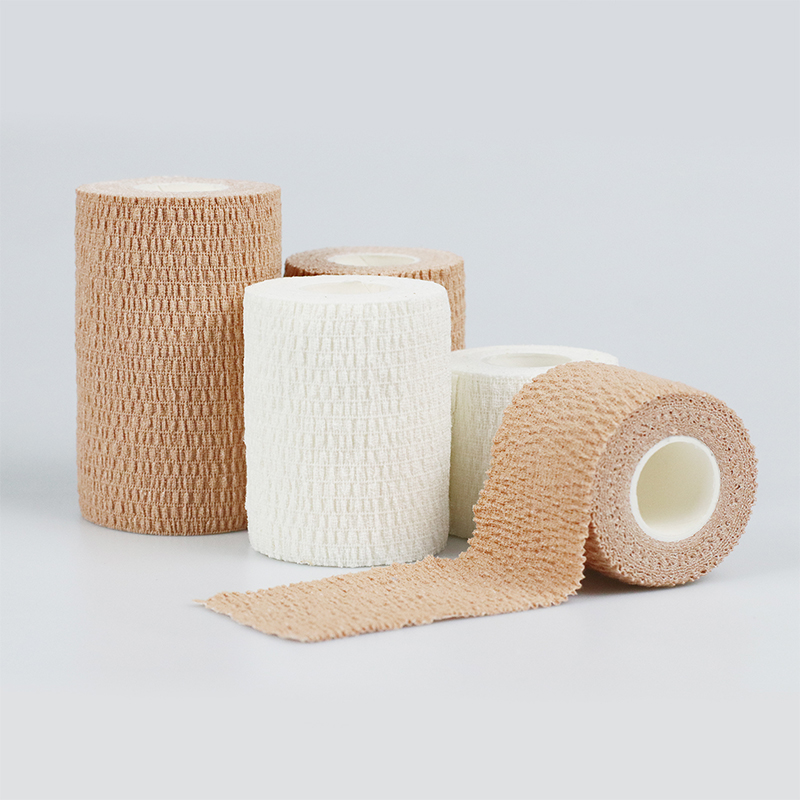
Material choice affects how a bandage feels, how it wears, and how it fits a sales channel. Buyers often focus on the finished look, but the surface material is part of the buying decision from the start.
Some buyers want a softer feel. Others want a cleaner retail appearance. Others want a product that suits active daily use. The material choice can shape all of that. It also affects how the product is positioned in stores or catalogs.
| Material type | Common buyer interest | Usual sourcing concern |
|---|---|---|
| Cloth style | Flexible feel and general daily use | Whether it keeps its shape during movement |
| Plastic style | Clean look and simple packing | Whether it feels light and easy to wear |
| Soft film style | Smooth finish and neat display | Whether the look matches the intended market |
| Stretch style | Better movement support | Whether it balances comfort and hold |
Buyers often ask an Adhesive Bandage Supplier to explain which material fits each channel. That question is useful because the wrong choice can affect customer response even when the product itself is acceptable.
A practical way to narrow the choice is to think about where the product will appear. A pharmacy shelf may favor a neat presentation. A general store may need simple, easy-to-recognize packing. A brand owner may care about how the surface looks under store lighting and whether it supports a clean label.
When material choice is treated as part of sourcing rather than a last-minute detail, the final product usually fits the buyer's plan more naturally.
Which Packaging Options Can an Adhesive Bandage Supplier Offer for Different Markets
Packaging is one of the clearest ways to adapt the same product to different markets. A single product can be packed in ways that fit retail, wholesale, clinic use, or private branding.
Some buyers need compact packs for shelf display. Others need simple loose packing for distribution. Others want a more branded presentation that supports their own name rather than the factory name. In each case, packaging carries part of the market message.
Common packaging directions include:
- Single-piece packing for simple display and quick use
- Small retail packs for store shelves
- Larger packs for bulk buyers
- Printed cartons for brand identity
- Plain packs for channel flexibility
An Adhesive Bandage Supplier should be able to explain how each option changes handling, presentation, and order flow. That helps buyers avoid choosing a pack style that looks appealing but does not fit the channel.
Packaging choice also affects how a product feels to the end user. A neat pack can improve trust. A plain pack can suit practical distribution. A custom pack can support brand identity, but it may require extra review before approval.
| Packaging option | Fits which buyer need | What to check |
|---|---|---|
| Single unit pack | Quick use and compact retail display | Ease of opening |
| Small retail box | Store presentation and consumer sale | Label clarity |
| Bulk pack | Distribution and repeated supply | Storage and handling |
| Custom printed pack | Private branding | Artwork fit and color control |
| Plain pack | Channel flexibility | Basic product identification |
This part of sourcing often becomes more useful when the buyer already knows the route to market. A pharmacy buyer and a private label buyer may ask for the same product shape, but the pack strategy will not be the same.
How Does a Supplier Support Private Label and Custom Branding Projects
Private label work is not only about putting a name on a package. It usually involves pack format, label layout, product appearance, and how clearly the item matches the buyer's brand voice.
Some buyers start with a simple logo request. Others want a more complete branded pack. Either way, the supplier needs to handle the process in a way that keeps the order clear and manageable.
A good starting point is to define the parts that can be changed:
- Outer pack style
- Printed label content
- Product size or shape
- Color choices
- Brand placement
An Adhesive Bandage Supplier that supports custom work well usually asks the right follow-up questions. For example, it may ask how the product will be sold, who the buyer is, and whether the pack needs to fit a retail shelf or a distribution box. These questions matter because branding is tied to use case.
Some buyers also want to keep the line consistent across several pack styles. That requires steady control of layout and product appearance. Small changes can be useful, but random changes can make the range feel uneven.
The process often works more smoothly when the buyer shares a clear direction early. A simple reference pack, a brand color guide, or a rough layout can reduce back-and-forth and help keep the custom work aligned with the intended market.
For many brands, custom packaging is not a side detail. It is part of how the product is positioned in front of customers. When the supplier understands that, the project is easier to manage and easier to repeat.
What Factors Influence Cost and Value When Working With an Adhesive Bandage Supplier
Cost is not only about the unit price. It is also shaped by material choice, pack style, artwork work, order size, sample handling, and how much revision the project needs before approval. Buyers often get a clearer view when they separate these parts instead of treating them as one number.
A practical way to review value is to look at what the order needs to achieve. A simple bulk pack may support easy distribution. A printed retail pack may support shelf presentation. A custom layout may support a private label range. Each direction has a different cost structure, so comparing them on the same basis can be misleading.
A useful sourcing habit is to ask which part of the order creates the most change in the final result. Sometimes the product body matters more. Sometimes the pack structure matters more. Sometimes small artwork edits take more time than expected. Clear communication here can reduce revision cycles.
| Cost factor | What it affects | Buyer focus |
|---|---|---|
| Material choice | Feel, appearance, and use case | Match to channel needs |
| Packaging format | Shelf appeal and handling | Fit for retail or bulk use |
| Print and layout | Brand presentation | Clarity and consistency |
| Sample revisions | Project timing | Reduce repeat changes |
| Order structure | Production planning | Keep the process stable |
For buyers comparing offers, price should be read together with how the product will be used and how the order will move through approval. That is where value becomes more visible.
Which Certifications Are Common for Suppliers
When buyers review supplier capability, paperwork and process control often matter as much as the product itself. The goal is not to collect documents for their own sake. The goal is to see whether the supplier works in a controlled and traceable way.
A manufacturer that can provide clear quality records, production checks, and compliance documents usually gives buyers more confidence during sourcing. The exact set of papers may vary by market, but the logic is similar. Buyers want to know that the product was made under a defined process and that the supply chain can be checked when needed.
An Adhesive Bandage Supplier should be ready to explain what documents are available, how they are updated, and who can review them during procurement. That conversation is often more useful than a vague promise of quality.
Common points buyers usually review include:
- Product specification sheets
- Production control records
- Packaging details
- Quality inspection files
- Traceable batch information
The paper trail matters because it gives the buyer a way to compare one source with another. A supplier that can answer document requests clearly tends to reduce friction later in the process.
Some buyers also ask how the factory handles internal checks before shipping. That question is practical. It helps the buyer see whether the paperwork matches the real workflow or only exists as a formality.
How to Evaluate an Adhesive Bandage Supplier Before Starting a New Partnership
A new partnership is easier to manage when the review process is structured. Many sourcing problems appear early if the buyer only looks at the sample and ignores communication, responsiveness, and process clarity.
Start by checking whether the supplier can handle the kind of order you need. A supplier that is used to plain bulk packs may not be the right fit for a custom retail line. A supplier that handles custom work may still need more direction if the buyer expects a simple repeat order. Matching the supplier to the order type is a basic step, but it is often overlooked.
The next step is to review communication quality. Fast replies are helpful, but clear replies matter more. Buyers need to know whether questions are answered directly, whether requests are recorded correctly, and whether details stay consistent from sample stage to order stage.
An Adhesive Bandage Supplier should also be able to explain how it handles production changes, sample corrections, and order tracking. Those points reveal how the factory behaves under real buying pressure, not just during early discussion.
A practical review may include:
- Product fit for the target channel
- Clarity of communication
- Stability of sample handling
- Flexibility in packaging or print work
- Ability to support repeated orders
When the review process follows the same order each time, comparison becomes simpler. It also helps the buyer avoid being influenced by presentation alone.
What Questions Should Buyers Ask an Adhesive Bandage Supplier Before Placing an Order
Before placing an order, buyers should use questions that reveal process, not just pricing. The aim is to reduce uncertainty and avoid later changes that delay the work.
It helps to ask about the product itself first. Questions about material, size, surface feel, and packaging can show whether the supplier understands the intended use. Then the buyer can move to order handling, sample timing, and print readiness. That sequence keeps the discussion practical.
Useful questions include:
- Can the product be adjusted for different pack formats?
- What sample steps are needed before production?
- How is artwork reviewed before printing?
- What is the usual process for repeat orders?
- How are changes handled after approval?
An Adhesive Bandage Supplier that answers these points in a direct way is usually easier to work with. The buyer can see how the process is managed, where decisions are made, and what kind of follow-up may be needed.
Another useful question is how the supplier handles communication after the order starts. Some buyers focus only on the sample stage, but order follow-up matters just as much. If the supplier can keep details aligned from first request to final pack-out, the risk of confusion goes down.
A final useful step is to ask for a clear order path in plain language. That helps the buyer compare sources using the same structure instead of relying on vague promises or general claims.