

 English
 中文简体
中文简体
 Español
 عربى
عربى
 Français
 Português
Industry News
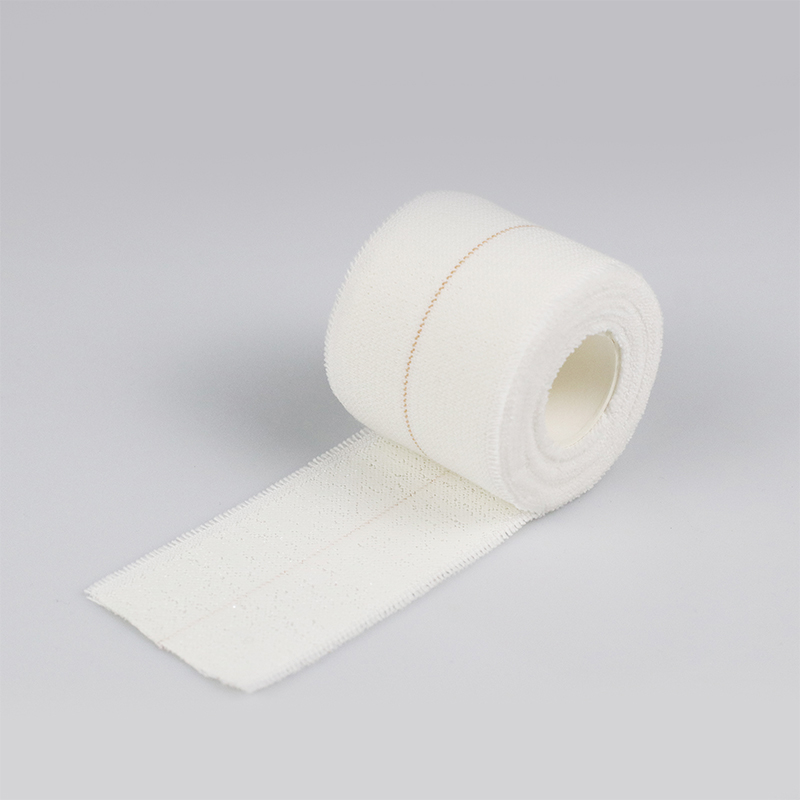
Elastic bandage products are usually chosen for situations where support has to follow movement instead of staying completely fixed. In actual use, the differences between products are not always obvious right after wrapping. They tend to show up later, once the body starts moving for a while, like walking around, bending joints, or switching between activity and rest.
With a High Quality Elastic Bandage, what people often end up judging is not the initial tightness, but how it behaves after some time on the body. Whether it starts to feel slightly loose, whether pressure feels uneven in certain positions, or whether it still feels manageable after repeated adjustments.
How Elastic Bandage Material Blends Influence Comfort and Compression Stability During Extended Use
Material differences are usually not something you notice immediately. At the start, most wraps feel fairly similar. The differences start to appear only after movement begins and the bandage has been stretched a few times.
Some materials hold their tension more steadily, while others slowly shift in feel after repeated bending. It is not a sudden change, more like a gradual drift that becomes noticeable during everyday activity.
A High Quality Elastic Bandage tends to avoid that quick "relaxing" feeling after movement, but even then, small changes in pressure are normal depending on how active the user is.
In real situations, people often describe things like:
- After a while of walking, the wrap does not feel exactly the same as when first applied
- Around joints, the resistance can feel slightly different depending on movement direction
- Once activity stops, the sensation tends to settle back again
These are small shifts, but they shape how predictable the support feels in practice.
How Breathability and Moisture Management Impact Skin Condition During Long Term Bandaging
Once a bandage stays on for a longer period, comfort starts to depend less on initial softness and more on how heat and moisture behave underneath.
In everyday use, this is not something that is always noticed right away. It usually becomes clearer after some time of movement, especially if the wrap is kept on without breaks.
Sometimes there is a slow build-up of warmth. Sometimes a slightly damp feeling appears depending on how active the person is. It is not always consistent, because environment and movement both play a role.
A High Quality Elastic Bandage usually feels more stable in these situations, without sharp changes in temperature or comfort level.
What tends to happen in real use:
- At the beginning, everything feels fairly neutral
- After movement continues, warmth may gradually increase
- During rest, the feeling usually becomes more neutral again
It is a slow cycle rather than a sudden shift.
What Factors Affect Slip Resistance and Fit Stability in High Quality Elastic Bandage Applications
Fit stability is something that is rarely questioned at the moment of application. Most people only notice it later, after moving around for a while.
A bandage that felt secure at first can slowly shift a little after repeated motion. This does not usually happen in a visible way, but more as a gradual change in how it sits on the body.
The reasons are often small and combined rather than single and obvious.
| What influences stability | What may happen during use | How it feels in practice |
|---|---|---|
| Initial wrapping tension | Slight imbalance after movement | One area feels a bit tighter or looser |
| Movement repetition | Small repeated shifts near joints | Gradual repositioning over time |
| Surface contact behavior | Reduced grip after friction changes | Slow sliding sensation in some areas |
| Material relaxation | Slight easing after stretching | Less firm feeling compared to start |
A High Quality Elastic Bandage usually reduces how noticeable these shifts are, but in real conditions, some level of change is still expected depending on activity.
How Proper Wrapping Techniques Help Maintain Consistent Pressure Across Joints and Muscles
How the bandage is wrapped often matters just as much as the material itself. Even a stable product can feel inconsistent if the wrapping is uneven.
In daily use, small differences in how tightly each layer is applied can change how pressure is distributed. This becomes more obvious around joints, where the shape of the body changes frequently.
A High Quality Elastic Bandage tends to behave more predictably when the wrapping is steady and not rushed.
In practice, a few things are often noticed:
- If the overlap is consistent, pressure feels smoother during movement
- If one section is tighter than others, it becomes noticeable after activity starts
- Small adjustments after wrapping can change how the whole support feels
The final comfort is often a mix of material behavior and how evenly the application is done at the beginning.
Which Elastic Bandage Width and Tension Levels Work for Different Body Areas and Support Needs
Width and tension are usually treated as simple selection steps, but in real use they change how the wrap behaves once it starts moving with the body. A narrower strip tends to feel easier to guide around smaller joints. Wider formats often spread contact in a way that feels more settled on larger areas.
What matters more is what happens after a period of movement. Some combinations feel fine at the beginning, then shift slightly once walking or bending continues. That change is not sudden, it builds up gradually.
A High Quality Elastic Bandage generally feels more predictable when the width and tension are not mismatched with the body area, although the final feel still depends on how it is applied.
In everyday use, a few patterns often show up:
- Small joints can feel restricted if the wrap is too wide or layered too much
- Larger muscle areas may feel less stable if coverage is too narrow
- Initial tightness does not always match how it feels after movement starts
- Light tension may feel comfortable at first but can change during activity
Why Compression Distribution Matters for Joint Support and Movement Control in Active Use
Compression is often described as pressure, but in practice it is more about how that pressure spreads across different areas. If the spread is uneven, certain points start to feel more loaded during movement.
Joints tend to reveal this first. As the body bends, the wrap shifts slightly with the shape change, and pressure moves with it. This is not always easy to notice at the start, but becomes clearer after repeated motion.
A High Quality Elastic Bandage can help keep pressure from concentrating too sharply in one spot, though the way it is wrapped still plays a large role.
What is commonly seen in use:
- Pressure feels more concentrated around bending points after activity
- Straight positions feel more even compared to moving ones
- Repeated motion slowly changes how support is perceived
It is less about a fixed feeling and more about how the sensation shifts during use.
How Reusable Elastic Bandage Performance Changes After Multiple Wash and Use Cycles
After several cycles of use and cleaning, elastic materials often feel slightly different. The change is usually gradual, not something that appears all at once.
Some users describe it as a small shift in firmness. Others notice that the surface feels a bit softer compared to earlier use. These changes depend on how often the bandage is stretched, washed, and reapplied.
A High Quality Elastic Bandage is generally expected to keep a relatively steady feel over time, but small variations are normal in repeated use conditions.
| Aspect | Early use | Later use after repeated cycles |
|---|---|---|
| Stretch feel | More direct resistance | Slightly more relaxed response |
| Surface feel | More structured touch | Softer contact sensation |
| Position holding | Stays in place more easily | Slight adjustment during movement |
| Compression feel | More defined pressure | More flexible pressure sensation |
These shifts are not abrupt. They tend to appear slowly with repeated daily handling.
How Design Details in High Quality Elastic Bandage Affect Durability and Long Term Performance
Small construction choices often show their influence only after repeated use. At the beginning, most bandages feel similar, but differences appear later when the material is stretched, wrapped, and adjusted many times.
Edge finishing, internal weave structure, and overall balance of elasticity can all affect how the bandage behaves over time. If one part of the structure is less stable, it may show up as uneven folding or slight changes in fit during movement.
In practice, these details usually become noticeable in everyday situations rather than controlled conditions.
A High Quality Elastic Bandage tends to rely on a more even internal structure so that the feeling does not change too abruptly during use.
Common observations include:
- Edges that stay consistent tend to feel less distracting during movement
- More even structure reduces random folding during wrapping
- Balanced elasticity helps keep a steadier feel across repeated use
The overall experience is usually shaped by how material behavior and daily usage interact rather than a single feature. In manufacturing and product development contexts, including those connected with Wenzhou Zhusi Medical Supplies Co., Ltd., maintaining this kind of balance is often part of ongoing product refinement.