

 English
 中文简体
中文简体
 Español
 عربى
عربى
 Français
 Português
Industry News
Kinesiology tape has quietly become part of everyday training environments without much attention at first glance. You will notice it in gyms, sports fields, rehabilitation rooms, dance studios, and even casual home workout setups. At a distance, it looks like simple strips placed on skin, but in real use, it reflects how people approach movement, awareness, and physical conditioning in a very practical way.
Understanding the presence of kinesiology tape in movement-based practice
Before breaking down specific body regions, it helps to understand why this material appears so frequently in training contexts.
In most cases, kinesiology tape is used as a simple movement companion. It follows the body rather than restricting it. That idea alone explains why it shows up in such a wide range of activities. Instead of changing how the body moves completely, it is often applied as a light physical reference during motion.
In practical training environments, users often mention three general reasons for using it:
- To stay aware of certain muscle areas during repetitive movement
- To support consistency in posture or alignment habits
- To create a sense of structure during training sessions
None of these uses are fixed rules. They are flexible habits that shift depending on the person, the activity, and the training environment.
Movement training and why placement matters
Body movement training is not limited to athletes. It includes anyone working on physical coordination, strength development, flexibility, or general fitness improvement. Because of that, tape placement is usually linked to movement patterns rather than specific labels like "injury" or "performance."
A useful way to think about placement is this:
The tape tends to follow the path of motion rather than the location of a single point.
For example:
- If movement involves lifting, the upper body becomes a focus
- If movement involves jumping or running, the lower limbs are more involved
- If movement focuses on posture, the core or back area becomes relevant
Shoulder region in upper body movement routines
The shoulder area is one of the most frequently involved regions in training sessions. It participates in almost every upper body movement, from pushing and pulling to rotating and stabilizing.
In practical training settings, elastic tape is often placed around the shoulder when people are doing activities such as resistance training, swimming drills, or repeated arm movement exercises. The purpose is usually related to awareness during motion rather than limiting movement.
What makes the shoulder interesting is its range. It does not move in a single direction. It rotates, lifts, lowers, and stabilizes constantly. Because of this complexity, users often place tape along areas that align with the natural movement paths of the arm and upper back.
In some gym environments, you might see people applying tape before overhead exercises. In swimming training, placement may follow the contour of the shoulder blade area. In throwing-based sports practice, placement tends to reflect rotational movement patterns.
The main idea is simple: the shoulder is highly active, so users often want a light physical reference during repeated motion.
Knee area in lower body movement patterns
The knee plays a central role in almost all lower body activities. Walking, running, squatting, stepping, and jumping all involve this joint in some form.
Because of this constant use, the knee area is one of the most common placement zones for kinesiology tape in training environments.
In running practice, tape may be used during longer sessions where repetitive motion is involved. In strength training, it appears during squat or lunge movements. In court sports, it is often seen during quick direction changes.
What stands out in real-world use is not a single fixed placement style, but variation based on movement direction. Some users apply tape in front support patterns, while others align it along the sides of the joint depending on training habits.
Rather than focusing on a rigid method, many trainers emphasize observation. They adjust placement based on how the knee behaves during motion cycles, especially when movement becomes repetitive or loaded.
Lower back in core engagement training
The lower back is closely connected to posture and core coordination. It is involved in bending, lifting, stabilizing, and transferring force between upper and lower body sections.
In movement training, this area often receives attention during exercises like deadlifts, functional strength drills, and controlled bodyweight movements. Tape placement here is usually associated with awareness of posture changes during motion.
For example, during lifting practice, some users apply tape to help them stay conscious of back alignment. During yoga-based movement sessions, it may be used to support awareness during transitions between poses.
It is important to note that the tape is not a replacement for training technique. Instead, it acts as a simple physical reminder during movement sequences.
Ankle region in dynamic movement and balance training
The ankle is one of the most active joints during movement training that involves running, jumping, or quick directional shifts. It plays a major role in stability and balance control.
Because of this, tape is often applied around the ankle area in sports practice and general fitness routines.
In running drills, it may appear during acceleration or endurance sessions. In jumping exercises, it is used during landing and takeoff practice. In court-based sports, it supports awareness during fast direction changes.
Placement in this area often follows movement flow rather than fixed positioning. Some users wrap along the lower leg connection, while others focus around the joint itself depending on activity type.
Wrist area in grip and control-based training
The wrist is heavily involved in any activity that requires gripping, lifting, or controlled arm movement. This includes weight training, racket sports, and functional fitness exercises.
In many training environments, tape is applied around the wrist or slightly above it. The goal is often related to maintaining awareness of wrist positioning during repetitive force application.
For example:
- In weightlifting, grip stability becomes a focus
- In racket sports, wrist control influences swing consistency
- In bodyweight training, wrist alignment affects support positions
Because wrist movement is continuous in these activities, tape is sometimes used as a simple reference point during repetition cycles.
Hip area in coordination and lower body transfer training
The hip plays a key role in connecting upper and lower body movement. It supports balance, direction change, and force transfer during motion.
In dance practice, athletic conditioning, and sprint training, this area becomes especially important. Tape placement around the hip or upper thigh is often associated with movement coordination awareness.
Unlike smaller joints, the hip works in combination with multiple muscle groups. That is why placement patterns can vary significantly depending on training style. Some focus on forward movement drills, while others relate it to rotational exercises.
Neck and posture awareness in controlled movement sessions
The neck area is less about dynamic training and more about posture awareness. It is often included in controlled movement sessions or mobility-focused routines.
In practical use, tape may be applied during:
- Desk-based posture correction exercises
- Gentle rehabilitation movement practice
- Slow stretching or mobility flows
Different training environments and usage behavior
Kinesiology tape does not belong to a single type of user. It appears across many environments, each with slightly different habits.
In gyms, it is often used during strength sessions. In rehabilitation spaces, it appears during controlled movement recovery practice. In dance studios, it supports repetitive motion training. In sports fields, it is part of pre-activity preparation routines.
At home, it is also used by individuals who follow online fitness programs or general mobility exercises.
What is interesting is how flexible the usage becomes depending on environment. There is no single method that fits all situations.
Movement patterns influence placement more than body parts alone
Instead of thinking only about body areas, it is more accurate to consider movement patterns.
- Repetitive lifting movements often involve shoulders and wrists
- Running and jumping activities involve knees and ankles
- Posture-based training involves back and neck
- Coordination exercises involve hips and core areas
Common misunderstandings in practical use
In real training environments, some misunderstandings appear frequently:
One common assumption is that tape automatically changes movement outcomes. In practice, it is more about awareness during motion rather than direct physical change.
Another misunderstanding is fixed placement rules. In reality, placement tends to be adjusted based on comfort, training style, and movement feedback.
A third misunderstanding is overuse during all sessions. Many users actually apply it only during specific training phases, not continuously.
Practical habits seen in training routines
Users often develop simple habits when working with kinesiology tape:
- Observing movement first before applying
- Testing basic motion after placement
- Adjusting based on comfort during activity
- Replacing tape when adhesion changes
- Keeping application simple rather than complex
Material and comfort considerations
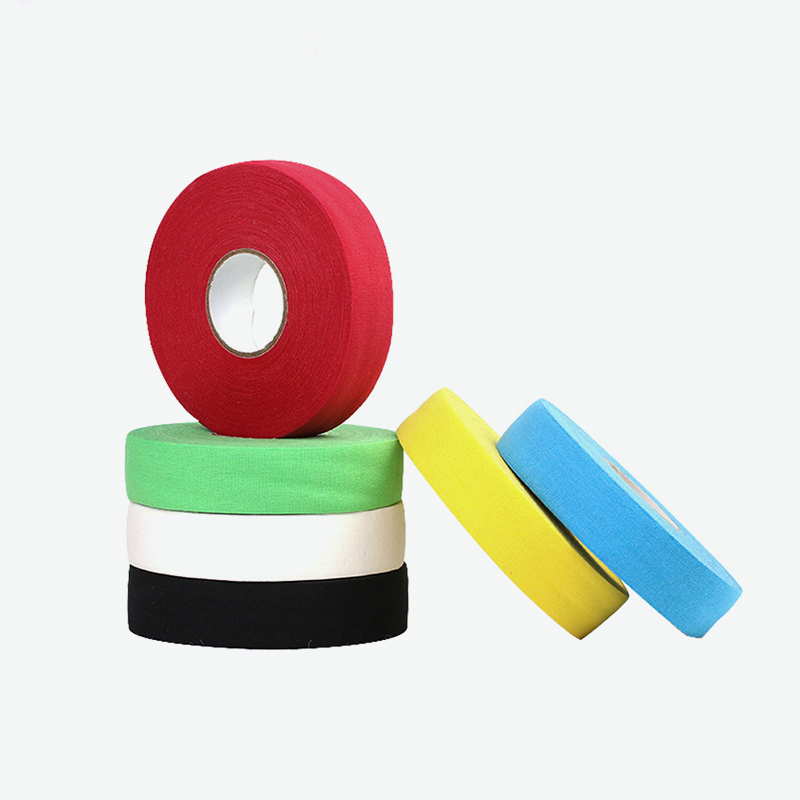
Most kinesiology tape used in training environments is based on cotton combined with elastic fibers. This combination allows it to follow movement while maintaining a soft surface feel.
In everyday use, people often pay attention to:
- How it feels during long sessions
- How it behaves during sweating activity
- Whether it stays consistent during motion
- Whether it interferes with clothing or equipment
These practical considerations often matter more than technical descriptions.
Modern training culture is not only about intensity or structure. It also includes awareness, feedback, and controlled movement habits.
Kinesiology tape fits into this environment as a lightweight tool that blends into motion rather than interrupting it. It appears during warm-up, active training, and movement refinement stages depending on user preference.
Its role is flexible, which is one reason it continues to appear across different physical activity styles.
Kinesiology tape is widely used across many body movement training environments, not because of a single defined function, but because of its adaptability to different motion patterns.
From shoulders and knees to hips, wrists, ankles, and back areas, placement reflects how the body is used during training rather than fixed rules. Each application is shaped by movement habits, training goals, and personal comfort.
In real practice, it is less about strict methods and more about how people interact with their own movement. That flexibility is what keeps it relevant across fitness, sports, and general physical training routines.