

 English
 中文简体
中文简体
 Español
 عربى
عربى
 Français
 Português
Industry News
People who stay active every day often look for simple ways to support their muscles and joints before discomfort appears. Elastic bandages serve as one option. They provide gentle pressure and help with stability during walks, long work shifts, or casual recreation.
Why These Wraps Fit Into Everyday Routines
These wraps work as part of a habit of listening to your body. Many people apply them ahead of time during activities that involve repeated movements. They stretch along with you, providing support without locking joints completely.
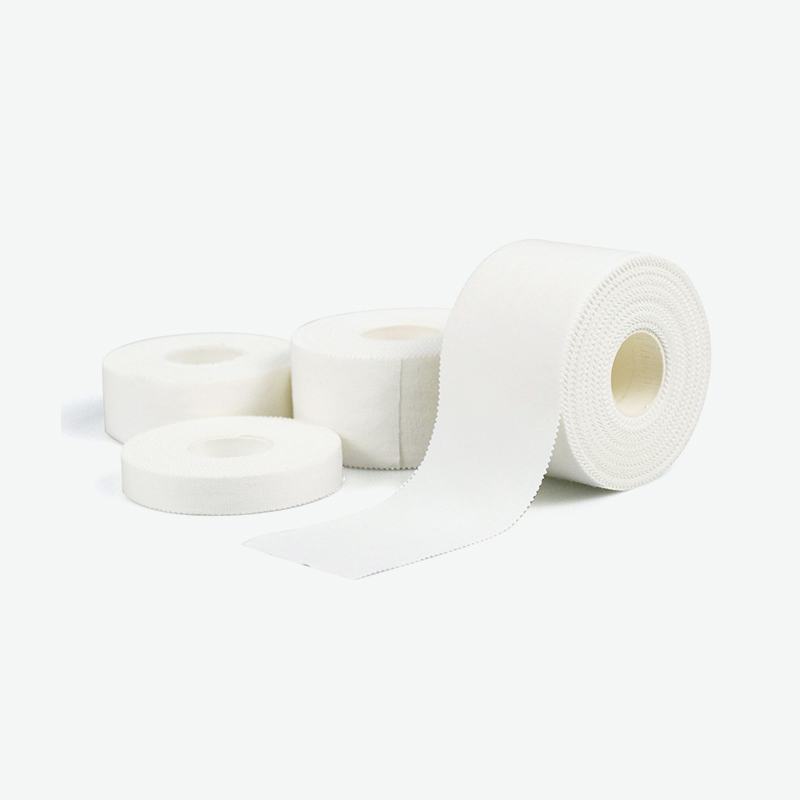
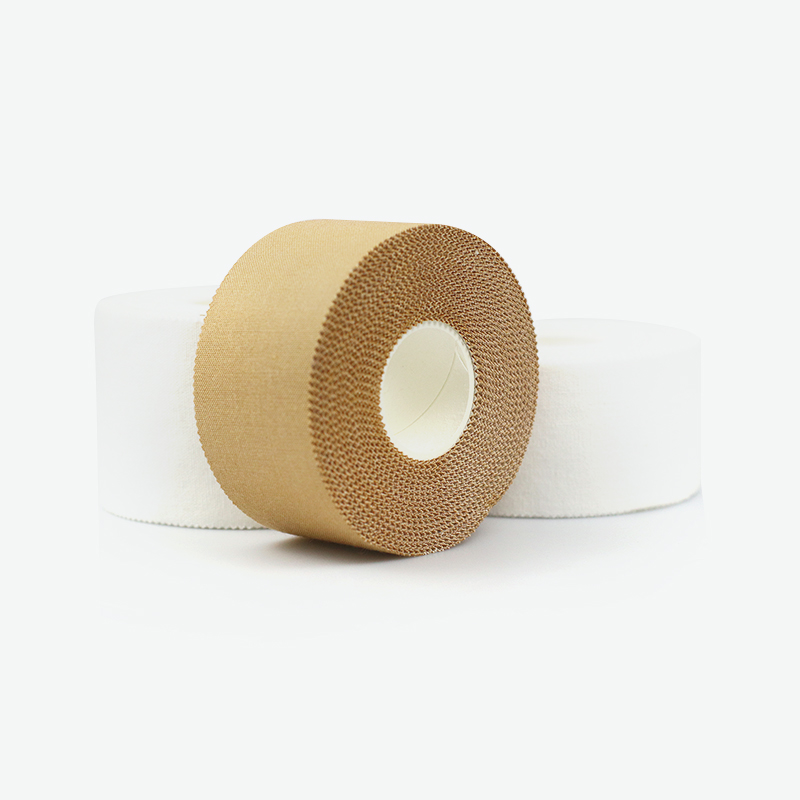
The fabric usually has enough texture to hold layers together. Some versions stick to themselves, while others use small clips. Both styles aim to create even pressure across the area.
How Elastic Bandages Support Movement
Daily life puts different demands on the body. A retail worker on their feet for hours may feel fatigue differently than a weekend hiker or bike commuter. In these situations, elastic bandages can add steadiness.
For instance, wrapping the lower legs before a busy shift can ease that heavy feeling later in the day. It works together with comfortable shoes and occasional breaks. On trails, many walkers wrap ankles to handle uneven ground, helping them focus on the path ahead.
Using the wrap before activity starts pairs well with warming up gently, drinking water, and checking your gear.
Key Features of Elastic Bandages
Elastic bandages come in various widths and lengths to suit different body parts. Narrower rolls work for wrists and elbows. Wider ones cover larger areas like knees or shoulders.
Some points many users notice:
- Self-sticking versions: Make quick wrapping easier during busy mornings.
- Clip styles: Allow tension adjustments at the end.
- Breathable fabrics: Feel comfortable on warmer days.
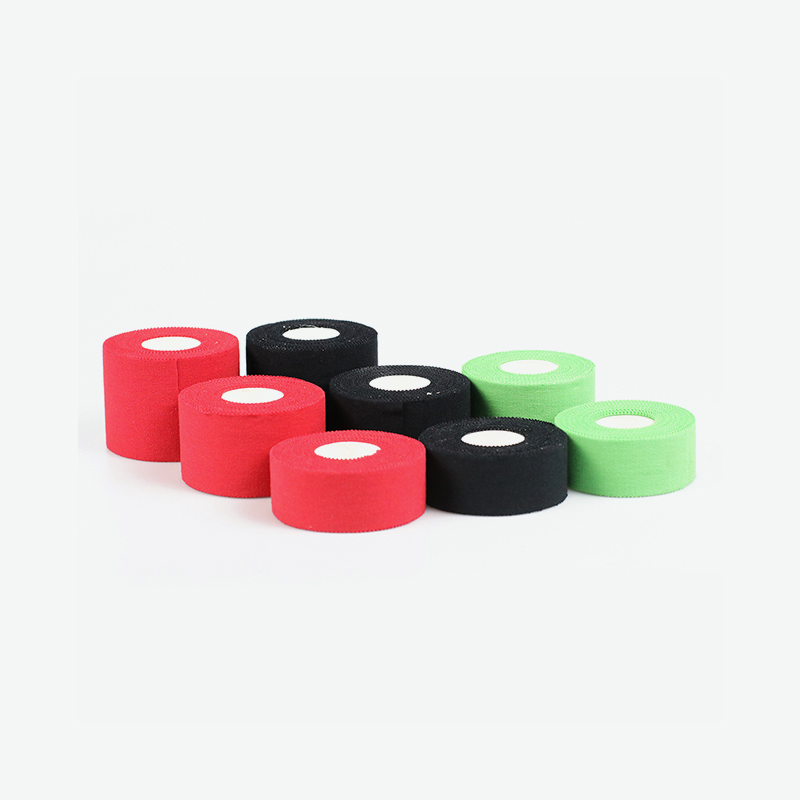
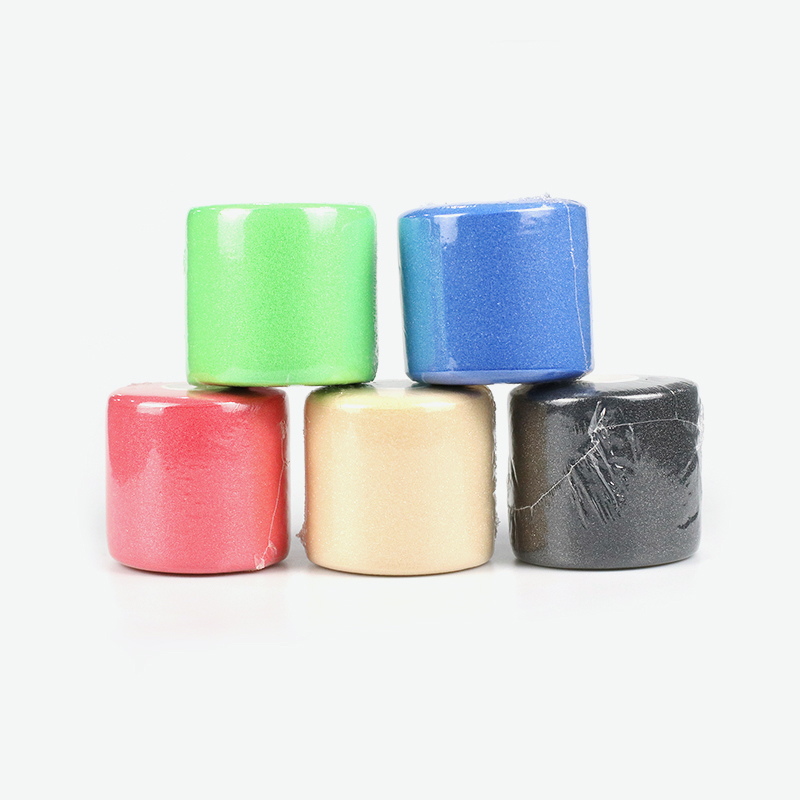
- Neutral colors: Stay discreet under clothing, while brighter ones stand out during group activities.
- Compact and portable: They roll up small and store easily in bags or drawers.
| Feature | Narrow Rolls | Wider Rolls | Self-Sticking | Clip Style |
|---|---|---|---|---|
| Typical Use | Wrists, ankles, elbows | Knees, calves, shoulders | Fast daily tasks | Needs final adjustments |
| Coverage | Smaller, precise areas | Broader surfaces | Layers hold together | Easy end control |
| Portability | Compact | Larger roll | Easy to carry | Standard size |
Step-by-Step Guide to Wrapping
Applying an elastic bandage gets easier with practice. Start with the limb in a relaxed position. Begin farthest from the heart and work upward, overlapping each layer by about half the width. Keep the tension firm but comfortable.
Check circulation by moving your fingers or toes freely. Secure the end neatly and take a short test walk or movement. When removing, unwind slowly. Any faint marks on the skin usually fade within minutes.
Real-Life Situations Where People Use Them
- Runners: Wrap ankles or shins on longer or hillier routes.
- Office Workers: Support wrists during days filled with typing and carrying bags.
- Parents: Often use light elbow wraps during periods of frequent lifting with young children.
- Hikers: Add calf support on downhill sections.
- Weekend Sports Participants: Wrap areas that have felt sensitive before.
- Travelers: Pack them for new walking surfaces or long sitting periods on trips.
Caring for Your Elastic Bandages
Simple care keeps these wraps useful for a long time:
- Wash by hand in lukewarm water with mild soap.
- Air dry them flat on a clean surface.
- Store loosely rolled, away from direct sun or heat.
- Rotate between a couple of wraps during regular use.
- Check for frayed edges or lost stretch every few weeks.
Common Questions People Ask
- Will I become dependent on the wraps?
Most users apply them only during more demanding activities.
- What about skin sensitivity?
Starting with shorter wear times helps, and a thin layer underneath can make a difference for some people.
- How much tension should I use?
Aim for a snug feel that still allows full movement. Loosen right away if anything feels numb.
Some Ideas That Need Clearing Up
These wraps work alongside other habits like proper warm-ups and rest days. They do not need to stay on constantly. Thicker fabric does not automatically mean different results for every situation. Both active athletes and regular commuters, caregivers, or hobbyists find value in them depending on their routines.
Wrapping Specific Areas – What to Know
- Ankles:
Start near the toes, loop in a figure-eight around the heel, then spiral up the lower leg. This pattern offers stability while still allowing normal flexing for walking.
- Knees:
Begin just below the kneecap and spiral upward with overlaps. Keep the kneecap area open so bending remains comfortable.
- Wrists:
Wrap from the hand toward the forearm in even turns. Leave fingers and thumb free for natural grip and movement.
- Calves and Shoulders:
Calves wrap upward from the ankle with steady layers. Shoulders use lighter coverage across the upper arm to add awareness during reaching or overhead tasks. Elbows follow a similar careful spiral from forearm to upper arm.
Building This Into Your Daily Life
Keep a wrap near your shoes or work bag as a reminder. Link it to something you already do, like after putting on socks or before leaving the house. After a couple of weeks, notice how different areas feel on days you use them versus days you do not. Those observations help you decide when they add value.
Adjust based on seasons – lighter tension often feels suitable in warm weather. If you manage any health conditions, a conversation with a doctor or physical therapist can provide guidance.
Putting It All Together for Prevention
Elastic bandages form one piece of a larger approach. Combine them with staying hydrated, choosing suitable footwear, watching your posture, and allowing time for recovery. Simple notes about how your body responds can reveal patterns, such as less afternoon fatigue or steadier wrists during busy periods.
Local clinics sometimes show basic techniques, and families share tips during group activities. Hobbyists carrying heavy gear or repeating hand motions also turn to wrist and forearm wraps during longer sessions. Travelers appreciate how compact they are for unexpected walks or long flights.
Elastic bandages provide a flexible option for those wanting added support during active days. With basic wrapping skills, simple care, and realistic expectations, they fit into many lifestyles.
Try them in your own situations, pay attention to how you feel, and make adjustments over time. These choices often help keep movement smoother with fewer interruptions.