

 English
 中文简体
中文简体
 Español
 عربى
عربى
 Français
 Português
Industry News
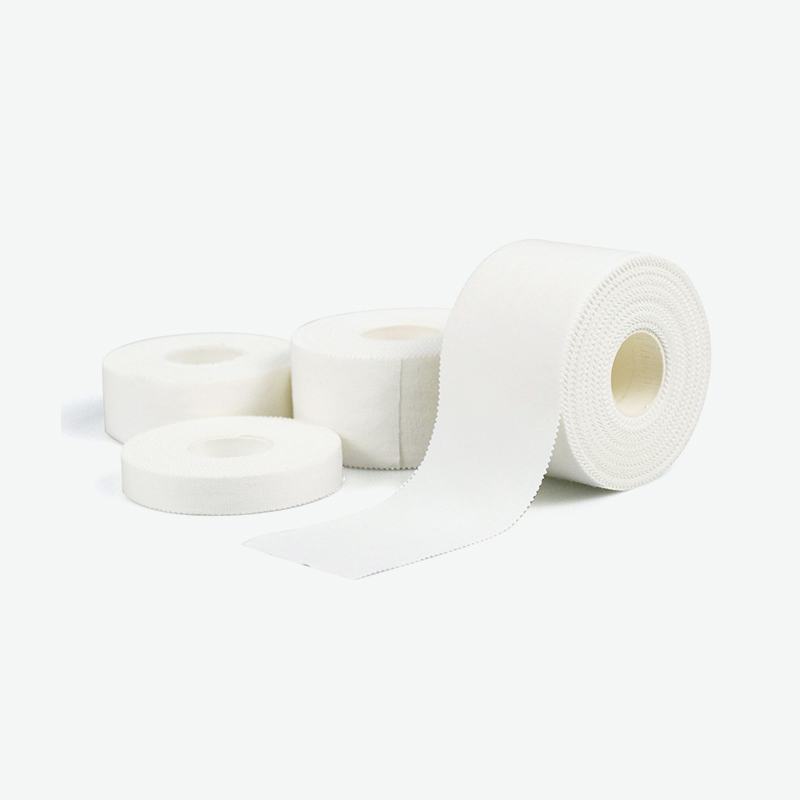
When people start looking for an Eab Bandage Factory In China, most of the time they are not just casually browsing. It usually comes from a real sourcing need, like sports support supply, medical distribution, or retail planning. On the surface, these products look simple. But once you actually deal with sourcing, you will notice there is more going on behind the scenes than expected.
This kind of elastic adhesive bandage is used in many different scenarios, so buyers tend to care about stability, usability, and whether the product behaves the same way from one batch to another. That is usually where the real evaluation starts.
Instead of trying to judge everything from a catalog, it makes more sense to understand how factories actually work, what affects the output, and what details usually get overlooked during early communication.
Why sourcing this type of product is not as simple as it looks
At first glance, most elastic bandage products look similar. Same roll shape, similar texture, and almost identical packaging styles. But once they are used in real situations like sports wrapping or joint support, differences start to show.
Some hold position better during movement. Some feel tighter or looser depending on activity. Others may behave differently under moisture or long wear.
That is why buyers don't just look at appearance. They start asking questions like:
- Will the material stay consistent over time
- Does the adhesive behave the same in different environments
- Is the fabric comfortable for repeated use
- Will different batches feel the same in real application
These are not things you can fully understand from pictures or descriptions. That is why supplier selection usually takes more steps than expected.
How factories in China usually organize production
If you walk into a typical production site for this kind of product, you will notice it is divided into a few clear stages. Even though each factory has its own setup, the general flow is quite similar.
Raw material preparation
This is where fabric rolls and adhesive materials are prepared. A lot of attention goes into checking consistency before production starts.
Processing stage
The adhesive layer is applied and the material is treated under controlled conditions. This part has a big influence on final performance.
Cutting and forming
Once the material is ready, it is cut into different widths depending on customer requirements.
Packaging
Products are packed based on distribution needs, sometimes for retail, sometimes for bulk shipping.
Final checking
Instead of only checking at the end, many factories also inspect during multiple stages.
What matters here is not just machinery, but how controlled each step is. Small changes in environment or handling can affect final performance more than people expect.
Material choices quietly decide user experience
One thing experienced buyers quickly realize is that material choice is not just a technical decision. It directly affects how the product feels and performs in real use.
For example:
- Some fabrics feel lighter and more breathable
- Some adhesives stay stable longer during movement
- Some combinations work better in humid environments
- Some are designed for repeated athletic use
Factories often adjust material combinations based on their main customer type. That is why two suppliers can offer something that looks identical but performs differently in practice.
This is also why samples matter more than descriptions.
What production consistency really means in practice
People often talk about "consistent quality", but in real factory work, this is not a single checkpoint. It is a chain of small controls.
Consistency usually depends on:
- Raw material stability over time
- How strictly each production step is followed
- Operator experience on the line
- Frequency of internal inspection
- Whether batch records are properly tracked
Even small changes in temperature or adhesive handling can create subtle differences.
For buyers, the real concern is not one good batch, but whether the same result can be repeated months later.
Communication is often where problems start
One thing that surprises many first-time buyers is that most issues don't come from production. They come from unclear communication.
For example:
- "Standard packaging" can mean different things to different suppliers
- "Normal quality" is not a measurable instruction
- Missing details in early emails can lead to later adjustments
- Sample expectations are sometimes not clearly defined
The smoother projects usually come from very direct communication. Not long messages, just clear points.
Like:
- what the product will be used for
- where it will be sold
- how it will be packaged
- what level of flexibility is acceptable
Simple clarity usually saves a lot of time later.
Custom production is more common than people think
Many factories offering elastic adhesive bandage production also support some level of customization. It does not always mean complex changes. Sometimes it is just small adjustments.
Common adjustments include:
- Packaging layout for different markets
- Branding on outer boxes
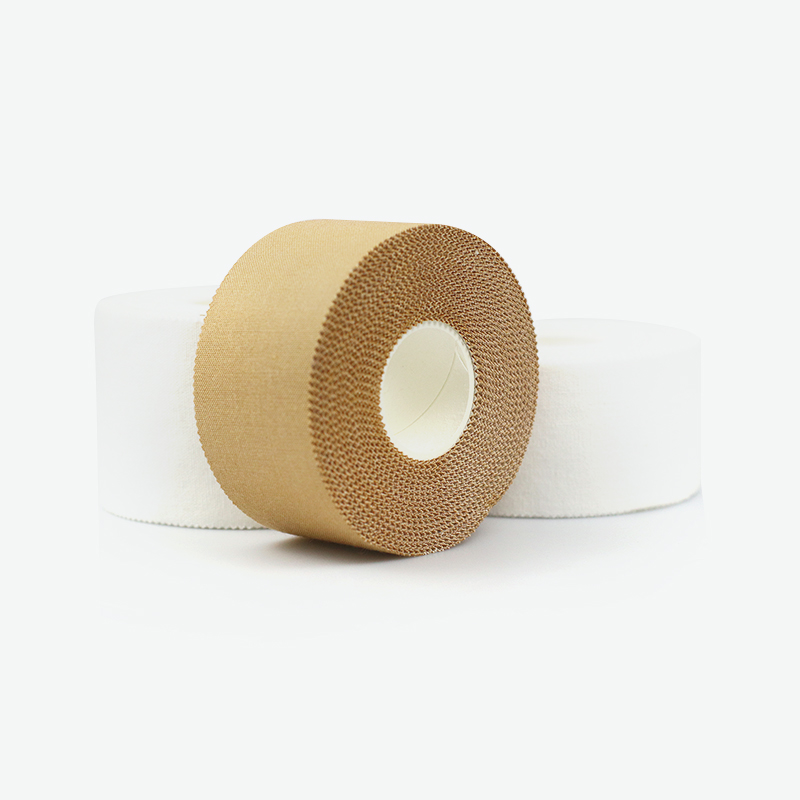
- Fabric texture preferences
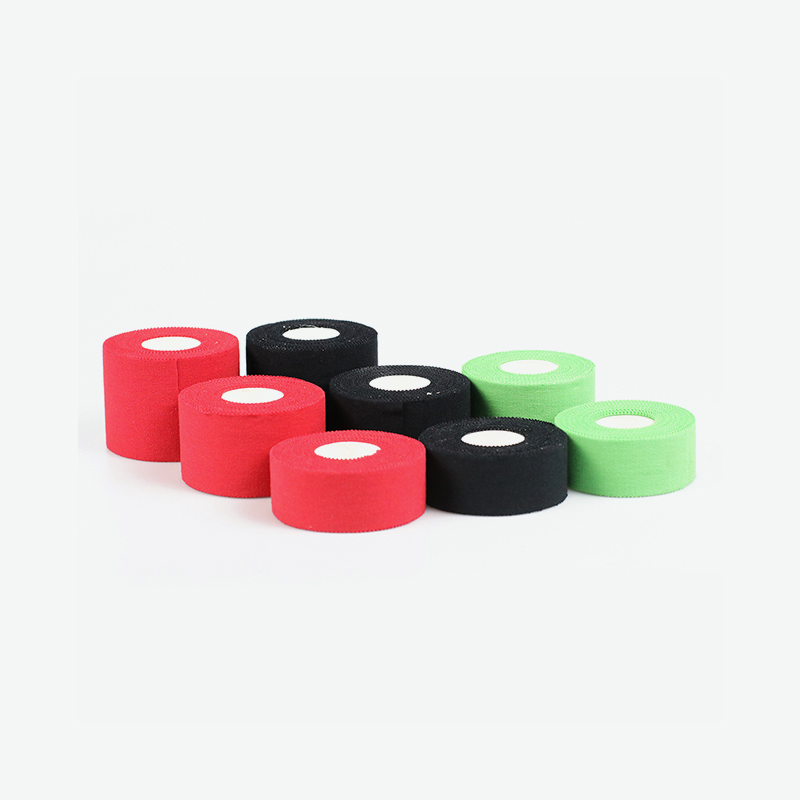
- Color variation for different uses
- Label language adjustments
In many cases, buyers don't need fully customized development. Small changes are often enough to match market needs.
Packaging is not just about appearance
Packaging is often underestimated. But in real distribution, it affects storage, shipping, and even retail presentation.
Good packaging usually helps with:
- Keeping products clean during transport
- Avoiding moisture exposure
- Making warehouse handling easier
- Helping retailers organize inventory
- Reducing confusion in bulk shipments
Sometimes buyers focus too much on the product itself and forget packaging affects user experience indirectly.
What experienced buyers usually check first
People who have sourced this type of product for a while usually don't start with price. They start with structure.
They often look at:
- How fast the supplier responds
- Whether answers are clear or vague
- If samples are easy to arrange
- Whether production explanation makes sense
- How stable communication feels over time
These early signals usually tell more than any brochure.
Simple comparison used in real sourcing work
| Area | What buyers usually check | Why it matters |
|---|---|---|
| Material stability | Whether performance changes over time | Affects repeat orders |
| Production process | Whether steps are clearly controlled | Impacts consistency |
| Communication | Response clarity and detail level | Reduces misunderstandings |
| Packaging flexibility | Ability to adjust for market needs | Supports distribution |
| Sample process | Speed and accuracy of samples | Helps decision making |
| Batch tracking | Whether records are maintained | Useful for long term supply |
Questions that usually come up during sourcing
Do all factories produce the same way
Not really. Even within the same region, production habits and internal control can differ.
Is it necessary to test samples every time
Many buyers do, especially when switching suppliers or starting cooperation.
Can packaging be adjusted for different regions
In many cases, yes. It depends on the supplier's setup.
What causes differences between batches
Usually it comes from raw material variation or small process changes.
A practical way to approach supplier selection
Instead of trying to find a "perfect" supplier, most experienced buyers focus on building a stable working relationship.
A practical approach usually looks like this:
- Start with samples, not bulk orders
- Keep communication simple and direct
- Compare performance under real use conditions
- Observe consistency over time, not one order
- Gradually scale up after stability is confirmed
This method takes longer, but it reduces risk.
Working with an Eab Bandage Factory In China is less about finding something that looks good on paper, and more about understanding how production behaves in real situations.
Factories are not all the same, even if products look similar. The real difference shows up in communication, stability, and how well small details are handled during cooperation.
For buyers, the most practical mindset is simple: observe, compare, test, and then decide. Over time, this approach tends to build more predictable sourcing results without unnecessary surprises.