

 English
 中文简体
中文简体
 Español
 عربى
عربى
 Français
 Português
Industry News
In wound care and support wrap use, small design choices often shape the full experience. A material may look simple at first glance, yet its surface feel, holding method, comfort level, and removal behavior can all change how it performs in daily use. That is where Non-Woven Self-Adhesive Bandage stands apart from many conventional wraps. It is built to hold to itself rather than depend on a separate adhesive layer, which changes how it behaves during application, wear, and removal.
The difference is not only in appearance. It starts with the structure of the fabric, continues through the way the surface interacts with itself, and ends with the practical results users notice during wrapping. For buyers, caregivers, and manufacturers, these details matter because they shape whether the wrap feels simple to handle, steady in place, and comfortable over time.
What Is Non-Woven Self-Adhesive Bandage and How Does It Work Without Traditional Adhesive
At a basic level, the product is a self-holding wrap made from a non-woven fabric base. Instead of using a sticky layer that bonds directly to skin or hair, it relies on a surface designed to grip onto itself when layered. That makes the wrap easier to handle in situations where clean removal and skin comfort are important.
The working principle is straightforward, but the result depends on material balance. The surface must create enough holding force for secure wrapping, while still staying gentle enough for regular use. When the wrap is placed over itself, the layers connect through contact rather than through a broad adhesive coat. That gives it a different feel from products that depend on conventional sticking methods.
In practical use, people often notice three things first:
- It is easier to wrap without dealing with a messy sticky surface.
- It holds in place through overlap rather than direct skin bonding.
- It can be removed with less pulling than many adhesive-based options.
These traits make Non-Woven Self-Adhesive Bandage useful in situations where quick application and controlled removal are both important.
Why Does Non-Woven Self-Adhesive Bandage Stick to Itself but Not Stick to Skin
The answer lies in the surface design. The outer layer is arranged so that contact with a similar surface creates grip, while contact with skin does not create the same bond. That difference is important because it supports stable wrapping without making removal uncomfortable.
Skin contact can be sensitive, especially in areas that move often or where care needs to be repeated. A wrap that clings too strongly to skin can make dressing changes awkward. A self-holding wrap avoids that problem by shifting the contact point from the body to the material itself.
Several practical advantages follow from this structure:
- The wrap can be layered with confidence because it stays with itself.
- The chance of hair pulling is reduced during removal.
- The surface can feel less intrusive during longer wear.
- Adjustments during wrapping are easier because the material is not locked to skin right away.
That is why Non-Woven Self-Adhesive Bandage often attracts attention in care settings where control matters more than forceful sticking.
How Is Non-Woven Self-Adhesive Bandage Made and What Materials Affect Its Performance
The structure begins with the fabric base, but the final result depends on more than one layer of material choice. The base fabric, the surface treatment, and the flexibility of the wrap all work together. Each part influences how the wrap behaves when stretched, folded, pressed, or removed.
A softer fabric tends to feel more comfortable against the body, while a denser structure may hold shape more firmly. Surface treatment also matters because it affects how well one layer grips another. If the balance is too weak, the wrap may loosen sooner than expected. If the balance is too strong, handling may become less smooth.
| Material Factor | Effect on Use |
|---|---|
| Fabric softness | Affects comfort during wear |
| Surface grip | Affects how well layers hold together |
| Air flow through the fabric | Affects wearing comfort |
| Stretch behavior | Affects wrapping control |
| Edge finish | Affects handling and neatness |
The production process shapes these traits together. A well-controlled build allows the wrap to feel steady without becoming stiff. That balance is a key reason buyers compare samples closely before choosing a supply source. For Non-Woven Self-Adhesive Bandage, the material mix is not a minor detail; it is the center of how the product performs.
What Factors Should Buyers Check Before Ordering Non-Woven Self-Adhesive Bandage
Buyers usually focus on a few practical points before placing an order, because a wrap that works in one setting may not suit another. The first point is size. Width and length should match the intended body area or use case. A narrow wrap may suit smaller joints or fingers, while a wider wrap may be more suitable for larger support areas.
The second point is feel. Some users prefer a softer touch, while others look for a firmer hold. The right balance depends on the expected use. Comfort, handling, and repeat use all play a part in the choice.
A useful way to compare options is to look at them by purpose:
| Buyer Check Point | What to Review |
|---|---|
| Size | Fit for the target area |
| Surface feel | Comfort during use |
| Hold behavior | Stability during wrapping |
| Ease of removal | Convenience during dressing changes |
| Packaging style | Storage and handling needs |
A buyer may also consider where the wrap will be used. Care settings, sports support, and pet care often place different demands on the material. That is why purchasing decisions are rarely only about price. The right choice is usually the one that matches the use pattern with the least friction.
Non-Woven Self-Adhesive Bandage vs Cotton Bandage What Are the Differences in Daily Use
Daily use reveals the difference between material types more clearly than a product label does. A cotton-based wrap often has a familiar feel and can suit some traditional uses. A non-woven version can offer a different combination of lightness, surface behavior, and handling ease.
The contrast becomes easier to see when the same task is viewed through both materials. A cotton wrap may feel more familiar to some users, while a non-woven design may provide a smoother self-holding experience. One is not automatically the answer for every need; the use case matters.
| Daily Use Aspect | Non-Woven Wrap | Cotton Wrap |
|---|---|---|
| Surface feel | Often lighter and smoother | Often more traditional in touch |
| Layer holding | Designed to hold to itself | May depend on a different structure |
| Removal | Often easier to take off | May feel different during removal |
| Wrapping control | Can be easier to adjust | May vary by weave and build |
| Use setting | Fits many modern support needs | Fits familiar wrap preferences |
For some users, the key difference is not only comfort. It is also how much time and adjustment a wrap demands during application. In that sense, Non-Woven Self-Adhesive Bandage offers a distinct handling pattern that can suit care routines where speed, comfort, and clean removal all matter.
How to Choose the Right Non-Woven Self-Adhesive Bandage Size for Different Applications
Choosing a suitable size is one of those details that looks small on paper but changes the whole experience in use. A wrap that fits the area well tends to sit more naturally, stay in place with less effort, and feel easier to handle from the start. A wrap that is too narrow may leave too little coverage. A wrap that is too wide may feel awkward or harder to guide around smaller areas.
The shape of the target area matters just as much as the measurement itself. Fingers, wrists, ankles, and broader support zones all ask for something different. A slimmer option usually works better when the space is limited and movement is frequent. A wider one can make more sense when the goal is broader coverage and steadier contact. That is why size choice is not only about numbers. It is about how the material meets the body.
A simple way to think about the choice is to begin with the area, then think about movement, then compare the wrap dimensions. Once those three points are clear, the decision becomes easier.
| Selection Point | What It Affects |
|---|---|
| Width | Coverage and wrapping control |
| Length | Adjustment room and coverage range |
| Area shape | How closely the wrap follows the body |
| Movement level | How much flexibility the use area needs |
A few practical checks are often enough to narrow the choice:
- Look at the exact part of the body or surface that needs coverage.
- Think about how often that area bends, turns, or shifts.
- Decide whether the main need is quick wrapping or broader hold.
- Check whether the wrap should feel light, firm, or balanced.
For buyers, size planning also affects how useful the product feels in real use. A wide range of sizes can make one product line fit different routines more comfortably. That is often more useful than trying to force one size into every setting.
Why Are Non-Woven Self-Adhesive Bandages Used in Sports Care Veterinary Care and Medical Applications
The reason this type of wrap appears in several care settings is fairly direct. It solves a common problem without adding extra complexity. Many users need a material that stays in place, is simple to manage, and does not create unnecessary trouble when it is time to remove it. That need shows up in sports care, veterinary care, and medical routines for different reasons, but the basic expectation is similar.
In sports care, movement is part of the setting. Wrapping a wrist, ankle, or other support area often means dealing with motion right away. A material that can hold to itself without relying on a separate sticky layer gives more control during application. It can also be adjusted more easily if the wrap needs a small correction before activity begins or after use.
Veterinary care brings a different kind of challenge. Animals do not always stay still, and fur can make ordinary wrapping more difficult. A self-holding wrap avoids some of the problems that come with direct sticking. It is often chosen because it can be placed with less pulling and removed with less disturbance.
Medical use usually puts more weight on comfort, neat handling, and repeat care. In that environment, a wrap that is easy to position can save time and reduce handling stress. The goal is not only to hold a dressing or support an area, but to do so in a way that keeps the process manageable for the caregiver and tolerable for the user.
The same material can work across all three settings because it offers a familiar set of practical advantages:
- It can be applied without extra fastening steps.
- It can be removed with less pulling than many sticky alternatives.
- It can be used where movement is part of the task.
- It can suit both human and animal care routines.
The use cases are not identical, but the logic is close. In every case, the material needs to support without becoming a burden.
How Do Manufacturers Customize Non-Woven Self-Adhesive Bandage for Different Customer Needs
Customization is where product development becomes more specific. Different customers may ask for the same basic material but expect a different result. A medical buyer may focus on handling and comfort. A sports supplier may care more about flexibility and application speed. A veterinary customer may need a product that works better around fur and movement. The core idea stays the same, but the details shift.
Manufacturers usually begin with the intended use. That step shapes many of the decisions that follow. A product for smaller support areas may need a different width. A product for frequent handling may need a different surface feel. A product for retail or distribution may need packaging that is easier to store and move through the supply chain.
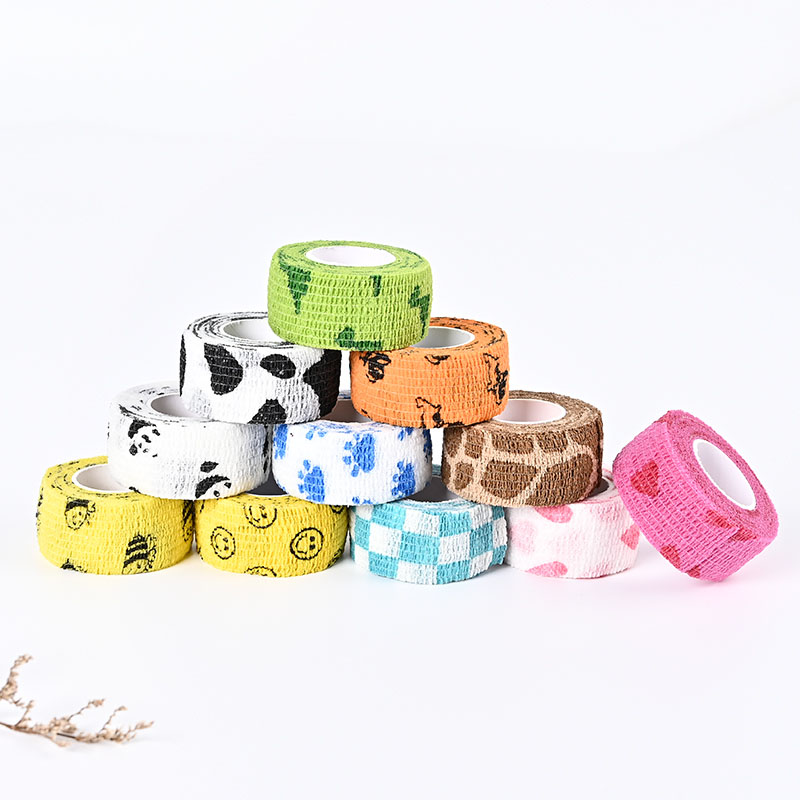
There are also visual and practical choices that matter more than they first appear. Some customers prefer neutral colors. Others want a clearer way to sort different sizes. Packaging can also influence how the product is stored, presented, and used after purchase. These details may seem minor, but they often shape whether the final product feels convenient or awkward in daily work.
Common customization points include:
- Size range for different body areas or care tasks.
- Surface feel for comfort and handling.
- Packaging style for storage and distribution.
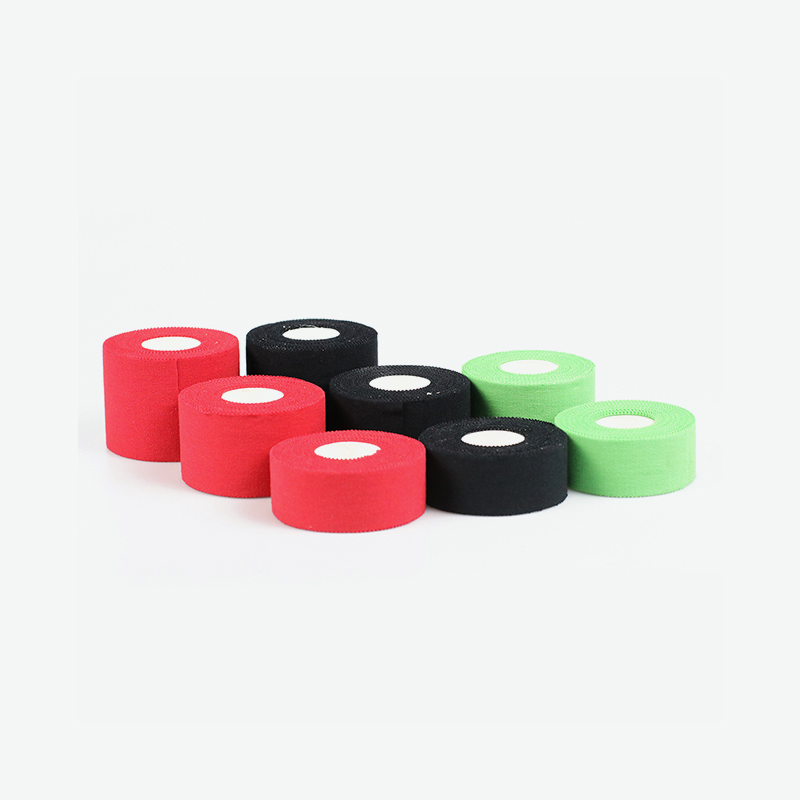
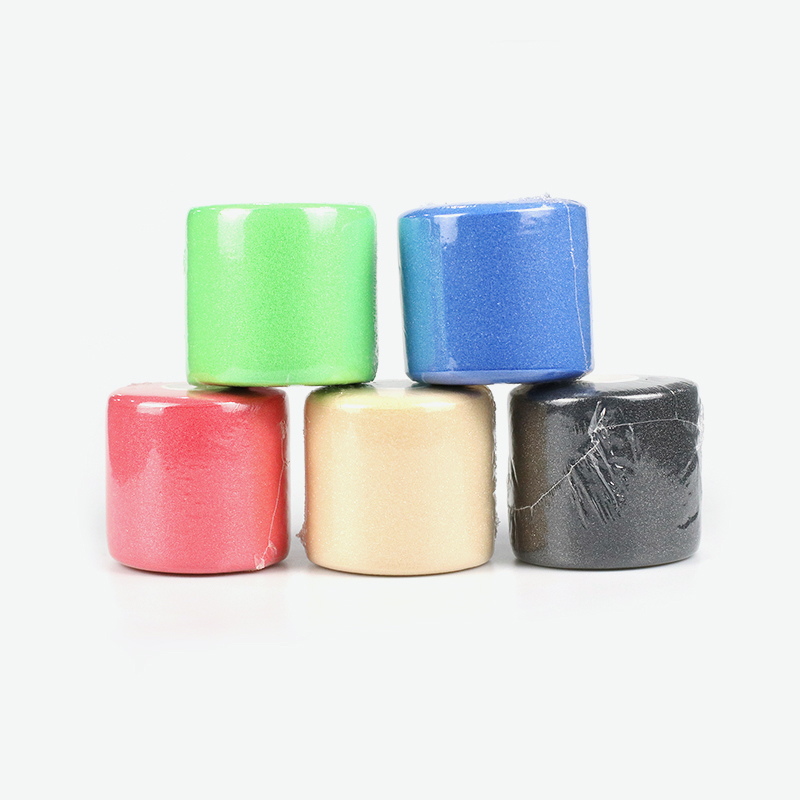
- Color choice for market preference or product sorting.
- Material balance for a softer or firmer touch.
Non-Woven Self-Adhesive Bandage works well as a customizable product because the basic function stays stable while the details can still change. That gives manufacturers room to shape the product around different routines without altering what it is meant to do.
When customization is done with care, the product feels more natural in use. The buyer does not need to adjust around a poor fit. The wrap matches the setting more closely, and that usually matters more than decorative features or broad claims. In practical terms, a product that fits the task well tends to feel easier to trust in daily work.