

 English
 中文简体
 Español
 عربى
 Français
 Português
Industry News
Taping is a routine part of athletic training, physical activity and injury management. It supports certain body areas, holds protective materials in place and adds stability during movement. Putting adhesive tape straight onto bare skin isn't always pleasant, though. Repeated use can cause irritation and discomfort, and removal can be a chore. Underwrap helps with exactly that.
Underwrap is a lightweight, flexible material that goes between the skin and the adhesive tape. It forms a protective layer and lets the outer tape do its job. Athletes, trainers and sports therapists often use it when preparing an area for taping. It's especially handy when the same spot is taped again and again, or when the user wants less direct contact between adhesive and skin.
Underwrap may look like a plain roll of foam or fabric, but several practical factors shape how it performs. Material, flexibility, application method and compatibility with different tapes all affect how it feels to wear.
Knowing what underwrap does and how to apply it correctly leads to better choices about sports protection and taping.
What Is Underwrap for Sports Tape ?
Underwrap is a thin protective layer made to sit between the skin and adhesive sports tape. It usually comes in rolls and can be wrapped around many body areas before the main tape goes on.
Unlike regular adhesive tape, underwrap generally doesn't depend on strong adhesion to stay put. Its light structure follows the contours of the body, which suits areas that move a lot, such as the ankles, wrists, knees and elbows.
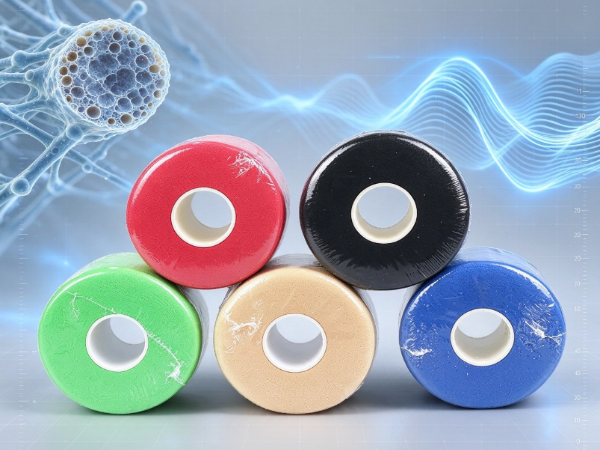
The material is typically soft and flexible. Some products have a foam-like texture, while others use lightweight synthetic fabrics. Either way, the structure forms a barrier between the skin and the tape's adhesive side.
Underwrap doesn't replace sports tape. It's a supporting layer within a taping setup. The outer tape provides the hold or support, and the underwrap improves how the whole thing feels against the skin.
Its main functions include:
- Skin separation: Creates a layer between the skin and adhesive tape.
- Comfort support: Gives a softer contact surface during taping.
- Removal assistance: Reduces direct adhesive contact with the skin.
- Taping preparation: Forms a base for certain sports taping applications.
- Material separation: Keeps adhesive tape from sticking directly to skin or unwanted surfaces.
The exact function depends on the product and how it's used. Don't treat underwrap as a substitute for medical dressings or specialized wound protection.
Why Is Underwrap Used Before Applying Sports Tape?
Applying adhesive tape directly to skin can cause problems, especially when taping happens often. Some people get redness, itching or discomfort after removing adhesive materials. Others find that repeated taping leaves the skin dry or sensitive.
Underwrap offers a simple way to keep the adhesive layer off the skin, which can make taping more comfortable for some users.
Repeated application is another reason. Athletes may tape the same area across several training sessions or events. A protective layer reduces how often adhesive touches the skin directly.
It also adds flexibility to preparation. Trainers can lay down underwrap first, then position the outer tape. That gives them a base layer that follows the body's shape and helps organize the taping.
Common reasons for using underwrap include:
- Reducing direct contact between adhesive tape and skin.
- Improving comfort during prolonged taping.
- Supporting repeated sports taping routines.
- Easing tape removal where body hair makes it uncomfortable.
- Creating a smoother base for certain taping arrangements.
- Reducing adhesive residue on the skin in some applications.
Underwrap doesn't guarantee that irritation will be avoided, however. Some users react to the materials themselves, and too much wrapping can cause pressure or discomfort.
Always consider the condition of the skin before applying any sports taping product. If irritation appears, remove the material and check the area.
What Types of Underwrap Are Commonly Used in Sports?
Underwrap comes in different materials and structures. The purpose is similar across products, but texture, flexibility and handling can differ.
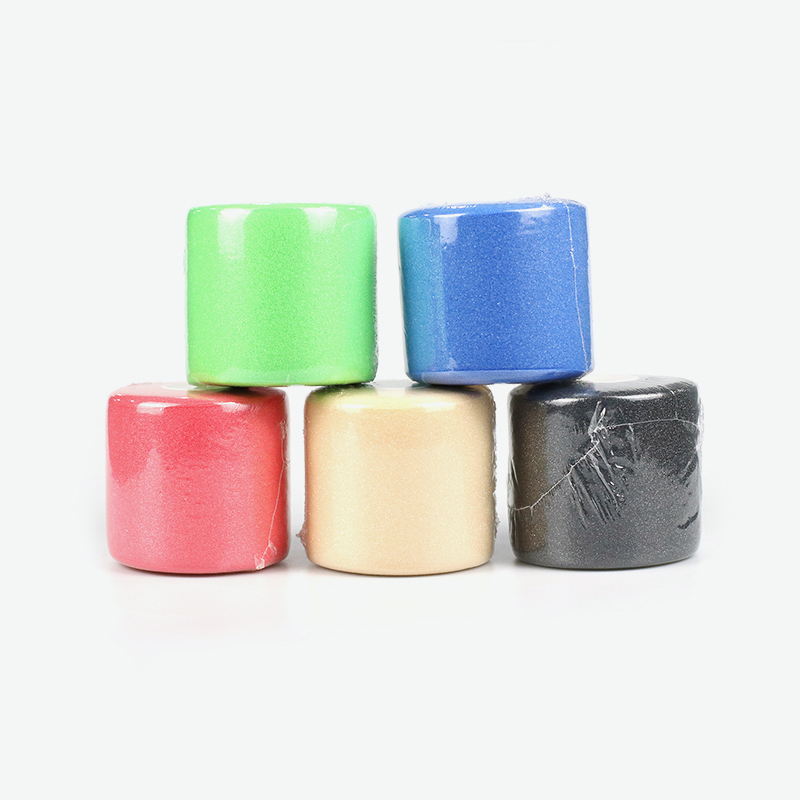
Foam underwrap is a familiar choice. It's light and soft, and it fits around curved body areas. Its flexibility suits applications where comfort and easy wrapping matter.
Some products use nonwoven or other synthetic materials. These can have a different surface texture and feel while being applied. Suitability depends on the intended use and the outer tape.
Material choice affects how the underwrap feels on the skin and how it behaves during movement.
| Underwrap Type | Main Characteristics | Common Considerations |
|---|---|---|
| Foam underwrap | Soft, lightweight, and flexible | Suitable for creating a comfortable base layer |
| Nonwoven underwrap | Lightweight with a fabric-like structure | Material texture and flexibility may vary |
| Elastic underwrap | Designed to follow body movement | Wrapping tension needs careful control |
| Protective pre-wrap | Provides a separation layer under adhesive tape | Should be selected according to the taping application |
No product suits every sport or body area. A material that feels fine around the wrist may not feel the same around the ankle or knee.
Consider skin sensitivity, movement requirements and the type of outer tape before choosing.
How Is Underwrap Applied with Sports Tape?
Correct application matters because underwrap should protect without restricting movement. The process is generally simple, but tension and positioning affect comfort.
Start with clean, dry skin. Moisture, sweat, oils and dirt can change how the materials sit on the body. Check any existing skin irritation before taping.
The general process runs as follows.
Prepare the skin and materials
Clean the area to be taped. Make sure the skin is dry and free of anything that could interfere with taping. Have the underwrap and outer sports tape ready before you begin.
Position the starting point
Place the start of the underwrap against the body area. Hold it lightly so it stays put without adding pressure.
Wrap the underwrap around the area
Move the roll around the body part smoothly and evenly. Let the material overlap slightly where needed to keep coverage. Don't pull it too tight.
Check the coverage
Make sure the intended area is covered, with no uncomfortable folds or pressure points. The material should follow the natural shape of the body.
Apply the outer sports tape
With the underwrap in place, apply the chosen sports tape using the intended taping method. The outer layer should give the required hold without squeezing the body too much.
Check comfort and movement
After application, have the user gently move the body part. Check for tightness, numbness, tingling or other unusual sensations. Adjust or remove the materials if discomfort occurs.
The method may vary with the body area and the tape in use. Some taping techniques don't need underwrap, so include it only when appropriate.
Which Body Areas Can Benefit from Underwrap?
Underwrap can go on many body parts, especially where adhesive tape is applied repeatedly or a protective layer is preferred.
The ankle is a common site. Sports often involve running, jumping, turning and sudden changes of direction. When an ankle needs taping, underwrap may serve as a base layer that separates skin from outer tape.
The wrist is another. Athletes in sports with gripping, throwing or repetitive hand movements may tape the wrist, and a light underlayer can make contact more comfortable.
Around the knee, underwrap may be part of certain taping setups. The knee bends and straightens constantly, so the material has to follow movement without bunching or creating pressure.
Elbows and other areas may also suit underwrap, depending on the purpose of the taping and the product instructions.
| Body Area | Possible Application | Important Consideration |
|---|---|---|
| Ankle | Base layer before sports taping | Avoid excessive tightness around the joint |
| Wrist | Separation layer under adhesive tape | Allow comfortable hand and wrist movement |
| Knee | Protective layer for selected taping methods | Prevent folds around bending areas |
| Elbow | Underlayer for sports support tape | Check comfort during bending and extension |
| Thigh | Base layer for selected sports applications | Ensure the material stays in place during movement |
| Lower leg | Separation layer under outer tape | Avoid excessive compression |
Whether underwrap is appropriate depends on the purpose of the taping. Don't assume every area needs an extra layer. Sometimes applying a suitable sports tape directly works better.
What Is the Difference Between Underwrap and Sports Tape?
Underwrap and sports tape are often used together, but they do different jobs. Knowing the difference keeps users from picking the wrong material.
Underwrap generally creates a soft separation layer between skin and adhesive tape. Its role centers on comfort and skin contact. It usually doesn't give the structural support of conventional sports tape.
Sports tape, by contrast, is made to stick to the skin or another suitable surface. Depending on type, it may support a body area, limit certain movements or add stability during activity.
Kinesiology tape is a related product. It goes directly on the skin and has elastic properties that let it move with the body. Its application principles differ from those of traditional rigid sports tape.
The main differences are shown below.
| Comparison | Underwrap | Sports Tape |
|---|---|---|
| Main purpose | Creates a protective separation layer | Provides support or secures a taped area |
| Adhesive properties | Usually non-adhesive | Commonly adhesive |
| Skin contact | Sits between skin and outer tape | May be applied directly to skin |
| Flexibility | Generally soft and flexible | Depends on tape type |
| Typical position | Under the outer tape | Outer layer of the taping arrangement |
| Removal | Usually removed with or before the outer tape | Removed according to the product instructions |
The two aren't interchangeable. Underwrap can't hold like adhesive sports tape, and sports tape doesn't always give the soft barrier underwrap does.
The right combination depends on the application, the user's skin condition and the level of support needed.
How Should You Choose Underwrap for Sports Tape?
Choosing underwrap takes more than a glance at its look. Products differ in texture, composition and handling, and those differences affect comfort and application.
Softness matters. Underwrap sits close to the skin, so its surface should feel comfortable. People with sensitive skin may want to look closely at material composition and suitability.
Flexibility counts too. The material should follow the body's shape without resisting movement, which is especially important around joints and other areas that bend often.
Breathability can shape the experience as well. During activity, sweat and heat can build up under several layers. An underwrap that lets air move through may feel better, though performance varies by product.
Other factors to weigh:
- Material composition: Check that the material suits the intended skin contact.
- Texture: Consider whether the surface feels soft and comfortable.
- Flexibility: Make sure the material follows body movement.
- Application method: Pick a product that's easy to position and wrap.
- Compatibility: Check that it works with the intended outer sports tape.
- Intended use: Think about the sport, body area and how often it will be applied.
- Product instructions: Follow the manufacturer's guidance for use and removal.
Don't choose on thickness alone. A thicker material isn't automatically more comfortable or protective. The overall structure and how it works with the outer tape matter just as much.
In professional sports settings, trainers and purchasing teams may also look at packaging, storage, material consistency and supply needs. These affect how easily the product fits into regular training and upkeep routines.
What Mistakes Should Be Avoided When Using Underwrap?
Underwrap is fairly easy to apply, but mistakes can hurt comfort and the performance of the whole taping setup.
A common one is wrapping too tightly. Underwrap should form a comfortable separation layer, not compress the body. Too much tension can restrict movement or cause pressure, particularly around joints.
Uneven application is another. Wrinkles, folds and overlaps create pressure points, which can become uncomfortable during movement, especially once outer tape goes over them.
Some users pile on too many layers. More material doesn't necessarily improve the result. Heavy layering makes the area bulky and can interfere with how the outer tape fits.
Other mistakes include:
- Applying underwrap to wet or dirty skin.
- Ignoring existing cuts, irritation or skin sensitivity.
- Pulling the material too hard during application.
- Letting folds form around joints.
- Using underwrap in place of adhesive sports tape.
- Reusing disposable underwrap products meant for single use.
- Leaving the material on after discomfort or unusual skin reactions appear.
Removal needs care too. Take off the outer sports tape gently, following its product instructions. Then remove the underwrap without needless pulling or friction against the skin.
Afterward, check the skin for redness, irritation or other unusual reactions. If discomfort continues, stop using the product and get appropriate professional advice.
How Should Underwrap Be Stored and Handled?
Good storage keeps underwrap in proper condition before use. The material touches the skin directly, so keeping it clean and protected is important.
Store it in a dry, clean place. Too much moisture can change its texture or make it less suitable for application. Keep it away from dirt, dust and other contaminants.
The original packaging helps protect unused rolls. Once opened, keep the material in a clean storage area and handle it with clean hands.
During training or professional taping sessions, prepare the materials you need before starting. That cuts down on handling and keeps the work area tidy.
A few basic practices support proper storage and handling:
- Keep unused rolls in their original packaging when possible.
- Store the material away from excessive moisture and heat.
- Don't set rolls directly on dirty surfaces.
- Check the packaging and material condition before use.
- Follow product instructions on storage and reuse.
- Dispose of used material according to its intended use instructions.
For sports clubs, rehabilitation facilities and medical supply distributors, consistent storage habits also simplify inventory management. Keeping different tape products organized helps staff pick the right material for each application.