

 English
 中文简体
中文简体
 Español
 عربى
عربى
 Français
 Português
Industry News
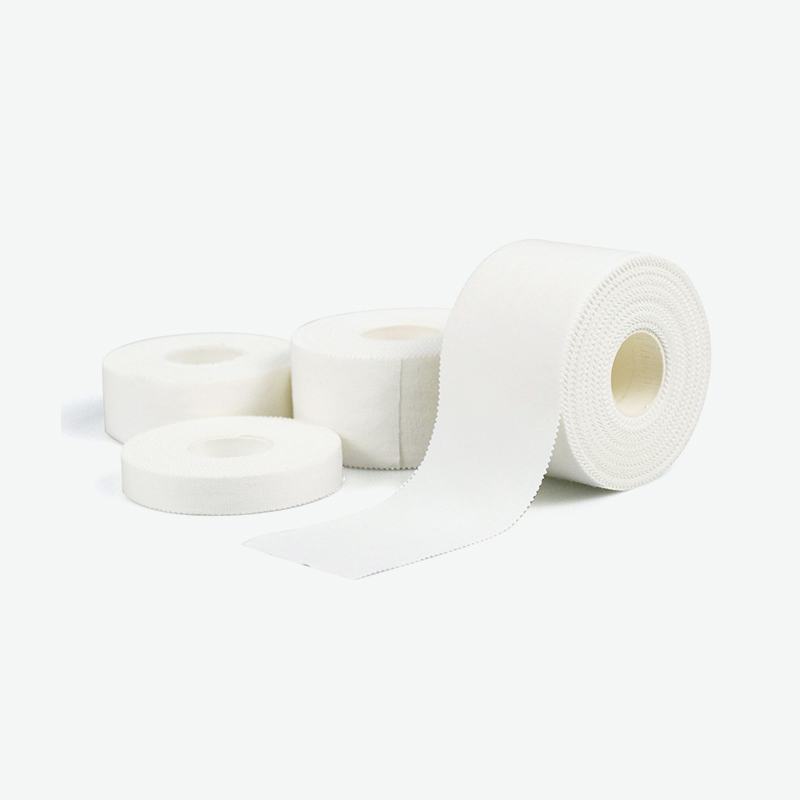
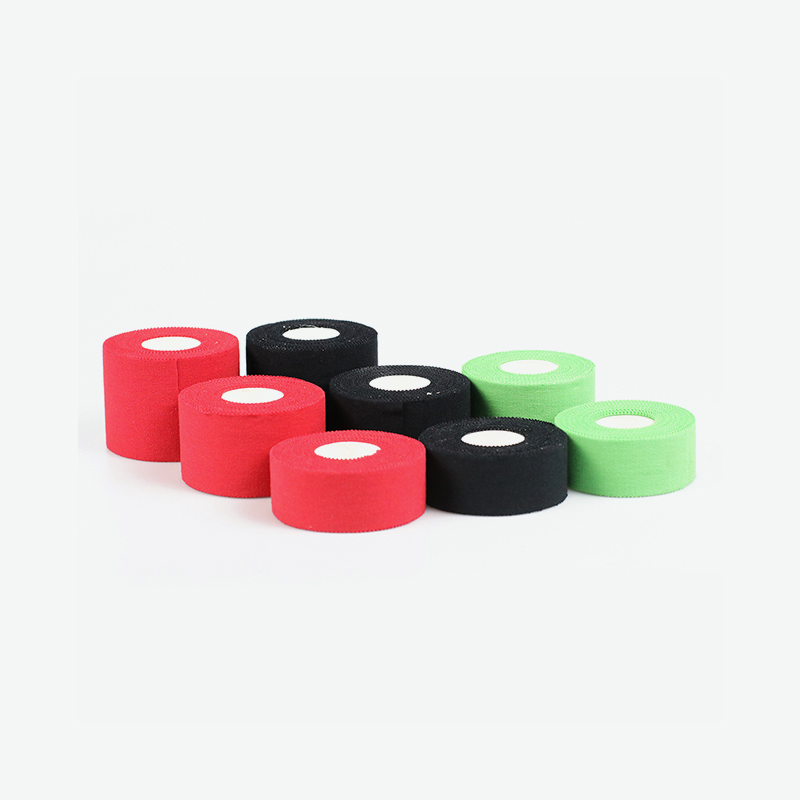
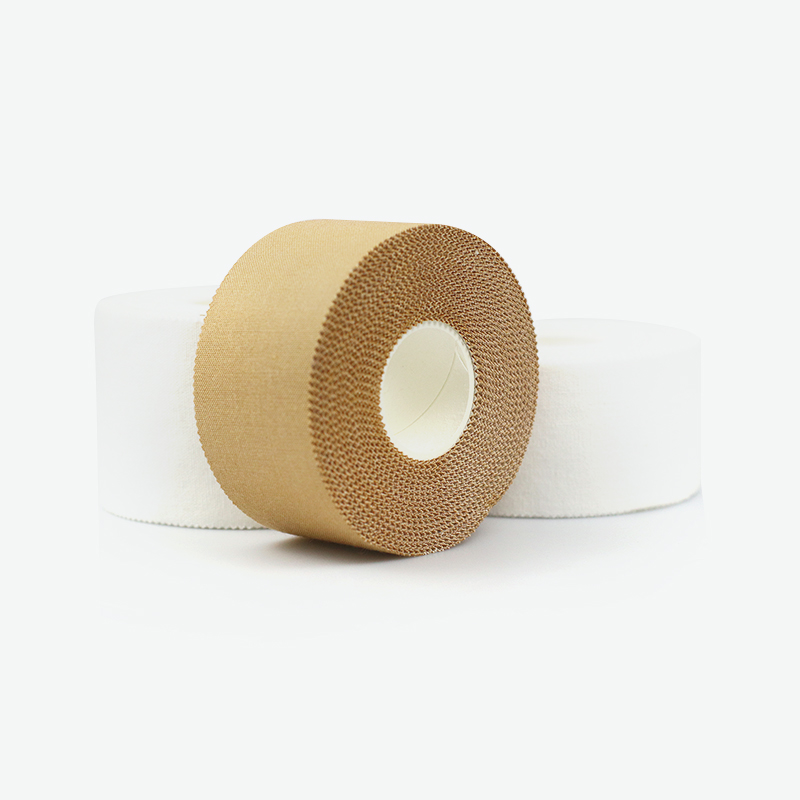
An Eab Bandage Factory in China manufactures elastic adhesive bandages that combine elasticity with cohesive properties. These bandages are designed to provide support for joints, secure dressings, and serve various medical or sports purposes. One notable characteristic is the material composition: a blend of cotton and elastic fibers creates a fabric that stretches evenly and returns to its original shape after use. The cohesive layer allows the bandage to adhere to itself without sticking to skin or hair, which simplifies application and adjustment. Bandages are produced in different widths and lengths, allowing them to fit both small joints, such as fingers and wrists, and larger areas, such as knees or elbows. The weave density and thickness are carefully controlled to ensure consistent compression and comfortable wear, while the edges are reinforced to prevent fraying and maintain structural integrity.
Another important feature is the adaptability and performance of the bandage. EAB bandages conform closely to the contours of the body, providing stable support without restricting movement. Breathable fabrics are often incorporated to improve comfort during extended wear, making them suitable for athletic activities or prolonged medical use. The elasticity and cohesive properties allow repeated adjustments while retaining shape and adherence, which is particularly useful for rehabilitation or dynamic physical activities. In addition, some factories produce bandages with variations in texture, firmness, or elasticity to meet different functional requirements. Together, these characteristics—consistent elasticity, self-adhesion, material durability, and adaptable sizing—define the practical advantages of EAB bandages and explain why they are widely used in both professional and personal applications.
Material composition is an important factor. Cotton and elastic fibers are blended to provide a fabric that stretches and recovers evenly after repeated use. The cohesive layer allows the bandage to adhere to itself without sticking to skin or hair. The thickness and weave density are adjusted according to intended use: finer weaves improve conformity for small joints, while wider weaves provide coverage and stability for larger body parts.
The manufacturing process combines automated equipment with human oversight. Machines handle yarn preparation, weaving, adhesive application, cutting, and rolling, ensuring consistent width and tension. Workers check for smooth edges, uniform adhesion, and even elasticity across each roll. Modular production lines allow different bandage sizes and types to be made simultaneously, offering flexibility for both retail and institutional orders.
Packaging is designed to support usability. Bandages may be individually wrapped or packaged in multi-unit sets. Labels indicate dimensions, material composition, and recommended use. Some factories provide private labeling, allowing distributors to customize the presentation while keeping the same manufacturing standards. This approach facilitates distribution across different markets.
Performance in various conditions is another consideration. Bandages maintain cohesion and elasticity during movement and under moisture. Breathable fabrics improve comfort during extended wear, while flexible designs allow the bandage to conform to joint contours. The combination of consistent stretch and cohesive adherence allows the bandage to be used repeatedly or adjusted as needed.
Operations are organized to maintain efficiency and product consistency. Separate work areas for weaving, adhesive application, inspection, and packaging help maintain uniform quality. Multiple checkpoints confirm elasticity, cohesion, and dimensions. Factories capable of producing a range of widths and lengths can meet diverse market needs while ensuring that each batch performs as expected.
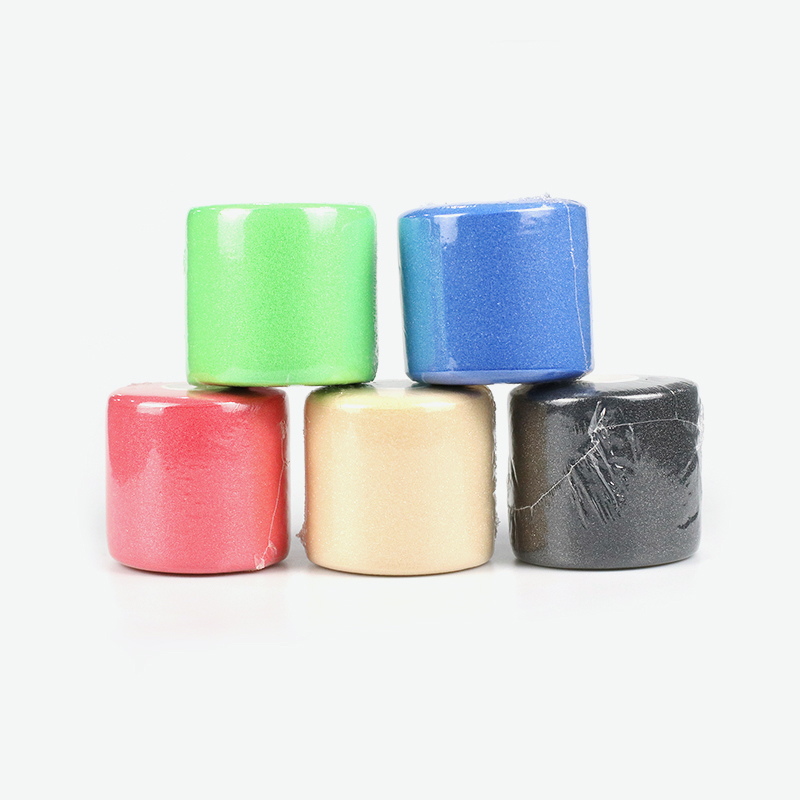
Product design also considers adaptability for different user scenarios. Bandages are available in a range of widths and lengths, and some versions use fabrics that improve breathability or compressibility. This allows for suitable options whether the bandage is used for medical purposes, athletic support, or general first aid.
In summary, an Eab Bandage Factory In China produces elastic adhesive bandages through careful material selection, controlled manufacturing processes, and attention to practical performance. These bandages are suitable for a variety of applications, providing consistent elasticity, flexible adhesion, and usability across different body areas.