

 English
 中文简体
中文简体
 Español
 عربى
عربى
 Français
 Português
Industry News
---Exploring the Production of First Aid Bandages
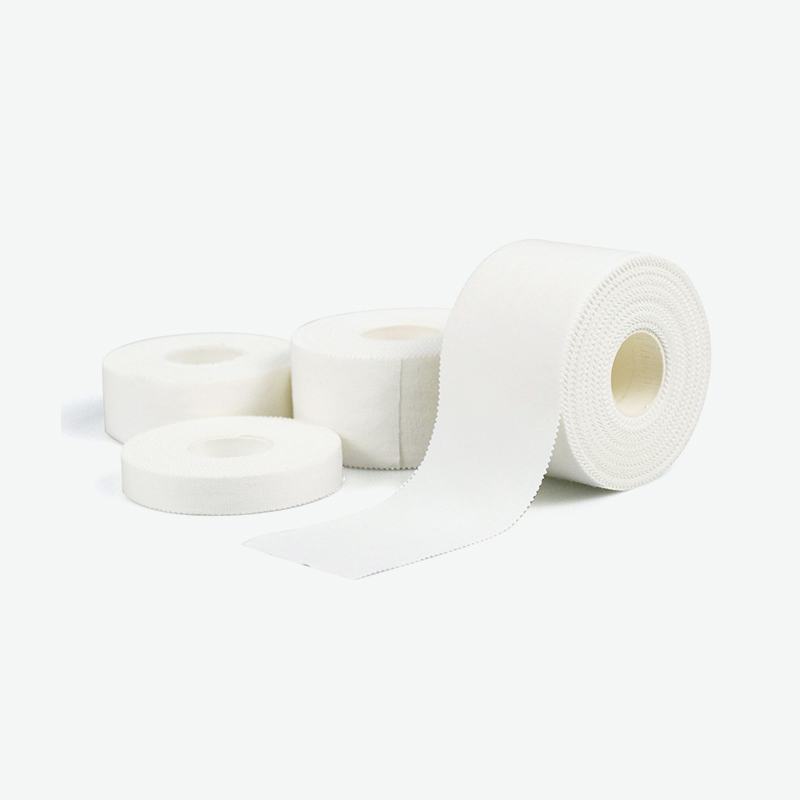
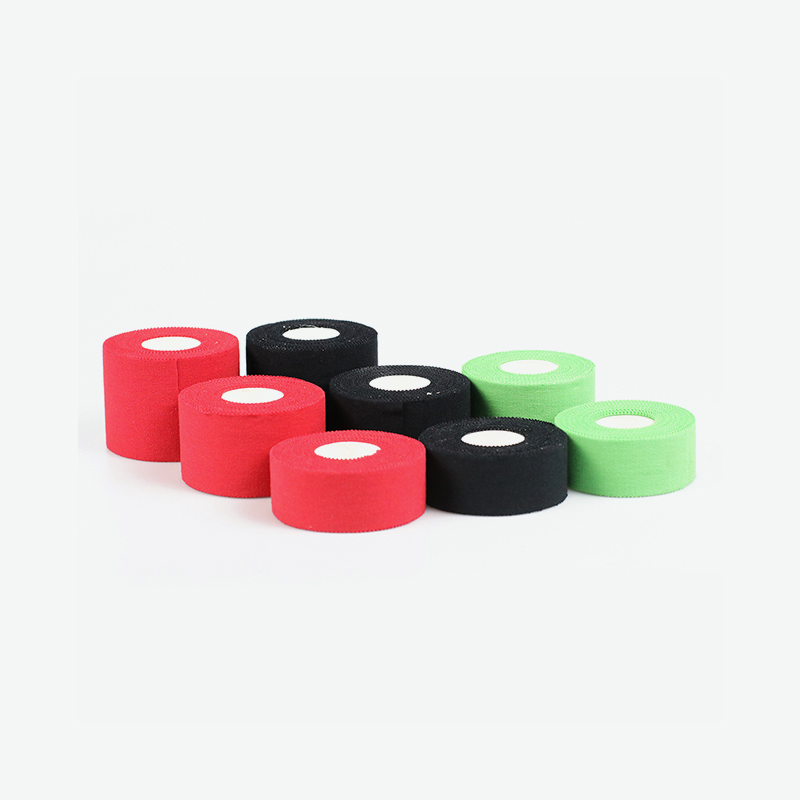
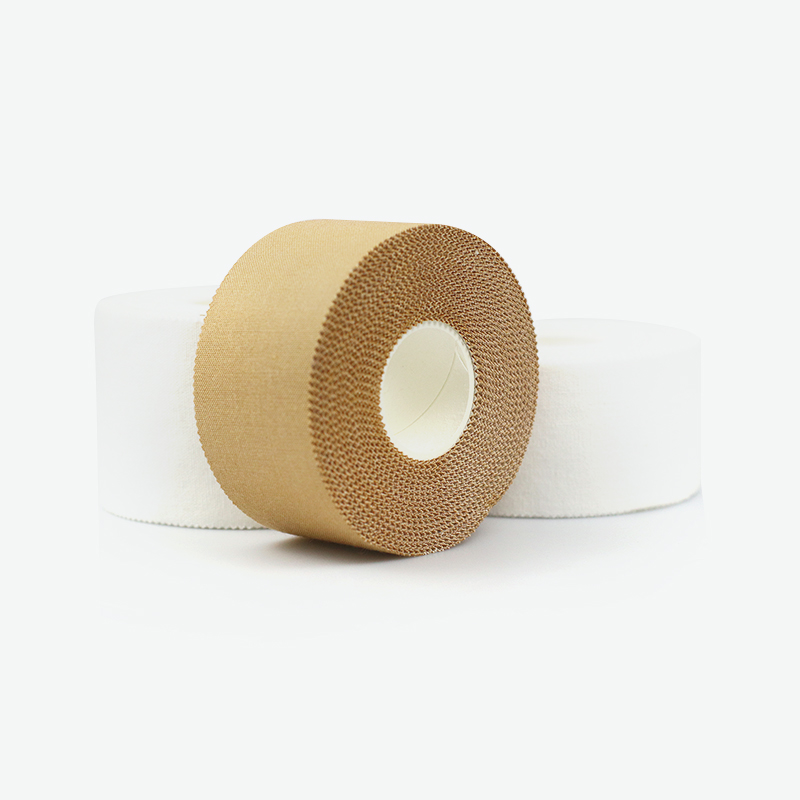
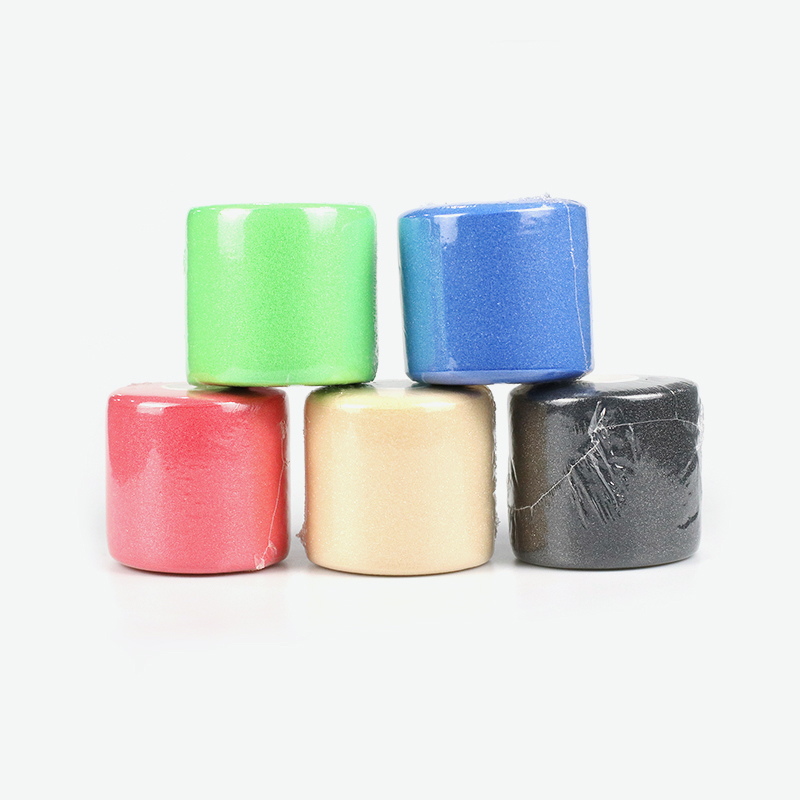
A First Aid Bandage Factory serves as the backbone of medical supply chains, producing bandages used in clinics, emergency kits, and sports facilities. The operation involves a combination of material selection, precise manufacturing, and quality control to ensure the final product meets functional and durability expectations. Bandages range from simple elastic wraps to advanced cohesive and adhesive designs, each tailored for specific scenarios such as dressing fixation or joint support.
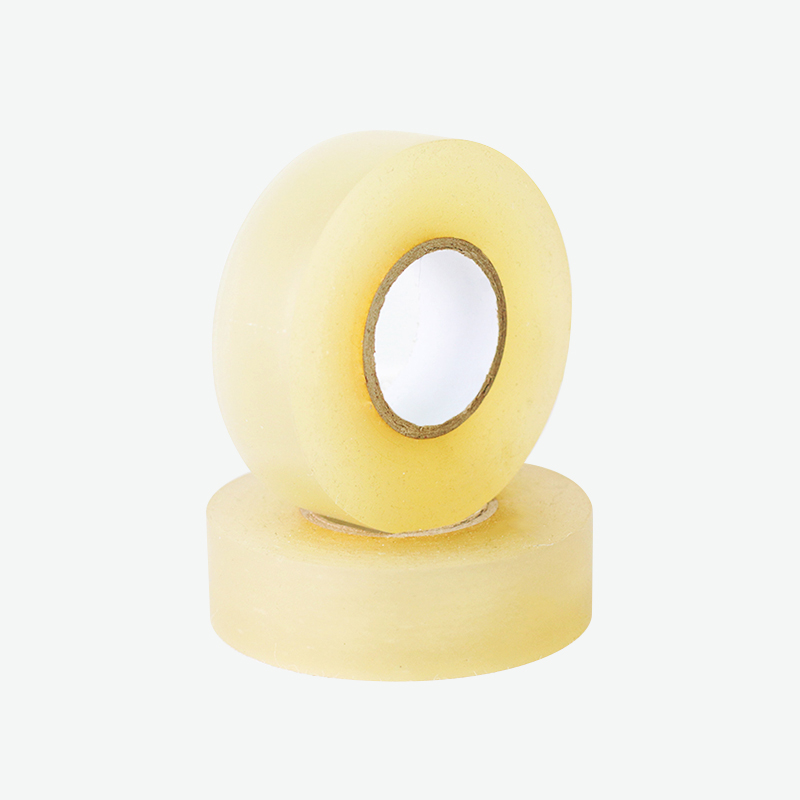
Material quality is a primary factor. High-grade cotton, polyester, and elastic fibers are combined to create bandages that maintain flexibility while providing gentle compression. The weave density and thread tension determine how well the bandage stretches and recovers. Uniform thickness across rolls and secure edges prevent fraying, ensuring a reliable product for multiple applications. For cohesive bandages, the adhesive or self-binding layer is carefully engineered to stick to itself without adhering to skin or hair, enhancing usability.
Production processes involve multiple steps, beginning with yarn preparation, weaving or knitting, cutting, and rolling. Modern factories employ automated machines for consistent tension and width control, but human oversight remains crucial for detecting imperfections. Some factories implement modular production lines to accommodate different bandage types, allowing simultaneous production of various widths, lengths, and materials. This flexibility helps meet diverse market requirements efficiently.
Packaging and labeling are also integral to factory operations. Bandages may be individually wrapped or packed in bulk for institutional orders. Clear labeling with dimensions, material composition, and intended use improves usability and reduces the risk of errors in medical or sports applications. Private labeling services enable brands to differentiate products in retail or corporate markets, while maintaining consistent quality across multiple production batches.
Quality control measures ensure that each batch performs as intended. Elastic recovery tests, stretch consistency checks, and inspection for frayed edges or uneven adhesive layers are common practices. Factories may also monitor the breathability of the bandage and its conformability to different body contours. These attributes are particularly important for athletic or rehabilitation use, where movement and comfort are critical.
Adaptability to user needs drives design decisions in modern first aid bandage factories. Bandages are made in varying widths and lengths to suit different body parts, and the material blend is optimized for specific uses. Breathable fabrics prevent overheating, while cohesive properties allow repeated wrapping and adjustment. Factories producing high-quality bandages consider both performance and user comfort, reflecting careful design and engineering at every step.
Operational efficiency is supported by workflow organization. Dividing production into specialized sections for weaving, cutting, quality inspection, and packaging helps maintain high output without compromising product consistency. Attention to detail, from edge reinforcement to smooth texture, ensures a bandage that performs reliably in both clinical and recreational environments. Flexibility in manufacturing and precise quality control make a First Aid Bandage Factory capable of serving multiple sectors effectively.
Frequently Asked Questions
Q1: What types of bandages are produced in a first aid bandage factory?
Elastic wraps, cohesive bandages, adhesive bandages, and dressing fixation materials.
Q2: How do factories maintain product quality?
Through precise weaving, controlled tension, quality inspections, and consistent material selection.
Q3: Can factories offer customized bandages?
Yes, private labeling, variable widths, lengths, and material options allow customization for different markets.