

 English
 中文简体
中文简体
 Español
 عربى
عربى
 Français
 Português
Industry News
A High Quality Elastic Bandage is an essential component in medical kits, athletic support, and rehabilitation applications. Its primary functions include stabilizing joints, securing dressings, and providing controlled compression to soft tissues. High-quality elastic bandages are defined not just by their appearance but by their material structure, elasticity, and adaptability to different use cases. Cotton and synthetic fiber blends are widely used to achieve both resilience and comfort, allowing the bandage to stretch while maintaining shape over repeated applications.
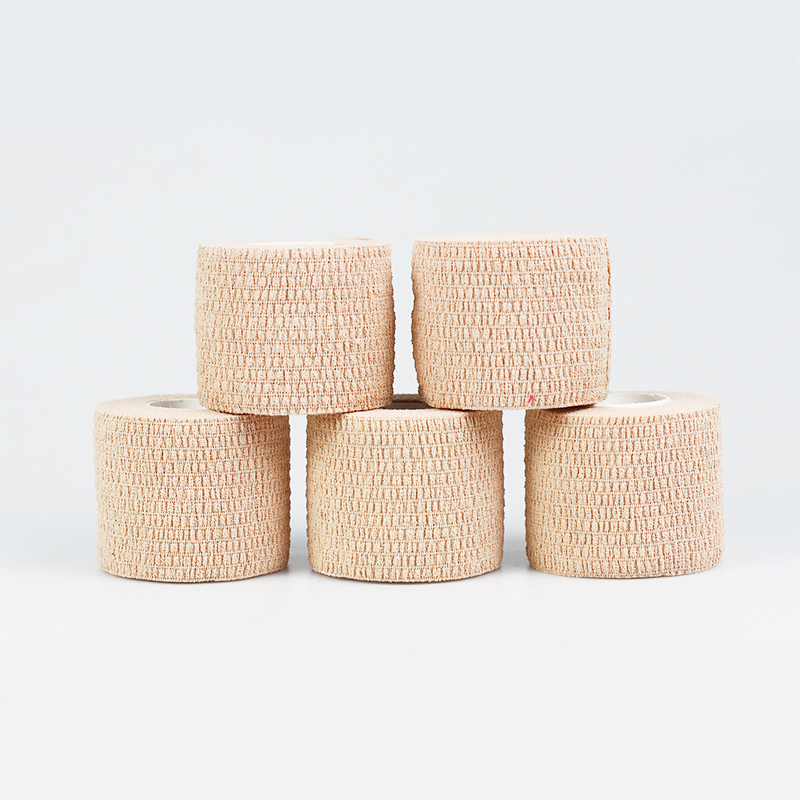
Elasticity and durability are critical factors. A bandage must provide firm support without restricting natural movement, ensuring it can be used for ankle, wrist, knee, or elbow support. If the fabric is too stiff, it can hinder mobility; if too loose, it fails to hold dressings or provide compression. The balance between stretch and recovery is carefully engineered in high-quality products, giving a consistent and reliable wrapping experience. Breathable materials are often integrated, allowing airflow to prevent skin irritation even during long periods of wear, such as during athletic training or extended rehabilitation sessions.
Adaptability and ease of use are also vital. Self-adhesive or cohesive designs allow the bandage to secure itself without pins or clips, simplifying application and removal. The width and length of the bandage influence versatility: narrow bandages suit smaller joints like fingers and wrists, while wider designs are used for larger areas like knees or thighs. The ability to conform evenly to the contours of the body while remaining snug enhances both comfort and functionality, especially during physical activity or repeated movement.
Durability extends beyond immediate elasticity. High-quality elastic bandages are designed to retain their properties after repeated stretching and handling. Some are washable and maintain their structure, which is particularly valuable in sports facilities, physical therapy centers, and multi-use emergency kits. Fabric texture, weave density, and thread quality contribute to long-term reliability, providing predictable performance in situations that require consistent support.
Another key element is performance in different environmental conditions. Bandages must maintain grip and stretch whether in dry, humid, or slightly damp conditions. Designs that prevent slipping and maintain form are preferred for athletic and outdoor use, while lighter, more breathable fabrics suit clinical and first aid applications. This adaptability ensures that the bandage can fulfill multiple roles without compromising comfort or stability.
High-quality elastic bandages also prioritize skin compatibility. Soft, smooth fibers prevent chafing and reduce the risk of irritation, while cohesive designs adhere to themselves without sticking to hair or skin. This feature enhances usability for both adults and children and makes the bandage suitable for extended wear during therapy or sports activities. These functional considerations reflect careful material selection and design thinking, emphasizing user comfort alongside performance.
In addition, manufacturing precision contributes significantly to the final product quality. Consistent width, uniform elasticity, and secure edges reduce the risk of fraying and uneven pressure. Products that demonstrate attention to these details offer a reliable wrapping experience, making them ideal for medical, sports, and personal use.
A High Quality Elastic Bandage is, therefore, not only a functional support tool but also a product designed with attention to durability, comfort, and adaptability. By combining well-engineered materials, consistent elasticity, and thoughtful usability features, these bandages meet the diverse needs of healthcare, sports, and emergency preparation scenarios.