

 English
 中文简体
中文简体
 Español
 عربى
عربى
 Français
 Português
Industry News
In sports settings and everyday movement, people often look for simple ways to keep certain areas supported without making the process too complicated. Materials that can stay in place without direct skin adhesion tend to be used in these situations.
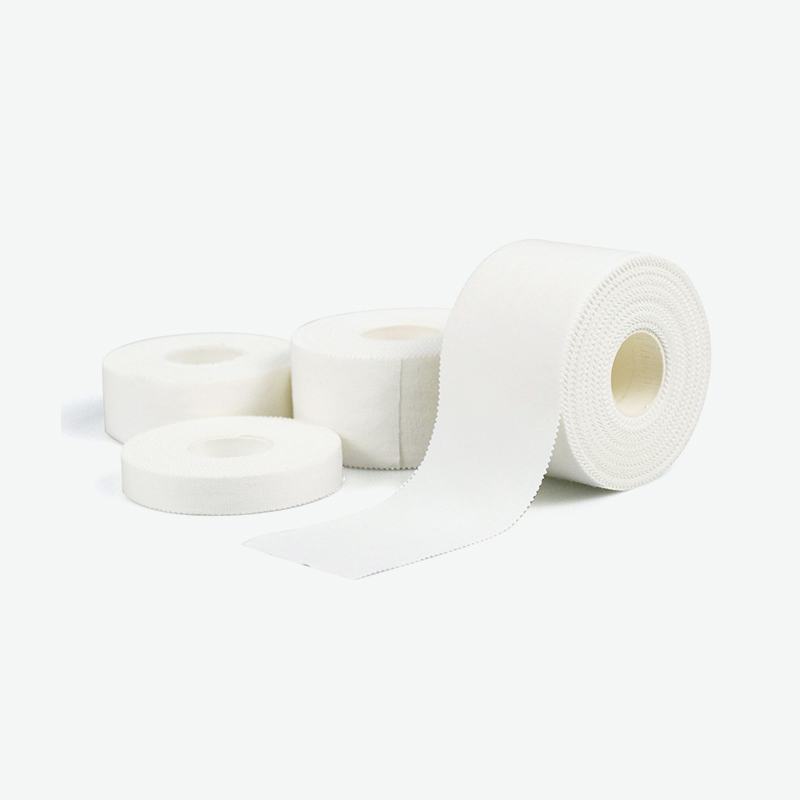
Cohesive tape appears in this space because of how it wraps onto itself and stays flexible during motion. It is not tied to a single application style, and in many cases, its use depends on how the body part moves rather than a fixed instruction.
Different users tend to apply it in routines involving activity, light strain, or temporary stabilization. The way it responds to motion is part of why it is commonly included in discussions around Cohesive Tape Uses.
What Are the Cohesive Tape Uses in Everyday and Sports Support
When looking at Cohesive Tape Uses, the focus is usually on how it fits into movement-based environments rather than one specific function.
In practical situations, it is applied in several ways that are shaped by activity level and body position:
- Wrapping areas that experience repeated motion during activity
- Holding light protective layers in place
- Supporting joints during routine movement
- Adding controlled structure during physical effort
- Assisting temporary support needs in training contexts
| Situation | Typical Application |
|---|---|
| Daily walking or light activity | Gentle wrapping for comfort and support |
| Training or sports movement | Structured wrapping for joint stability |
| Temporary strain support | Layered compression for short-term assistance |
| Protective layering use | Holding padding or wrap in place |
The same material may be adjusted depending on how much movement is involved, which makes its application relatively flexible across scenarios.
How Cohesive Tape Works Without Sticking to Skin or Hair
The behavior of cohesive tape is based on self-adherence rather than surface bonding. This means it connects with itself during wrapping, while avoiding direct attachment to skin or hair.
During use, each layer naturally holds onto the previous one. This creates a wrapped structure that can shift slightly with movement without coming apart easily.
In real application, this leads to a few noticeable characteristics:
- It can be removed without pulling on skin surfaces
- It usually does not leave noticeable residue
- It adjusts with joint bending instead of resisting it
- It can be rewrapped if positioning needs adjustment
Because of this behavior, it is often selected in situations where repeated adjustment or short-term use is expected.
How to Use Cohesive Tape for Ankle Sprain Wrapping Step by Step Guide
Ankle wrapping is one of the more common application scenarios, mainly because this area experiences frequent movement changes during walking and activity.
In practice, application usually starts with positioning the foot in a relaxed angle. This helps reduce unnecessary tension during wrapping.
The tape is then placed around the lower section in overlapping layers. Each layer builds on the previous one, forming a structured but flexible hold.
During application, attention is often given to:
- Keeping pressure consistent around curved surfaces
- Avoiding overly tight wrapping that may limit comfort
- Allowing natural bending points to remain flexible
In many cases, users adjust the tightness depending on activity level rather than following a fixed pattern. This flexibility is part of how Cohesive Tape Uses are adapted in real movement situations.
Which Cohesive Tape Uses Are Suitable for Compression Support
Compression use is generally related to situations where a light level of pressure is applied across a moving area. The effect depends heavily on how the tape is wrapped rather than the material itself.
In practical environments, it is often applied in cases such as:
- Supporting muscles during repetitive movement
- Stabilizing joints during physical activity
- Providing temporary external structure after strain
- Holding protective layers in place during motion
The level of compression is not fixed and may vary depending on how tightly each layer is placed. In many situations, users adjust it during application based on comfort and movement response.
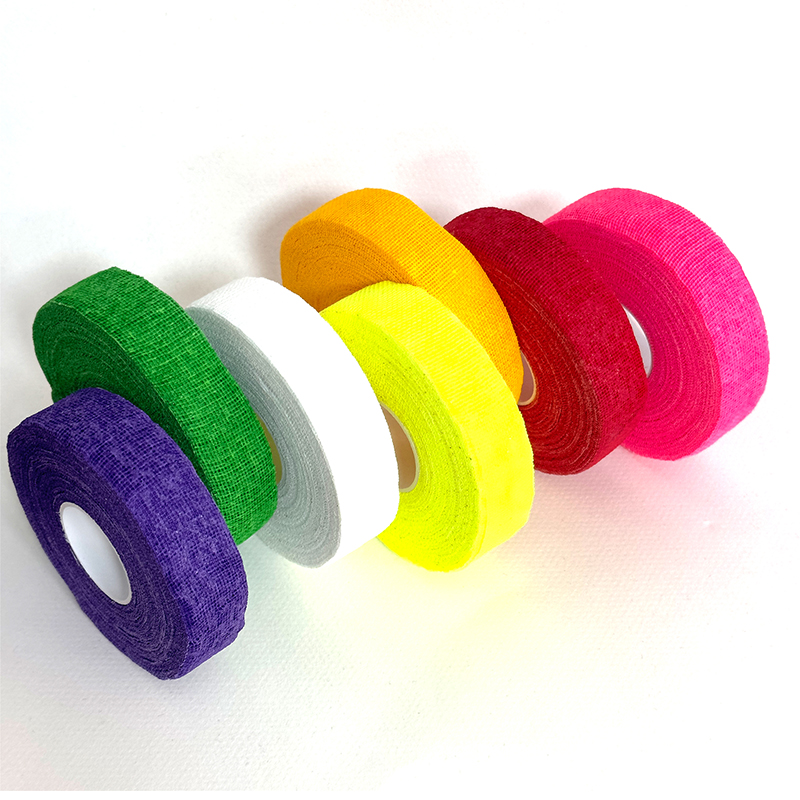
Why Cohesive Tape Is Commonly Used for Sports Injury Care
In sports settings, support needs often show up suddenly. A joint may feel unstable, a small strain may appear during movement, or a wrap may be needed to hold protection in place. In those moments, people usually look for something that can be applied without adding extra friction to the skin.
That is one reason cohesive tape is used so often in activity-based care. It can be placed in a way that follows movement rather than fighting against it. For short-term support, that matters more than a rigid feel.
A few practical reasons often come up:
- It can be wrapped quickly during activity breaks
- It tends to stay in place during repeated motion
- It can support an area without direct skin sticking
- It is often used when comfort and flexibility both matter
In real use, the choice is usually tied to the situation itself. A quick wrap before training is not handled the same way as a wrap used after a minor strain. That is where Cohesive Tape Uses start to feel more practical than theoretical.
Where Cohesive Tape Can Be Applied for Joint Protection
The placement of the tape depends on which part of the body is under repeated movement. Some areas bend often, some twist more easily, and some need a light hold rather than a firm one. That is why application is usually shaped by the joint rather than by a fixed routine.
| Area | Common Use Situation |
|---|---|
| Ankle | Support during walking, running, or quick direction changes |
| Wrist | Light hold during lifting or repetitive hand use |
| Knee | Added structure during movement or physical activity |
| Finger | Short wraps for small-area support or protection |
The same wrapping style does not always work everywhere. A wrist may need a lighter touch, while an ankle may need more layered coverage. In practice, users often adjust the wrap based on how much bending or pressure the area takes during the day.
That is also why Cohesive Tape Uses are often discussed in relation to joint protection rather than general wrapping. The point is not only to cover an area, but to match how that area moves.
How to Keep Cohesive Tape Stable During Sweaty Exercise
Sweaty exercise changes how a wrap feels and how it holds. A tape that seems secure at rest may loosen once movement becomes more active. In outdoor training, the surface can also become warmer and more damp, which changes the way the wrap settles.
Stability is usually helped by careful application rather than force. Too much tension may create discomfort. Too little may allow the layers to shift. The middle ground is often where the tape feels more usable.
A few habits usually help:
- Start with clean and dry skin when possible
- Keep the wrap smooth as it is placed
- Overlap the layers in a steady rhythm
- Check the edge areas, since they tend to lift first
- Rewrap if the tape starts to slide during movement
Some users also adjust the wrap after a short period of activity, especially when the body warms up. That kind of small correction is often more realistic than trying to make the first wrap do everything.
In this setting, Cohesive Tape Uses are less about appearance and more about how well the wrap holds while the body is moving.
Tips for Choosing Cohesive Tape for Comfortable Wrapping
Comfort matters more than many people expect. A wrap that feels fine at first can become distracting once movement continues. The choice is often shaped by how the material feels during bending, how easily it can be handled, and how much adjustment the user expects.
The selection process is usually simple, but it still benefits from attention:
- Pick a width that matches the body area
- Choose a texture that feels manageable during wrapping
- Look for a wrap that stays flexible during motion
- Keep the intended use in mind, since a light hold and a more structured hold are not the same
People often assume that a tighter wrap means a better result, but that is not always how it works. A wrap that is too firm may become uncomfortable, while one that is too loose may shift too easily. The more practical approach is usually to match the wrap to the movement pattern.
For that reason, Cohesive Tape Uses are often tied to comfort, control, and ease of handling at the same time. When those three stay in balance, the wrap tends to feel more dependable in daily use.