

 English
 中文简体
中文简体
 Español
 عربى
عربى
 Français
 Português
Industry News
A Self Adhesive Bandage For Medical is designed to provide flexible support, secure dressings, and accommodate different body areas while simplifying application. Unlike traditional bandages that require clips, pins, or tapes, self-adhesive bandages adhere only to themselves, which allows them to adjust naturally to movement without leaving residue on skin or hair. The key features include material composition, elasticity, surface cohesion, and adaptability to various medical, athletic, and home scenarios.
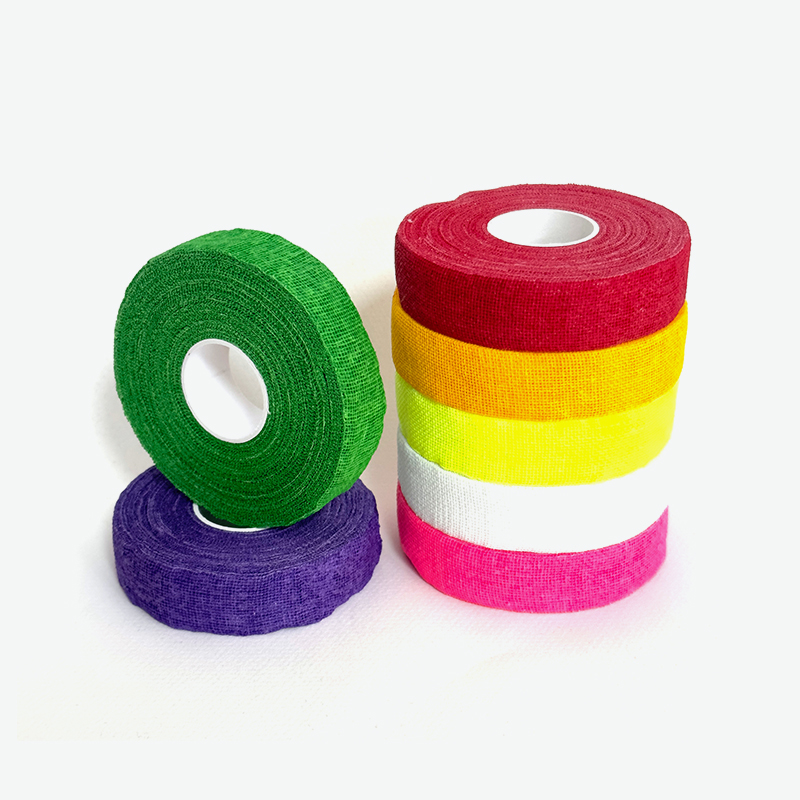
The material blend forms the foundation of the bandage’s performance. Most self-adhesive bandages combine elastic threads with a cohesive surface, balancing stretch with gentle compression. Elastic threads ensure the bandage can conform to joints or limbs while maintaining tension, whereas the cohesive layer secures the wrap without external fasteners. The width and length of the bandage are available in multiple options, ranging from narrow rolls for fingers or wrists to wider versions for knees or shoulders. The fabric texture is smooth and breathable, which improves comfort during prolonged wear and reduces heat or moisture buildup.
Another important feature is the adaptability of self-adhesive bandages. Their cohesive design allows repeated adjustments while maintaining shape and compression, making them suitable for situations that require frequent repositioning. The bandage can secure gauze or dressing pads, provide light support for minor strains, and stabilize joints during low-activity periods. Flexibility in design ensures the bandage conforms to the contours of the body, delivering consistent coverage without restricting mobility. Some variants are produced with higher elasticity or denser fabric weaves to meet specific functional needs.
Durability and consistency are incorporated during manufacturing. Bandages are engineered to maintain elasticity and cohesion after multiple stretches or wraps. Edge finishing and uniform thickness ensure the wrap remains smooth and comfortable, reducing the likelihood of skin irritation or chafing. Breathable materials contribute to longer wearability, which is especially useful in athletic or rehabilitation environments. These characteristics allow the bandage to perform reliably in various settings, from clinical applications to sports support and home use.
Packaging and presentation are also part of the design considerations. Self-adhesive bandages are often individually wrapped to preserve hygiene or included in multi-unit kits for first aid or athletic training. Labels indicate dimensions, material composition, and primary use cases, which helps users select the appropriate product for their needs. Some manufacturers offer sets with multiple widths or lengths, providing versatility for different applications and simplifying inventory management for both home and professional settings.
Skin compatibility and comfort are central to the bandage’s design. Soft fibers prevent irritation, while the cohesive surface ensures adherence without sticking to hair or sensitive areas. This makes the bandage suitable for children, adults, and patients with delicate skin. The combination of consistent elasticity, self-adhesion, and breathable material allows the bandage to remain functional during movement and extended wear, enhancing usability in both medical and non-medical scenarios.
In summary, a Self Adhesive Bandage For Medical is defined by its elastic and cohesive properties, adaptable sizing, durable materials, and user-friendly design. These features support a wide range of applications, from securing dressings to providing light compression or joint stabilization, making it a practical and versatile option in multiple settings.
Frequently Asked Questions
Q1: What makes a self-adhesive bandage different from regular bandages?
It adheres to itself without pins or clips, allowing repeated adjustments and consistent compression.
Q2: Which body parts are suitable for self-adhesive bandages?
They can be applied to fingers, wrists, elbows, knees, and larger limbs, depending on width and length.
Q3: How is comfort ensured during use?
Smooth fabric, cohesive surface, breathable material, and uniform elasticity all contribute to comfort and wearability.