

 English
 中文简体
 Español
 عربى
 Français
 Português
Industry News
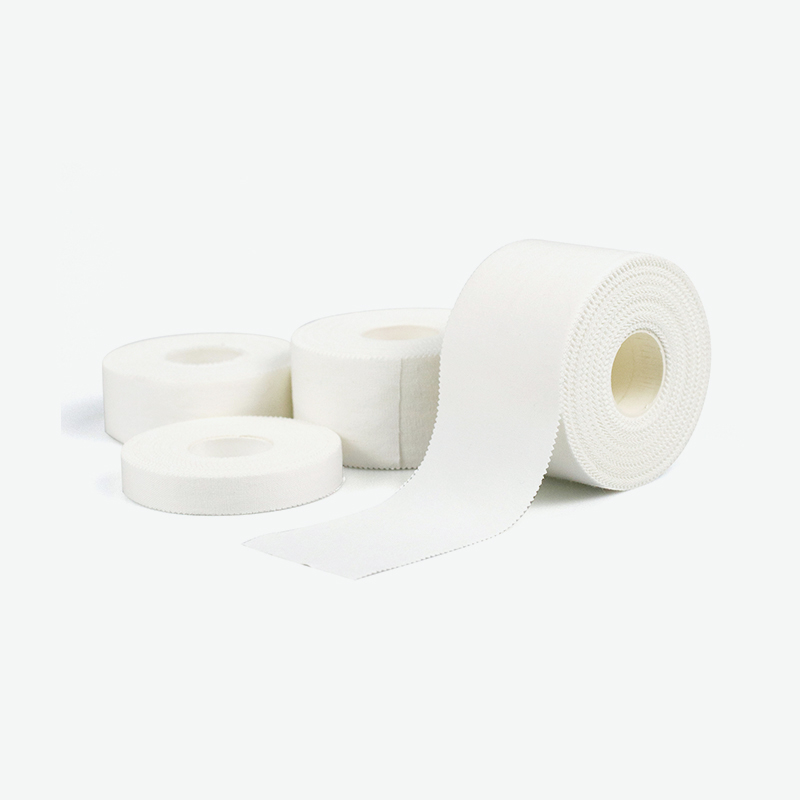
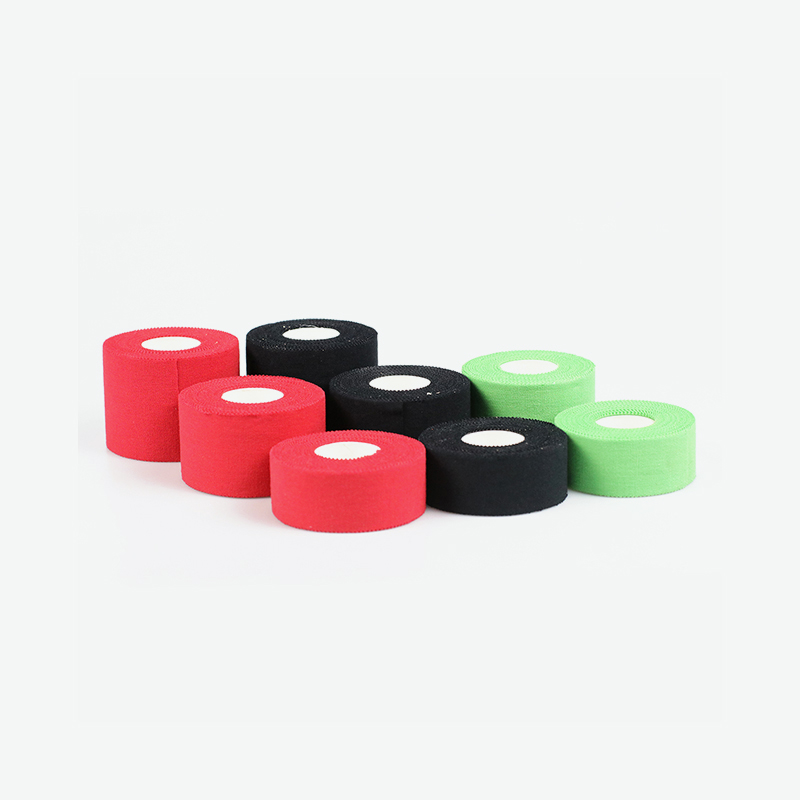
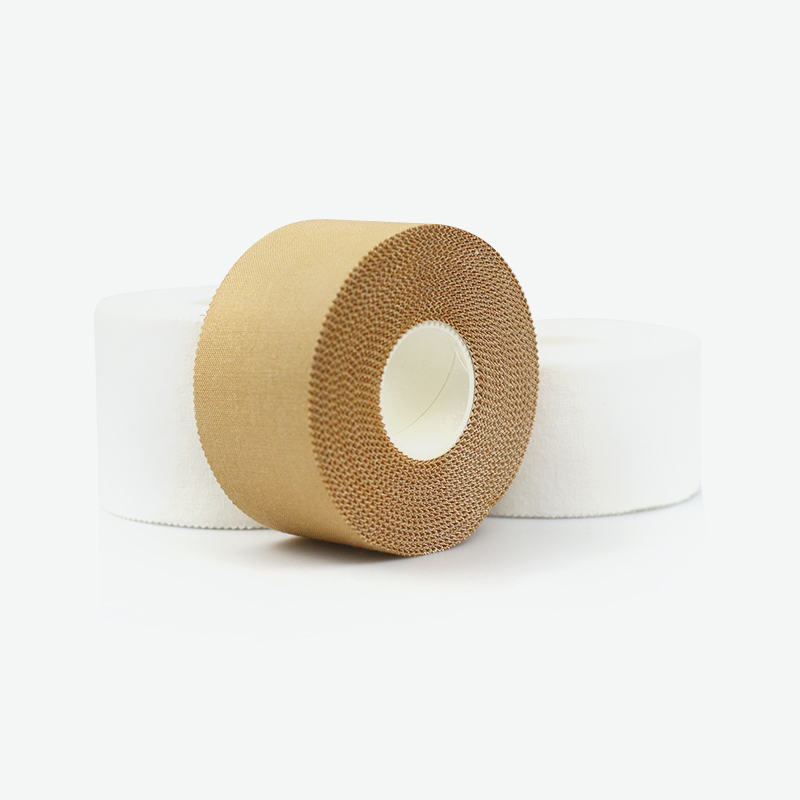
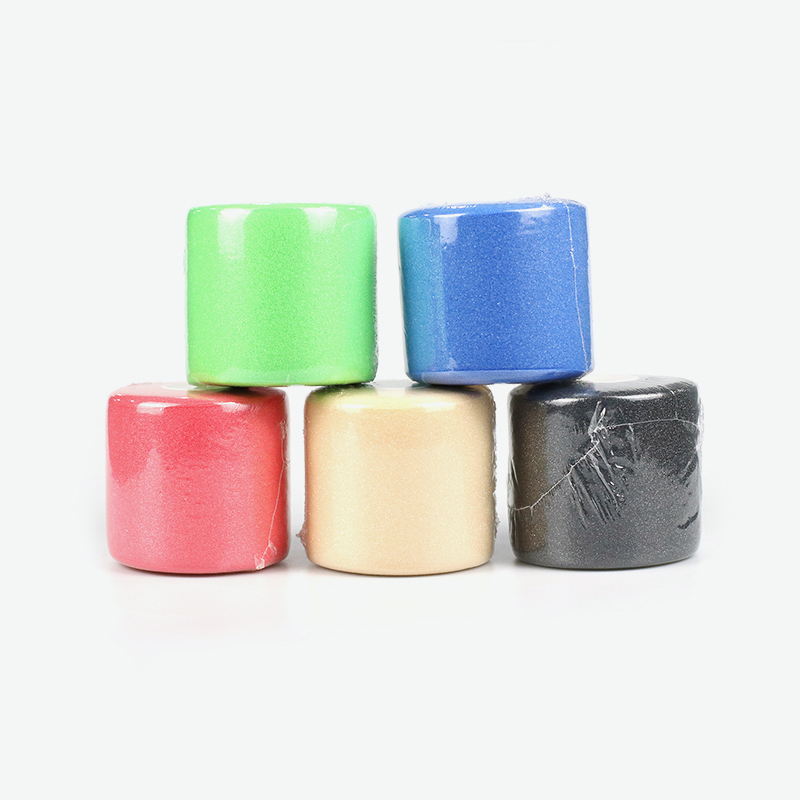
Sport tape turns up everywhere athletes gather. Training rooms, gyms, clubs, rehab settings, and outdoor sessions all use it. Most people link it to supporting joints or protecting skin, but its uses go well beyond one sport or one kind of athlete.
Every sport asks something different of the body. A runner wants comfort over thousands of repeated strides. A weightlifter needs tape that stays put through heavy sessions. A climber wants protection from friction. A ball player wants tape that goes on and comes off easily between sessions.
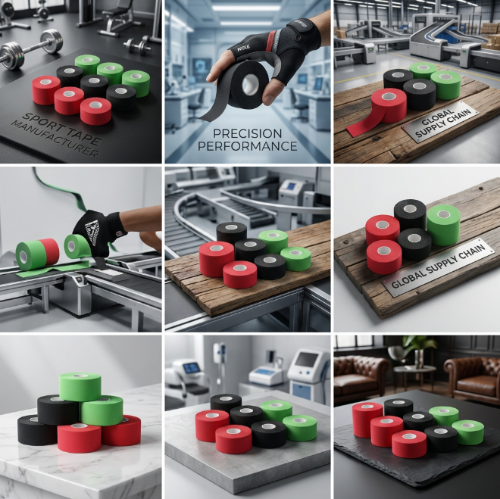
Those differences change how manufacturers think. One product for every situation no longer works. Material choice, adhesive properties, fabric structure, width, and packaging can all be tuned for specific users.
Specialized needs also shape development. Manufacturing decisions now tie closely to the intended activity, the application method, and the user experience. That raises a real question: can sport tape manufacturing keep up with the shifting demands of different sports and still deliver consistent quality?
Why Do Different Sports Require Different Types of Sport Tape?
Sports differ in movement, environment, and physical demand. Athletes using similar protective products can have very different needs.
In running, repeated motion and long skin contact come first. The tape should stay comfortable for a whole session without irritating the skin. Sweat and friction change how it feels and how well it holds.
In weight training, hands and fingers rub against equipment again and again. Some athletes tape those areas to cover friction points or to put a layer between skin and gear. Texture, flexibility, and application method all affect whether a tape works.
Climbing adds its own conditions. Climbers wrap fingers and other areas that touch rough surfaces. The tape must move with the hand and shouldn't add bulk that interferes with grip or positioning.
Team sports like basketball, volleyball, football, and tennis involve quick direction changes, jumping, catching, and throwing. Athletes want tape that moves with them and stays comfortable.
Outdoor sports bring the weather into it. Moisture, temperature swings, dust, and long exposure all shape the experience.
So sport tape isn't a one-size-fits-all product. Manufacturers have to understand the application before they pick materials and construction features.
Specialization doesn't require a separate manufacturing system for each sport. Often a tweak to the material combination, adhesive formula, dimensions, or packaging covers the different preferences.
How Does Material Selection Influence Sport Tape Development?
Material selection is one of the biggest decisions in making sport tape. It sets how the tape feels, stretches, sticks, and handles repeated movement.
Many tapes use fabric. Cotton has a soft feel and suits everyday athletic use. Other textiles are chosen for flexibility, surface character, or how well they accommodate movement.
Elastic materials form another key category. Elastic tape stretches and returns toward its original form, so it follows the body more closely than rigid tape.
Non-elastic tape does a different job. It gives a more stable structure with less stretch. Which one fits depends on the application and how the tape is applied.
The adhesive matters just as much. It has to bond to the intended surface while staying comfortable, coping with moisture, and coming off acceptably. It decides whether the tape feels secure in motion or becomes a nuisance over time.
Manufacturers weigh several characteristics during development:
- Flexibility: How the material responds to movement and bending.
- Surface texture: How the tape feels against skin or in the hand.
- Breathability: How well air passes through the structure.
- Adhesion: How the adhesive bonds to the application surface.
- Moisture response: How the tape behaves with sweat or humidity.
- Removal experience: How easily the tape comes off without undue discomfort.
These traits are linked, but they don't all improve together. Strong adhesion may mean a harsher removal than a gentle-contact tape. A highly flexible fabric behaves differently from a stable one.
Manufacturers have to balance the properties instead of chasing one feature. The material should match the intended use and the experience users expect.
Can Sport Tape Manufacturing Adapt to Different Movement Patterns?
Movement drives product design. Tape sits on areas that bend, stretch, twist, or take repeated contact. How it responds to that motion decides its comfort and usefulness.
A flexible tape suits places where the body moves often. It follows position changes without feeling restrictive. That matters in running, tennis, gymnastics, and team sports.
Other applications need the tape itself to move less. Users in those cases prefer a more stable structure. The choice depends on the application, the body area, and personal preference.
Manufacturers handle these differences through material construction and product design.
Fabric structure controls how the tape stretches in different directions. Some materials stretch along one direction. Others give in more than one. That affects how the tape is applied and how it responds to the body.
Cutting and dimensions count too. Narrow tape fits small areas, and wider formats cover larger surfaces. Shapes can also match particular application habits.
The manufacturing process has to hold these characteristics across the finished product. Uneven fabric tension, patchy adhesive, or poor cutting changes how the tape behaves.
That's why development and production control go hand in hand. A design can look right on paper, yet real use depends on how consistently the material and adhesive are made.
How Do Adhesive Properties Affect Athletic Use?
Adhesion is the quality users notice first. They judge a tape by how it attaches, how long it stays, and how it feels coming off.
Athletic activity is tough on adhesives. Sweat, movement, friction, and contact with clothing or equipment all affect performance. A tape for a short session faces different demands than one worn through a long event.
Manufacturers must weigh adhesive strength against skin comfort. Strong adhesion doesn't make a tape right for every user. Skin sensitivity, application location, wear time, and removal method all shape the experience.
Adhesive formulas are developed with different goals. Some aim to hold firm during movement. Others put more weight on easier removal or a particular skin-contact feel.
Application of the adhesive matters as well. It has to be spread evenly across the material. An uneven coat creates differences in adhesion and affects how the finished tape looks.
Development often includes testing how the adhesive behaves under varied conditions. Those tests show manufacturers how moisture, handling, storage, and application affect the product.
Athletes need practical guidance too. Apply tape as intended. Keep it off damaged skin. Take it off if irritation or discomfort appears.
Clear product information about intended applications, material composition, and handling supports informed use.
How Can Sport Tape Manufacturers Develop More Specialized Products?
Specialization starts with the user. Manufacturers need to know what the target customer values and how the product will be used.
That means studying common application practices, collecting feedback from sports professionals, reviewing material preferences, and testing products under relevant conditions.
Development usually follows these steps.
Understanding the application
Identify the sport, body area, and intended use. That shows whether the product should prioritize flexibility, surface protection, adhesion, ease of handling, or something else.
Selecting suitable materials
Choose fabric, adhesive, and backing to fit the purpose. Compatibility matters because components influence one another in production and in use.
Developing product dimensions
Adjust width, length, roll format, and cutting options. Smaller formats suit specific body areas. Larger rolls suit regular training or professional use.
Testing product behavior
Evaluate samples for appearance, adhesion, flexibility, handling, and other characteristics. Testing shows whether the product matches its design.
Refining the production process
Once the sample is approved, review manufacturing conditions to keep output consistent. That can mean adjusting adhesive coating, fabric handling, cutting, winding, and packaging.
Specialization doesn't always mean a brand-new product. Sometimes a small design change makes a product more convenient for one user group.
A manufacturer might offer different roll widths for different habits, or change the fabric structure to alter flexibility. Packaging can be adapted for sports clubs, distributors, retailers, or individual users.
The challenge is making these changes without piling needless complexity onto production.
What Role Does Quality Control Play in Sport Tape Manufacturing?
The more specialized the range, the more quality control matters. Different material combinations, dimensions, adhesive traits, and packaging formats each need clear production requirements.
Control starts with incoming materials. Check fabrics, adhesives, liners, and packaging against the product specification.
During production, manufacturers watch adhesive coating, material alignment, cutting accuracy, and roll formation. These steps shape how the finished tape looks and performs.
Adhesive coating deserves the closest look. An uneven coat makes the tape behave differently across its surface, which affects handling and attachment.
Cutting quality matters too. Ragged edges, distorted material, or poor alignment make the tape hard to apply and hurt its look.
Finished rolls get inspected for defects and proper packaging. Packaging protects the tape in storage and transport. It also carries product information, intended use, and handling instructions.
A quality process typically covers these stages:
| Manufacturing Stage | Quality Control Focus |
|---|---|
| Material receiving | Material condition, composition, and consistency |
| Adhesive preparation | Suitable formulation and mixing condition |
| Coating | Even adhesive distribution |
| Fabric processing | Alignment and material handling |
| Cutting | Product dimensions and edge condition |
| Winding | Roll formation and handling |
| Packaging | Product protection, labeling, and presentation |
| Finished product inspection | Appearance, adhesion, and consistency |
Tie quality control to the real product requirements. A tape for one application needs different evaluation criteria from another.
Production records help too. When inspection finds a defect, the team can trace the process and look for causes.
Can Customization Help Sport Tape Manufacturers Serve Different Markets?
Customization matters more and more in B2B sport tape manufacturing. Buyers include sports brands, distributors, fitness businesses, medical supply companies, retailers, and organizations that want their own labels.
Their needs vary. Some care most about dimensions and material traits. Others need specific packaging, labeling, roll formats, or private label arrangements.
Manufacturers meet these needs through several kinds of customization.
Material customization
Different fabric structures and adhesive combinations can be matched to specific applications. Base the choice on the intended use and the traits that must be preserved.
Size and format customization
Tape width, roll length, and packaging format can be adjusted to fit the buyer's range or distribution needs.
Packaging customization
Packaging can carry product information, instructions, brand identity, and other buyer requirements. Keep the design clear and practical for storage and use.
Private label production
Some buyers want to sell sport tape under their own brand. That involves coordinating specifications, packaging design, labeling, and production planning.
Customization depends on good communication. Buyers should state the target market, intended application, product preferences, packaging needs, and compliance expectations.
Manufacturers must judge whether a requested design can be produced consistently. Don't build a custom product around appearance alone. Material suitability, manufacturing feasibility, and testing count just as much.
What Should Buyers Consider When Choosing a Sport Tape Manufacturer ?
Picking a manufacturer takes more than flipping through catalogs. Buyers need to know whether the supplier can make the tape they want and keep it consistent across repeat orders.
Material knowledge comes first. A good manufacturer explains the fabrics, adhesives, and other materials in its products. That tells buyers whether a product fits their application.
Production capability matters next. Buyers may want different widths, adhesive options, packaging formats, or custom products. Find out how the manufacturer handles development and whether its process can meet those needs.
Samples are the practical test. Check material feel, adhesion, flexibility, dimensions, and packaging before you commit.
Communication counts as well. Clear talks about specifications, order requirements, quality inspection, packaging, and delivery prevent misunderstandings.
Buyers can also ask:
- Does the manufacturer offer the relevant sport tape categories?
- Are material and product specifications clearly documented?
- Are samples available for evaluation?
- Can customization requirements be discussed?
- Are quality inspection procedures established?
- Can packaging and labeling meet market requirements?
- Does the manufacturer communicate clearly about production and order handling?
Every buyer is different. A sports retailer may care most about range and packaging. A distributor may watch production consistency and supply planning. A private label customer needs closer coordination during development.
Sport tape manufacturing keeps responding to these needs through material development, product design, and production adjustments. As athletic activities diversify, manufacturers have room to build products for more specific uses, with a steady focus on usability, consistency, and honest product information.
FAQs About Sport Tape Manufacturing
What types of sport tape can manufacturers produce?
Elastic kinesiology tape, non-elastic athletic tape, finger tape, protective tape, and other products made for different sports and applications.
How do sport tape manufacturers choose materials?
They weigh flexibility, adhesive properties, breathability, skin contact, moisture exposure, and the intended application when selecting fabrics and adhesives.
Can sport tape manufacturers customize tape width and length?
Yes. Some offer customization of width, roll length, product format, and packaging, depending on buyer requirements and production capability.
What is the difference between elastic and non-elastic sport tape?
Elastic tape stretches and moves with the body. Non-elastic tape gives a more stable structure with limited stretch. The right one depends on the user's needs and the product design.
How does adhesive quality affect sport tape?
Adhesive properties shape attachment, handling, wear experience, and removal. Manufacturers balance adhesion against skin comfort and consider how sweat and movement affect use.
Can sport tape manufacturers provide private label products?
Some do. Buyers can discuss branding, packaging, labeling, material selection, and specifications based on the manufacturer's capabilities.
How do manufacturers maintain sport tape quality?
Typical checks include material inspection, adhesive coating, cutting accuracy, roll inspection, packaging review, and finished product evaluation.
What should buyers consider when sourcing sport tape?
Review material characteristics, product specifications, sample quality, customization options, manufacturing capability, packaging requirements, quality control procedures, and communication during order processing.