

 English
 中文简体
中文简体
 Español
 عربى
عربى
 Français
 Português
Industry News
Adhesive bandages are small but essential products in everyday life, and the role of an Adhesive Bandage Supplier is central to ensuring they are available for various uses. These suppliers manage the production, packaging, and distribution of adhesive bandages, providing different sizes, materials, and designs to meet the needs of retailers, institutions, and consumers. From standard rectangular strips to flexible designs for joints and fingers, adhesive bandages are manufactured to suit different situations and preferences. Their versatility has made them common in homes, workplaces, schools, and travel kits.
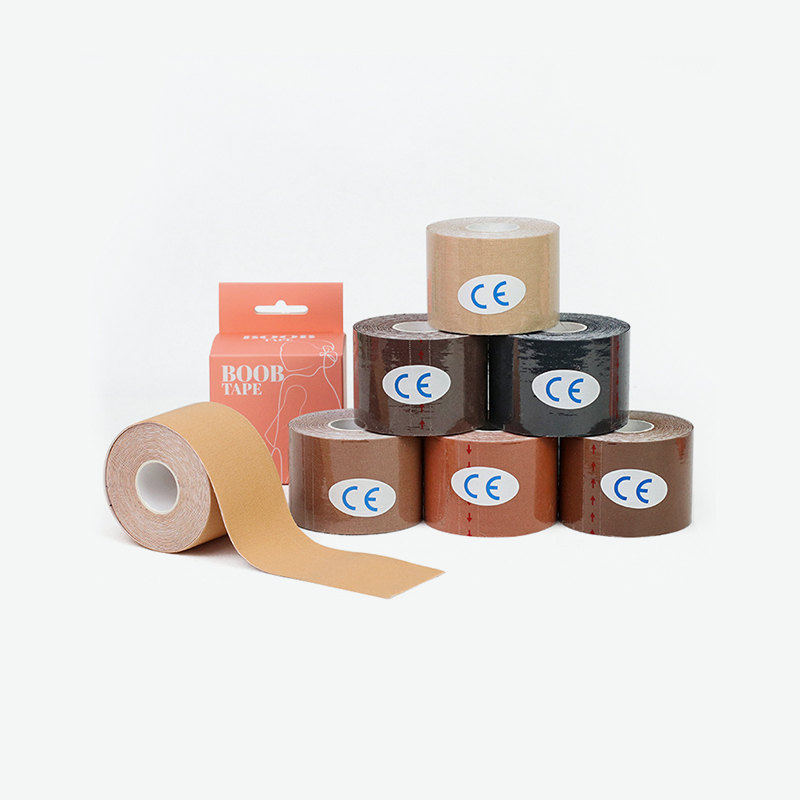
The production process of adhesive bandages involves combining a soft backing material with an adhesive layer and a protective release liner. Some bandages include a small absorbent pad at the center, while others are fully flexible to fit around curves and joints. Suppliers often maintain multiple production lines to produce these variations efficiently, ensuring consistent quality across batches. They also monitor raw materials to make sure the adhesive and backing meet functional requirements and handling standards.
Packaging is another key aspect that suppliers focus on. Adhesive bandages can be individually wrapped, bundled in boxes, or included in multipacks for convenience. Clear labeling, instructions for use, and size information are important features that suppliers incorporate to help users select the right bandage for their needs. Some suppliers also provide eco-friendly packaging options, which appeal to buyers who prioritize sustainability.
Suppliers also manage storage and logistics to make adhesive bandages widely available. Warehouses are organized to store large quantities safely, while distribution networks ensure timely delivery to retailers and online platforms. Many suppliers handle both domestic and international orders, coordinating shipments to reach buyers efficiently and reducing delays.
Adhesive bandage suppliers also respond to specific requests from buyers. Some retailers or institutions prefer custom packaging, bulk quantities, or particular sizes to suit their customers. Suppliers capable of offering flexible options can serve a broader range of clients, from small shops to large distributors.
Digital platforms have become important tools for suppliers, allowing them to display product varieties, provide specifications, and communicate directly with buyers. Online catalogs make it easier to browse different types of adhesive bandages, compare options, and place orders efficiently. Some suppliers also share educational resources to help buyers understand product features and applications.
In summary, adhesive bandages are versatile products that require careful production, packaging, and distribution. The role of an Adhesive Bandage Supplier is to ensure these products are available in the right formats, sizes, and quantities, connecting manufacturers with the people and businesses that need them most. Their operations support the wide availability and convenience of adhesive bandages in everyday life.
FAQ
Q1: What types of adhesive bandages are commonly supplied?
Common types include standard strips, flexible designs for joints, waterproof bandages, and multi-size packs for general use.
Q2: How do suppliers package adhesive bandages?
They may wrap bandages individually, bundle them in boxes, or include them in multipacks for convenience and easy handling.
Q3: Can suppliers customize bandages?
Yes, many can provide custom packaging, sizes, or bulk orders to meet specific buyer needs.
Q4: Who typically buys from adhesive bandage suppliers?
Retailers, online stores, wholesalers, and institutions often source adhesive bandages from suppliers to keep them available for end-users.