

 English
 中文简体
中文简体
 Español
 عربى
عربى
 Français
 Português
Industry News
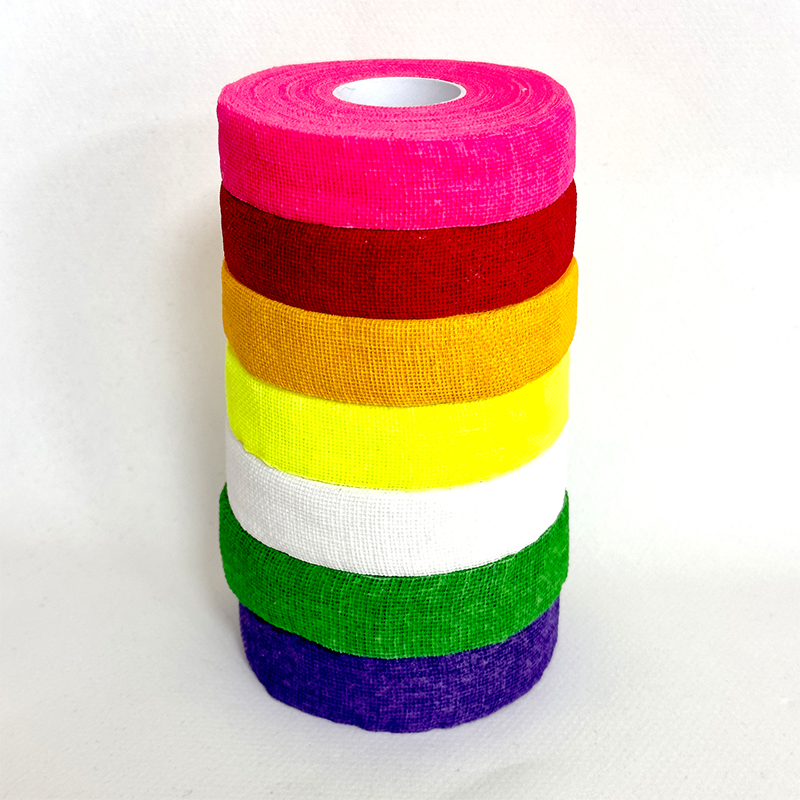
A care product often seems simple at a glance, yet its value usually comes from the way it behaves in daily use. A wrap that can stay in place, move with the body, and support routine care without extra fixing tools has to balance comfort, fit, and stability. That balance is what makes a Self-Adhesive Gauze Bandage useful in many common care situations.
People often look for practical answers rather than broad claims. They want to know how it stays secure, why it may slip, what materials change the feel, and how size affects use. Buyers also care about storage, packaging, and production flow. When a product can be explained in clear steps, it becomes easier to choose, easier to use, and easier to supply.
What Is a Self-Adhesive Gauze Bandage and How Does It Help With Everyday Wound Care
A Self-Adhesive Gauze Bandage is used when a wrap needs to stay close to the skin or another layer of dressing without extra clips or tape. In everyday care, that can be useful for minor cuts, small abrasions, light support, and simple protection after cleaning a wound.
Its appeal is not based on complexity. It is based on convenience. Some people need a wrap that can be placed quickly, adjusted with ease, and removed without pulling too hard on the skin. Others need something that works well in a home setting, a sports bag, or a travel kit. The product fits those needs because it can support routine care while keeping the process simple.
The name can also give a useful clue. "Gauze" suggests a fabric-like structure that can feel light and breathable. "Self-adhesive" points to the way the wrap holds to itself or remains in place through its own structure. That combination is what gives the product a clear role in daily care.
| Care Situation | What People Usually Want | Why the Wrap Can Help |
|---|---|---|
| Small cuts | Light protection | It stays in place during normal movement |
| Minor scrapes | Simple coverage | It is easy to apply and adjust |
| Home care | Convenient handling | No extra fixing tools are needed |
| Travel kits | Compact use | It can be stored and carried easily |
| Active use | Stable wear | It can stay secure during motion |
How Does a Self-Adhesive Gauze Bandage Stay Secure Without Extra Fixing Tools
The holding effect comes from the way the fabric is made and how it interacts with itself when wrapped around the body. It is not about harsh sticking. It is about controlled contact. When the wrap overlaps in the right way, it can hold shape and remain steady without needing separate fasteners.
This matters because many care tasks do not allow a long setup. A wrap that is simple to place can save time and reduce handling. It also helps when the area being covered is curved or changes shape slightly during movement. Joints, fingers, wrists, and ankles all create that kind of challenge.
A secure wrap depends on a few quiet details:
- The amount of overlap during wrapping
- The amount of stretch used while placing it
- The shape of the body part being covered
- The surface condition of the area
- The way the user finishes the outer layer
When these parts work together, the wrap can stay in place without feeling rigid. That is useful for care routines where comfort matters as much as placement.
Why Does a Self-Adhesive Gauze Bandage Sometimes Slip During Movement and How to Prevent It
Slip usually happens when the wrap and the body are not matching well enough in shape, tension, or placement. It may be too loose, too tight, or wrapped at an angle that does not fit the movement of the area.
Body motion is rarely simple. A wrist bends, a knee flexes, and a finger turns in a narrow range. If the wrap is placed without considering that motion, edges can shift. Moisture, skin texture, and repeated use can also affect how steady the wrap feels.
A few common reasons are worth noting:
- The wrap was started with too little overlap
- The tension was uneven from one turn to the next
- The chosen width was not suited to the area
- The surface was damp or not prepared well
- The movement area was wrapped without enough flexibility
To reduce slipping, users usually benefit from a calmer approach. Start with a clean and dry area. Keep the turns even. Avoid pulling too hard in one section and too lightly in another. Choose a size that suits the body part rather than forcing one size to fit all. A small change in wrapping habit can make a noticeable difference in wear.
How Do Materials and Fabric Structure Affect Self-Adhesive Gauze Bandage Performance
Material choice shapes how the wrap feels, how it bends, and how it holds together during use. A softer structure may feel more comfortable against the skin. A more open structure may allow air to move through more easily. A tighter structure may feel more stable in some cases, but it may also change the sense of flexibility.
Fabric structure matters just as much as the raw material. A woven or layered surface can behave differently from a looser pattern. That affects stretch, grip, breathability, and the overall feel during wear. Manufacturers often adjust these elements to balance comfort with secure use.
| Material or Structure Point | What It Changes | What Users May Notice |
|---|---|---|
| Soft fiber choice | Skin feel | Less rough contact |
| Flexible structure | Movement | Easier wrapping around curves |
| Open fabric pattern | Air flow | A lighter wearing feel |
| Denser structure | Stability | A firmer wrap shape |
| Smooth edge finish | Handling | Less irritation during use |
A good material setup is rarely about one single feature. It is usually about balance. A wrap that feels too soft may not stay where it should. A wrap that feels too firm may be less pleasant in longer wear. The useful middle ground depends on the care task.
Which Features Should You Check When Choosing a Self-Adhesive Gauze Bandage
Choice starts with the body part and the care purpose. A wrap used on a finger does not need the same width or feel as one used around an ankle. The right option depends on where it will be used, how often it will be handled, and how much movement the area gets.
There are several features worth checking before use or purchase:
- Width and length for the target area
- Softness against the skin
- Stretch behavior during wrapping
- Ease of tearing or cutting, if relevant
- How well it stays neat after placement
- Packaging that supports clean storage
It also helps to think about the user. A home caregiver may want easy handling. A sports user may want steadier wear during motion. A buyer may want packaging that is clear, compact, and easy to store. Different needs point to different choices, even when the product name is the same.
In practice, a better match often comes from asking a simple question: what part of the body will this cover, and how long is it likely to stay on? That question leads to a more useful choice than any broad label.
What Should Medical Supply Buyers Know Before Ordering Self-Adhesive Gauze Bandages
Buyers usually need more than product appearance. They need consistency, clear packaging, stable supply, and a result that behaves the same from one batch to another. For a care product, small differences in feel or wrap behavior can matter in use.
Before placing an order, it helps to look at the following points:
- Whether the product feels uniform across rolls or pieces
- Whether the wrapping behavior is easy to explain to end users
- Whether the packaging supports storage and transport
- Whether the size range fits the planned market
- Whether the product is suitable for home care, sports use, or general first aid
Communication with the supplier also matters. Buyers often benefit from asking how the product is packed, how it is stored before shipment, and how the material is handled during production. Clear answers can reduce uncertainty later.
The buying process becomes easier when the supplier understands the end use. A wrap for retail kits may need a different package presentation from a wrap for clinic storage or distributor supply. Matching the product to the channel is part of the buying logic.
How Is a Self-Adhesive Gauze Bandage Manufactured From Material Selection to Finished Product
Production begins with material selection, because the feel and behavior of the finished wrap depend on the base fabric and its handling. Once the material is chosen, it is prepared, shaped, and processed into a form that can support wrapping use.
The flow usually moves through a few broad stages. Material is prepared. The fabric is shaped. The surface and edges are handled. The product is checked for consistency. Then it is packed for storage and shipment. Each stage affects the next one, so the process has to remain steady.
Manufacturers often pay attention to:
- Material uniformity
- Stretch behavior
- Edge neatness
- Surface feel
- Packing condition
- Visual consistency
A product made for care use should not rely only on appearance. It should behave in a predictable way when opened, wrapped, and stored. That is why production control matters. Even if the product looks simple, the working result depends on quiet details in the process.
For buyers, this kind of production flow can also build trust. It shows that the wrap is not only a finished item but a controlled result of a repeatable process.
Tips for Selecting the Right Self-Adhesive Gauze Bandage Size for Different Applications
Size affects both comfort and handling. A narrow wrap may suit smaller areas such as fingers or short sections of skin. A wider wrap may suit larger areas or zones that need more coverage. Length also matters, because it shapes how many turns are possible and how well the wrap can be finished.
The choice is easier when the application is clear. A wrist needs a different approach from a knee. A travel kit may need a compact option. A home kit may need a wider range. The same product family can serve several uses, but the size should match the target area.
| Application Area | Size Direction | Why It Matters |
|---|---|---|
| Finger use | Narrower width | Easier to place around small areas |
| Wrist use | Medium width | Matches a curved and active area |
| Ankle use | Wider width | Gives broader coverage and hold |
| Travel kit | Compact roll | Saves storage space |
| Home kit | Mixed sizes | Supports several care needs |
A practical way to choose is to think in layers. Start with the body part. Then think about movement. Then think about how long the wrap may stay in place. Those three points usually point toward a useful size choice.
A Self-Adhesive Gauze Bandage works well when the size, material, and wrapping method match the task in front of it. The product does not need a complicated explanation to be useful. It needs a clear fit with real care needs, and that fit comes from the details behind the wrap.