

 English
 中文简体
中文简体
 Español
 عربى
عربى
 Français
 Português
Industry News
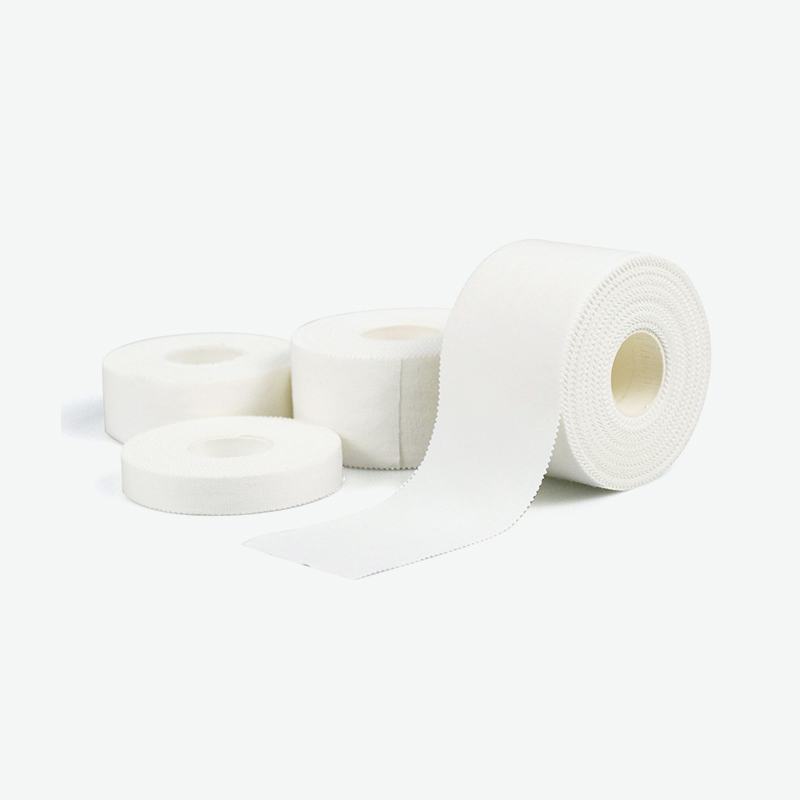
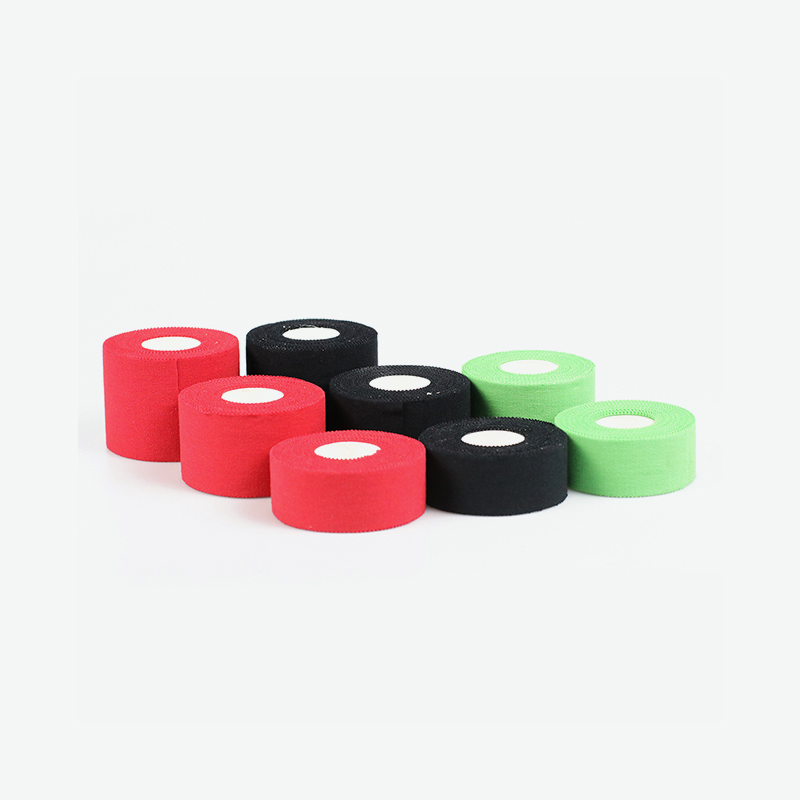
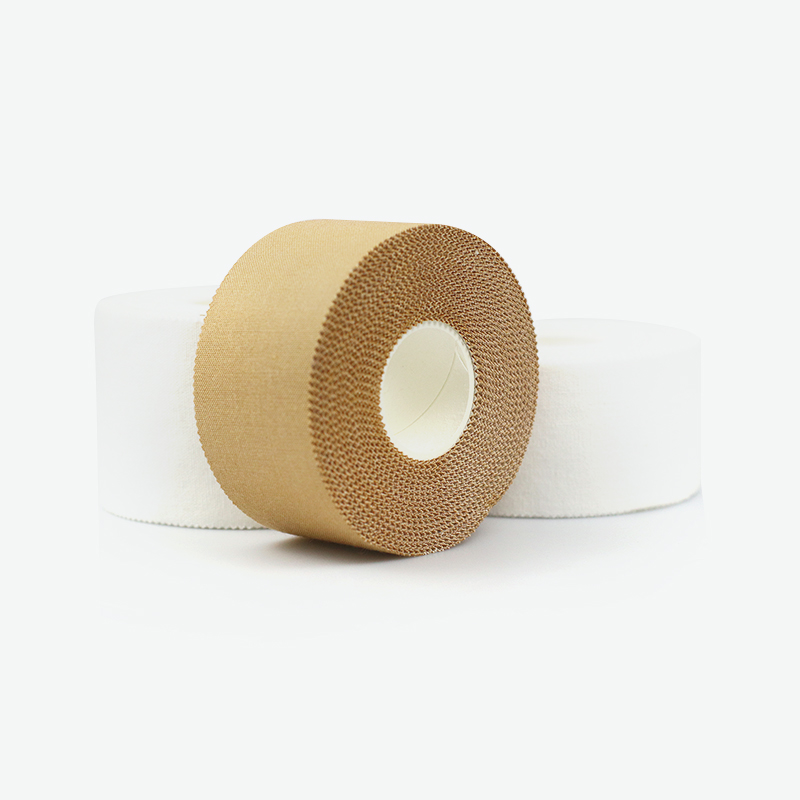
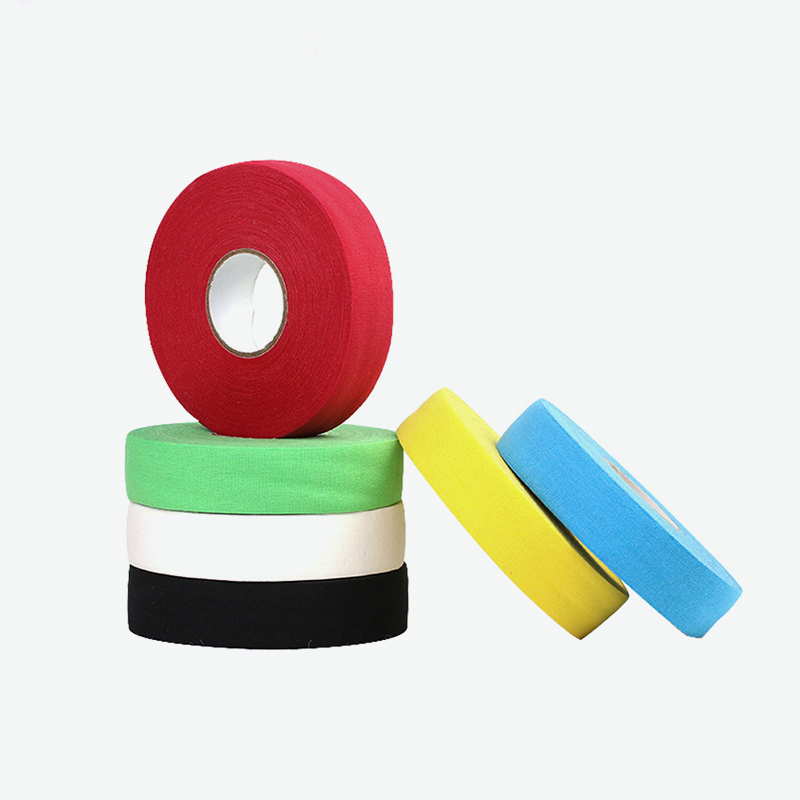
Athletes are constantly searching for ways to enhance performance while minimizing downtime. One innovation that has recently gained attention is athletic recovery tape, a flexible, adhesive strip designed to support muscles and joints during and after physical activity. This simple yet effective tool is now making its way into the routines of amateur and professional athletes alike.
Why Recovery Matters More Than Ever
Modern sports training often pushes the body to its limits, making proper recovery essential. Muscles and joints endure repeated stress, and inadequate recovery can lead to soreness, fatigue, and even injury. Athletic recovery tape is designed to provide gentle support, improving blood flow and reducing discomfort. Experts suggest that when used correctly, this tape can help athletes maintain consistent training schedules without overexerting themselves.
Unlike traditional supports or braces, athletic recovery tape does not restrict movement. Its elastic properties allow for a full range of motion, making it suitable for a variety of sports, from running and cycling to yoga and team sports. The tape’s lightweight design ensures that athletes feel supported without being weighed down.
A Simple Addition to Your Training Routine
For many athletes, recovery strategies often include stretching, foam rolling, and targeted rest. Adding athletic recovery tape to this routine is straightforward. The tape is applied directly to the skin along the affected muscle or joint area. By lifting the skin slightly, it helps reduce pressure, improve circulation, and facilitate natural healing processes.
Sports medicine professionals emphasize that while recovery tape is helpful, it should be used in conjunction with other recovery techniques. Adequate hydration, balanced nutrition, and proper sleep are all critical components of effective recovery. The tape serves as a complementary tool rather than a replacement for foundational practices.
From Professional Fields to Home Gyms
What makes athletic recovery tape particularly appealing is its accessibility. Athletes no longer need to rely solely on professional treatment to manage minor discomforts. Many fitness enthusiasts are incorporating it into home workouts and personal training sessions. With clear instructions and online tutorials, learning how to apply the tape correctly has never been easier.
Physical therapists report positive feedback from clients who use athletic recovery tape as part of their rehabilitation programs. It provides gentle support for strained muscles and joints, helping individuals regain mobility safely. As awareness grows, more gyms and sports centers are offering guidance on proper application techniques, making it a mainstream recovery tool.
Safety and Effectiveness First
Despite its growing popularity, experts caution that athletic recovery tape should be used responsibly. Incorrect application can reduce its effectiveness and, in some cases, cause skin irritation. To maximize benefits, athletes should follow recommended guidelines, including cleaning the skin before application and avoiding overly tight placement.
The tape is hypoallergenic and designed for sensitive skin, making it suitable for most users. Many find it particularly useful during long training sessions or post-activity recovery, helping them feel refreshed and ready for the next workout.
Getting Started with Athletic Recovery Tape
For those interested in exploring athletic recovery tape, starting is simple. Begin with smaller muscle groups and gradually experiment with different placement techniques. Consulting with a physical therapist or fitness professional can provide guidance tailored to individual needs. Many athletes find that integrating tape into their routine improves confidence during training, reduces post-activity soreness, and supports overall performance.
In conclusion, athletic recovery tape is more than just a trending product. It represents a shift in how athletes approach recovery, emphasizing prevention, support, and consistency. As more people recognize the importance of proper recovery, tools like this tape are likely to become an essential part of the modern athlete’s toolkit.