


 English
 中文简体
中文简体 Español
 عربى
عربى Français
 Português
Rigid Sports Tape Supplier
Custom Rigid Sports Tape
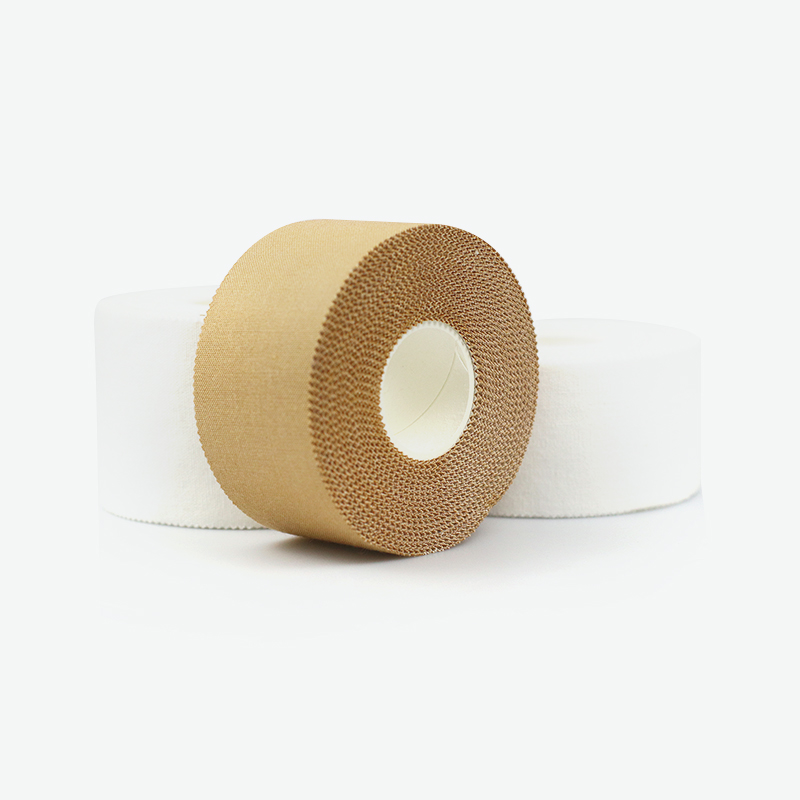
Cotton athletic tape is a tape designed specifically for athletic use. It offers numerous properties and advantages, making it widely used in sports protection and medical applications. Its core features are high strength and low (or almost no) elasticity, providing strong support and restrictive protection. It is a classic product in sports protection and rehabilitation.
Applications:
- Joint fixation and support;
- Sports rehabilitation: In physical therapy, sports therapists often use it to help patients stabilize injured joints and perform rehabilitation training within a reasonable range.
- Other uses: It is sometimes used to secure bandages, gauze, and other dressings. Advantages: Strong support and fixation. Latex-free design. Convenient and easy to use, with serrated edges for easy tearing.
About Us
Wenzhou Zhusi Medical Supplies Co., Ltd.
Wenzhou Zhusi Medical is a manufacturer specializing in personalized healthcare products. We specialize in healthcare, providing professional care solutions for clients in the fields of sports, medical care, personal care, animal health, tattoos, and beauty. Through technology and innovation, we strive to enable everyone in the world to enjoy a healthy and fulfilling life.
Our Mission:
We strive to achieve both material and spiritual well-being for all employees, spread love and health, and promote the accessibility of healthcare products to everyday families.
Our Vision:
To become a renowned company recognized by customers, respected by society, and ensuring employee well-being.
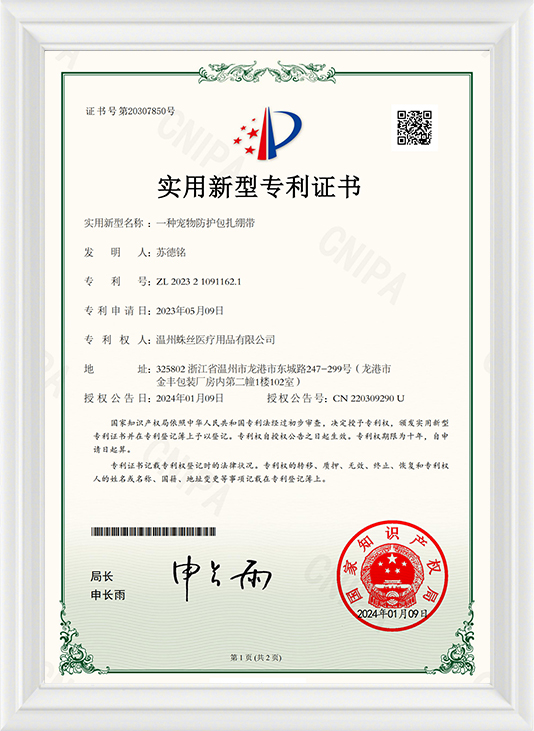
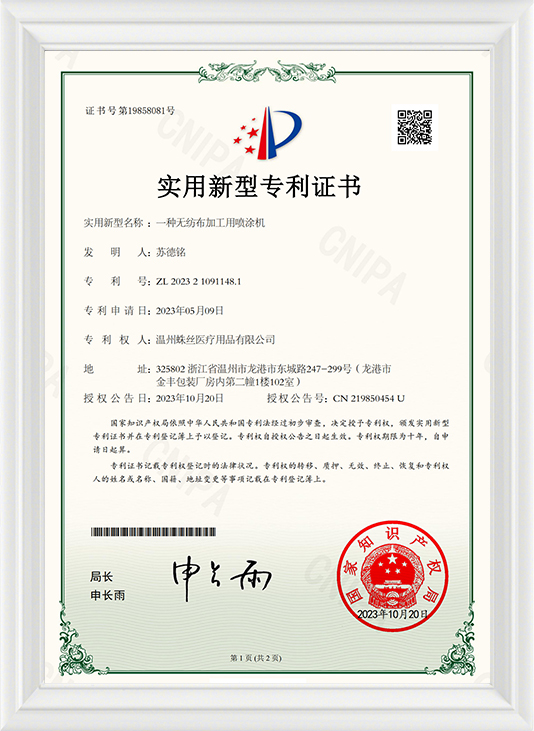
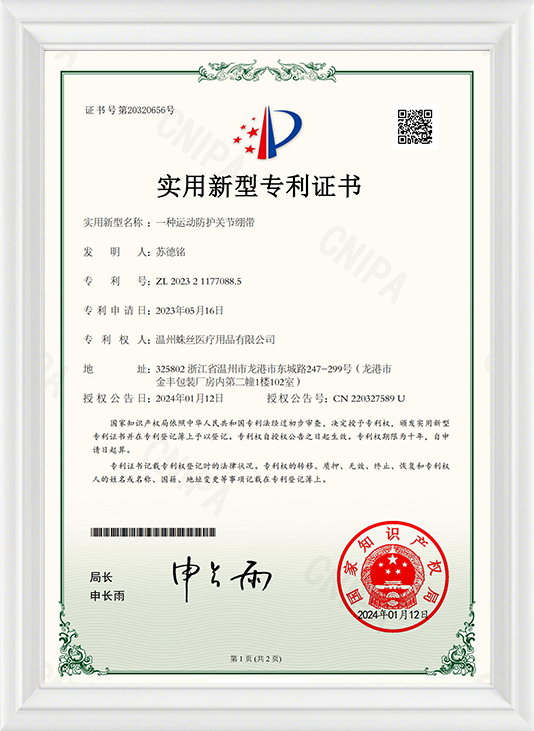
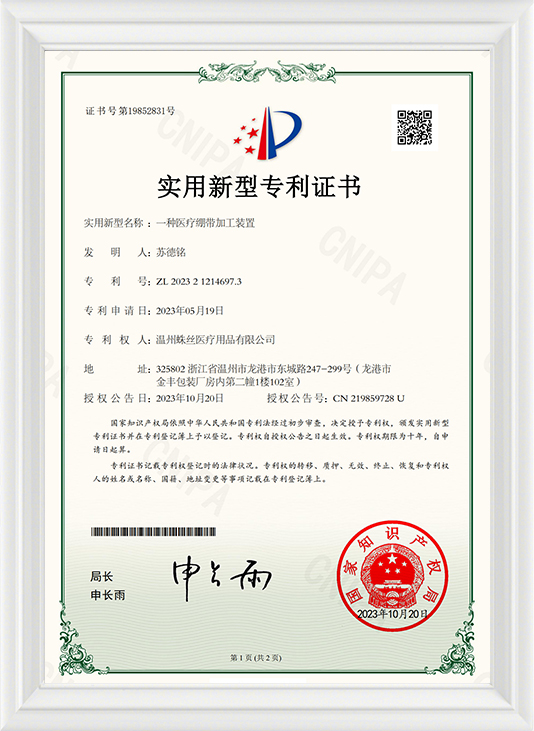
Certificate Of Honor
News
-
The adhesive bandage supplier has long occupied a unique position at the intersection of healthcare and everyday consumer goods. Found in me...
READ MORE -
The sport tape manufacturer has become an increasingly vital player in the athletic supply chain as participation in sports and physical act...
READ MORE -
The global healthcare and personal wellness sectors are currently witnessing a significant uptick in demand for advanced wound care and supp...
READ MORE -
A Self Adhesive Bandage For Medical is designed to provide flexible support, secure dressings, and accommodate different body areas while si...
READ MORE
Message Feedback
Industry knowledge
Rigid sports tape is a widely used accessory in sports and physical activities. Often referred to as High-Tension Support Tape, it provides a stable and reliable option for securing joints and equipment during training or events.
What Is Rigid Sports Tape?
Rigid sports tape is a firm adhesive tape made from durable materials such as cotton or synthetic fibers. Unlike flexible tapes, it maintains its shape when applied and offers a structured layer of support. This makes it a common choice in sports settings where consistency and reliable positioning are important.
Key Characteristics:
- Firm and stable structure
- Durable and long-lasting adhesive
- Available in rolls or pre-cut strips
- Suitable for multiple joint areas and applications
Types of Rigid Sports Tape
Rigid sports tape comes in several variations, which are primarily distinguished by width, adhesive type, and material composition.
| Type | Material | Typical Use |
| Standard Rigid Tape | Cotton with adhesive | General taping and securing |
| Pre-Cut Strips | Cotton or synthetic | Quick and convenient application |
| High-Tension Support Tape | Reinforced cotton or polyester | Areas requiring firm and stable adherence |
| Cohesive Rigid Tape | Self-adhering material | Minimal external adhesive contact |
| Roll Tape | Cotton or synthetic | Custom-length applications for larger joints |
Common Applications
Rigid sports tape is commonly used in various contexts to secure joints, equipment, and protective gear.
Athletic Settings
- Securing wrist or ankle wraps during training sessions
- Stabilizing protective padding in contact sports
- Organizing straps or equipment for consistent performance
Everyday Use
- Temporary support for minor adjustments during physical activity
- Holding protective padding or braces in place
- Keeping bandages or dressings securely positioned
Advantages of Rigid Sports Tape
While not emphasizing functional effects, rigid sports tape offers practical advantages in usage and handling:
- Consistency: Maintains shape and position over time
- Variety: Available in multiple widths and lengths for different areas
- Durability: Adheres reliably during movement or activity
- Ease of Use: Pre-cut strips allow quick and straightforward application
- Compatibility: Works alongside other equipment, wraps, or padding
How to Apply Rigid Sports Tape
Applying rigid sports tape effectively ensures proper adherence and comfort. Here is a general step-by-step guide:
Step-by-Step Guide
- Prepare the Area: Clean and dry the surface where the tape will be applied.
- Measure and Cut: Use pre-cut strips or cut from the roll to the desired length.
- Anchor the Tape: Place the initial anchor strip without stretching the tape.
- Apply in Layers: Add subsequent strips evenly and in alignment with the area.
- Secure the Edges: Press firmly to ensure that the tape remains in position.
- Check Alignment: Ensure that the tape is flat and properly positioned.
Common Patterns of Rigid Sports Tape
Rigid sports tape can be applied in different patterns to accommodate the shape of the area or joint.
| Pattern | Description | Typical Use |
| Straight Strip | Single strip for simple coverage | Small joints or straps |
| Overlap | Multiple strips layered | Ensures even coverage over larger areas |
| Figure-8 | Crossed strips | Wraps around joints or padding securely |
| Anchor & Strip | Combination of anchor strip and main tape | Keeps tape in place during activity |
| Custom Shapes | Pre-cut patterns or adjustable length | Adapts to unique shapes and equipment |
Tips for Handling and Storage
Proper handling and storage of rigid sports tape maintain its usability:
- Store in a cool, dry place away from direct sunlight.
- Keep pre-cut strips sealed until needed to preserve adhesive quality.
- Avoid folding tape excessively, which may weaken the adhesive.
- Check tape periodically for dust or dirt that could reduce adherence.
Additional Considerations:
- Ensure the tape surface is clean and free from oils before application.
- Roll tape tightly when storing to maintain form.
- Handle with dry hands to prevent accidental loss of adhesion.
Common Materials and Composition
Rigid sports tape is typically made from durable fibers with an adhesive backing. The materials influence its texture, thickness, and longevity:
- Cotton: Soft, breathable, and easy to handle.
- Polyester: Slightly firmer, more resistant to wear.
- Reinforced Fibers: Included in High-Tension Support Tape for added stability.
- Adhesive Layer: Pressure-sensitive to ensure consistent attachment without excessive residue.
Practical Uses of High-Tension Support Tape
High-Tension Support Tape is a specific variation of rigid sports tape designed for areas that require firmer adherence or additional structural support. Common uses include:
- Securing straps or padding during athletic events
- Providing a consistent layer for repeated or prolonged activity
- Maintaining the position of braces, wraps, or dressings during training
- Offering versatility in multi-layer applications for larger surfaces
Benefits of Different Widths
Rigid sports tape comes in various widths to accommodate different areas and needs.
- Narrow Tape (1–2 cm): Small joints or fingers
- Medium Tape (3–4 cm): Wrists, ankles, or elbows
- Wide Tape (5–7 cm): Larger areas such as knees, shoulders, or equipment coverage
Tips: Choose a width that matches the area of application to ensure smooth and effective alignment.
Safety Considerations
Rigid sports tape is generally safe for external use, but some considerations ensure proper handling:
- Avoid applying over open wounds or sensitive skin without protection.
- Remove gently to prevent irritation or discomfort.
- Store away from moisture and extreme temperatures.
- Inspect tape for dust or debris before use.
Rigid sports tape, including High-Tension Support Tape, is a practical and versatile tool for a wide range of athletic and everyday applications. It provides consistent and reliable adherence, is available in multiple sizes and forms, and can be used alongside other supportive or protective equipment. Proper application, storage, and handling ensure the tape remains effective and user-friendly. With its firm structure and adaptability, rigid sports tape continues to be a common choice for individuals seeking a dependable option for securing joints, padding, or straps in various settings.

“This website is for users outside of China.”
Copyright © 2025 Wenzhou Zhusi Medical Supplies Co., Ltd. All Reserved. Approval No:浙温械备20250002 & 浙温械备 20190061 号 & 浙温药监械生产备20190011号
High-Tension Support Tape Producer
