


 English
 中文简体
中文简体 Español
 عربى
عربى Français
 Português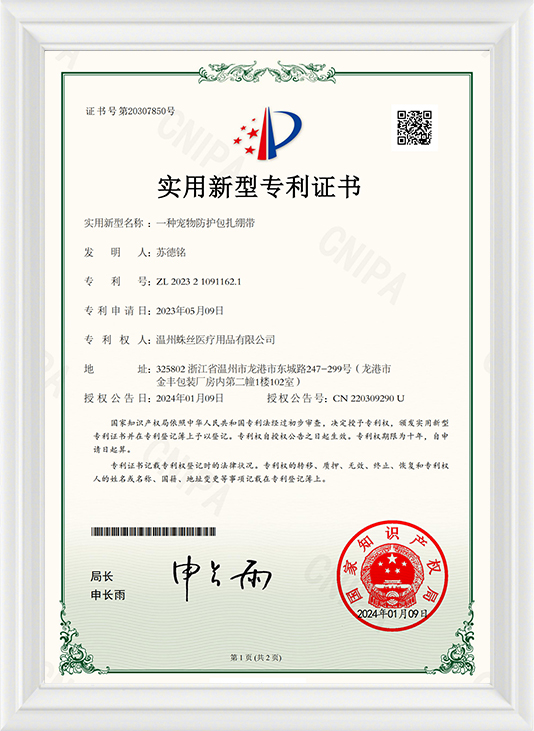
The adhesive bandage supplier has long occupied a unique position at the intersection of healthcare and everyday consumer goods. Found in me...
READ MORECustom Semi Products and Raw Materials
information to be updated
About Us
Wenzhou Zhusi Medical Supplies Co., Ltd.
Wenzhou Zhusi Medical is a manufacturer specializing in personalized healthcare products. We specialize in healthcare, providing professional care solutions for clients in the fields of sports, medical care, personal care, animal health, tattoos, and beauty. Through technology and innovation, we strive to enable everyone in the world to enjoy a healthy and fulfilling life.
Our Mission:
We strive to achieve both material and spiritual well-being for all employees, spread love and health, and promote the accessibility of healthcare products to everyday families.
Our Vision:
To become a renowned company recognized by customers, respected by society, and ensuring employee well-being.
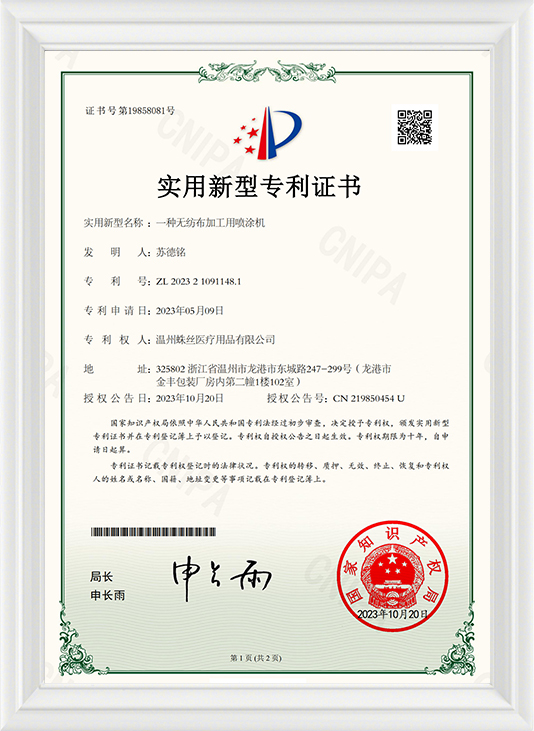
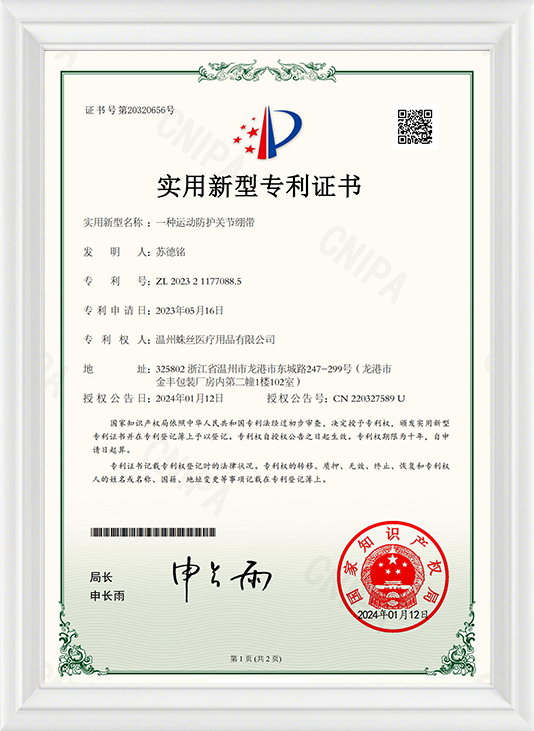
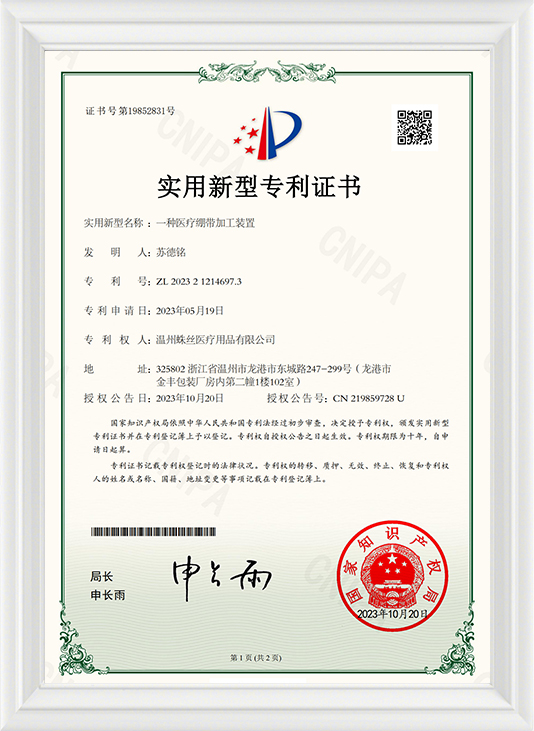
Certificate Of Honor
News
-
-
The sport tape manufacturer has become an increasingly vital player in the athletic supply chain as participation in sports and physical act...
READ MORE -
The global healthcare and personal wellness sectors are currently witnessing a significant uptick in demand for advanced wound care and supp...
READ MORE -
A Self Adhesive Bandage For Medical is designed to provide flexible support, secure dressings, and accommodate different body areas while si...
READ MORE
Message Feedback
Industry knowledge
Unprocessed Tape Sheets, representing the raw state of tape materials, offer a glimpse into texture, structure, and potential that is often overlooked. These sheets are more than just preliminary forms—they are a canvas for creative exploration, aesthetic analysis, and material appreciation.
Understanding Tape Base Materials
Tape begins with a base material, which forms the core of its texture, thickness, and visual appeal. This foundational layer can vary widely depending on the intended application or creative ambition. The surface, weight, and weave patterns of the tape base influence the final appearance even before any coatings or adhesives are applied.
| Tape Material Type | Composition | Surface Texture | Typical Form |
| Paper-Based Tape Sheets | Cellulose fibers | Smooth or slightly fibrous | Sheet / Roll |
| Plastic Film Tape Sheets | Polyethylene / PET | Glossy or matte | Sheet / Roll |
| Fabric-Based Tape Sheets | Cotton / Polyester | Woven or lightly textured | Sheet / Roll |
| Foam Tape Sheets | EVA / Polyurethane | Soft, spongy | Sheet / Roll |
This table emphasizes the diversity of base materials, highlighting the aesthetic and tactile qualities that each type brings to unprocessed tape sheets.
Popular Styles and Variations
Unprocessed tape sheets exist in a variety of forms that extend beyond functional categories. Designers, artists, and creative enthusiasts often select sheets based on visual and textural qualities rather than traditional usage.
- Natural Paper Variants: Neutral shades with subtle fibrous patterns
- Colored Plastic Films: Transparent, translucent, or opaque, offering visual layering possibilities
- Textured Fabrics: Woven patterns, ribbing, or embossed surfaces for tactile interest
- Soft Foam Sheets: Cushioned textures ideal for dimensional layering and shadow play
These variations allow base materials to become tools for creativity, enabling users to explore color, texture, and form before any additional processing.
Creative Applications of Unprocessed Tape Sheets
Although unprocessed tape sheets are traditionally considered a preliminary stage, they hold value in artistic and design applications:
Artistic Exploration
- Layering sheets of different textures and colors for abstract compositions
- Cutting sheets into geometric or organic shapes to create visual patterns
- Combining paper, plastic, and fabric sheets to explore textural contrast
Design and Workspace Organization
- Using sheets as dividers or overlays in creative studios
- Color-coded sheets to visually organize materials, supplies, or projects
- Creating subtle grids or background layers for visual projects
Emerging Trends in Tape Base Materials
Material exploration continues to expand as designers and artists seek new ways to interact with the physical properties of tape bases:
- Sustainable Materials: Use of recycled paper, bio-based plastics, and natural fibers
- Textural Layering: Emphasizing the tactile differences between paper, fabric, and foam sheets
- Transparency and Light Play: Utilizing translucent plastics to introduce subtle depth and color interactions
- Custom Sizes and Thicknesses: Offering sheets that accommodate layering, cutting, and artistic composition
These trends highlight the growing appreciation for base materials as expressive mediums rather than just functional precursors.
Comparative Overview
The following table provides a visual and textural comparison of different unprocessed tape sheets:
| Feature | Paper-Based Sheets | Plastic Film Sheets | Fabric-Based Sheets | Foam Sheets |
| Surface Texture | Smooth, fibrous | Glossy / Matte | Woven, ribbed | Soft, cushioned |
| Material Flexibility | Moderate | High, pliable | Moderate | Soft, compressible |
| Visual Appeal | Neutral, understated | Transparent, vibrant | Textural, patterned | Dimensional, soft |
| Layering Potential | Moderate | High, translucent layering | High, tactile layering | High, 3D layering |
| Common Form Availability | Sheets / Rolls | Sheets / Rolls | Sheets / Rolls | Sheets / Rolls |
This overview highlights how base materials differ in appearance, texture, and creative potential.
Tips for Creative Use
Unprocessed tape sheets can enrich artistic and organizational projects in several ways:
- Layering for Depth: Combine sheets of varying textures or transparency for a multi-dimensional effect
- Texture Mixing: Use paper, fabric, and foam together for tactile and visual contrast
- Shape and Pattern Play: Cut or fold sheets to introduce rhythm and geometric patterns
- Subtle Color Gradients: Overlay translucent sheets to achieve gradient effects
- Creative Organization: Assign colors, textures, or thicknesses to project categories for aesthetic clarity
Appreciating Material Authenticity
Unprocessed tape sheets offer an opportunity to explore raw material beauty. Observing the natural fibers in paper, the gentle stretch of fabrics, or the soft sponginess of foam allows for a deeper understanding of how materials can interact in layered compositions.
These sheets celebrate the essence of materials, encouraging experimentation with form, color, and texture. They serve as a reminder that the foundation of any creation is itself an expressive medium.
Unprocessed Tape Sheets and their underlying tape base materials reveal an often-overlooked dimension of creativity. Paper, plastic, fabric, and foam sheets each bring distinct visual and tactile qualities that inspire layering, texture exploration, and artistic composition.

“This website is for users outside of China.”
Copyright © 2025 Wenzhou Zhusi Medical Supplies Co., Ltd. All Reserved. Approval No:浙温械备20250002 & 浙温械备 20190061 号 & 浙温药监械生产备20190011号
Tape Base Material Factory
