


 English
 中文简体
中文简体 Español
 عربى
عربى Français
 Português
Foam Tape Supplier
The adhesive bandage supplier has long occupied a unique position at the intersection of healthcare and everyday consumer goods. Found in me...
READ MOREFoam tape is a type of adhesive tape made from polyurethane (PU) foam or other foam materials, with medical pressure-sensitive adhesive applied on one or both sides. It is soft, elastic, and has a certain thickness, feeling like a memory sponge with a backing adhesive. It is not a "stick" tool but a "pad" tool. It is mainly used to protect the skin from damage caused by pressure, friction, and shear force. Main features: Good buffering and pressure reduction capabilities: This is its core function. The thick sponge layer can disperse and absorb the pressure applied to the body area (especially at bony prominences).
Soft and highly elastic: It can fit the body contour, deforming under pressure, and rebounding after the pressure disappears, providing continuous protection.
Breathability and moisture absorption: High-quality medical foam usually has an open-cell structure, allowing air circulation and absorbing a small amount of sweat to keep the skin relatively dry.
Skin-friendly: The glue is usually a mild acrylic glue, and the sponge itself is soft, with little irritation to the skin.
Easy to cut: Can be easily cut into any shape as needed to fit different parts.
Main applications:
Foot protection: Applied to the heel, toes, etc., prone to friction, as a buffer layer.
Relieving pain: Used for hammer toes, toe bone pain, etc., to reduce the pressure when walking.
Preventing pressure ulcers: Directly applied to the tail vertebrae, ankle, hip bone, etc., long-term pressure-bearing bony prominences, providing protection for bedridden or wheelchair-bound individuals.
Sports protection:
Applied to the hands (such as rowing, weightlifting) or shoulders (such as carrying a barbell), reducing direct pressure and friction from equipment.
Used to fill the gaps between sports protective gear and the body to make wearing more comfortable and provide a more stable fixation.
information to be updated
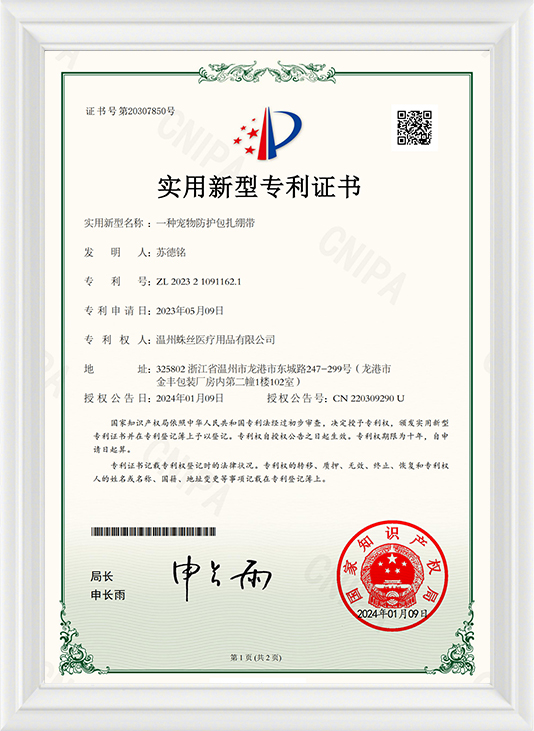
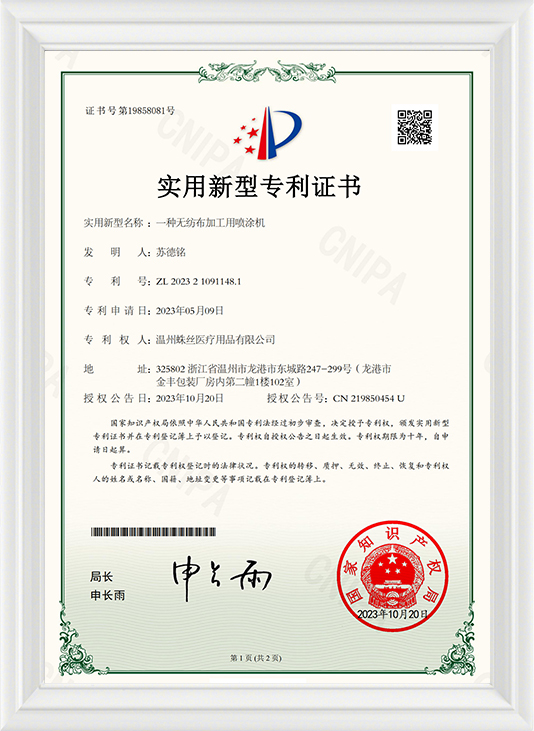
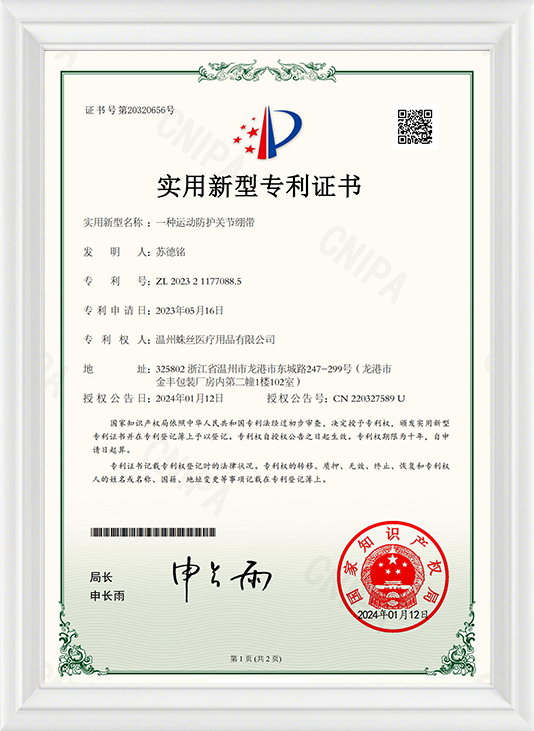
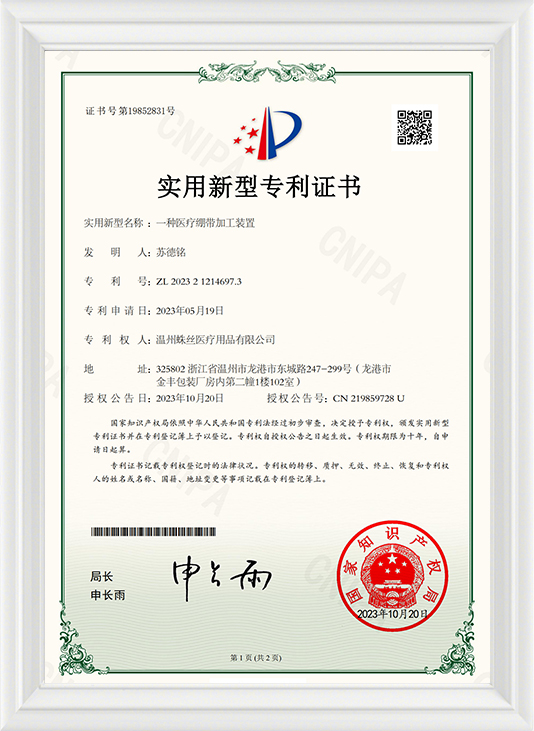
Wenzhou Zhusi Medical is a manufacturer specializing in personalized healthcare products. We specialize in healthcare, providing professional care solutions for clients in the fields of sports, medical care, personal care, animal health, tattoos, and beauty. Through technology and innovation, we strive to enable everyone in the world to enjoy a healthy and fulfilling life.
Our Mission:
We strive to achieve both material and spiritual well-being for all employees, spread love and health, and promote the accessibility of healthcare products to everyday families.
Our Vision:
To become a renowned company recognized by customers, respected by society, and ensuring employee well-being.
The adhesive bandage supplier has long occupied a unique position at the intersection of healthcare and everyday consumer goods. Found in me...
READ MOREThe sport tape manufacturer has become an increasingly vital player in the athletic supply chain as participation in sports and physical act...
READ MOREThe global healthcare and personal wellness sectors are currently witnessing a significant uptick in demand for advanced wound care and supp...
READ MOREA Self Adhesive Bandage For Medical is designed to provide flexible support, secure dressings, and accommodate different body areas while si...
READ MOREFoam tapes have steadily evolved from simple material strips into versatile tools in the realms of design, decoration, and creative expression. Among these, Double-Sided Foam Tape and Weatherproof Foam Tape provide unique possibilities for artists, organizers, and designers looking to explore texture, depth, and aesthetic composition.
Foam is characterized by its cellular structure, which gives it a lightweight and slightly cushioned feel. This inherent texture offers designers a way to add subtle depth and a three-dimensional element to projects.
| Tape Type | Base Material | Texture | Typical Forms |
| Double-Sided Foam Tape | Polyurethane / EVA | Soft, spongy | Roll / Sheet |
| Weatherproof Foam Tape | Polyethylene / Closed-cell foam | Slightly firm, smooth | Roll / Sheet |
The table above emphasizes how subtle differences in foam density and surface finishing can influence visual and tactile qualities, offering diverse possibilities beyond mere sticking.
Foam tapes are no longer limited to functional purposes. Their textural appeal, thickness variations, and layering possibilities have sparked creative applications:
These styles encourage exploration of foam tapes as materials for artistic expression, organization, or interior detailing.
While foam tapes are often associated with sticking materials together, they offer significant value in purely aesthetic and design-driven contexts.
Artistic Exploration
Artists and designers can harness foam tapes for subtle visual effects and dimensional layering:
Interior and Display Design
Foam tapes can also serve as subtle design elements in spaces:
Trends in Foam Tape Design
As material design evolves, foam tapes have begun to reflect trends in both creativity and sustainability:
These trends emphasize foam tapes as material components for design rather than solely functional objects.
To highlight their creative distinctions, the following table compares Double-Sided Foam Tape and Weatherproof Foam Tape based on tactile and aesthetic qualities:
| Feature | Double-Sided Foam Tape | Weatherproof Foam Tape |
| Visual Texture | Soft and plush | Smooth with slight firmness |
| Material Density | Light and spongy | Slightly denser |
| Design Versatility | Easy to layer, fold, or cut | Works well in layered compositions |
| Color Range | Wide variety | Neutral and translucent options |
| Roll/Sheet Options | Standard creative sizes | Multiple widths available |
This overview focuses on design potential rather than functionality, offering inspiration for creative and decorative applications.
Even outside functional contexts, foam tapes can enrich visual design and tactile appeal:
With growing attention to environmentally responsible design, foam tapes crafted from recyclable or low-density materials are increasingly appealing. Designers are using these tapes not only for their textural qualities but also as components in sustainable creative practices.
The creative potential of Double-Sided Foam Tape and Weatherproof Foam Tape extends far beyond their traditional uses. By exploring their tactile properties, color variations, and layering possibilities, artists, designers, and organizers can incorporate these tapes into visually compelling projects.
Foam tapes offer a combination of subtle dimension, aesthetic flexibility, and material intrigue, making them unique components in modern design and creative exploration. Their ability to transform simple surfaces into layered, textured, and visually engaging compositions underscores the evolving role of everyday materials in artistic and decorative contexts.

“This website is for users outside of China.”
Copyright © 2025 Wenzhou Zhusi Medical Supplies Co., Ltd. All Reserved. Approval No:浙温械备20250002 & 浙温械备 20190061 号 & 浙温药监械生产备20190011号
Wholesale Double-Sided Foam Tape
